


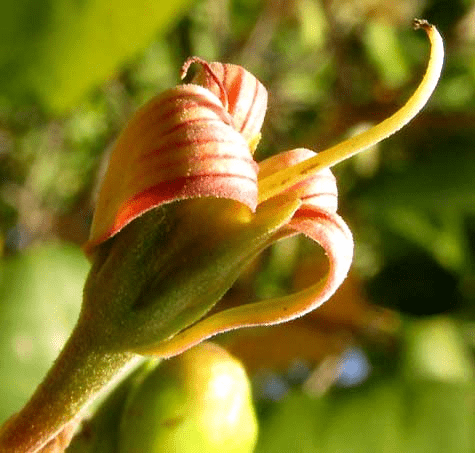
The cashew sepals are the outermost part of the cashew flower, forming the protective covering around the delicate inner reproductive structures. In scientific terms, the cashew tree is known as Anacardium occidentale.
Sepals are typically green, leaf-like structures that enclose and protect the developing flower bud before it opens. In the case of cashew flowers, the sepals are relatively small and inconspicuous compared to the petals, which are the more prominent and colorful parts of the flower.
While the sepals of cashew flowers may not be as visually striking as the petals, they serve essential functions in protecting the developing reproductive organs and regulating the opening of the flower bud. They also provide structural support to the flower as it develops and blooms.
Once the cashew flower reaches maturity and opens, the sepals may remain attached to the base of the flower or fall away, depending on the species and individual plant. Their role in protecting the flower during its development is crucial for ensuring successful pollination and fertilization.
Overall, while cashew sepals may not be as noticeable as other parts of the flower, they play an important role in the reproductive process of the cashew tree, providing protection and support to the delicate inner structures of the flower as they develop and mature.
The Economic Importance and Uses of Cashew Sepals
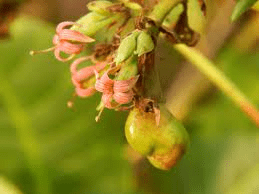
1. Protection: Cashew sepals serve as protective structures for the developing cashew flower buds, shielding them from physical damage, pests, and environmental stressors.
🌿 Go Organic on Your Farm: Instead of harmful chemical pesticides and fertilisers, try our organic farming products — including neem oil spray, bio-pesticides, natural plant treatments, organic seeds and seedlings, suckers, and many more organic products that are safe for your health, your family, your soil and your harvest. Shop Now →
2. Pollination: Cashew sepals play a role in pollination by providing support and structure for the reproductive organs of the cashew flower, facilitating pollinator access and pollen transfer.
3. Flower Development: Cashew sepals contribute to the development of cashew flowers by enclosing and protecting the floral organs during bud development and opening.
4. Fruit Set: Cashew sepals aid in fruit set by supporting the pollination and fertilization process, ensuring successful seed development and fruit formation in cashew trees.
5. Agricultural Research: Cashew sepals are studied for their morphology, anatomy, and physiological functions, contributing to scientific knowledge, breeding programs, and crop improvement efforts.
🔧 Free Farm Tool Available: Use our free Agric4Profits Farm Tools to calculate your farm profits, formulate feeds, identify pests and diseases on both your crops and animal farms, plan your planting and harvesting season, including many more farm tasks to get free expert advice and recommendations — completely free, no registration required. Access Free Tools →
6. Horticulture: Cashew sepals enhance horticultural practices by promoting healthy flower development, fruit set, and yield in cashew orchards and agroforestry systems.
7. Landscape Ornamentation: Cashew sepals add aesthetic value to landscapes with their colorful appearance and role in flower development, enhancing urban green spaces, gardens, and parks.
8. Ecotourism: Cashew sepals attract tourists interested in ecotourism experiences, offering opportunities for flower viewing, nature walks, and agricultural tours in cashew-growing regions.
9. Agroforestry: Cashew sepals contribute to agroforestry systems by supporting cashew tree growth and fruit production, promoting biodiversity, soil conservation, and sustainable land use practices.
10. Crop Yield: Cashew sepals indirectly influence crop yield by contributing to successful flower development, pollination, and fruit set, leading to higher cashew nut production and economic returns.
💬 Have a Farming Question? Join thousands of farmers across Africa on the Agric4Profits Community — ask questions, share experiences and connect with agricultural experts. It is completely free. Ask Your Question Now →
11. Soil Conservation: Cashew sepals aid in soil conservation efforts by promoting healthy cashew tree growth and root development, reducing soil erosion and improving soil structure in agricultural landscapes.
12. Environmental Education: Cashew sepals provide opportunities for environmental education and awareness-raising activities, highlighting the importance of biodiversity conservation and sustainable agriculture.
13. Wildlife Habitat: Cashew sepals attract pollinators and provide habitat and forage resources for diverse wildlife species, enhancing biodiversity in cashew-growing regions.
14. Climate Resilience: Cashew sepals contribute to climate resilience in agricultural systems by supporting cashew tree adaptation to changing environmental conditions, such as drought, heat, and fluctuating temperatures.
15. Rural Livelihoods: Cashew sepals indirectly support the livelihoods of farmers and workers involved in cashew cultivation, harvesting, processing, and trade by contributing to crop yield and income generation.
16. Culinary Use: Cashew sepals are not typically consumed directly in culinary practices but may be used as a decorative element in food presentations, garnishing dishes and desserts with their vibrant colors.
17. Genetic Resources: Cashew sepals are valuable genetic resources for breeding programs aimed at improving cashew tree traits such as yield, disease resistance, and environmental adaptability.
Read Also: 8 Steps to Successful Perennial Pasture Establishment
The Products and By-products That Can Be Derived From Cashew Sepals
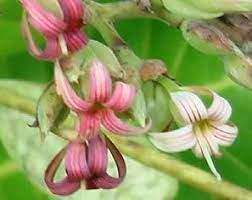
1. Natural Dyes: Cashew sepals can be used as a source of natural dye for textiles and crafts. The sepals contain pigments that can yield various shades of yellow, orange, and red, depending on the extraction process and mordants used.
📖 Want to Go Deeper on This Topic?
Our expert agricultural ebooks cover poultry, fish farming, different crops production, snail farming, organic farming, mushrooms, sheep, cattle, flowers, pig farming, goat farming, agribusiness, etc. in practical step-by-step detail — written by agricultural professionals for African farmers.
Browse All Farming Ebooks →2. Herbal Medicine: Extracts from cashew sepals may have medicinal properties and can be used in traditional herbal medicine. They may contain compounds with anti-inflammatory, antioxidant, and antimicrobial properties, suitable for treating various ailments and health conditions.
3. Cosmetics: Cashew sepals can be utilized in cosmetics and skincare products for their potential benefits to the skin. Extracts from the sepals may be incorporated into lotions, creams, and serums for their moisturizing and rejuvenating properties.
4. Floral Decorations: Dried cashew sepals can be used in floral arrangements and decorative crafts. Their vibrant colors and delicate texture make them suitable for creating ornamental displays for events, weddings, and home decor.
5. Aromatherapy: Cashew sepals may be used in aromatherapy practices for their subtle fragrance. The scent of the sepals can promote relaxation, stress relief, and mood enhancement when used in diffusers, potpourri blends, or herbal sachets.
6. Food Garnishes: In some culinary traditions, cashew sepals are used as edible garnishes for dishes and desserts. Their bright colors and mild flavor can add visual appeal and a touch of elegance to plated presentations.
7. Beverage Infusions: Dried cashew sepals can be infused in hot water to create herbal teas. Cashew sepal tea may have a mild flavor and aroma, suitable for enjoying as a soothing beverage with potential health benefits.
8. Potpourri: Dried cashew sepals can be included in potpourri blends for their decorative appeal and subtle fragrance. Mixed with other dried flowers, herbs, and spices, cashew sepals contribute to aromatic home decor accents.
9. Craft Projects: Cashew sepals can be incorporated into various craft projects, such as handmade papermaking, collage art, and pressed flower arrangements. Their unique shapes and colors add interest and texture to artistic creations.
10. Educational Materials: Cashew sepals can be used as educational materials for teaching botanical concepts and plant morphology. They provide tangible examples for students to study flower structure, reproductive organs, and pollination mechanisms.
Read Also: Crop Yield Estimation and Agriculture Science with GIS
Frequently Asked Questions (FAQ’s) About Cashew Sepals
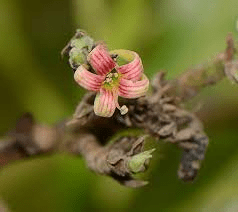
1. What are cashew sepals?
Cashew sepals are leaf-like structures that enclose and protect the developing cashew flower buds, playing a role in flower development, pollination, and fruit set in cashew trees.
2. Do cashew sepals have any economic importance?
Yes, cashew sepals indirectly contribute to the economic importance of cashew trees by supporting flower development, pollination, and fruit set, leading to higher cashew nut production and economic returns for farmers.
3. Can cashew sepals be harvested or processed for any products?
Cashew sepals themselves are not typically harvested or processed for specific products or by-products. However, their role in supporting cashew flower development indirectly contributes to cashew nut production and related products.
4. How do cashew sepals contribute to cashew nut production?
Cashew sepals aid in cashew nut production by supporting flower development, pollination, and fruit set, ensuring successful seed development and fruit formation in cashew trees.
5. Are cashew sepals edible?
Cashew sepals are not typically consumed as food and are generally discarded after the cashew nuts and fruits are harvested. They are primarily valued for their role in supporting flower development and fruit production in cashew trees.
6. Do cashew sepals have any environmental benefits?
Yes, cashew sepals contribute to environmental benefits such as soil conservation, biodiversity support, and climate resilience by promoting healthy cashew tree growth and ecosystem functioning in agricultural landscapes.
7. Are there any cultural or traditional uses associated with cashew sepals?
Cashew sepals may hold cultural significance in some societies, symbolizing aspects such as growth, fertility, and abundance. However, specific cultural or traditional uses of cashew sepals may vary depending on local customs and practices.
8. Can cashew sepals be composted or reused in any way?
Cashew sepals can be composted along with other organic materials to produce nutrient-rich compost for soil fertility improvement in agricultural and horticultural settings. However, they are generally not reused for specific purposes due to their limited economic value.
9. Do cashew sepals attract any wildlife or insects?
Cashew sepals may attract pollinators such as bees, butterflies, and birds with their nectar and floral structure, providing habitat and forage resources for diverse wildlife species in cashew-growing regions.
10. Are there any research studies or initiatives focused on cashew sepals?
Yes, research studies and initiatives may focus on understanding the morphology, anatomy, physiology, and ecological roles of cashew sepals in cashew tree biology, agricultural production, and ecosystem functioning.
Read Also: Practical Steps to Convert Printer Cartridges Wastes into New Printer Cartridges
🌱 Take Your Farming Further With Agric4Profits
Based on what you just read, here are free resources and products from Agric4Profits that can help your farm right now:
- 🛒 Visit Our Marketplace — Organic neem oil, bio-pesticides, seeds and farming products
- 📚 Read Premium Content — Advanced guides for serious and profitable farming
- 🎓 Join Our Free Academy — Structured free training for farmers across Africa
- 🔧 Use Our Free Farm Tools — Profit calculators, feed formulation, pest identifier and more
- 💬 Join Our Farming Community — Connect with farmers across all 54 African countries
- ❓ Ask a Farming Question — Get answers from experienced farmers and agricultural experts
Please cite this content in academic work, research, or publications.