


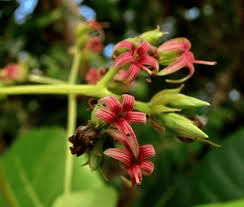
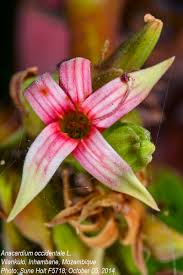
Cashew petals are the colorful, delicate structures of the cashew flower, surrounding and protecting the reproductive organs within. Scientifically known as Anacardium occidentale, the cashew tree produces flowers with petals that contribute to the flower's overall appearance and function.
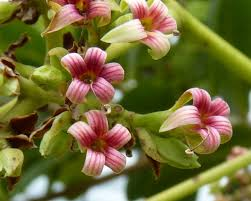
Cashew petals are typically small and range in color from pale green to yellowish-white. They are arranged in a whorl around the center of the flower, forming a visually appealing display when the flower blooms. While not as prominent as the petals of some other flowers, they still play an essential role in attracting pollinators and protecting the reproductive organs.
The color and fragrance of cashew petals help attract insects such as bees, butterflies, and flies, which are crucial for pollinating the flowers. Pollination is necessary for the fertilization of the flower's ovules and the subsequent development of cashew nuts within the cashew apple.
Once pollination occurs, the petals may begin to wilt and fall away from the flower, signaling the next stage in the reproductive process. The fertilized ovules within the flower's ovary develop into seeds, which eventually mature into cashew nuts, while the surrounding tissues develop into the cashew apple.
Overall, cashew petals serve both functional and aesthetic purposes in the reproductive cycle of the cashew tree. Their role in attracting pollinators and protecting the reproductive organs ensures the successful development of cashew nuts, which are valued for their culinary and commercial significance.
The Economic Importance and Uses of Cashew Petals
1. Ornamental Value: Cashew petals are valued for their aesthetic appeal and are used in floral arrangements, bouquets, and decorative displays for various events and occasions.
🌿 Go Organic on Your Farm: Instead of harmful chemical pesticides and fertilisers, try our organic farming products — including neem oil spray, bio-pesticides, natural plant treatments, organic seeds and seedlings, suckers, and many more organic products that are safe for your health, your family, your soil and your harvest. Shop Now →
2. Cultural Significance: Cashew petals hold cultural significance in some societies, symbolizing beauty, purity, and love, and featuring in traditional ceremonies, rituals, and celebrations.
3. Culinary Decoration: Cashew petals are used as edible decorations in culinary presentations, garnishing dishes, desserts, and beverages with their vibrant colors and delicate appearance.
4. Medicinal Uses: Cashew petals have been traditionally used in herbal medicine for their potential health benefits, including anti-inflammatory, antioxidant, and antimicrobial properties.
5. Perfumery: Cashew petal extracts are used in perfumery and cosmetics for their aromatic properties, adding floral notes to fragrances, lotions, and skincare products.
🔧 Free Farm Tool Available: Use our free Agric4Profits Farm Tools to calculate your farm profits, formulate feeds, identify pests and diseases on both your crops and animal farms, plan your planting and harvesting season, including many more farm tasks to get free expert advice and recommendations — completely free, no registration required. Access Free Tools →
6. Herbal Tea: Dried cashew petals are used to brew herbal tea, which is consumed for its soothing aroma and potential health benefits, such as relaxation and stress relief.
7. Natural Dyes: Cashew petals can be used as natural dyes for textiles and crafts, imparting various shades of yellow, orange, and red depending on the extraction process.
8. Environmental Education: Cashew petals provide opportunities for environmental education and awareness-raising activities, highlighting the importance of plant diversity and ecosystem conservation.
9. Bee Forage: Cashew petals attract pollinators such as bees, butterflies, and hummingbirds, providing a food source and forage opportunity for these important insect species.
10. Landscape Beautification: Cashew petals enhance landscape beautification efforts in gardens, parks, and urban green spaces, adding color, texture, and visual interest to outdoor environments.
💬 Have a Farming Question? Join thousands of farmers across Africa on the Agric4Profits Community — ask questions, share experiences and connect with agricultural experts. It is completely free. Ask Your Question Now →
11. Botanical Research: Cashew petals are studied for their morphology, anatomy, and physiological functions, contributing to botanical research, taxonomy, and plant biology studies.
12. Floral Art: Cashew petals inspire floral artists and designers to create intricate and imaginative floral arrangements, installations, and artworks for exhibitions and events.
13. Traditional Crafts: Cashew petals may be used in traditional crafts such as flower pressing, potpourri making, and decorative arts, preserving cultural heritage and artisanal practices.
14. Educational Activities: Cashew petals are used in educational activities for teaching botanical concepts, plant anatomy, and flower morphology to students of all ages.
15. Ethnobotanical Studies: Cashew petals are subject to ethnobotanical studies exploring their cultural, medicinal, and ritualistic uses among different ethnic groups and indigenous communities.
16. Photography: Cashew petals serve as subjects for photography enthusiasts, capturing their beauty, color variations, and intricate details in nature photography projects and portfolios.
17. Wedding Decor: Cashew petals are used in wedding decorations, bridal bouquets, and floral arrangements, adding a touch of elegance and romance to matrimonial celebrations.
Read Also: 10 Medicinal Health Benefits Of Banisteriopsis caapi (Ayahuasca)
The Products and By-products That Can Be Derived From Cashew Petals
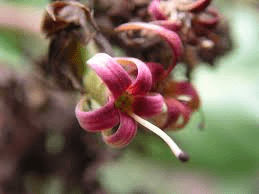
1. Natural Dyes: Cashew petals can be used as a source of natural dye for textiles and crafts. The sepals contain pigments that can yield various shades of yellow, orange, and red, depending on the extraction process and mordants used.
📖 Want to Go Deeper on This Topic?
Our expert agricultural ebooks cover poultry, fish farming, different crops production, snail farming, organic farming, mushrooms, sheep, cattle, flowers, pig farming, goat farming, agribusiness, etc. in practical step-by-step detail — written by agricultural professionals for African farmers.
Browse All Farming Ebooks →2. Herbal Medicine: Extracts from cashew petals may have medicinal properties and can be used in traditional herbal medicine. They may contain compounds with anti-inflammatory, antioxidant, and antimicrobial properties, suitable for treating various ailments and health conditions.
3. Cosmetics: Cashew petals can be utilized in cosmetics and skincare products for their potential benefits to the skin. Extracts from the petals may be incorporated into lotions, creams, and serums for their moisturizing and rejuvenating properties.
4. Floral Decorations: Dried cashew petals can be used in floral arrangements and decorative crafts. Their vibrant colors and delicate texture make them suitable for creating ornamental displays for events, weddings, and home decor.
5. Aromatherapy: Cashew petals may be used in aromatherapy practices for their subtle fragrance. The scent of the petals can promote relaxation, stress relief, and mood enhancement when used in diffusers, potpourri blends, or herbal sachets.
6. Food Garnishes: In some culinary traditions, cashew petals are used as edible garnishes for dishes and desserts. Their bright colors and mild flavor can add visual appeal and a touch of elegance to plated presentations.
7. Beverage Infusions: Dried cashew petals can be infused in hot water to create herbal teas. Cashew petal tea may have a mild flavor and aroma, suitable for enjoying as a soothing beverage with potential health benefits.
8. Potpourri: Dried cashew petals can be included in potpourri blends for their decorative appeal and subtle fragrance. Mixed with other dried flowers, herbs, and spices, cashew petals contribute to aromatic home decor accents.
9. Craft Projects: Cashew petals can be incorporated into various craft projects, such as handmade papermaking, collage art, and pressed flower arrangements. Their unique shapes and colors add interest and texture to artistic creations.
10. Educational Materials: Cashew petals can be used as educational materials for teaching botanical concepts and plant morphology. They provide tangible examples for students to study flower structure, reproductive organs, and pollination mechanisms.
Read Also: Sheep Milk Production Complete Guide
Frequently Asked Questions (FAQ’s) About Cashew Petals
1. Can cashew petals be consumed?
While cashew petals are edible, they are not commonly consumed as food due to their mild flavor and delicate texture. However, they can be used as decorative garnishes in culinary presentations.
2. Are cashew petals fragrant?
Cashew petals may have a subtle fragrance, although it varies depending on factors such as the variety of the cashew tree and environmental conditions.
3. Can cashew petals be used in herbal medicine?
Yes, cashew petals have been traditionally used in herbal medicine for their potential health benefits, including anti-inflammatory, antioxidant, and antimicrobial properties.
4. How are cashew petals used in perfumery?
Cashew petal extracts are used in perfumery and cosmetics for their floral fragrance, adding aromatic notes to perfumes, colognes, and personal care products.
5. Are cashew petals used in traditional ceremonies?
Cashew petals hold cultural significance in some societies and may be used in traditional ceremonies, rituals, and celebrations as symbolic decorations or offerings.
6. Can cashew petals be dried for preservation?
Yes, cashew petals can be dried for preservation purposes, although they may lose some of their color and fragrance during the drying process.
7. Do cashew petals attract bees?
Yes, cashew petals attract pollinators such as bees, butterflies, and hummingbirds with their nectar and floral structure, providing a food source and forage opportunity for these important insect species.
8. Are cashew petals used in landscaping?
Yes, cashew petals are used in landscaping to enhance the beauty of gardens, parks, and urban green spaces, adding color, texture, and visual interest to outdoor environments.
9. Can cashew petals be used as natural dyes?
Yes, cashew petals can be used as natural dyes for textiles and crafts, imparting various shades of yellow, orange, and red depending on the extraction process.
10. Are there any environmental benefits associated with cashew petals?
Yes, cashew petals contribute to environmental benefits such as pollinator attraction, biodiversity support, and landscape beautification, enhancing ecosystem services and conservation efforts.
Read Also: Practical Steps to Convert Tires Wastes into Construction Materials
🌱 Take Your Farming Further With Agric4Profits
Based on what you just read, here are free resources and products from Agric4Profits that can help your farm right now:
- 🛒 Visit Our Marketplace — Organic neem oil, bio-pesticides, seeds and farming products
- 📚 Read Premium Content — Advanced guides for serious and profitable farming
- 🎓 Join Our Free Academy — Structured free training for farmers across Africa
- 🔧 Use Our Free Farm Tools — Profit calculators, feed formulation, pest identifier and more
- 💬 Join Our Farming Community — Connect with farmers across all 54 African countries
- ❓ Ask a Farming Question — Get answers from experienced farmers and agricultural experts
Please cite this content in academic work, research, or publications.