


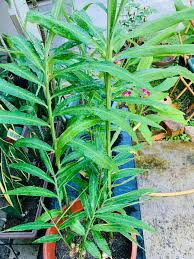
Ginger leaves the long, slender foliage of the ginger plant (Zingiber officinale), are often overlooked but hold culinary and medicinal potential. These leaves are bright green, lance-shaped, and can grow up to three feet in length. While the rhizome is the most commonly used part of the ginger plant, the leaves themselves are aromatic and can be utilized in various ways.
Ginger leaves have a milder aroma and flavor compared to the pungent rhizome. They possess a subtle gingery scent with grassy and slightly peppery undertones. This makes them suitable for use as a herb, adding a gentle flavor to dishes without overpowering other ingredients. In Southeast Asian cuisines, ginger leaves are sometimes used to wrap foods before steaming or grilling, imparting a delicate ginger essence to the dish. They can also be finely chopped and used as a garnish or added to salads, soups, and stews for a hint of ginger flavor.
Culinary uses of ginger leaves vary across different cultures. In Thai cuisine, for example, ginger leaves might be added to soups and curries. In Indian cuisine, they can be used in chutneys or rice dishes. Additionally, ginger leaves can be used to make herbal tea. Steeping fresh or dried ginger leaves in hot water creates a fragrant and soothing beverage that retains some of the beneficial properties of the ginger plant.
Medicinally, ginger leaves share some of the health benefits attributed to the rhizome, though they are generally less concentrated. The leaves contain antioxidants and have anti-inflammatory properties, which can contribute to overall health and wellness. Ginger leaf tea, for instance, can aid digestion, reduce nausea, and help alleviate symptoms of colds and flu. The mild anti-inflammatory effects can also provide relief from minor aches and pains.
Growing ginger leaves requires a warm, humid environment with well-drained soil, similar to the conditions needed for the rhizome. The plant thrives in partial shade and needs regular watering. Ginger plants can be grown from a piece of the rhizome, which should be planted just below the soil surface with the buds facing upwards. Once the plant starts growing, the leaves can be harvested as needed without harming the overall growth of the plant.
For those interested in gardening, ginger leaves are an attractive addition to herb gardens and can be grown in pots or directly in the ground. The lush green foliage adds a tropical feel to the garden, and having fresh ginger leaves readily available allows for their culinary and medicinal uses.
🌿 Go Organic on Your Farm: Instead of harmful chemical pesticides and fertilisers, try our organic farming products — including neem oil spray, bio-pesticides, natural plant treatments, organic seeds and seedlings, suckers, and many more organic products that are safe for your health, your family, your soil and your harvest. Shop Now →
When harvesting ginger leaves, it is important to choose young, tender leaves as they have a better flavor and texture. Older leaves can become tough and fibrous. Fresh ginger leaves should be used soon after harvesting to retain their aroma and flavor. If necessary, they can be stored in the refrigerator for a few days, wrapped in a damp paper towel to maintain freshness.
Ginger leaves are a versatile and valuable part of the ginger plant, offering both culinary and medicinal benefits. Their mild gingery flavor and aroma make them suitable for various dishes, and their health-promoting properties add to their appeal. By incorporating ginger leaves into cooking and natural remedies, one can take full advantage of this often-overlooked component of the ginger plant.
The Economic Importance and Uses of Ginger Leaves
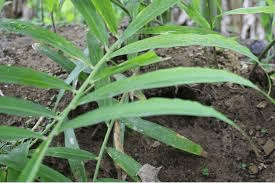
1. Culinary Use: Ginger leaves are used as an aromatic herb in cooking, providing a mild ginger flavor to dishes like soups, salads, and stir-fries.
2. Herbal Tea: Ginger leaves can be brewed into herbal tea, offering a milder taste compared to ginger root tea and various health benefits.
🔧 Free Farm Tool Available: Use our free Agric4Profits Farm Tools to calculate your farm profits, formulate feeds, identify pests and diseases on both your crops and animal farms, plan your planting and harvesting season, including many more farm tasks to get free expert advice and recommendations — completely free, no registration required. Access Free Tools →
3. Traditional Medicine: In many cultures, ginger leaves are used in traditional medicine to treat ailments like colds, fever, and digestive issues.
4. Food Wraps: Ginger leaves are used to wrap foods, imparting a subtle ginger flavor and aroma during cooking or steaming.
5. Livestock Feed: Ginger leaves can be used as a nutritious feed for livestock, providing essential nutrients and promoting animal health.
6. Natural Packaging: Ginger leaves can be used as an eco-friendly packaging material for food items, especially in traditional and artisanal markets.
7. Compost Material: Ginger leaves can be composted to enrich soil with organic matter, benefiting agricultural practices.
💬 Have a Farming Question? Join thousands of farmers across Africa on the Agric4Profits Community — ask questions, share experiences and connect with agricultural experts. It is completely free. Ask Your Question Now →
8. Essential Oils: Essential oils extracted from ginger leaves are used in aromatherapy and natural remedies.
9. Anti-inflammatory Properties: The leaves contain anti-inflammatory compounds that can be used in natural remedies for inflammation and pain relief.
10. Antioxidant Source: Ginger leaves are a source of antioxidants, which can help in reducing oxidative stress and improving overall health.
11. Culinary Decoration: Fresh ginger leaves are used as garnishes and decorative elements in culinary presentations.
12. Insect Repellent: The natural compounds in ginger leaves can act as a natural insect repellent, protecting crops and homes.
13. Flavor Enhancer: Ginger leaves are used as a flavor enhancer in various culinary preparations, adding a subtle ginger taste.
14. Spa Treatments: The leaves are used in spa treatments for their soothing and aromatic properties, enhancing relaxation.
15. Natural Dye: The leaves can be used to create natural dyes for textiles and crafts.
16. Eco-friendly Products: Ginger leaves are used in the production of eco-friendly products such as biodegradable plates and utensils.
📖 Want to Go Deeper on This Topic?
Our expert agricultural ebooks cover poultry, fish farming, different crops production, snail farming, organic farming, mushrooms, sheep, cattle, flowers, pig farming, goat farming, agribusiness, etc. in practical step-by-step detail — written by agricultural professionals for African farmers.
Browse All Farming Ebooks →17. Hair Care: Extracts from ginger leaves are used in hair care products for their potential to promote hair health and growth.
18. Soil Erosion Control: Planting ginger leaves can help in controlling soil erosion, as they provide ground cover and stabilize the soil.
Read Also Principles and Techniques in Livestock Breeding (Methods of Genetic Improvement)
The Products and By-products That Can Be Derived From Ginger Leaves
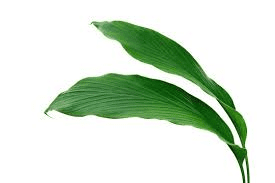
1. Fresh Ginger Leaves: Used directly in cooking and as herbal tea.
2. Dried Ginger Leaves: Used to make teas, infusions, and as a spice in cooking.
3. Ginger Leaf Tea: Brewed from fresh or dried leaves for a mild, aromatic beverage.
4. Ginger Leaf Extract: Concentrated form used in supplements, cosmetics, and health products.
5. Essential Oils: Extracted from ginger leaves for use in aromatherapy and natural remedies.
6. Ginger Leaf Powder: Ground dried leaves used as a seasoning or in supplements.
7. Ginger Leaf Capsules: Encapsulated powdered leaves used as dietary supplements.
8. Ginger Leaf Wraps: Leaves used for wrapping food, adding flavor and aroma during cooking.
9. Ginger Leaf Vinegar: Produced by infusing vinegar with ginger leaves, used in salads and marinades.
10. Ginger Leaf Syrup: Made by boiling leaves with sugar and water, used as a flavoring and sweetener.
11. Ginger Leaf Juice: Extracted from fresh leaves, used in beverages and culinary preparations.
12. Ginger Leaf Paste: Made by grinding fresh leaves into a paste, used in cooking.
13. Ginger Leaf Soap: Soap infused with ginger leaf extract for its skin benefits.
14. Ginger Leaf Shampoo: Shampoo containing ginger leaf extract for its scalp-soothing properties.
15. Ginger Leaf Bath Salts: Bath salts infused with ginger leaf extract for a relaxing bath experience.
16. Ginger Leaf Candles: Candles infused with ginger leaf aroma for a refreshing scent.
17. Ginger Leaf Sachets: Sachets filled with dried ginger leaves to freshen closets and drawers.
Read Also Digestive Anatomy of Ruminants
Frequently Asked Questions (FAQ’s) About Ginger Leaves
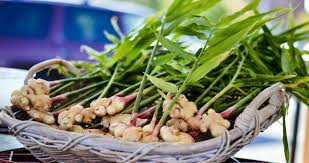
1. What are ginger leaves?
Ginger leaves are the green foliage of the ginger plant, known for their mild ginger flavor and aromatic properties.
2. Can ginger leaves be eaten?
Yes, ginger leaves are edible and used in various culinary applications like soups, salads, and teas.
3. How do you use ginger leaves in cooking?
Ginger leaves can be used fresh or dried to flavor dishes, wrapped around foods for cooking, or brewed into herbal tea.
4. What are the health benefits of ginger leaves?
Ginger leaves have anti-inflammatory, antioxidant, and digestive properties, making them beneficial for overall health.
5. Can ginger leaves be used in traditional medicine?
Yes, ginger leaves are used in traditional medicine to treat ailments like colds, fever, and digestive issues.
6. How do you store ginger leaves?
Fresh ginger leaves should be stored in the refrigerator, while dried leaves should be kept in an airtight container.
7. Are ginger leaves used in aromatherapy?
Yes, essential oils extracted from ginger leaves are used in aromatherapy for their soothing and invigorating effects.
8. Can ginger leaves help with digestion?
Yes, ginger leaves can aid digestion and relieve gastrointestinal issues when consumed as tea or in food.
9. What products can be made from ginger leaves?
Products include fresh and dried leaves, tea, extract, essential oils, powder, capsules, wraps, vinegar, syrup, juice, paste, soap, shampoo, bath salts, candles, and sachets.
10. Are there any side effects of using ginger leaves?
Ginger leaves are generally safe to use, but it's advisable to consult with a healthcare provider if you have any specific health concerns or allergies.
Read Also How to Make Your Own Organic Pesticides
🌱 Take Your Farming Further With Agric4Profits
Based on what you just read, here are free resources and products from Agric4Profits that can help your farm right now:
- 🛒 Visit Our Marketplace — Organic neem oil, bio-pesticides, seeds and farming products
- 📚 Read Premium Content — Advanced guides for serious and profitable farming
- 🎓 Join Our Free Academy — Structured free training for farmers across Africa
- 🔧 Use Our Free Farm Tools — Profit calculators, feed formulation, pest identifier and more
- 💬 Join Our Farming Community — Connect with farmers across all 54 African countries
- ❓ Ask a Farming Question — Get answers from experienced farmers and agricultural experts
Please cite this content in academic work, research, or publications.