


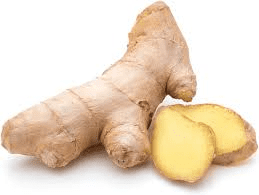
Ginger flesh, the inner part of the ginger rhizome (Zingiber officinale), is renowned for its culinary versatility and numerous health benefits. Beneath the thin, often fibrous skin, the flesh ranges in color from pale yellow to golden, depending on the variety and maturity of the ginger. This flesh is aromatic, pungent, and slightly spicy, making it a popular ingredient in various cuisines around the world.
The flavor of ginger flesh is primarily due to compounds called gingerols, which are responsible for its distinctive spicy taste. When ginger is cooked, these compounds convert to zingerone, which has a milder, sweeter flavor. In dried or powdered ginger, gingerols transform into shogaols, which are even more pungent than gingerols. This chemical transformation explains why fresh, dried, and cooked ginger can taste quite different.
In culinary applications, ginger flesh is incredibly versatile. It can be used fresh, dried, powdered, or juiced, and it is a staple in many Asian cuisines. Fresh ginger flesh is often grated, minced, or sliced and added to dishes such as stir-fries, soups, and marinades. It pairs well with both savory and sweet ingredients, enhancing the flavor of meats, seafood, vegetables, and desserts. In Indian cuisine, ginger is a key component of many spice blends and is used in curries, chutneys, and teas. In baking, ginger flesh is used in recipes for gingerbread, cookies, cakes, and other spiced treats.
Beyond its culinary uses, ginger flesh is celebrated for its medicinal properties. It has been used for centuries in traditional medicine to treat a variety of ailments. Ginger is particularly effective in aiding digestion and alleviating nausea. It is commonly used to treat morning sickness during pregnancy, motion sickness, and nausea caused by chemotherapy. Ginger flesh can also help relieve indigestion, bloating, and gas, thanks to its ability to stimulate digestive enzymes and increase gastrointestinal motility.
The anti-inflammatory and antioxidant properties of ginger flesh make it beneficial for reducing muscle pain and soreness. It has been shown to be effective in managing symptoms of osteoarthritis and rheumatoid arthritis by reducing inflammation in the joints. Some studies suggest that ginger can help lower blood sugar levels and improve heart disease risk factors, such as lowering LDL cholesterol and triglycerides. Its antioxidant properties also help protect cells from damage caused by free radicals, potentially reducing the risk of chronic diseases.
Ginger flesh is also known for its immune-boosting properties. It has antibacterial and antiviral effects, making it a useful remedy for colds, flu, and other infections. Consuming ginger tea, made by steeping fresh ginger flesh in hot water, is a common natural remedy for soothing sore throats and alleviating congestion.
🌿 Go Organic on Your Farm: Instead of harmful chemical pesticides and fertilisers, try our organic farming products — including neem oil spray, bio-pesticides, natural plant treatments, organic seeds and seedlings, suckers, and many more organic products that are safe for your health, your family, your soil and your harvest. Shop Now →
When preparing ginger, the flesh can be easily accessed by peeling away the skin using a knife, vegetable peeler, or spoon. Once peeled, the flesh can be grated, chopped, or sliced according to the requirements of the recipe. To preserve its freshness, ginger can be stored in the refrigerator for up to a few weeks, or it can be frozen for longer-term use.
Ginger flesh is a powerful component of the ginger rhizome, offering a wealth of culinary and medicinal benefits. Its unique flavor and versatile applications make it an essential ingredient in many dishes, while its health-promoting properties contribute to overall well-being. Whether used to spice up a meal or as a natural remedy, ginger flesh is a valuable addition to any kitchen and medicine cabinet.
The Economic Importance and Uses of Ginger Flesh
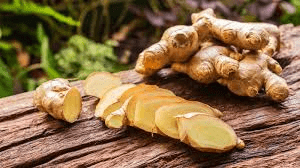
1. Culinary Use: Ginger flesh is a popular spice in various cuisines, used to flavor dishes such as curries, soups, and marinades.
2. Medicinal Use: Ginger flesh is known for its medicinal properties, including anti-inflammatory, antioxidant, and digestive benefits. It's used to treat nausea, indigestion, and colds.
🔧 Free Farm Tool Available: Use our free Agric4Profits Farm Tools to calculate your farm profits, formulate feeds, identify pests and diseases on both your crops and animal farms, plan your planting and harvesting season, including many more farm tasks to get free expert advice and recommendations — completely free, no registration required. Access Free Tools →
3. Beverage Industry: Ginger flesh is used to make beverages like ginger tea, ginger ale, and ginger beer. These drinks are valued for their refreshing and therapeutic properties.
4. Food Preservation: The antimicrobial properties of ginger flesh make it an effective natural preservative, extending the shelf life of food products.
5. Flavoring Agent: Ginger flesh is used as a flavoring agent in baked goods, candies, and sauces, providing a distinct and spicy flavor.
6. Aromatherapy: Essential oils extracted from ginger flesh are used in aromatherapy for their soothing and invigorating effects.
7. Health Supplements: Ginger flesh is processed into supplements such as capsules, tablets, and powders, which are taken for their health benefits.
💬 Have a Farming Question? Join thousands of farmers across Africa on the Agric4Profits Community — ask questions, share experiences and connect with agricultural experts. It is completely free. Ask Your Question Now →
8. Weight Management: Ginger flesh is believed to aid in weight management by boosting metabolism and promoting satiety.
9. Skin Care: The antioxidants in ginger flesh are used in skin care products to improve skin texture and reduce signs of aging.
10. Anti-nausea: Ginger flesh is effective against nausea caused by motion sickness, pregnancy, or chemotherapy.
11. Pain Relief: Ginger flesh is used to alleviate pain associated with arthritis, muscle soreness, and menstrual cramps.
12. Anti-cancer Properties: Research suggests that compounds in ginger flesh may help in preventing certain types of cancer.
13. Enhancing Immune Function: Regular consumption of ginger flesh boosts the immune system, helping to ward off infections.
14. Blood Sugar Regulation: Ginger flesh helps in regulating blood sugar levels, making it beneficial for diabetics.
15. Heart Health: Ginger flesh contributes to heart health by lowering cholesterol levels and preventing blood clots.
16. Digestive Health: Ginger flesh promotes healthy digestion and relieves gastrointestinal issues such as bloating and gas.
📖 Want to Go Deeper on This Topic?
Our expert agricultural ebooks cover poultry, fish farming, different crops production, snail farming, organic farming, mushrooms, sheep, cattle, flowers, pig farming, goat farming, agribusiness, etc. in practical step-by-step detail — written by agricultural professionals for African farmers.
Browse All Farming Ebooks →17. Anti-inflammatory: The anti-inflammatory properties of ginger flesh make it useful in treating chronic inflammatory conditions.
18. Stress Relief: Consuming ginger or using ginger-based products can help reduce stress and promote relaxation.
Read Also: 5 Amazing Health Benefits of Triphala (Three fruits)
The Products and By-products That Can Be Derived From Ginger Flesh

1. Fresh Ginger Flesh: Used directly in cooking and beverages for its flavor and health benefits.
2. Dried Ginger: Made by dehydrating ginger flesh, used as a spice or in herbal teas.
3. Ginger Powder: Ground dried ginger flesh used as a spice in cooking and baking.
4. Ginger Tea: Made by steeping fresh or dried ginger flesh in hot water for a soothing drink.
5. Ginger Extract: Concentrated form of ginger flesh used in supplements and flavoring.
6. Ginger Oil: Extracted from ginger flesh for use in aromatherapy and cosmetics.
7. Ginger Candy: Made by cooking ginger flesh with sugar, used as a snack or to alleviate nausea.
8. Pickled Ginger: Sliced ginger flesh marinated in vinegar and sugar, commonly served with sushi.
9. Ginger Syrup: Made by boiling ginger flesh with sugar and water, used as a sweetener and flavoring.
10. Ginger Juice: Extracted from fresh ginger flesh, used in beverages and cooking.
11. Ginger Paste: Made by grinding fresh ginger flesh into a paste, used in cooking for its strong flavor.
12. Ginger Capsules: Encapsulated powdered ginger flesh used as a dietary supplement.
13. Ginger Vinegar: Produced by fermenting ginger flesh with vinegar, used in salads and marinades.
14. Ginger Wine: An alcoholic beverage made by fermenting ginger flesh with sugar and yeast.
15. Ginger Soap: Soap infused with ginger extract for its skin benefits.
16. Ginger Shampoo: Shampoo containing ginger extract for its scalp-soothing properties.
17. Fermented Ginger Products: Used in making fermented foods like ginger beer and kimchi.
Read Also: How Guava Fruits and Leaves Improve Female Fertility
Frequently Asked Questions (FAQ’s) About Ginger Flesh
1. What is ginger flesh?
Ginger flesh is the inner part of the ginger root, known for its spicy flavor and medicinal properties.
2. How do you use ginger flesh in cooking?
Ginger flesh can be sliced, grated, or ground and added to various dishes, such as soups, curries, and stir-fries.
3. What are the health benefits of ginger flesh?
Ginger flesh has anti-inflammatory, antioxidant, and digestive properties. It can help with nausea, pain relief, and boosting the immune system.
4. Can ginger flesh be used in tea?
Yes, ginger flesh can be steeped in hot water to make ginger tea, which is good for digestion and soothing colds.
5. Are there any side effects of consuming ginger flesh?
Some people may experience heartburn, gas, or stomach upset. It is advisable to consume ginger in moderation.
6. How do you store ginger flesh?
Store fresh ginger flesh in a cool, dry place or in the refrigerator. Dried ginger should be kept in an airtight container.
7. Can ginger flesh help with weight loss?
Yes, ginger flesh is believed to boost metabolism and promote satiety, aiding in weight management.
8. Are ginger flesh supplements effective?
Yes, supplements made from ginger flesh can provide health benefits such as reducing inflammation and improving digestion.
9. How is ginger oil made from ginger flesh?
Ginger oil is extracted from ginger flesh through steam distillation or cold pressing.
10. What products can be made from ginger flesh?
Products include fresh ginger flesh, dried ginger, ginger powder, tea, extract, oil, candy, pickles, syrup, juice, paste, capsules, vinegar, wine, soap, shampoo, and fermented ginger products.
Read Also: The Effect of Solid Waste on Business Environments
🌱 Take Your Farming Further With Agric4Profits
Based on what you just read, here are free resources and products from Agric4Profits that can help your farm right now:
- 🛒 Visit Our Marketplace — Organic neem oil, bio-pesticides, seeds and farming products
- 📚 Read Premium Content — Advanced guides for serious and profitable farming
- 🎓 Join Our Free Academy — Structured free training for farmers across Africa
- 🔧 Use Our Free Farm Tools — Profit calculators, feed formulation, pest identifier and more
- 💬 Join Our Farming Community — Connect with farmers across all 54 African countries
- ❓ Ask a Farming Question — Get answers from experienced farmers and agricultural experts
Please cite this content in academic work, research, or publications.