


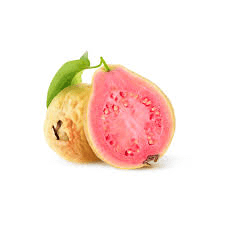
Guava flesh is the soft, juicy part of the guava fruit that surrounds the seeds. It is known for its unique flavor, which can range from sweet to tangy, and its fragrant aroma. The flesh of the guava is not only delicious but also highly nutritious, making it a popular choice for both fresh consumption and culinary uses around the world.
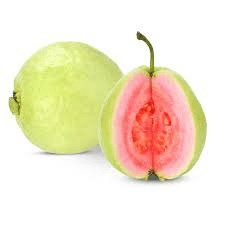
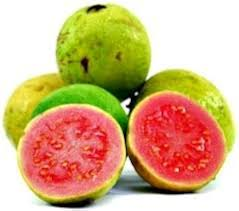
The color of guava flesh can vary depending on the variety of the fruit. Common colors include white, pink, yellow, and red. Each variety offers a slightly different taste and texture, but all are rich in essential nutrients. The flesh is often eaten raw, but it can also be used in a variety of dishes, including salads, desserts, juices, and jams.
One of the standout features of guava flesh is its impressive vitamin content. It is particularly high in vitamin C, with one guava providing more than double the recommended daily intake of this essential nutrient. Vitamin C is crucial for maintaining a healthy immune system, promoting skin health, and aiding in the absorption of iron from plant-based foods. Additionally, guava flesh is a good source of vitamin A, which supports vision, immune function, and skin health.
Guava flesh is also rich in dietary fiber, which is important for digestive health. The fiber helps regulate bowel movements, prevent constipation, and promote a healthy gut microbiome. This makes guava an excellent choice for those looking to improve their digestive health and maintain regularity. Moreover, the fiber content can help with weight management by promoting a feeling of fullness and reducing overall calorie intake.
In addition to vitamins and fiber, guava flesh contains several important minerals, including potassium, magnesium, and folate. Potassium helps regulate blood pressure and supports heart health, while magnesium is essential for muscle and nerve function. Folate is crucial for cell division and the formation of DNA, making it particularly important for pregnant women.
The antioxidant properties of guava flesh are another key benefit. It contains a variety of antioxidants, including vitamin C, carotenoids, and polyphenols, which help protect the body from oxidative stress and reduce the risk of chronic diseases. These antioxidants can help lower the risk of heart disease, cancer, and neurodegenerative conditions by neutralizing harmful free radicals in the body.
🌿 Go Organic on Your Farm: Instead of harmful chemical pesticides and fertilisers, try our organic farming products — including neem oil spray, bio-pesticides, natural plant treatments, organic seeds and seedlings, suckers, and many more organic products that are safe for your health, your family, your soil and your harvest. Shop Now →
Guava flesh also has anti-inflammatory properties, which can help reduce inflammation in the body and alleviate symptoms of conditions such as arthritis. Its antimicrobial properties can help protect against infections and support overall health. These properties make guava flesh a valuable addition to a healthy diet.
In culinary applications, guava flesh is highly versatile. It can be eaten fresh, added to fruit salads, or blended into smoothies. It is also used to make guava juice, a popular beverage in many tropical countries. Additionally, guava flesh can be cooked down into jams, jellies, and sauces, adding a sweet and tangy flavor to a variety of dishes.
In conclusion, guava flesh is a nutrient-rich and flavorful part of the guava fruit that offers numerous health benefits. Its high content of vitamins, fiber, antioxidants, and minerals makes it a valuable addition to a balanced diet. Whether enjoyed fresh or used in various culinary creations, guava flesh not only delights the palate but also supports overall health and well-being. Its unique combination of taste and nutrition continues to make it a popular choice in many cultures around the world.
The Economic Importance and Uses of Guava Flesh
1. Juice Production: Guava flesh is commonly used to produce guava juice, a popular and nutritious beverage.
🔧 Free Farm Tool Available: Use our free Agric4Profits Farm Tools to calculate your farm profits, formulate feeds, identify pests and diseases on both your crops and animal farms, plan your planting and harvesting season, including many more farm tasks to get free expert advice and recommendations — completely free, no registration required. Access Free Tools →
2. Food Industry Ingredient: It is used in various food products such as jams, jellies, sauces, and candies.
3. Fresh Consumption: Guava flesh is consumed fresh for its sweet flavor and high nutritional value.
4. Nutritional Supplements: Rich in vitamins A and C, guava flesh is used in the production of nutritional supplements.
5. Baby Food: Due to its high nutritional value and natural sweetness, guava flesh is a preferred ingredient in baby food products.
6. Bakery Products: Guava flesh is used in bakery products like cakes, pastries, and bread to add flavor and moisture.
💬 Have a Farming Question? Join thousands of farmers across Africa on the Agric4Profits Community — ask questions, share experiences and connect with agricultural experts. It is completely free. Ask Your Question Now →
7. Ice Cream and Sorbet: It is a popular flavor in ice cream, sorbet, and other frozen desserts.
8. Confectionery: Guava flesh is used in making various confectionery items like fruit bars and candies.
9. Beverages: Apart from juice, guava flesh is used in smoothies, shakes, and flavored water.
10. Health Drinks: It is an essential component in many health drinks and beverages due to its antioxidant properties.
11. Cosmetic Industry: The pulp is used in making cosmetic products like face masks and scrubs because of its skin-enhancing properties.
12. Preserves: Guava flesh is used to make preserves, which are used as spreads and fillings.
13. Culinary Uses: It is used in various culinary dishes, both savory and sweet, to add flavor and nutrition.
14. Nutraceuticals: Guava flesh is used in the nutraceutical industry for its health benefits and bioactive compounds.
15. Wine Production: Guava flesh is used in the production of guava wine, a niche alcoholic beverage.
📖 Want to Go Deeper on This Topic?
Our expert agricultural ebooks cover poultry, fish farming, different crops production, snail farming, organic farming, mushrooms, sheep, cattle, flowers, pig farming, goat farming, agribusiness, etc. in practical step-by-step detail — written by agricultural professionals for African farmers.
Browse All Farming Ebooks →16. Dietary Fiber Products: The high fiber content in guava flesh makes it suitable for dietary fiber supplements and products.
17. Flavoring Agent: Guava flesh is used as a natural flavoring agent in various food and beverage products.
18. Fermented Products: It is used to produce fermented products like guava vinegar and pickles.
Read Also: Importance of a Sick Bay in a Ruminant House
The Products and By-products That Can Be Derived From Guava Flesh
1. Guava Juice: Produced by extracting and processing the flesh.
2. Guava Jam: Made by cooking guava flesh with sugar and pectin.
3. Guava Jelly: A clear preserve made from guava flesh, sugar, and pectin.
4. Guava Sauce: Used as a condiment or marinade in cooking.
5. Guava Candy: Made by drying and processing the flesh with sugar.
6. Guava Ice Cream: Flesh is used as a primary flavoring ingredient in ice cream.
7. Guava Sorbet: A frozen dessert made from guava flesh, sugar, and water.
8. Guava Baby Food: Pureed guava flesh used as baby food.
9. Guava Smoothie: Blended drink made with guava flesh and other ingredients.
10. Guava Wine: Fermented beverage made from guava flesh.
11. Guava Nutritional Supplements: Pills or powders made from dehydrated guava flesh.
12. Guava Preserves: Thick, sweet spread made from guava flesh.
13. Guava Confectionery: Sweets made from guava flesh and sugar.
14. Guava Health Drinks: Beverages fortified with guava flesh for health benefits.
15. Guava Cosmetic Products: Face masks and scrubs made with guava flesh.
16. Guava Vinegar: Fermented product made from guava flesh.
17. Guava Pickles: Flesh used in the production of pickled guava.
Read Also: Stocking Management for Ruminant Animals
Frequently Asked Questions (FAQ’s) About Guava Flesh
1. What is guava flesh?
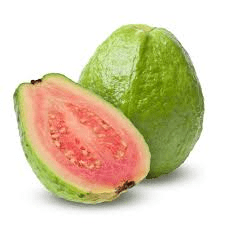
Guava flesh is the soft, juicy part of the guava fruit that is consumed fresh or processed for various uses.
2. How is guava flesh used in the food industry?
It is used to make juices, jams, jellies, sauces, candies, and various other food products.
3. Can guava flesh be used in baby food?
Yes, due to its nutritional benefits, it is a preferred ingredient in baby food products.
4. What are the health benefits of guava flesh?
Guava flesh is rich in vitamins A and C, antioxidants, and dietary fiber, making it beneficial for overall health.
5. How is guava flesh used in the cosmetic industry?
It is used in face masks, scrubs, and other skincare products for its skin-enhancing properties.
6. Can guava flesh be used in beverages?
Yes, it is used in juices, smoothies, shakes, health drinks, and even alcoholic beverages like guava wine.
7. What are the culinary uses of guava flesh?
It is used in both savory and sweet dishes to add flavor and nutrition.
8. Is guava flesh used in nutritional supplements?
Yes, due to its rich nutrient content, it is used in making nutritional supplements.
9. How does guava flesh benefit the digestive system?
Guava flesh is high in dietary fiber, which aids in digestion and improves gut health.
10. What fermented products can be made from guava flesh?
Products like guava vinegar and pickles can be made by fermenting guava flesh.
Read Also: The Impact of Inefficient Waste Management on Oceans
🌱 Take Your Farming Further With Agric4Profits
Based on what you just read, here are free resources and products from Agric4Profits that can help your farm right now:
- 🛒 Visit Our Marketplace — Organic neem oil, bio-pesticides, seeds and farming products
- 📚 Read Premium Content — Advanced guides for serious and profitable farming
- 🎓 Join Our Free Academy — Structured free training for farmers across Africa
- 🔧 Use Our Free Farm Tools — Profit calculators, feed formulation, pest identifier and more
- 💬 Join Our Farming Community — Connect with farmers across all 54 African countries
- ❓ Ask a Farming Question — Get answers from experienced farmers and agricultural experts
Please cite this content in academic work, research, or publications.