


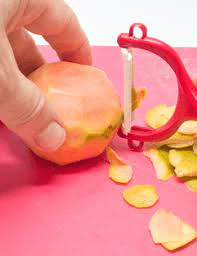
Guava peel, the outer layer of the guava fruit, is often overlooked, but it is packed with nutrients and potential health benefits. This thin, edible skin varies in color from green to yellow, depending on the variety and ripeness of the fruit. While some people prefer to remove the peel due to its slightly bitter taste, others consume it along with the flesh to maximize the nutritional intake.
One of the most notable features of guava peel is its high antioxidant content. The peel is rich in polyphenols, flavonoids, and carotenoids, which are compounds known for their ability to neutralize harmful free radicals in the body. These antioxidants help protect cells from damage, reduce inflammation, and lower the risk of chronic diseases such as heart disease, cancer, and neurodegenerative disorders. The antioxidant levels in the peel are often higher than in the flesh, making it a valuable part of the fruit.
Guava peel is also an excellent source of dietary fiber. Consuming the peel along with the flesh can significantly boost the fiber intake, aiding in digestion and promoting a healthy gut. The fiber in guava peel helps regulate bowel movements, prevent constipation, and maintain overall digestive health. Additionally, a high-fiber diet can contribute to weight management by promoting a feeling of fullness and reducing overall calorie consumption.
The peel of the guava is packed with vitamins and minerals, particularly vitamin C. In fact, the concentration of vitamin C in the peel is often higher than in the flesh. Vitamin C is essential for a robust immune system, healthy skin, and the absorption of iron from plant-based foods. Other vitamins found in the peel include vitamin A, which supports vision and skin health, and various B vitamins that are crucial for energy metabolism and overall health.
Minerals such as potassium, magnesium, and calcium are also present in guava peel. Potassium helps regulate blood pressure and supports cardiovascular health, while magnesium is necessary for muscle and nerve function. Calcium is vital for maintaining strong bones and teeth. These minerals contribute to the overall nutritional value of guava peel, making it a beneficial component of the diet.
In addition to its nutritional benefits, guava peel has been found to possess antimicrobial properties. Studies have shown that extracts from guava peel can inhibit the growth of certain bacteria and fungi, making it a natural option for supporting the body’s defense against infections. The peel's anti-inflammatory properties can also help reduce inflammation and alleviate symptoms of various inflammatory conditions.
🌿 Go Organic on Your Farm: Instead of harmful chemical pesticides and fertilisers, try our organic farming products — including neem oil spray, bio-pesticides, natural plant treatments, organic seeds and seedlings, suckers, and many more organic products that are safe for your health, your family, your soil and your harvest. Shop Now →
In culinary uses, guava peel can be consumed in several ways. For those who enjoy its slightly bitter taste, the peel can be eaten raw along with the flesh. It can also be blended into smoothies or juices to add extra nutrients. In some cultures, guava peel is used in cooking to enhance the flavor and nutritional content of dishes. It can be included in jams, jellies, and sauces, providing a unique taste and texture.
In conclusion, guava peel is a highly nutritious and beneficial part of the guava fruit that is often discarded. Rich in antioxidants, dietary fiber, vitamins, and minerals, the peel offers numerous health benefits, including improved digestion, enhanced immune function, and reduced inflammation. Whether eaten raw or used in various culinary preparations, guava peel is a valuable addition to a healthy diet. Its nutrient density and potential health properties make it an important component of the guava fruit that should not be overlooked.
The Economic Importance and Uses of Guava Peel

1. Nutritional Supplements: Guava peel is rich in dietary fiber, antioxidants, and vitamins, making it valuable for nutritional supplements.
2. Cosmetic Industry: Guava peel extract is used in skincare products due to its anti-aging and skin-brightening properties.
🔧 Free Farm Tool Available: Use our free Agric4Profits Farm Tools to calculate your farm profits, formulate feeds, identify pests and diseases on both your crops and animal farms, plan your planting and harvesting season, including many more farm tasks to get free expert advice and recommendations — completely free, no registration required. Access Free Tools →
3. Animal Feed: The peel is used as a nutrient-rich component in animal feed.
4. Biodegradable Plastics: Research is being conducted to use guava peel in the production of biodegradable plastics.
5. Dietary Fiber Products: The high fiber content in guava peel makes it suitable for dietary fiber supplements and products.
6. Traditional Medicine: Guava peel is used in traditional medicine for its purported health benefits, such as aiding digestion and improving skin health.
7. Food Industry: Dried and powdered guava peel is used as a food additive to enhance nutritional value and flavor.
💬 Have a Farming Question? Join thousands of farmers across Africa on the Agric4Profits Community — ask questions, share experiences and connect with agricultural experts. It is completely free. Ask Your Question Now →
8. Beverages: Guava peel is used in beverages for added flavor and nutritional benefits.
9. Nutraceuticals: The peel is used in the production of nutraceuticals for their health-promoting properties.
10. Biofuel Production: Research is exploring the potential of guava peel as a source for biofuel production.
11. Health Drinks: Guava peel is incorporated into health drinks for its nutritional benefits.
12. Natural Colorants: The peel is used as a natural colorant in food and cosmetic products.
13. Pectin Extraction: Guava peel is a good source of pectin, which is used as a gelling agent in food processing.
14. Anti-inflammatory Products: Guava peel is used in the production of anti-inflammatory products.
15. Weight Management: Due to its high fiber content, guava peel is included in weight management supplements.
16. Culinary Uses: Dried and ground guava peel is used as a spice or flavoring in various culinary dishes.
📖 Want to Go Deeper on This Topic?
Our expert agricultural ebooks cover poultry, fish farming, different crops production, snail farming, organic farming, mushrooms, sheep, cattle, flowers, pig farming, goat farming, agribusiness, etc. in practical step-by-step detail — written by agricultural professionals for African farmers.
Browse All Farming Ebooks →17. Composting: Guava peel residues are used in composting to improve soil fertility.
18. Environmental Conservation: The peel is studied for its potential in environmental conservation and sustainable agriculture practices.
Read Also: Goat Milk Production Complete Guide
The Products and By-products That Can Be Derived From Guava Peel

1. Guava Peel Extract: Used in cosmetic and skincare products for its anti-aging and skin-brightening properties.
2. Nutritional Supplements: Made from guava peel for their fiber, antioxidants, and vitamins.
3. Animal Feed: Guava peel is used as a nutrient-rich component in animal feed.
4. Biodegradable Plastics: Research is being conducted to develop biodegradable plastics from guava peel.
5. Dietary Fiber Products: High fiber content makes guava peel suitable for dietary fiber supplements.
6. Traditional Medicine: Used in traditional medicine for their health benefits.
7. Food Additives: Dried and powdered guava peel is used as a food additive to enhance nutritional value and flavor.
8. Health Drinks: Guava peel is incorporated into health drinks for its nutritional benefits.
9. Natural Colorants: The peel is used as a natural colorant in food and cosmetic products.
10. Pectin: Extracted from guava peel, used as a gelling agent in food processing.
11. Biofuel: Research is exploring guava peel as a source for biofuel production.
12. Anti-inflammatory Products: Guava peel is used in the production of anti-inflammatory products.
13. Weight Management Supplements: High fiber content makes them suitable for weight management products.
14. Culinary Spice: Dried and ground guava peel is used as a spice or flavoring in culinary dishes.
15. Compost: Guava peel residues are used to improve soil fertility through composting.
16. Nutraceuticals: Guava peel is used in the production of nutraceuticals.
17. Environmental Conservation Products: Guava peel is studied for its potential in sustainable agriculture practices.
Read Also: Worm Infestation on Ruminant Animals: Symptoms and Treatment
Frequently Asked Questions (FAQ’s) About Guava Peel

1. What is guava peel?
Guava peel is the outer skin of the guava fruit, rich in fiber, antioxidants, and vitamins.
2. Can guava peel be used in dietary supplements?
Yes, due to its high fiber content and nutritional benefits, it is used in dietary supplements.
3. How is guava peel used in the cosmetic industry?
Guava peel extract is used in skincare products for its anti-aging and skin-brightening properties.
4. Can guava peel be used in animal feed?
Yes, guava peel is a nutrient-rich component in animal feed.
5. What are the health benefits of guava peel?
Guava peel is rich in dietary fiber, antioxidants, and vitamins, aiding digestion and improving skin health.
6. How is guava peel used in the food industry?
Dried and powdered guava peel is used as a food additive to enhance nutritional value and flavor.
7. What products can be made from guava peel?
Products include guava peel extract, dietary supplements, animal feed, biodegradable plastics, and natural colorants.
8. Are guava peels beneficial for weight management?
Yes, their high fiber content makes them suitable for weight management supplements.
9. How is guava peel used in traditional medicine?
It is used for its purported health benefits, such as aiding digestion and improving skin health.
10. What is the potential of guava peel in environmental conservation?
The peel is studied for its potential in sustainable agriculture practices and improving soil fertility through composting.
Read Also: The Effect of Heat Stress on Animal Productivity
🌱 Take Your Farming Further With Agric4Profits
Based on what you just read, here are free resources and products from Agric4Profits that can help your farm right now:
- 🛒 Visit Our Marketplace — Organic neem oil, bio-pesticides, seeds and farming products
- 📚 Read Premium Content — Advanced guides for serious and profitable farming
- 🎓 Join Our Free Academy — Structured free training for farmers across Africa
- 🔧 Use Our Free Farm Tools — Profit calculators, feed formulation, pest identifier and more
- 💬 Join Our Farming Community — Connect with farmers across all 54 African countries
- ❓ Ask a Farming Question — Get answers from experienced farmers and agricultural experts
Please cite this content in academic work, research, or publications.