


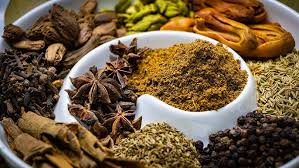
Masala spice is a special blend of herbs and spices that adds flavor to many dishes. People have been using masala spice for centuries to make their food taste better. It is a magical mixture of different ingredients that can turn a plain meal into a tasty delight.
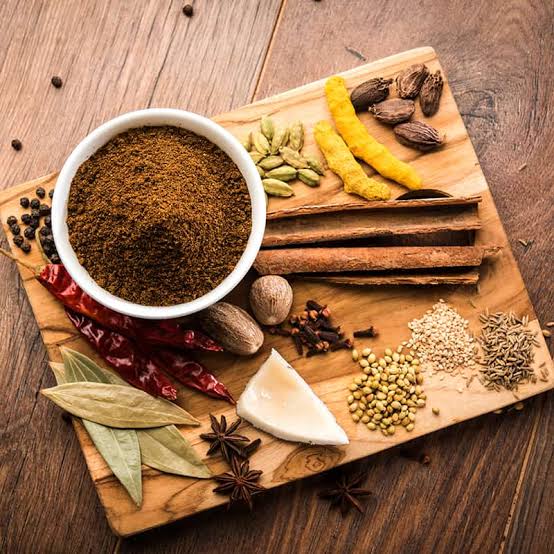
Masala spice is not just one single spice; it’s a combination of several spices, each contributing its unique taste and aroma. Some of the common spices found in masala spice include coriander, cumin, turmeric, cardamom, cinnamon, and cloves. These spices are carefully selected and mixed in specific proportions to create the perfect balance of flavors.
One of the great things about masala spice is its versatility. You can use it in a wide variety of dishes, from curries to soups to grilled meats. It can be used in both vegetarian and non-vegetarian cooking, making it a staple in many households around the world.
Making your own masala spice blend at home is also quite easy. All you need is a few basic spices, a mortar and pestle, and some patience. By grinding and mixing the spices yourself, you can tailor the masala to your own taste preferences. Some people like it spicier, while others prefer it milder – the choice is yours.
Masala spice doesn’t just enhance the flavor of your food; it also has some health benefits. Many of the spices commonly found in masala have antioxidant and anti-inflammatory properties. For example, turmeric, a key ingredient in many masala blends, is known for its anti-inflammatory properties. Cumin may aid in digestion, and cinnamon has been linked to potential blood sugar regulation.
In addition to its culinary and health benefits, masala spice has cultural significance in many regions. It plays a crucial role in Indian, Middle Eastern, and South Asian cuisines. Each culture has its own variation of masala spice, resulting in a diverse range of flavors and aromas.
When you cook with masala spice, your kitchen is filled with a delightful fragrance that can instantly transport you to far-off places. It’s like taking a culinary journey without leaving your home.
To sum it up, masala spice is a wonderful addition to any kitchen. Its rich history, versatile use, and health benefits make it a must-have in your spice cabinet. Whether you’re a seasoned chef or just starting to explore the world of cooking, using masala spice can elevate your dishes to a whole new level of deliciousness. So, don’t hesitate to experiment with this magical blend of flavors and discover the joy it can bring to your cooking.
Read Also: The Origins of the Apple Fruit
14 Health Benefits of Masala Spice
Here are 14 health benefits associated with the consumption of masala spice:
1. Anti-Inflammatory Properties: Many spices in masala, like turmeric and ginger, contain compounds that can help reduce inflammation, potentially benefiting those with inflammatory conditions.
2. Digestive Aid: Cumin, a common spice in masala, has been used traditionally to aid digestion and alleviate digestive discomfort.
3. Antioxidant Boost: Masala spices, such as cinnamon and cloves, are rich in antioxidants that can help protect cells from oxidative damage.
4. Weight Management: Some studies suggest that certain spices in masala, like black pepper, may help boost metabolism and aid in weight management.
5. Heart Health: Turmeric and cardamom in masala have been linked to heart-healthy benefits, including improved cholesterol levels and blood pressure regulation.
6. Blood Sugar Regulation: Cinnamon, a key component in masala, may help regulate blood sugar levels and improve insulin sensitivity.
7. Pain Relief: The anti-inflammatory properties of masala spices can offer relief from conditions associated with pain and inflammation.
8. Improved Immunity: Many masala spices, like garlic and ginger, contain compounds that can enhance the immune system, potentially reducing the risk of infections.
9. Respiratory Health: Certain spices in masala, including black pepper and cloves, have been used traditionally to alleviate respiratory issues like coughs and congestion.
10. Antibacterial Properties: Spices like garlic and cloves in masala have natural antibacterial properties that may help combat infections.
11. Brain Health: Curcumin, found in turmeric, has shown potential in supporting brain health and reducing the risk of neurodegenerative diseases.
12. Gut Health: Some spices in masala, like fennel and cardamom, can promote healthy gut flora and aid in digestion.
13. Reduced Risk of Cancer: The antioxidants in masala spices may help protect against cell damage and lower the risk of certain cancers.
14. Stress Reduction: Aromatic spices in masala, such as cloves and cardamom, can have calming effects and may help reduce stress and anxiety.
Scientific Evidence and Case Studies on Masala Spice
1. Digestive Transit Time: A study on healthy adult volunteers found that consuming garam masala with meals led to faster gastrointestinal transit compared to spice-free meals, reducing the risk of constipation and supporting natural detoxification.
2. Hepatic Detoxification: Research in mice showed that dietary garam masala at doses of 0.5% to 1.5% significantly altered levels of detoxication enzymes like glutathione S-transferase and cytochrome P-450, indicating potential chemopreventive effects on liver function.
3. Anticancer Activity: In a mouse model of DMBA-induced carcinogenesis, feeding pregnant and lactating mice garam masala reduced tumor incidence in offspring by up to 82%, lowering the mean number of tumors per affected mouse from 1.43 to 0.25 at higher doses.
4. Antioxidant Potency: Analysis of common garam masala spices like cinnamon ranked highest in antioxidant activity among 26 tested spices, with the blend enhancing overall free radical scavenging to combat oxidative stress and inflammation.
5. Anti-Inflammatory Support: Studies on garam masala components, including cardamom and cumin, demonstrated reduced inflammation markers in animal models, preserving gut barrier function and alleviating symptoms in colitis-like conditions.
Chai Masala
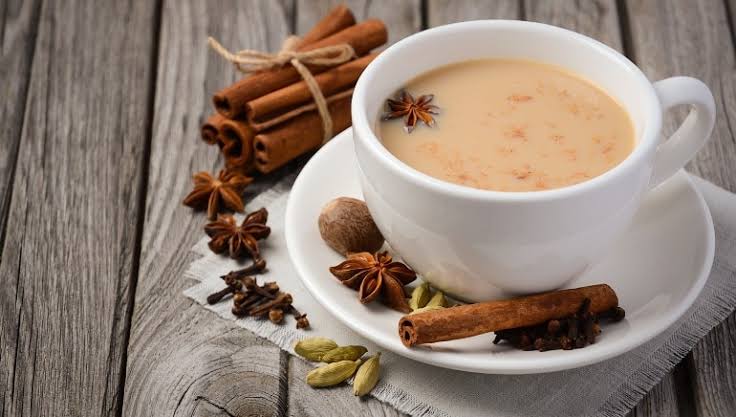
Chai Masala is a special mixture of spices that is used to enhance the taste of tea. It is a popular beverage in many parts of the world, especially in India, where it is known as “chai.” Chai Masala adds a unique and delicious flavor to tea, making it a favorite drink for people of all ages.
To make Chai Masala, you need a combination of aromatic spices like cinnamon, cardamom, cloves, ginger, and black pepper. These spices are carefully selected for their distinct flavors and health benefits.
Let’s take a closer look at each of these spices and their role in creating the perfect Chai Masala:
1. Cinnamon: Cinnamon adds a sweet and warm flavor to Chai Masala. It also has anti-inflammatory properties that can be beneficial for health.
2. Cardamom: Cardamom brings a hint of citrusy and minty freshness to the blend. It is known to aid digestion and promote overall well-being.
3. Cloves: Cloves contribute a strong and slightly spicy flavor to Chai Masala. They are also known for their antibacterial and antioxidant properties.
4. Ginger: Ginger provides a zesty and slightly spicy kick to Chai Masala. It is well-regarded for its digestive benefits and ability to soothe a sore throat.
5. Black Pepper: Black pepper adds a mild spiciness to the blend, balancing the sweetness of other spices. It also aids in digestion and can help improve metabolism.
To prepare Chai Masala, you simply mix these spices together in the right proportions. Some people like to grind them into a fine powder, while others prefer to use whole spices. You can adjust the quantity of each spice to suit your personal taste, making your Chai Masala unique to you.
To make a cup of Chai, you’ll need to brew a strong black tea, like Assam or Darjeeling tea. Add a pinch of Chai Masala to the boiling tea along with milk and sugar to taste. Let it simmer for a few minutes to allow the flavors to infuse. The result is a fragrant and delightful cup of Chai that warms your soul and awakens your senses.
Chai Masala is not just about its delicious taste; it also offers several health benefits. The spices in Chai Masala are known for their therapeutic properties. They can help improve digestion, boost the immune system, and provide relief from common cold symptoms. Additionally, the warmth of Chai can be quite comforting on a chilly day.
In addition, Chai Masala is a magical blend of spices that transforms an ordinary cup of tea into a flavorful and aromatic experience. Whether you enjoy it for its taste or its health benefits, Chai Masala is a beloved beverage that has stood the test of time. So, the next time you savor a cup of Chai, remember the delightful Chai Masala that makes it truly special.
Read Also: How to increase Passion Fruit Yields
Chaat Masala
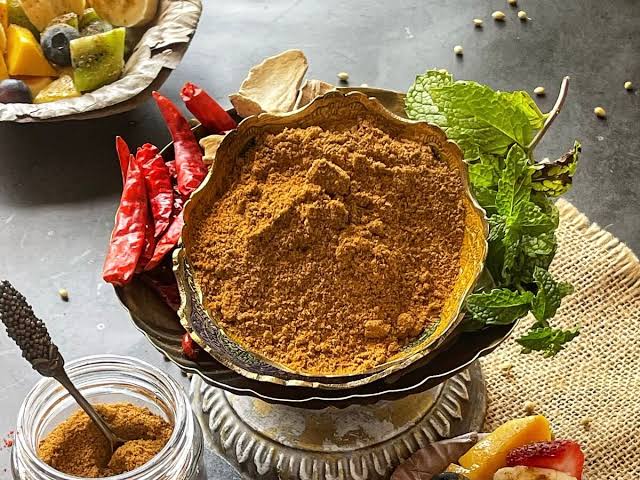
Chaat Masala is a flavorful and sweet spice blend that adds a burst of excitement to different types of Indian street foods and snacks. This powerful mixture of spices is a key ingredient in creating the irresistible flavors of chaat, a popular street food genre in India. Chaat Masala is known for its unique blend of sweet, sour, salty, and spicy flavors, making it a must-have condiment for anyone looking to recreate the vibrant taste of Indian street food at home.
The ingredients in Chaat Masala can vary slightly depending on regional preferences and individual recipes, but it typically includes a combination of the following spices:
1. Black Salt: Also known as kala namak, black salt provides a distinct sulfurous and slightly eggy flavor to Chaat Masala. It’s responsible for the characteristic “chaat” taste.
2. Cumin: Ground cumin adds earthiness and warmth to the blend, enhancing the overall aroma.
3. Coriander: Coriander powder contributes a citrusy and slightly sweet note, balancing the flavors.
4. Amchur (Dried Mango Powder): Amchur lends the tanginess that is essential to Chaat Masala’s taste profile.
5. Red Chili Powder: This spice adds heat and a touch of spiciness, but it can be adjusted to suit personal preferences.
6. Asafoetida (Hing): A pinch of asafoetida provides an umami-like depth to the blend.
7. Black Pepper: Black pepper offers a hint of spiciness that complements the other spices.
To make Chaat Masala, these spices are carefully combined in specific ratios to achieve the perfect balance of flavors. The result is a fine, aromatic powder that can be sprinkled generously over various street foods and snacks, such as bhel puri, pani puri, aloo tikki, and fruit chaat, to name just a few.
Chaat Masala is not only about its delectable taste but also its ability to awaken the taste buds. Its sweet, salty, and tangy notes make it a versatile seasoning that can be used in a variety of dishes beyond chaat. Some people even sprinkle it on fresh fruits like mangoes or pineapples to give them an extra zing.
In addition to its delicious taste, Chaat Masala is believed to aid digestion due to the presence of spices like cumin and black salt. It’s also known for its refreshing and cooling properties, making it a popular choice during hot summer days.
So, whether you’re exploring the vibrant world of Indian street food or looking to add an exciting twist to your homemade snacks, Chaat Masala is the secret ingredient that brings the authentic flavors of India’s bustling streets right to your plate. One taste, and you will get to understand why it is a beloved spice blend that’s cherished by food enthusiasts around the world.
Tandoori Masala
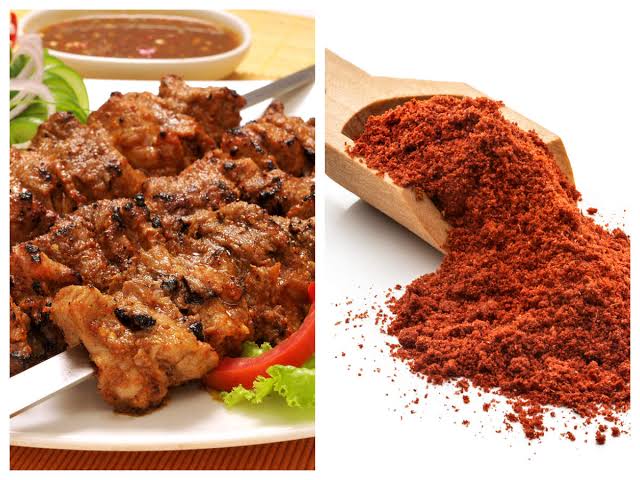
Tandoori Masala is a special spice blend used in Indian cooking. It is known for its rich and aromatic flavors that make dishes taste delicious. This masala mix is an essential ingredient in many Indian recipes, especially in the preparation of tandoori dishes.
Tandoori Masala is made up of a variety of spices like cumin, coriander, ginger, garlic, paprika, and garam masala. These spices are carefully blended to create a perfect balance of flavors. Some recipes might include yogurt or lemon juice to enhance the taste and create a tenderizing effect when used as a marinade.
One of the most popular uses of Tandoori Masala is in tandoori chicken. To make this dish, chicken pieces are marinated in a mixture of yogurt and Tandoori Masala. This marinade infuses the chicken with a burst of flavors and a beautiful reddish color. Then, the marinated chicken is cooked in a tandoor, a traditional clay oven, which gives it a smoky and charred taste that’s simply irresistible.
Tandoori Masala isn’t limited to chicken; it can be used with other meats like lamb, fish, or even vegetables. It’s versatile and can be adapted to various preferences. You can adjust the level of spiciness by adding more or less masala, making it suitable for everyone from spice lovers to those who prefer milder flavors.
Aside from tandoori dishes, Tandoori Masala is also used in various Indian curries and stews. It adds depth and complexity to these dishes, making them more flavorful and aromatic. Additionally, it can be used as a seasoning for roasted vegetables or sprinkled on snacks like popcorn or roasted nuts for a unique twist.
Making your own Tandoori Masala at home is simple and allows you to customize the blend to your liking. You can experiment with different proportions of spices to achieve your preferred flavor profile. This homemade masala can be stored in an airtight container and used whenever you want to add that special Indian flair to your dishes.
Frequently Asked Questions About Masala Spice
1. What is masala spice? Masala spice, often referring to garam masala, is a warming blend of ground spices like cumin, coriander, cardamom, cinnamon, cloves, and black pepper, essential in Indian cooking for flavor and aroma.
2. What are the main ingredients in garam masala? Typical ingredients include cumin seeds, coriander seeds, black peppercorns, cardamom pods, cinnamon sticks, cloves, and sometimes nutmeg or bay leaves, varying by regional recipes.
3. What health benefits does masala spice offer? It aids digestion, provides antioxidants to fight inflammation, supports blood sugar control, boosts immunity, and may have anticancer properties due to its spice compounds.
4. How do you use masala spice in cooking? Add it towards the end of cooking curries, stews, or grilled meats to preserve flavor; use 1-2 teaspoons per dish, or mix into rice, soups, or marinades for warmth.
5. Is masala spice good for digestion? Yes, its carminative spices like cumin and fennel stimulate digestive enzymes, reduce bloating, and speed up transit time, as shown in human studies.
6. Can masala spice help with blood sugar control? Components like cinnamon in garam masala have been linked to lower blood glucose levels and improved insulin sensitivity in multiple studies on diabetics.
7. Are there side effects of masala spice? In moderation, it’s safe, but excess may cause mouth irritation, skin rashes, or digestive upset in sensitive individuals; avoid high doses if pregnant or on blood-thinning medications.
8. How should masala spice be stored? Keep in an airtight container in a cool, dark place to retain potency for up to six months; avoid moisture to prevent clumping.
9. Can you make your own masala spice? Yes, toast whole spices like cumin, coriander, and cardamom, then grind with cinnamon and cloves; adjust ratios for mild or spicy versions.
10. Is masala spice suitable for vegetarians? Absolutely, it’s a plant-based blend with no animal products, ideal for enhancing vegan curries, lentils, or vegetable dishes.
Do you have any questions, suggestions, or contributions? If so, please feel free to use the comment box below to share your thoughts. We also encourage you to kindly share this information with others who might benefit from it. Since we can’t reach everyone at once, we truly appreciate your help in spreading the word. Thank you very much for your support and for sharing!
Disclaimer: This article is for educational and informational purposes only. The health benefits described are based on scientific research and traditional knowledge. They are not a substitute for professional medical advice, diagnosis, or treatment. Always consult a healthcare professional before using any herb or natural remedy for medical purposes.
Read Also: A Comprehensive Guide to Recycling Future Trends
Read Also: Walters Recycling Services Complete Guide