


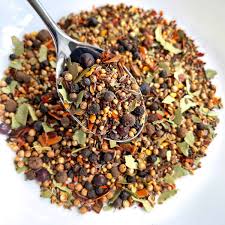
Pickling Spice is a special type or blend of herbs and spices mixed together that is normally used to add flavor to pickled foods. It is an essential ingredient in the art of pickling, which is a way to preserve fruits and vegetables by immersing them in a vinegar or brine solution. Pickling spice is like a secret ingredient that makes pickles taste tangy and delicious. Pickling is a food preservation technique that has been used for centuries to extend the shelf life of various foods, enhance their flavors, and create unique taste experiences.
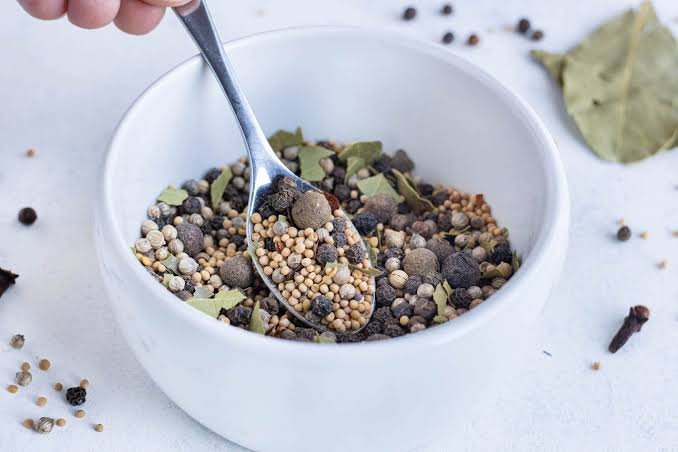
The main ingredients in pickling spice include cloves, allspice, mustard seeds, coriander seeds, and bay leaves. These ingredients are dried and ground into a fine powder or combined as whole seeds, depending on the recipe. Each of these elements contributes its own unique flavor and aroma to the pickling process.
Cloves, for example, provide a warm and sweet flavor, while allspice adds a hint of pepperiness and sweetness. Mustard seeds bring a mild, tangy taste, and coriander seeds offer a citrusy and slightly nutty note. Bay leaves impart a subtle herbal essence. These spices work together to create a balanced and complex flavor profile that enhances the taste of the pickled food.
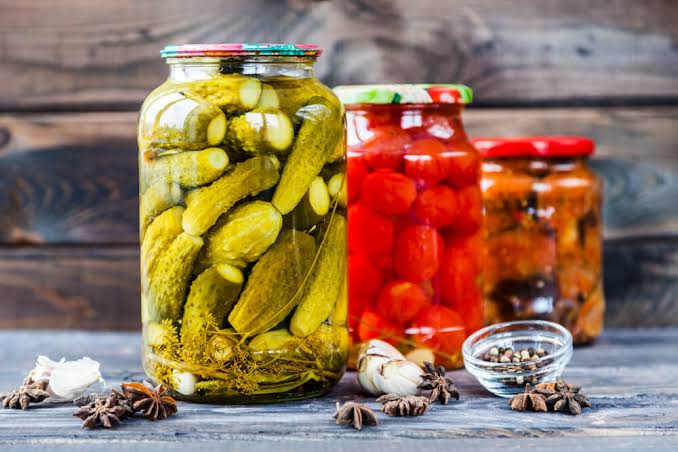
When making pickles, the pickling spice is typically added to the pickling liquid, which is a mixture of vinegar, water, salt, and sugar. The spices infuse their flavors into the liquid, which is then poured over the fruits or vegetables to be pickled. As the pickles sit in this flavorful bath, they absorb the essence of the spices and develop their distinctive taste.
Pickling spice is not limited to cucumbers alone; it can be used to pickle a wide variety of vegetables, including carrots, cauliflower, onions, and peppers. Some people even use it to flavor pickled fruits like peaches and pears. The versatility of pickling spice makes it a handy ingredient for preserving the harvest and creating tasty snacks and condiments.
In addition to its role in pickling, pickling spice can also be used in cooking. It adds a burst of flavor to dishes like pot roasts, stews, and soups. Just a pinch of pickling spice can elevate the taste of these hearty meals, making them even more satisfying.
However, pickling spice is a wonderful and versatile ingredient that plays a crucial role in the world of pickling. Its combination of cloves, allspice, mustard seeds, coriander seeds, and bay leaves imparts a complex and delightful flavor to pickled foods.
Whether you’re making traditional dill pickles or experimenting with pickled vegetables and fruits, pickling spice is your ticket to creating delicious and tangy treats. So, the next time you embark on a pickling adventure, don’t forget to include this essential spice blend in your recipe for a truly mouthwatering experience.
Read Also: Boa Constrictors: Facts, Habitat, Reproduction & More
15 Health Benefits of Pickling Spice
Here are some potential health benefits associated with the use of pickling spice:
1. Antioxidant Boost: Pickling spice contains herbs and spices like coriander seeds, which are rich in antioxidants that help protect your cells from damage caused by free radicals.
2. Improved Digestion: Some ingredients in pickling spice, like ginger and dill, may aid digestion and alleviate stomach discomfort.
3. Reduced Inflammation: Spices such as turmeric and cloves in pickling spice have anti-inflammatory properties that may help reduce inflammation in the body.
4. Enhanced Heart Health: Garlic and cinnamon in pickling spice have been linked to heart health by potentially reducing blood pressure and cholesterol levels.
5. Weight Management: The spicy kick from ingredients like red pepper flakes may boost metabolism and aid in weight management.
6. Immune Support: The immune system can benefit from the antioxidants and vitamins found in pickling spice ingredients like bay leaves and mustard seeds.
7. Blood Sugar Regulation: Cinnamon, a component of pickling spice, may help regulate blood sugar levels, making it beneficial for people with diabetes.
8. Antimicrobial Properties: Some spices in pickling spice, like cloves, may possess antimicrobial properties, aiding in the prevention of infections.
9. Bone Health: Calcium-rich spices like mustard seeds in pickling spice can contribute to strong and healthy bones.
10. Respiratory Health: The combination of spices in pickling spice may help alleviate respiratory issues and congestion due to their expectorant properties.
11. Stress Reduction: Certain herbs in pickling spice, such as bay leaves, may have calming effects and help reduce stress and anxiety.
12. Improved Circulation: Ingredients like cloves may support better blood circulation and overall cardiovascular health.
13. Anti-Nausea: Ginger in pickling spice is known for its anti-nausea properties and may help relieve motion sickness or morning sickness.
14. Skin Health: Antioxidants in pickling spice can contribute to healthy and radiant skin by fighting signs of aging and skin damage.
15. Appetite Control: The spiciness of pickling spice may help curb cravings and reduce overeating.
Scientific Evidence and Case Studies on Pickling Spice
1. Antioxidant Activity: Spices like mustard seeds, coriander, and allspice in pickling spice contain high levels of antioxidants, such as quercetin and phenolic compounds, which reduce oxidative stress, as shown in in vitro assays.
2. Antimicrobial Properties: Ingredients like cloves, bay leaves, and black pepper exhibit strong antibacterial effects against pathogens like Listeria and E. coli, enhancing food preservation, as validated in microbial studies.
3. Anti-Inflammatory Effects: Turmeric and ginger in some pickling blends reduce inflammation by inhibiting pro-inflammatory cytokines, with clinical trials showing benefits for joint health.
4. Digestive Health Support: Coriander and fennel seeds in pickling spice stimulate digestive enzyme secretion, improving gut motility and reducing bloating, as evidenced in studies on spice-rich diets.
5. Blood Sugar Regulation: Cinnamon and fenugreek in certain pickling spice blends improve insulin sensitivity, with trials indicating lower fasting glucose levels in prediabetic individuals.
Read Also: 9 Rare Interesting Facts About King Cobras
Where to Find the Pickling Spice near Me/You
You can find pickling spice in various places, both online and in physical stores. Here are some common places where you can locate pickling spice:
1. Grocery Stores: Most well-stocked grocery stores, especially those with a spice section, carry pickling spice. Look in the spice aisle or the section dedicated to canning and pickling supplies.
2. Online Retailers: Websites like Amazon, Walmart, and specialty food stores often offer a wide selection of pickling spice brands. You can order them online and have them delivered to your doorstep.
3. Farmers’ Markets: Some local farmers’ markets or specialty food markets may sell pickling spice blends, especially during the summer and fall when there’s an abundance of fresh produce for pickling.
4. Local Spice Shops: Specialty spice shops or stores that sell herbs and spices in bulk may carry pickling spice blends. These shops often offer high-quality and unique spice blends.
5. Canning Supply Stores: Stores that specialize in canning and preserving supplies are likely to have pickling spice as well as other ingredients needed for pickling.
6. Health Food Stores: Some health food stores carry organic or natural versions of pickling spice blends that may be free from additives or preservatives.
7. Online Spice Retailers: There are online retailers that specialize in selling spices and spice blends. You can explore these websites for a wide variety of pickling spice options.
8. Local Co-ops: Food cooperatives and co-op stores often carry spices and herbs, including pickling spice blends.
Frequently Asked Questions About Pickling Spice
1. What is pickling spice? Pickling spice is a blend of whole or crushed spices, including mustard seeds, coriander, allspice, cloves, and bay leaves, used to flavor pickled vegetables, meats, or fruits.
2. What are the main ingredients in pickling spice? Typical ingredients include mustard seeds, coriander, black peppercorns, allspice, cloves, bay leaves, and sometimes cinnamon, ginger, or red chili flakes.
3. What are the health benefits of pickling spice? It offers antioxidant, antimicrobial, anti-inflammatory, and digestive benefits, supporting gut health, immunity, and blood sugar regulation.
4. How is pickling spice used in cooking? Add 1-2 tablespoons to pickling brine for cucumbers, onions, or beets; it can also flavor soups, stews, or braised meats.
5. Can pickling spice be used for non-pickling recipes? Yes, it enhances roasted vegetables, marinades, or spice rubs for meats, adding a warm, tangy flavor.
6. Is pickling spice spicy? It’s generally mild, with a balanced flavor, but blends with chili flakes or black pepper can add slight heat, depending on the mix.
7. How should pickling spice be stored? Keep in an airtight container in a cool, dark place to maintain potency for up to 6-12 months.
8. Can you make pickling spice at home? Yes, combine whole spices like mustard seeds, coriander, allspice, cloves, and bay leaves; adjust ratios to taste and store sealed.
9. Is pickling spice gluten-free? Most blends are naturally gluten-free, but check commercial mixes for additives or cross-contamination risks.
10. Does pickling spice contain salt? Traditional pickling spice is salt-free, focusing on herbs and spices, but always check labels on store-bought blends for added salt.
Do you have any questions, suggestions, or contributions? If so, please feel free to use the comment box below to share your thoughts. We also encourage you to kindly share this information with others who might benefit from it. Since we can’t reach everyone at once, we truly appreciate your help in spreading the word. Thank you very much for your support and for sharing!
Disclaimer: This article is for educational and informational purposes only. The health benefits described are based on scientific research and traditional knowledge. They are not a substitute for professional medical advice, diagnosis, or treatment. Always consult a healthcare professional before using any herb or natural remedy for medical purposes.