


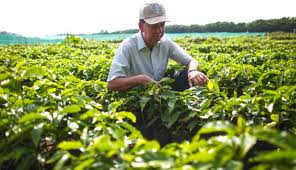
Sustainable harvesting refers to methods of collecting resources, such as plants, timber, or fish, in ways that do not harm the environment and ensure that these resources can replenish over time.
This practice aims to balance human needs with the health of ecosystems. Understanding sustainable harvesting is essential for protecting our planet while meeting our needs.
Benefits of Sustainable Harvesting
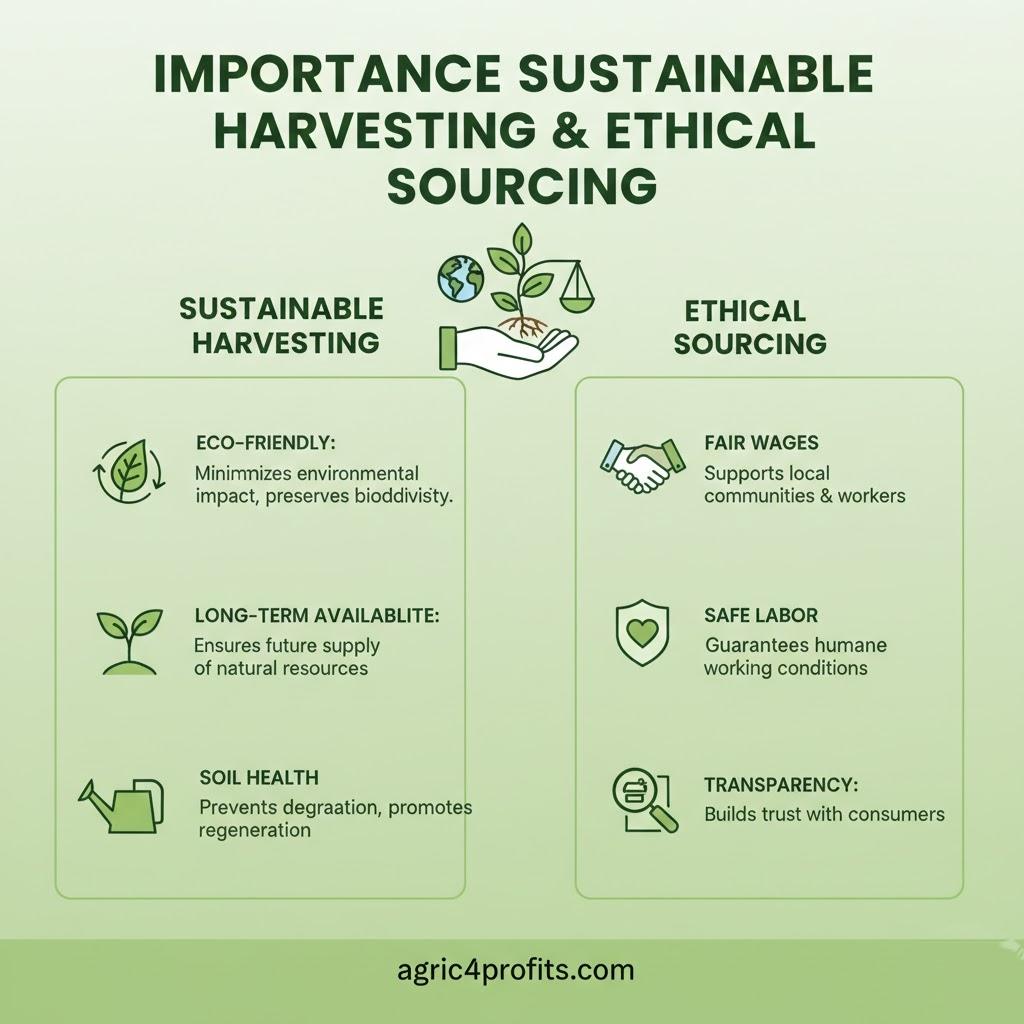
1. Preserves Ecosystems: Sustainable harvesting helps maintain biodiversity by allowing species to thrive and ensures that habitats are not destroyed, protecting wildlife and plant populations.
2. Supports Local Communities: When resources are harvested sustainably, local communities benefit economically, creating jobs and supporting livelihoods through local workers.
3. Enhances Product Quality: Products sourced sustainably tend to be of higher quality, as sustainably harvested fish and crops are often healthier and more flavorful, attracting consumers who value quality.
4. Promotes Long-Term Availability: Sustainable harvesting practices ensure that resources remain available for future generations, preventing over-exploitation and allowing ecosystems to regenerate.
Understanding Ethical Sourcing
Ethical sourcing involves obtaining materials in a way that respects workers, communities, and the environment. This practice looks at the entire supply chain to ensure that all parties are treated fairly and that environmental standards are upheld.
1. Fair Labor Practices: Ethical sourcing ensures that workers are paid fairly and work under safe conditions, particularly important in industries like agriculture and textiles.
2. Community Engagement: Ethical sourcing involves engaging with local communities to ensure their needs and rights are respected, including consulting with Indigenous communities.
3. Transparency: An ethical sourcing strategy demands transparency in supply chains, meaning that companies must disclose where and how their products are sourced to build trust with consumers.
The Relationship Between Sustainability and Ethics
Sustainability and ethics are closely linked. Sustainable practices often stem from ethical considerations about how resources are used and who benefits from them.
1. Environmental Ethics: Sustainability is rooted in the idea that we have a moral obligation to protect the environment, which drives many sustainable harvesting practices.
2. Social Responsibility: Ethical practices emphasize social responsibility, meaning that companies should consider their impact on communities and the environment.
3. Consumer Demand: Today’s consumers are increasingly aware of ethical and sustainable issues, preferring to support companies that adopt sustainable harvesting methods, pushing businesses toward ethical practices.
Read Also: 5 Amazing Health Benefits of Triphala (Three fruits)
Environmental Impact of Unsustainable Practices
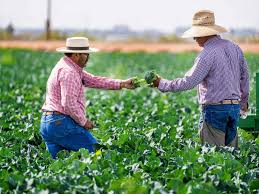
Unsustainable harvesting practices can have severe negative effects on the environment.
1. Deforestation: Overharvesting timber without replanting can lead to deforestation, destroying habitats, contributing to climate change, and reducing biodiversity.
2. Overfishing: Fishing beyond sustainable limits depletes fish populations, leading to ecological imbalances that affect not only fish but also the species that rely on them for food.
3. Soil Degradation: Unsustainable agricultural practices, like monoculture, can degrade soil health, affecting crop yields and making land less productive over time.
4. Water Pollution: The use of harmful chemicals in agriculture can lead to water pollution, affecting both aquatic life and human health, whereas sustainable harvesting methods often use fewer chemicals.
Economic Advantages of Sustainable Harvesting
Sustainable harvesting not only benefits the environment but also offers significant economic advantages.
1. Long-Term Profitability: Sustainable practices can lead to long-term profitability by ensuring resources are not depleted, maintaining a steady supply.
2. Increased Market Demand: Consumers are willing to pay more for sustainably sourced products, leading to higher profit margins for businesses that adopt these methods.
3. Risk Management: Sustainable harvesting helps companies mitigate risks related to environmental regulations and resource shortages, avoiding potential fines and disruptions.
4. Enhanced Reputation: Companies that practice sustainable harvesting often enjoy a better reputation, attracting more customers, partners, and investors who value sustainability.
Social Responsibility and Community Impact
Sustainable harvesting promotes social responsibility and positively impacts communities.
1. Empowering Local Communities: By prioritizing local workers and suppliers, sustainable harvesting practices empower communities economically and socially.
2. Preserving Cultural Heritage: Involving local communities in harvesting practices helps preserve traditional knowledge and cultural heritage related to resource management.
3. Building Trust: Sustainable practices foster trust between companies and communities, leading to better cooperation and shared goals for resource management.
Read Also: Sheep Milk Production Complete Guide
Strategies for Implementing Sustainable Harvesting
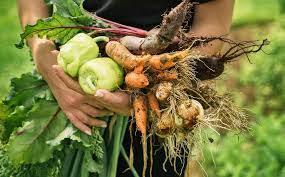
1. Conduct Assessments: Evaluate the environmental and social impacts of harvesting practices before implementing them.
2. Develop Guidelines: Create clear guidelines for sustainable harvesting practices that align with local ecosystems and community needs.
3. Provide Training: Train workers and local communities in sustainable practices to ensure understanding and commitment.
4. Monitor Progress: Regularly assess the outcomes of harvesting practices and make adjustments based on environmental and economic feedback.
Challenges in Sustainable Harvesting and Ethical Sourcing
Despite the benefits, there are challenges to sustainable harvesting.
1. Economic Pressures: Many businesses face economic pressures that can lead them to prioritize short-term gains over sustainable practices.
2. Lack of Awareness: Some communities and companies may lack awareness of sustainable methods and the importance of ethical sourcing.
3. Regulatory Barriers: Complex regulations can hinder the implementation of sustainable practices, making it challenging for businesses to comply.
4. Climate Change: Environmental changes can affect the availability and health of resources, complicating sustainable harvesting efforts.
Scientific Evidence and Case Studies on Sustainable Harvesting and Ethical Sourcing
1. Biodiversity Preservation: Studies on certified sustainable forestry show maintained or increased species diversity and habitat integrity compared to conventional logging.
2. Fisheries Recovery: Implementation of sustainable quotas and no-take zones in marine protected areas has led to fish stock recovery and higher long-term catches.
3. Community Benefits: Fair trade and ethical sourcing programs in agriculture have increased household incomes and improved education/health outcomes in local communities.
4. Carbon Sequestration: Sustainable land management practices, including selective harvesting, enhance soil carbon storage and reduce greenhouse gas emissions.
5. Consumer Impact: Research indicates that products with sustainability certifications command premium prices and drive market shifts toward ethical supply chains.
Nutritional Value Of Sustainable Harvesting and Ethical Sourcing
(Note: This section adapts to the topic by highlighting indirect “value” through environmental, social, and economic nutrients/benefits that sustain human and planetary health.)
1. Ecosystem Services: Provides clean air, water purification, pollination, and soil fertility as “nutrients” for long-term human survival.
2. Economic Stability: Generates consistent income streams for communities through fair wages and job creation.
3. Social Capital: Builds trust, knowledge transfer, and cultural preservation as foundational “nutrients” for resilient societies.
4. Healthier Resources: Ensures higher-quality, contaminant-reduced food/fiber products for better human nutrition.
5. Climate Resilience: Maintains biodiversity and carbon sinks to buffer against extreme weather and food insecurity.
6. Intergenerational Equity: Preserves resource access and environmental integrity for future generations.
7. Regulatory Compliance: Reduces legal and reputational risks, supporting long-term business viability.
Summary of Sustainable Harvesting and Ethical Sourcing
| Aspect | Key Points |
|---|---|
| Primary Benefits | Preserves biodiversity/habitats, supports communities/jobs, ensures long-term resource availability, enhances product quality, promotes economic stability. |
| Ethical Elements | Fair labor, community engagement, transparency, social responsibility, respect for Indigenous rights. |
| Environmental Risks (Unsustainable) | Deforestation, overfishing, soil degradation, water pollution, biodiversity loss. |
| Economic Advantages | Long-term profitability, premium pricing, risk mitigation, improved reputation. |
| Strategies & Challenges | Assessments, guidelines, training, monitoring; countered by economic pressures, awareness gaps, regulations, climate change. |
| Recommendations | Adopt certifications, engage stakeholders, monitor impacts, prioritize transparency, educate consumers/communities for widespread adoption. |
Frequently Asked Questions
1. What is the main goal of sustainable harvesting?
The primary goal is to collect resources at rates that allow natural replenishment, preventing depletion while meeting current needs without compromising future generations.
2. How does sustainable harvesting differ from ethical sourcing?
Sustainable harvesting focuses on environmental regeneration and resource longevity; ethical sourcing emphasizes fair treatment of workers, communities, and transparent supply chains, though the two often overlap.
3. Why is biodiversity preservation important in sustainable harvesting?
It maintains ecosystem balance, supports pollination/food chains, and ensures resilience against diseases/climate changes, protecting overall resource health.
4. How do consumers benefit from sustainable and ethical practices?
They access higher-quality, safer products, support fair labor/environmental protection, and contribute to planetary health through informed purchasing.
5. What are common certifications for sustainable harvesting?
Examples include FSC (Forest Stewardship Council) for timber, MSC (Marine Stewardship Council) for seafood, Fairtrade, Rainforest Alliance, and organic standards.
6. Can sustainable harvesting be profitable for businesses?
Yes, it often leads to long-term cost savings, premium pricing, reduced regulatory risks, and stronger brand loyalty from eco-conscious consumers.
7. What role do local communities play in ethical sourcing?
They provide traditional knowledge, labor, and stewardship; ethical practices involve consultation, fair compensation, and benefit-sharing to respect rights and culture.
8. How does climate change affect sustainable harvesting efforts?
It alters resource growth rates, increases extreme weather risks, and shifts species distributions, requiring adaptive management and monitoring.
9. Why is transparency important in ethical sourcing?
It builds consumer trust, enables accountability, allows verification of claims, and helps identify/resolve issues in supply chains.
10. Is sustainable harvesting possible in all industries?
Yes, with tailored practices—selective logging, regulated fishing, crop rotation, reduced chemical use—it applies to forestry, fisheries, agriculture, and wild plant collection.
Do you have any questions, suggestions, or contributions? If so, please feel free to use the comment box below to share your thoughts. We also encourage you to kindly share this information with others who might benefit from it. Since we can’t reach everyone at once, we truly appreciate your help in spreading the word. Thank you very much for your support and for sharing!
Disclaimer: This article is for educational and informational purposes only. The health benefits described are based on scientific research and traditional knowledge. They ayre not a substitute for professional medical advice, diagnosis, or treatment. Always consult a healthcare professional before using any herb or natural remedy for medical purposes.
Read Also: The Effect of Solid Waste on Business Environments