


Oat stalks, also known as oat straw, are the fibrous stems of the oat plant that remain after the grain has been harvested. These stalks play a significant role in the life cycle of the oat plant and offer numerous benefits both agriculturally and industrially.
In the field, oat stalks serve several vital functions during the growth of the oat plant. They provide structural support, enabling the plant to stand upright and reach towards sunlight, which is essential for photosynthesis.
The height and robustness of the stalks help in preventing lodging, a condition where the plant bends over and can be damaged by wind or rain. By keeping the plant upright, the stalks ensure better air circulation around the leaves and grain heads, reducing the likelihood of fungal diseases.
The composition of oat stalks primarily includes cellulose, hemicellulose, and lignin. These components give the stalks their rigidity and strength. Cellulose provides the primary structural framework, hemicellulose adds flexibility, and lignin acts as a binding agent that enhances durability. This composition makes oat stalks resilient and able to withstand various environmental stresses.
After the oat grain is harvested, the remaining stalks, or oat straw, have several practical uses. In agriculture, oat straw is often used as animal bedding. Its absorbent nature makes it ideal for maintaining dry and comfortable conditions for livestock, which helps in preventing the spread of disease and enhancing animal welfare.
Additionally, oat straw can be fed to livestock, particularly ruminants like cattle and sheep, as it provides roughage that aids in digestion.
🌿 Go Organic on Your Farm: Instead of harmful chemical pesticides and fertilisers, try our organic farming products — including neem oil spray, bio-pesticides, natural plant treatments, organic seeds and seedlings, suckers, and many more organic products that are safe for your health, your family, your soil and your harvest. Shop Now →
Oat straw also has significant value as a soil amendment. When tilled back into the soil, it adds organic matter, improving soil structure, aeration, and water retention. This practice enhances soil fertility and promotes healthier plant growth. As a mulch, oat straw helps suppress weeds, retain soil moisture, and protect plants from extreme temperatures. It gradually decomposes, enriching the soil with nutrients over time.
In the realm of sustainable and eco-friendly practices, oat stalks are increasingly being utilized in various industrial applications. One such application is in the production of biofuels. Oat straw can be converted into bioethanol through processes like fermentation and gasification. This renewable energy source provides an alternative to fossil fuels, contributing to efforts to reduce greenhouse gas emissions and combat climate change.
Oat straw is also used in the production of biodegradable materials. The cellulose fibers extracted from oat stalks can be processed into paper, cardboard, and other packaging materials. These biodegradable products are environmentally friendly and help reduce reliance on plastic, addressing concerns about plastic pollution.
In construction, oat straw is utilized in straw bale building, an ancient technique that has gained renewed interest due to its sustainability. Straw bales, made from compressed oat stalks, can be used as building blocks for walls, providing excellent insulation and reducing the need for synthetic building materials. This method offers a cost-effective and energy-efficient alternative for constructing eco-friendly homes.
🔧 Free Farm Tool Available: Use our free Agric4Profits Farm Tools to calculate your farm profits, formulate feeds, identify pests and diseases on both your crops and animal farms, plan your planting and harvesting season, including many more farm tasks to get free expert advice and recommendations — completely free, no registration required. Access Free Tools →
Moreover, oat stalks have applications in the production of bio-based composites. These composites combine oat straw fibers with other materials to create lightweight, durable, and sustainable products. They are used in various industries, including automotive, packaging, and construction, promoting the use of renewable resources and reducing environmental impact.
Oat stalks are a versatile and valuable byproduct of oat cultivation. They provide structural support to the oat plant during growth and have numerous uses post-harvest. Agriculturally, they serve as animal bedding, feed, soil amendments, and mulch. Industrially, oat stalks are used in the production of biofuels, biodegradable materials, and eco-friendly construction and composite products. As interest in sustainability and renewable resources grows, the potential applications of oat stalks are likely to expand, further enhancing their importance.
The Economic Importance and Uses of Oat Stalks
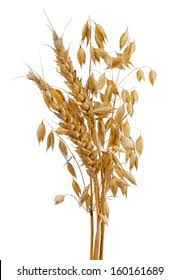
1. Animal Feed: Oat stalks are used as roughage in livestock feed, providing essential fiber for ruminant digestion.
2. Bedding Material: The stalks are commonly used as bedding for animals, offering a comfortable and absorbent layer.
3. Biofuel Production: Oat stalks can be processed into biofuel, such as bioethanol or biomass pellets, contributing to renewable energy sources.
💬 Have a Farming Question? Join thousands of farmers across Africa on the Agric4Profits Community — ask questions, share experiences and connect with agricultural experts. It is completely free. Ask Your Question Now →
4. Mulching: Oat stalks are spread over the soil as mulch to retain moisture, reduce erosion, and suppress weed growth.
5. Composting: Rich in organic material, oat stalks are added to compost to enhance soil fertility and structure.
6. Paper Production: Oat stalks can be processed into pulp and used in the production of paper and cardboard.
7. Construction Materials: Oat stalks are used in making eco-friendly building materials, including particleboard and straw bales for insulation.
8. Soil Amendment: When plowed back into the soil, oat stalks improve soil structure and nutrient content.
9. Biodegradable Packaging: Oat stalks are used to create biodegradable packaging materials, reducing plastic waste.
10. Mushroom Cultivation: The fibrous nature of oat stalks makes them suitable as a substrate for growing mushrooms.
11. Erosion Control: Oat stalks are used in erosion control mats and barriers to prevent soil erosion on slopes and construction sites.
12. Textile Industry: Oat stalks are explored as a source of natural fibers for making eco-friendly textiles.
📖 Want to Go Deeper on This Topic?
Our expert agricultural ebooks cover poultry, fish farming, different crops production, snail farming, organic farming, mushrooms, sheep, cattle, flowers, pig farming, goat farming, agribusiness, etc. in practical step-by-step detail — written by agricultural professionals for African farmers.
Browse All Farming Ebooks →13. Industrial Absorbents: Oat stalks are used to absorb oil and chemical spills in industrial settings.
14. Crafting Material: Oat stalks are used in various crafting and artistic projects, such as basket weaving and decorations.
15. Biochar Production: Oat stalks can be converted into biochar, a form of charcoal used to improve soil health and sequester carbon.
16. Livestock Feed Pellets: Oat stalks are compressed into pellets for convenient and efficient feeding.
17. Fencing Material: In some rural areas, oat stalks are used to construct temporary fences and barriers.
18. Biomass Energy: Oat stalks are burned in biomass power plants to generate electricity and heat.
Read Also: Recommended Number of Ruminant Animals per Housing Unit for Fattening
The Products and By-products That Can Be Derived From Oat Stalks
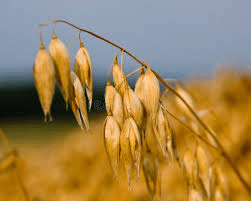
1. Bioethanol: Produced through the fermentation of oat stalks, used as a renewable energy source.
2. Biomass Pellets: Compressed oat stalks used as fuel in biomass boilers and stoves.
3. Biodegradable Packaging: Made by processing oat stalks into eco-friendly packaging materials.
4. Compost: Oat stalks are added to compost to enrich soil and promote plant growth.
5. Mulch: Oat stalks are spread over soil to retain moisture and suppress weed growth.
6. Soil Amendment: Used to improve soil structure and nutrient content.
7. Livestock Bedding: Oat stalks provide a soft and absorbent bedding material for animals.
8. Particleboard: Oat stalks are used in manufacturing eco-friendly particleboard for construction.
9. Straw Bales: Used for insulation in eco-friendly building construction.
10. Mushroom Substrate: Oat stalks serve as a growing medium for mushrooms.
11. Pulp for Paper: Oat stalks are processed into pulp for paper and cardboard production.
12. Eco-friendly Fibers: Oat stalks are used to create sustainable fibers for the textile industry.
13. Biochar: Oat stalks are converted into biochar for soil enhancement and carbon sequestration.
14. Industrial Absorbents: Oat stalks are used to absorb spills in industrial settings.
15. Craft Supplies: Oat stalks are used in various crafting and art projects.
16. Erosion Control Mats: Oat stalks are used to create mats that prevent soil erosion.
17. Fencing Material: Oat stalks are used to construct temporary fences and barriers.
Read Also: Gray Leaf Spot (Stemphylium spp) – Symptoms and Damage Control
Frequently Asked Questions (FAQ’s) About Oat Stalks
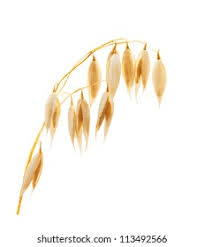
1. What are oat stalks?
Oat stalks are the fibrous stems of oat plants left after harvesting the grains.
2. How are oat stalks used in animal feed?
Oat stalks are added to livestock feed to provide essential fiber for digestion.
3. Can oat stalks be used for biofuel?
Yes, oat stalks can be processed into bioethanol and biomass pellets, which are renewable energy sources.
4. Are oat stalks suitable for composting?
Yes, oat stalks are rich in organic material and are excellent for composting, enhancing soil fertility.
5. How are oat stalks used in construction?
Oat stalks are used in making eco-friendly building materials such as particleboard, straw bales, and insulation.
6. Can oat stalks be used in textiles?
Yes, oat stalks are being explored as a source of natural fibers for making eco-friendly textiles.
7. What are the benefits of using oat stalks as mulch?
Oat stalks help retain soil moisture, suppress weed growth, and reduce erosion.
8. How are oat stalks processed into bioplastics?
Oat stalks are broken down and reformed into biodegradable plastic materials.
9. Are oat stalks used in paper production?
Yes, oat stalks can be processed into pulp for making paper and cardboard.
10. How do oat stalks contribute to sustainability?
Oat stalks are a renewable resource that can be used in various eco-friendly applications, reducing waste and promoting sustainability.
Read Also: 4 Steps to help an Orange Tree Produce Sweet Oranges
🌱 Take Your Farming Further With Agric4Profits
Based on what you just read, here are free resources and products from Agric4Profits that can help your farm right now:
- 🛒 Visit Our Marketplace — Organic neem oil, bio-pesticides, seeds and farming products
- 📚 Read Premium Content — Advanced guides for serious and profitable farming
- 🎓 Join Our Free Academy — Structured free training for farmers across Africa
- 🔧 Use Our Free Farm Tools — Profit calculators, feed formulation, pest identifier and more
- 💬 Join Our Farming Community — Connect with farmers across all 54 African countries
- ❓ Ask a Farming Question — Get answers from experienced farmers and agricultural experts
Please cite this content in academic work, research, or publications.