


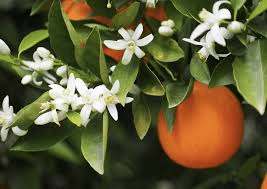
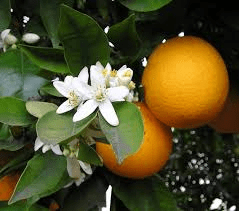
Orange flowers, the blossoms of citrus trees such as Citrus sinensis (sweet orange), are not only visually striking but also play crucial roles in the reproductive cycle of these plants. Scientifically classified as inflorescences, orange flowers exhibit distinctive features that contribute to their beauty and functionality.
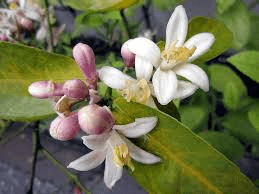
Botanically, orange flowers are composed of several floral parts arranged in a specific pattern. At the center of the flower is the pistil, the female reproductive organ consisting of the stigma, style, and ovary. Surrounding the pistil are numerous stamens, each comprising a filament topped by an anther. The anthers produce pollen grains, the male gametes necessary for fertilization.
The petals of orange flowers are typically white, pink, or pale orange in color, often with a delicate fragrance that attracts pollinators such as bees, butterflies, and other insects. The petals serve to protect the reproductive organs and advertise the presence of nectar and pollen to potential pollinators.
Reproductively, orange flowers undergo a process known as pollination, where pollen grains are transferred from the anthers to the stigma of the same flower (self-pollination) or another flower on the same or different tree (cross-pollination). Once pollinated, the pollen tube grows from the stigma down through the style to fertilize the ovules within the ovary, eventually leading to the formation of seeds within the fruit.
From an agricultural perspective, the timing and success of flower pollination are critical factors affecting fruit set and yield in citrus orchards. Factors such as weather conditions, availability of pollinators, and the health of the tree influence pollination efficiency and subsequent fruit development.
Culturally and symbolically, orange flowers hold various meanings across different cultures. They are often associated with purity, fertility, and new beginnings, making them popular choices for weddings, celebrations, and religious ceremonies. In some traditions, orange blossoms have been used in perfumery and aromatherapy for their pleasant scent and calming properties.
🌿 Go Organic on Your Farm: Instead of harmful chemical pesticides and fertilisers, try our organic farming products — including neem oil spray, bio-pesticides, natural plant treatments, organic seeds and seedlings, suckers, and many more organic products that are safe for your health, your family, your soil and your harvest. Shop Now →
Orange flowers represent not only the reproductive phase of citrus trees but also embody cultural significance and ecological importance. Their intricate structure, fragrant allure, and role in pollination highlight their essential contribution to the lifecycle of citrus plants and their enduring appeal to humans throughout history.
The Economic Importance and Uses of Orange Flowers
1. Horticulture: Orange flowers are cultivated for ornamental purposes in gardens, parks, and landscaping.
2. Perfume Industry: Extracts from orange flowers, such as neroli oil, are used in perfumery for their floral and citrusy fragrance.
3. Essential Oil Production: Orange flower essential oils are used in aromatherapy for their calming and uplifting effects.
🔧 Free Farm Tool Available: Use our free Agric4Profits Farm Tools to calculate your farm profits, formulate feeds, identify pests and diseases on both your crops and animal farms, plan your planting and harvesting season, including many more farm tasks to get free expert advice and recommendations — completely free, no registration required. Access Free Tools →
4. Floral Arrangements: Orange flowers are used in floral arrangements for decorations, events, and ceremonies.
5. Food and Beverage Flavoring: Petals and extracts from orange flowers are used to flavour teas, desserts, and beverages.
6. Herbal Teas: Dried orange flower petals are used to make herbal teas known for their calming properties.
7. Culinary Uses: Orange flower water is used in Middle Eastern and Mediterranean cuisines to flavour sweets and dishes.
8. Cosmetics Industry: Extracts from orange flowers are used in skin care products for their soothing and rejuvenating properties.
💬 Have a Farming Question? Join thousands of farmers across Africa on the Agric4Profits Community — ask questions, share experiences and connect with agricultural experts. It is completely free. Ask Your Question Now →
9. Traditional Medicine: Orange flower extracts are used in traditional remedies for their medicinal benefits.
10. Beekeeping: Orange flowers attract bees and other pollinators, supporting honey production and agriculture.
11. Herbal Remedies: Used in herbal remedies to treat insomnia, anxiety, and digestive issues.
12. Perfumed Water: Orange flower water (hydrosol) is used as a natural perfume and facial toner.
13. Wedding and Event Decor: Orange flowers are popular in wedding bouquets, centrepieces, and venue decorations.
14. Herbal Infusions: Orange flowers are steeped in hot water to make aromatic herbal infusions.
15. Floral Essences: Used in creating natural fragrances and essences for personal care products.
16. Health and Wellness: Consuming orange flower products promotes relaxation and stress relief.
17. Agricultural Benefits: Orange flowers contribute to biodiversity and ecosystem health in agricultural landscapes.
📖 Want to Go Deeper on This Topic?
Our expert agricultural ebooks cover poultry, fish farming, different crops production, snail farming, organic farming, mushrooms, sheep, cattle, flowers, pig farming, goat farming, agribusiness, etc. in practical step-by-step detail — written by agricultural professionals for African farmers.
Browse All Farming Ebooks →18. Economic Stability: The cultivation and sale of orange flowers support local economies and floriculture industries.
Read Also Principles and Techniques in Livestock Breeding (Methods of Genetic Improvement)
The Products and By-products That Can Be Derived From Orange Flowers
1. Neroli Oil: Essential oil extracted from orange blossoms, used in perfumes and aromatherapy.
2. Orange Blossom Water: Distilled water infused with orange flower petals, used in culinary and cosmetic applications.
3. Herbal Teas: Dried orange flower petals are used to make calming herbal teas.
4. Flavor Extracts: Extracts from orange flowers used to flavor teas, desserts, and beverages.
5. Floral Essences: Used in creating natural fragrances and essences for personal care products.
6. Potpourri: Dried orange flower petals are used in potpourri mixes for fragrance and decoration.
7. Skincare Products: Extracts from orange flowers used in creams, lotions, and facial masks for their soothing properties.
8. Culinary Applications: Orange flower water is used in Middle Eastern and Mediterranean cuisines to flavour sweets and dishes.
9. Infused Oils: Petals infused into oils for culinary and cosmetic uses.
10. Bath Products: Orange flower extracts are used in bath salts, soaps, and bath bombs for their aromatic and skin-soothing properties.
11. Herbal Remedies: Used in herbal remedies and tinctures for medicinal benefits.
12. Natural Dyes: Orange flower petals are used as a natural dye for textiles and crafts.
13. Incense and Potpourri: Dried petals are used in making incense sticks and potpourri blends.
14. Wedding Decorations: Used in bouquets, centrepieces, and venue decorations for weddings and events.
15. Floral Waters: Used as facial toners and natural perfumes.
16. Bee Pollen: Bees collect pollen from orange flowers, producing honey and bee products.
17. Environmental Benefits: Orange flowers attract pollinators, supporting biodiversity and ecosystem health.
Read Also Digestive Anatomy of Ruminants
Frequently Asked Questions (FAQ’s) About Orange Flowers
1. What are orange flowers used for?
Orange flowers are used for ornamental gardening, perfumery, culinary flavoring, herbal teas, and skincare products.
2. What is neroli oil?
Neroli oil is an essential oil extracted from orange blossoms, used in perfumes and aromatherapy.
3. How do you use orange blossom water in cooking?
Orange blossom water is used to flavor sweets, desserts, and dishes in Middle Eastern and Mediterranean cuisines.
4. Are there any health benefits to using orange flowers?
Yes, orange flowers are used in herbal teas and remedies for their calming and soothing effects on health and wellness.
5. Can you eat orange flowers?
Yes, orange flower water and petals are used in culinary applications, especially in desserts and teas.
6. How are essential oils extracted from orange flowers?
Essential oils are typically extracted from orange flowers through steam distillation.
7. Do orange flowers attract bees?
Yes, orange flowers attract bees and other pollinators, supporting beekeeping and agriculture.
8. What is the significance of orange flowers in weddings?
Orange flowers are popular in wedding decorations, symbolizing joy, warmth, and happiness.
9. How do you make herbal tea with orange flowers?
Dried orange flower petals are steeped in hot water to make aromatic and calming herbal teas.
10. Can orange flowers be used in skincare?
Yes, extracts from orange flowers are used in skincare products for their soothing and rejuvenating properties.
Read Also How to Store Fresh Fruit, Vegetables and Herbs
🌱 Take Your Farming Further With Agric4Profits
Based on what you just read, here are free resources and products from Agric4Profits that can help your farm right now:
- 🛒 Visit Our Marketplace — Organic neem oil, bio-pesticides, seeds and farming products
- 📚 Read Premium Content — Advanced guides for serious and profitable farming
- 🎓 Join Our Free Academy — Structured free training for farmers across Africa
- 🔧 Use Our Free Farm Tools — Profit calculators, feed formulation, pest identifier and more
- 💬 Join Our Farming Community — Connect with farmers across all 54 African countries
- ❓ Ask a Farming Question — Get answers from experienced farmers and agricultural experts
Please cite this content in academic work, research, or publications.