


Orange stems, also known as citrus stems, refer to the woody structures that support the branches and leaves of orange trees (Citrus sinensis) and related citrus species. These stems play essential roles in the growth, nutrient transport, and overall health of the tree.
Scientifically, orange stems are characterized by their durable and lignified tissue, which provides structural support and stability to the tree's canopy. The stems consist of several layers, each serving distinct functions. The outermost layer, known as the bark or cork, protects the stem from physical damage and pathogens. Beneath the bark is the phloem, a tissue responsible for transporting sugars produced during photosynthesis from the leaves to other parts of the tree, including fruits and roots. Inside the stem, the xylem tissue conducts water and nutrients absorbed by the roots upward to the leaves and other aerial parts of the tree.
Anatomically, citrus stems are composed of bundles of vascular tissues surrounded by layers of parenchyma cells and fibers. These tissues collectively form a vascular cylinder, providing mechanical strength and flexibility to withstand environmental stresses such as wind and snow.
Functionally, orange stems facilitate the flow of nutrients, water, and hormones throughout the tree. They also house the meristematic tissues responsible for growth and development, enabling the tree to produce new leaves, flowers, and fruits seasonally. During periods of dormancy, stems serve as storage organs for carbohydrates and other essential compounds needed for spring growth.
Culturally and practically, citrus stems have been utilized in various traditional and contemporary practices. Historically, citrus wood has been used in woodworking and crafting due to its durability and attractive grain patterns. In agriculture, stems play a crucial role in grafting techniques, where desired citrus varieties are fused onto rootstocks to enhance disease resistance, adaptability to soil conditions, and fruit quality.
From an ecological standpoint, orange stems contribute to the biodiversity of their habitats. They provide shelter and food sources for insects, birds, and small mammals. Decomposing stems also contribute organic matter to the soil, enriching nutrient cycling and supporting the growth of other plants in the ecosystem.
🌿 Go Organic on Your Farm: Instead of harmful chemical pesticides and fertilisers, try our organic farming products — including neem oil spray, bio-pesticides, natural plant treatments, organic seeds and seedlings, suckers, and many more organic products that are safe for your health, your family, your soil and your harvest. Shop Now →
Orange stems are integral components of citrus trees, essential for their growth, survival, and productivity. Their structural integrity and functional diversity underscore their importance in both natural ecosystems and human activities, making them a fundamental element in the cultivation and enjoyment of citrus fruits worldwide.
The Economic Importance and Uses of Orange Stems
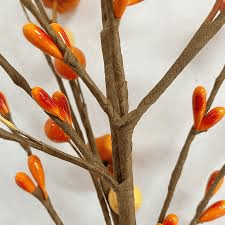
1. Agricultural Use: Orange stems provide structural support for orange trees, essential for fruit production.
2. Essential Oil Production: Stems contain essential oils used in perfumes, aromatherapy, and natural remedies.
3. Traditional Medicine: Used in traditional medicine to treat ailments such as colds, flu, and inflammation.
🔧 Free Farm Tool Available: Use our free Agric4Profits Farm Tools to calculate your farm profits, formulate feeds, identify pests and diseases on both your crops and animal farms, plan your planting and harvesting season, including many more farm tasks to get free expert advice and recommendations — completely free, no registration required. Access Free Tools →
4. Composting: Orange stems can be composted to create nutrient-rich compost for gardening.
5. Mulch: Shredded orange stems are used as mulch to enrich soil and retain moisture.
6. Animal Feed: Dried and ground stems can be added to animal feed for roughage.
7. Craft and Decoration: Used in making crafts and decorative items, such as wreaths and floral arrangements.
8. Biochar Production: Orange stems can be converted into biochar, a soil amendment that improves soil health.
💬 Have a Farming Question? Join thousands of farmers across Africa on the Agric4Profits Community — ask questions, share experiences and connect with agricultural experts. It is completely free. Ask Your Question Now →
9. Paper Production: Research is exploring the use of orange stem fibers in making eco-friendly paper.
10. Natural Pesticides: Extracts from orange stems are used in organic pest control products.
11. Fuel Source: Dried orange stems can be used as a renewable fuel source for cooking and heating.
12. Biodegradable Packaging: Stem fibers are researched for use in creating sustainable packaging materials.
13. Environmental Benefits: Utilizing orange stems reduces agricultural waste and promotes sustainability.
14. Fodder: Ground stems are used as fodder in livestock diets.
15. Fiber Extraction: Fibers from stems are used in textiles and other industrial applications.
16. Soil Erosion Control: Used in controlling soil erosion in agricultural fields.
17. Carbon Sequestration: Orange stems help sequester carbon, reducing greenhouse gases in the atmosphere.
📖 Want to Go Deeper on This Topic?
Our expert agricultural ebooks cover poultry, fish farming, different crops production, snail farming, organic farming, mushrooms, sheep, cattle, flowers, pig farming, goat farming, agribusiness, etc. in practical step-by-step detail — written by agricultural professionals for African farmers.
Browse All Farming Ebooks →18. Economic Stability: The diverse uses of orange stems contribute to the economic stability of citrus-growing regions.
Read Also: Dragon Fruits: History, Nutrition, Health Benefits and Growing Guide
The Products and By-products That Can Be Derived From Orange Stems
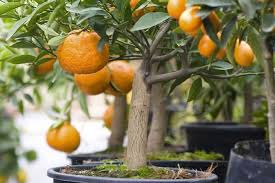
1. Essential Oils: Extracted from stems through steam distillation for use in aromatherapy and perfumes.
2. Biochar: Orange stems are converted into biochar through pyrolysis, used to improve soil health.
3. Compost: Stems are composted to create nutrient-rich compost for gardening.
4. Mulch: Shredded stems are used as mulch to retain soil moisture and add nutrients.
5. Animal Feed: Dried and ground stems are added to animal feed as roughage.
6. Craft Materials: Used in making wreaths, floral arrangements, and other decorative items.
7. Natural Pesticides: Extracts from stems are formulated into eco-friendly pest control products.
8. Renewable Fuel: Dried stems are used as a renewable fuel source for cooking and heating.
9. Biodegradable Paper: Stem fibers are researched for making eco-friendly paper.
10. Soil Erosion Control: Used to control soil erosion in agricultural fields.
11. Fiber Extraction: Stems are processed to extract fibers for textiles and industrial uses.
12. Fodder: Ground stems are used as fodder in livestock diets.
13. Biodegradable Packaging: Research is exploring the use of stem fibers in creating sustainable packaging materials.
14. Herbal Remedies: Stems are used in traditional medicine for their anti-inflammatory properties.
15. Environmental Applications: Used in various environmental conservation projects.
16. Nutritional Supplements: Extracts from stems are used in dietary supplements for their health benefits.
17. Industrial Products: Stem fibers are used in making ropes, mats, and other industrial products.
Read Also: The Anise Fruits: Economic Importance, Uses, and By-Products
Frequently Asked Questions (FAQ’s) About Orange Stems
1. What are orange stems used for?
Orange stems have various uses, including essential oil production, composting, mulch, animal feed, and craft materials.
2. Can orange stems be composted?
Yes, orange stems can be composted to create nutrient-rich compost for gardening.
3. Are there any medicinal uses for orange stems?
Yes, orange stems are used in traditional medicine to treat ailments such as colds, flu, and inflammation.
4. How are essential oils extracted from orange stems?
Essential oils are typically extracted from orange stems through steam distillation.
5. Can orange stems be used as animal feed?
Yes, dried and ground orange stems can be added to animal feed for roughage.
6. What is biochar, and how is it made from orange stems?
Biochar is a soil amendment made from organic material, including orange stems, through pyrolysis. It improves soil health and sequesters carbon.
7. Are orange stems used in crafts and decorations?
Yes, orange stems are used in making wreaths, floral arrangements, and other decorative items.
8. Can orange stems be used as a fuel source?
Yes, dried orange stems can be used as a renewable fuel source for cooking and heating.
9. How do orange stems contribute to environmental sustainability?
Utilizing orange stems reduces agricultural waste, promotes sustainable practices, and helps sequester carbon.
10. Are there industrial applications for orange stem fibers?
Yes, fibers from orange stems are used in making textiles, ropes, mats, and other industrial products.
Read Also: Chicken Brooder House – Complete Chicks Brooding Care Guide
🌱 Take Your Farming Further With Agric4Profits
Based on what you just read, here are free resources and products from Agric4Profits that can help your farm right now:
- 🛒 Visit Our Marketplace — Organic neem oil, bio-pesticides, seeds and farming products
- 📚 Read Premium Content — Advanced guides for serious and profitable farming
- 🎓 Join Our Free Academy — Structured free training for farmers across Africa
- 🔧 Use Our Free Farm Tools — Profit calculators, feed formulation, pest identifier and more
- 💬 Join Our Farming Community — Connect with farmers across all 54 African countries
- ❓ Ask a Farming Question — Get answers from experienced farmers and agricultural experts
Please cite this content in academic work, research, or publications.