


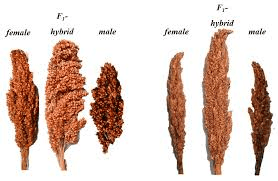
Sorghum stamens are the male reproductive structures of the sorghum flower, playing a crucial role in the plant's reproduction by producing and transferring pollen. Each flower typically contains three stamens, which are responsible for producing the male gametes necessary for fertilization.
Structurally, a stamen consists of two main parts: the filament and the anther. The filament is a slender stalk that supports the anther, while the anther is the pollen-producing part of the stamen. The anther is usually divided into two or four pollen sacs (locules), which contain the pollen grains. These pollen grains are the male gametes that will fertilize the ovule (female gamete) in the flower.
During the flowering period, the stamens play a critical role in pollen dispersal. When the anther is mature, it releases pollen grains into the air. In sorghum, which primarily relies on wind for pollination (anemophilous), the pollen grains are carried by the wind to the stigma of other flowers, either on the same plant or on different plants. Successful transfer of pollen to the stigma leads to fertilization and the production of seeds.
The number and arrangement of stamens can vary among different sorghum varieties, but most sorghum flowers have three stamens. The stamens are positioned around the pistil, the female reproductive part of the flower, which consists of the stigma, style, and ovary. The proper development and function of the stamens are crucial for effective pollination and high seed production.
The development and function of the stamens are influenced by several factors, including genetic, environmental, and physiological conditions. Adequate nutrient supply, proper temperature, and adequate water availability are essential for optimal stamen development and pollen production. Stressful conditions, such as drought or nutrient deficiencies, can negatively impact stamen health, reducing pollen production and affecting overall seed yield.
Pests and diseases can also affect the stamens, though they are less commonly targeted compared to other parts of the plant. Certain insects, such as sorghum midges, and fungal pathogens can damage the stamens, impairing pollen production and transfer. Integrated pest management practices and disease-resistant cultivars are important for protecting the stamens and ensuring successful reproduction.
🌿 Go Organic on Your Farm: Instead of harmful chemical pesticides and fertilisers, try our organic farming products — including neem oil spray, bio-pesticides, natural plant treatments, organic seeds and seedlings, suckers, and many more organic products that are safe for your health, your family, your soil and your harvest. Shop Now →
In summary, sorghum stamens are vital male reproductive structures that produce and release pollen necessary for fertilization. Their structure and function are crucial for successful pollination and seed development. Understanding the role of stamens in sorghum can help in optimizing crop management practices to improve yield and ensure healthy plant reproduction.
The Economic Importance and Uses of Sorghum Stamens
1. Pollination Support: Sorghum stamens are essential for the pollination process, which is crucial for grain production.
2. Seed Production: Stamens produce pollen, which is necessary for fertilizing the pistils and developing sorghum seeds.
3. Crop Yield: Healthy stamens contribute to higher crop yields by ensuring effective pollination and seed set.
🔧 Free Farm Tool Available: Use our free Agric4Profits Farm Tools to calculate your farm profits, formulate feeds, identify pests and diseases on both your crops and animal farms, plan your planting and harvesting season, including many more farm tasks to get free expert advice and recommendations — completely free, no registration required. Access Free Tools →
4. Research and Development: Stamens are studied in agricultural research to improve sorghum breeding and crop resilience.
5. Traditional Medicine: In some cultures, parts of the stamen may be used in traditional remedies for their medicinal properties.
6. Educational Purposes: Sorghum stamens are used in educational settings to teach about plant reproduction and biology.
7. Phytochemical Research: Stamens can be analyzed for phytochemicals that might have beneficial properties.
8. Biodiversity Studies: Research on sorghum stamens contributes to understanding plant biodiversity and pollinator interactions.
💬 Have a Farming Question? Join thousands of farmers across Africa on the Agric4Profits Community — ask questions, share experiences and connect with agricultural experts. It is completely free. Ask Your Question Now →
9. Genetic Studies: Stamens are used in genetic studies to understand and manipulate traits related to flowering and seed production.
10. Seed Breeding Programs: Stamens are crucial in developing new sorghum varieties with desired traits through breeding programs.
11. Pest and Disease Management: Understanding stamens helps in managing pests and diseases that affect sorghum pollination.
12. Fertilizer Development: Research on stamens can contribute to developing fertilizers that enhance sorghum pollination and growth.
13. Crop Improvement: Stamens play a role in improving sorghum crops through genetic modifications and selection.
14. Sustainable Agriculture: Effective pollination supported by healthy stamens contributes to sustainable agricultural practices.
15. Ecosystem Support: Healthy sorghum plants with effective stamens support local ecosystems by providing habitat and food for pollinators.
16. Economic Impact: Improved seed production and crop yield from healthy stamens have economic benefits for farmers and agribusinesses.
17. Agricultural Innovation: Stamens are part of innovative approaches to enhance crop production and resilience.
📖 Want to Go Deeper on This Topic?
Our expert agricultural ebooks cover poultry, fish farming, different crops production, snail farming, organic farming, mushrooms, sheep, cattle, flowers, pig farming, goat farming, agribusiness, etc. in practical step-by-step detail — written by agricultural professionals for African farmers.
Browse All Farming Ebooks →18. Conservation Efforts: Understanding sorghum stamens aids in conservation efforts for preserving genetic diversity in sorghum.
Read Also: The Most Lucrative between Production of Fish Fingerlings or Raising them to Table Size
The Products and By-products That Can Be Derived From Sorghum Stamens
1. Pollination: Stamens produce pollen necessary for the fertilization of sorghum flowers.
2. Seed Production: Stamens contribute to the production of sorghum seeds, which are a key agricultural product.
3. Phytochemical Extracts: Stamens may contain phytochemicals that can be extracted for research and potential applications.
4. Educational Materials: Stamens are used in educational materials to demonstrate plant reproductive processes.
5. Medicinal Extracts: In some traditional medicine practices, extracts from stamens are used for their purported health benefits.
6. Genetic Material: Stamens provide genetic material for research and breeding programs.
7. Research Samples: Stamens are used as samples in research related to plant biology and agricultural science.
8. Breeding Resources: Stamens are essential in breeding programs to develop new sorghum varieties.
9. Pollinator Studies: Stamens are studied to understand their role in attracting and supporting pollinators.
10. Fertilizer Development: Research on stamens contributes to the development of targeted fertilizers for sorghum.
11. Pest Management: Stamens are studied to develop pest management strategies that protect pollination.
12. Crop Improvement Programs: Stamens are used in programs aimed at improving sorghum varieties for better yield and resilience.
13. Ecosystem Support: Healthy sorghum stamens contribute to ecosystem stability by supporting pollinators.
14. Conservation Resources: Stamens play a role in conservation efforts for preserving sorghum genetic diversity.
15. Agricultural Innovation: Stamens are part of innovative agricultural techniques to enhance crop production.
16. Biodiversity Research: Stamens contribute to research on plant biodiversity and pollinator relationships.
17. Sustainable Agriculture Practices: Understanding stamens helps promote sustainable practices in sorghum cultivation.
Read Also: How to Control Feeding Struggle among Fishes in the same Pond
Frequently Asked Questions (FAQ’s) About Sorghum Stamens
1. What are sorghum stamens?
Sorghum stamens are the male reproductive parts of the sorghum flower that produce pollen.
2. How do sorghum stamens contribute to seed production?
They produce pollen, which fertilizes the pistils and leads to seed development.
3. Can sorghum stamens be used in traditional medicine?
Yes, in some cultures, parts of the stamen are used in traditional remedies for their medicinal properties.
4. How are sorghum stamens studied in agricultural research?
They are studied to improve breeding programs, crop resilience, and pollination efficiency.
5. What role do stamens play in sustainable agriculture?
Healthy stamens ensure effective pollination, which supports sustainable agricultural practices.
6. How do sorghum stamens impact crop yield?
Effective stamens contribute to higher crop yields by ensuring successful pollination and seed set.
7. Are sorghum stamens used in educational settings?
Yes, they are used to teach about plant reproduction and biology.
8. How can research on stamens benefit fertilizer development?
Research helps in developing fertilizers that enhance sorghum pollination and growth.
9. What is the significance of stamens in biodiversity studies?
They contribute to understanding plant biodiversity and interactions with pollinators.
10. How do sorghum stamens support ecosystem stability?
Healthy stamens support pollinators and contribute to the stability of local ecosystems.
Read Also: Everything You Need to Know About Extinction of Animals
🌱 Take Your Farming Further With Agric4Profits
Based on what you just read, here are free resources and products from Agric4Profits that can help your farm right now:
- 🛒 Visit Our Marketplace — Organic neem oil, bio-pesticides, seeds and farming products
- 📚 Read Premium Content — Advanced guides for serious and profitable farming
- 🎓 Join Our Free Academy — Structured free training for farmers across Africa
- 🔧 Use Our Free Farm Tools — Profit calculators, feed formulation, pest identifier and more
- 💬 Join Our Farming Community — Connect with farmers across all 54 African countries
- ❓ Ask a Farming Question — Get answers from experienced farmers and agricultural experts
Please cite this content in academic work, research, or publications.