


Sorghum pedicels are small, stalk-like structures that connect individual spikelets (the flower-bearing units) within the panicle (the inflorescence) to the main axis of the panicle. These structures are crucial for the proper arrangement and support of the flowers, contributing significantly to the plant's reproductive success and overall grain yield.
The pedicel’s primary function is to attach each spikelet to the central rachis of the panicle. This attachment is essential for maintaining the stability and orientation of the spikelets, ensuring that they are positioned optimally for pollination. The length and strength of the pedicels can influence how well the spikelets are spaced and supported, impacting the efficiency of pollination and seed development.
Structurally, the pedicel is a slender, cylindrical stalk composed of several tissue layers. The outermost layer, the epidermis, is covered with a protective cuticle to reduce water loss and protect against pathogens. Beneath the epidermis lies the cortex, made up of parenchyma cells that provide structural support and store nutrients. The vascular tissues within the pedicel include xylem and phloem, which are responsible for transporting water, nutrients, and photosynthates between the spikelets and the rest of the panicle.
The pedicel length and thickness can vary among different sorghum varieties and are influenced by genetic factors and environmental conditions. In some sorghum varieties, pedicels are relatively short and thick, which helps support densely packed spikelets and may be beneficial in preventing lodging. In other varieties, longer pedicels allow for more space between spikelets, which can improve air circulation and reduce the risk of fungal diseases.
The development of pedicels is closely tied to the overall development of the panicle. As the panicle matures, the pedicels elongate and harden to support the growing spikelets. Proper pedicel development is crucial for ensuring that the spikelets are adequately spaced and aligned for effective pollination. If pedicels are too short or weak, they may not support the spikelets adequately, leading to poor grain development and reduced yield.
Environmental factors, such as temperature, light, and water availability, can impact pedicel development. For instance, extreme temperatures or water stress can affect the growth of the pedicels and, consequently, the overall health of the panicle. Proper management practices, including adequate irrigation and nutrient supply, can help ensure optimal pedicel development and support for the spikelets.
🌿 Go Organic on Your Farm: Instead of harmful chemical pesticides and fertilisers, try our organic farming products — including neem oil spray, bio-pesticides, natural plant treatments, organic seeds and seedlings, suckers, and many more organic products that are safe for your health, your family, your soil and your harvest. Shop Now →
Pests and diseases can also affect the pedicels, although they are less commonly targeted than other parts of the plant. Insects that feed on the pedicels or pathogens that infect the panicle can weaken the pedicels, compromising their ability to support the spikelets and leading to reduced grain yield and quality.
Sorghum pedicels are integral to the structure and function of the panicle, playing a key role in supporting and positioning the spikelets for effective pollination and seed development. Their length and strength influence the spacing and stability of the spikelets, impacting the overall yield and quality of the sorghum crop. Understanding the role of pedicels in sorghum can help in managing crop development and improving productivity.
The Economic Importance and Uses of Sorghum Pedicels
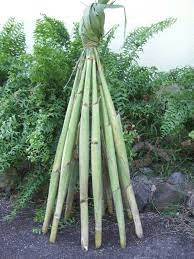
1. Plant Structure Support: Sorghum pedicels support individual florets within the inflorescence, crucial for effective grain production.
2. Seed Development: Healthy pedicels contribute to the proper development of sorghum seeds by ensuring proper nourishment and positioning of the florets.
🔧 Free Farm Tool Available: Use our free Agric4Profits Farm Tools to calculate your farm profits, formulate feeds, identify pests and diseases on both your crops and animal farms, plan your planting and harvesting season, including many more farm tasks to get free expert advice and recommendations — completely free, no registration required. Access Free Tools →
3. Forage Crop: The pedicels, though not a primary forage source, can be used in combination with other parts of the sorghum plant for livestock feed.
4. Biomass Energy: Sorghum pedicels can be included in biomass energy production, contributing to renewable energy sources.
5. Organic Fertilizer: Decomposed pedicels can be used as organic fertilizer to enrich soil.
6. Composting: Sorghum pedicels are compostable and contribute to organic compost production.
7. Soil Conditioning: When incorporated into the soil, pedicels can help improve soil structure and fertility.
💬 Have a Farming Question? Join thousands of farmers across Africa on the Agric4Profits Community — ask questions, share experiences and connect with agricultural experts. It is completely free. Ask Your Question Now →
8. Erosion Control: Pedicels can be used as part of erosion control measures, especially when mixed with other plant residues.
9. Crafting Materials: The fibrous nature of pedicels allows them to be used in traditional crafts and artisanal products.
10. Mulch: Chopped pedicels can be used as mulch to retain soil moisture and suppress weeds.
11. Biochar Production: Pedicels can be converted into biochar, which is used to enhance soil health and sequester carbon.
12. Animal Bedding: Processed pedicels can be used as bedding material for livestock.
13. Phytoremediation: While less common, pedicels may contribute to phytoremediation processes by aiding in soil recovery.
14. Green Manure: Pedicels can be used as green manure to improve soil fertility when plowed back into the soil.
15. Packaging Material: The fibers in pedicels can be utilized to create biodegradable packaging materials.
16. Activated Carbon: Sorghum pedicels can be processed into activated carbon for water and air purification.
📖 Want to Go Deeper on This Topic?
Our expert agricultural ebooks cover poultry, fish farming, different crops production, snail farming, organic farming, mushrooms, sheep, cattle, flowers, pig farming, goat farming, agribusiness, etc. in practical step-by-step detail — written by agricultural professionals for African farmers.
Browse All Farming Ebooks →17. Construction Material: In some regions, pedicels are used as construction material in building and roofing.
18. Traditional Medicine: In certain cultures, parts of the pedicel may be used in traditional medicine practices.
Read Also: 5 Amazing Health Benefits of Triphala (Three fruits)
The Products and By-products That Can Be Derived From Sorghum Pedicels
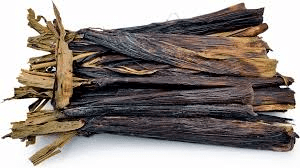
1. Organic Fertilizer: Decomposed pedicels can be used as a natural fertilizer to enrich soil.
2. Compost: Sorghum pedicels decompose into rich compost, providing nutrients for plants.
3. Biomass Pellets: Pedicels can be processed into biomass pellets for energy production.
4. Biochar: Produced by pyrolyzing sorghum pedicels, biochar is used to enhance soil fertility and sequester carbon.
5. Mulch: Chopped sorghum pedicels can be used as mulch to retain soil moisture and suppress weeds.
6. Animal Bedding: Processed pedicels can be used as bedding material for livestock.
7. Paper Products: The fibers in pedicels can be used to make biodegradable paper products.
8. Compost Tea: Pedicels can be used to make compost tea, a liquid fertilizer for plants.
9. Packaging Material: Pedicels can be used to produce biodegradable packaging materials.
10. Craft Items: The fibrous pedicels are used in traditional crafts and artisanal products.
11. Green Manure: When plowed back into the soil, pedicels serve as green manure to improve soil fertility.
12. Erosion Control: Pedicels can be mixed with other materials to create erosion control barriers.
13. Activated Carbon: Processed pedicels can be made into activated carbon for filtration purposes.
14. Soil Amendments: Pedicels can be used as soil amendments to improve soil structure and fertility.
15. Construction Material: In some areas, pedicels are utilized in building and roofing materials.
16. Traditional Medicine: Parts of the pedicel are used in traditional medicine in certain cultures.
17. Bioenergy Production: Pedicels can be included in bioenergy production as a renewable resource.
Read Also: Sheep Milk Production Complete Guide
Frequently Asked Questions (FAQ’s) About Sorghum Pedicels
1. What are sorghum pedicels?
Sorghum pedicels are the small stalks that support individual florets within the sorghum inflorescence.
2. How do sorghum pedicels contribute to seed development?
They support and nourish the florets, ensuring proper seed development.
3. Can sorghum pedicels be used for animal feed?
While not a primary feed source, they can be used in combination with other sorghum parts for livestock feed.
4. How are sorghum pedicels used in composting?
Pedicels decompose into compost, enriching soil with organic matter.
5. What role do sorghum pedicels play in soil conditioning?
When incorporated into the soil, they help improve soil structure and fertility.
6. Can sorghum pedicels be used for erosion control?
Yes, they can be part of erosion control measures when mixed with other plant residues.
7. How are sorghum pedicels processed into biochar?
They are pyrolyzed in the absence of oxygen to produce biochar, which improves soil health.
8. Are there crafting uses for sorghum pedicels?
Yes, their fibrous nature allows them to be used in traditional crafts and artisanal products.
9. What products can be made from sorghum pedicels?
Products include organic fertilizer, compost, biomass pellets, and biodegradable packaging materials.
10. How are sorghum pedicels used in traditional medicine?
In some cultures, parts of the pedicel are used for their therapeutic properties.
Read Also: The Effect of Solid Waste on Business Environments
🌱 Take Your Farming Further With Agric4Profits
Based on what you just read, here are free resources and products from Agric4Profits that can help your farm right now:
- 🛒 Visit Our Marketplace — Organic neem oil, bio-pesticides, seeds and farming products
- 📚 Read Premium Content — Advanced guides for serious and profitable farming
- 🎓 Join Our Free Academy — Structured free training for farmers across Africa
- 🔧 Use Our Free Farm Tools — Profit calculators, feed formulation, pest identifier and more
- 💬 Join Our Farming Community — Connect with farmers across all 54 African countries
- ❓ Ask a Farming Question — Get answers from experienced farmers and agricultural experts
Please cite this content in academic work, research, or publications.