


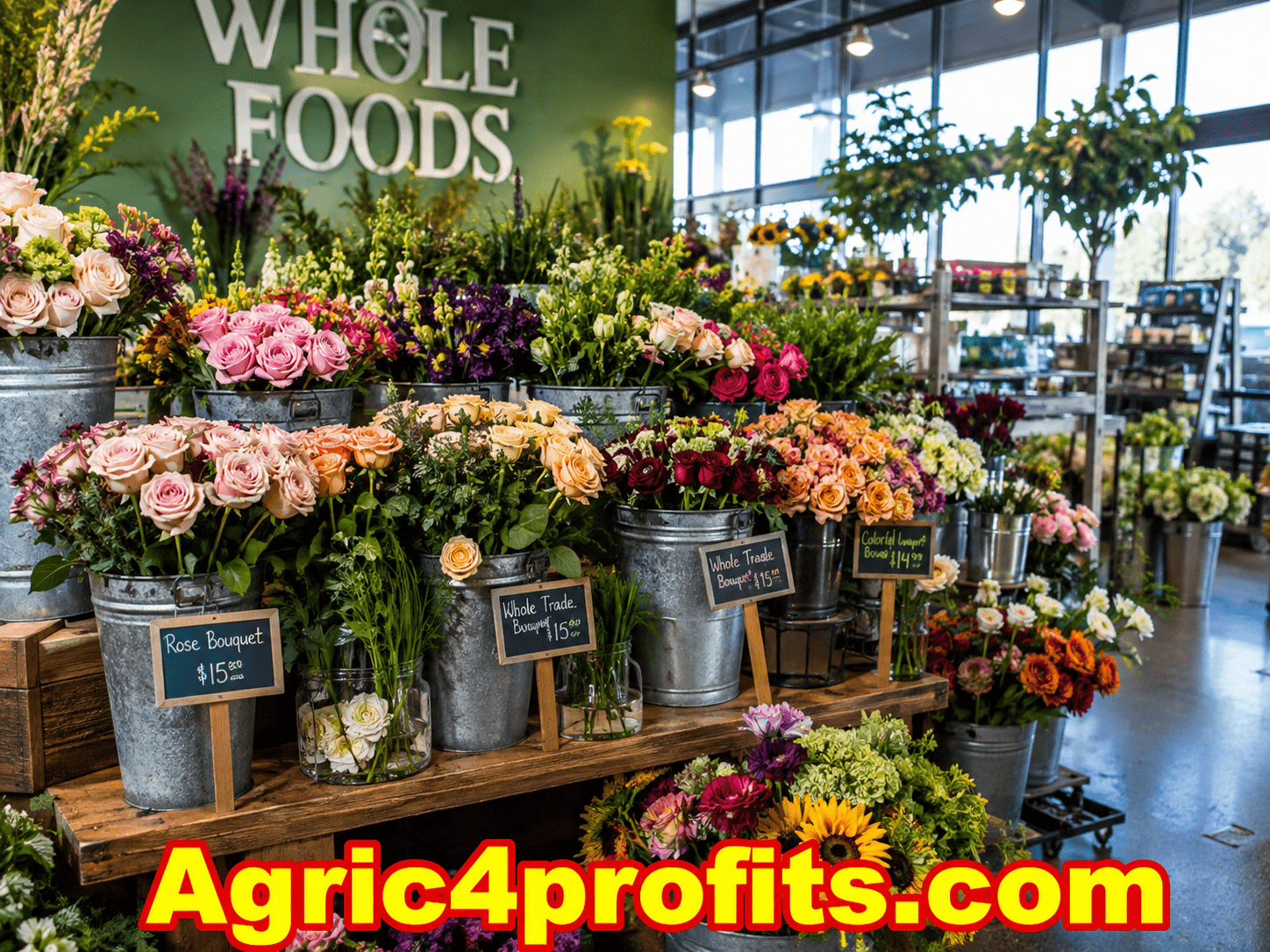
Whole Foods Flowers bring the beauty of nature into everyday shopping, whether customers need a thoughtful gift, a celebration centerpiece, or attractive blooms for their homes and living spaces.
Whole Foods Market's floral department offers various flowers, including organic, locally grown, and Sourced for Good options, alongside arrangements designed for different occasions and personal preferences throughout the year.
The selection can include familiar favorites such as roses, tulips, orchids, lilies, and mixed bouquets, although particular flowers, colors, sizes, and arrangements may vary between stores and seasons.
For shoppers interested in broader floral diversity, this comprehensive guide to flowers explains their characteristics, uses, diversity, and importance in gardens, landscapes, and commercial environments worldwide.
Another notable feature is Whole Foods Market's emphasis on responsible sourcing. Its floral department highlights programs supporting workers, communities, and environmental stewardship, giving shoppers additional information about certain flower choices.
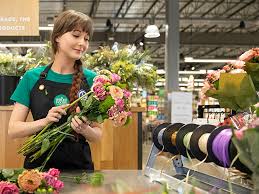
Customers can also request assistance from floral team members when selecting, wrapping, or arranging flowers. Whole Foods Market provides custom floral arrangements for occasions including weddings, birthdays, and other celebrations.
🌿 Go Organic on Your Farm: Instead of harmful chemical pesticides and fertilisers, try our organic farming products — including neem oil spray, bio-pesticides, natural plant treatments, organic seeds and seedlings, suckers, and many more organic products that are safe for your health, your family, your soil and your harvest. Shop Now →
Freshness remains important when purchasing flowers because cut blooms are perishable. Proper hydration, suitable temperatures, careful handling, clean vases, and appropriate placement can help arrangements maintain their attractive appearance longer.
Whole Foods Flowers therefore combine convenience, variety, decoration, gifting, and responsible sourcing in one retail experience. Understanding available options and proper care helps customers make better floral purchasing decisions.
For readers interested in growing their own blooms rather than purchasing bouquets, practical flower cultivation techniques provide useful guidance on choosing suitable varieties, preparing growing spaces, and maintaining healthy plants.
Read Also: Significance and Uses of Frozen Flowers
🔧 Free Farm Tool Available: Use our free Agric4Profits Farm Tools to calculate your farm profits, formulate feeds, identify pests and diseases on both your crops and animal farms, plan your planting and harvesting season, including many more farm tasks to get free expert advice and recommendations — completely free, no registration required. Access Free Tools →
History and Significance of Whole Foods Flowers
The history of flower use extends across cultures and generations, with blossoms serving decorative, ceremonial, symbolic, culinary, medicinal, and commercial purposes long before modern supermarkets established dedicated floral departments for consumers.
Flowers have traditionally been incorporated into celebrations, religious ceremonies, weddings, memorials, gardens, fragrances, food preparations, and artistic displays. Their enduring popularity reflects their beauty, cultural significance, seasonal availability, and versatility.
In modern retail environments, flowers became convenient consumer products rather than items obtained only from gardens, specialist florists, or local growers. Supermarket floral departments help make bouquets accessible during ordinary shopping trips.
Whole Foods Market's floral offering continues this broader tradition by making flowers available for gifts, celebrations, personal enjoyment, and home decoration. The department also provides options connected with sourcing and sustainability.
The significance of flowers extends beyond appearance because different species can communicate particular emotions or cultural messages. Learning about flower types helps shoppers understand their distinctive characteristics, uses, and ornamental value.
💬 Have a Farming Question? Join thousands of farmers across Africa on the Agric4Profits Community — ask questions, share experiences and connect with agricultural experts. It is completely free. Ask Your Question Now →
Roses are especially significant within floral gifting because of their association with affection, romance, beauty, and celebration. Whole Foods Market also provides guidance for shoppers comparing different rose colors and varieties.
Other flowers contribute different visual qualities and traditional associations. Lilies, tulips, orchids, sunflowers, carnations, and mixed seasonal blooms allow shoppers to select arrangements according to occasion, color preference, symbolism, and budget.
The commercial importance of flowers has also expanded through floriculture, an agricultural field involving production, harvesting, handling, marketing, and distribution. This development connects retail bouquets with growers and wider supply chains.
Readers interested in commercial production can explore commercial floriculture and its importance, which explains how flowers and ornamental plants are produced and marketed for different consumers and businesses.
Significance
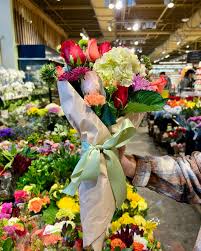
1. Convenience and Accessibility: Whole Foods Flowers make fresh blooms easier to purchase alongside groceries and household products, allowing customers to combine everyday shopping with gifting, decorating, and celebration needs efficiently.
2. Variety and Choice: Floral departments can provide customers with different flower types, colors, sizes, bouquet styles, and seasonal selections. Variety allows shoppers to match flowers with personal tastes and particular occasions.
3. Responsible Sourcing: Whole Foods Market identifies organic, locally grown, and Sourced for Good flowers within its floral department. These categories give shoppers additional information when considering sourcing, environmental stewardship, workers, and communities.
4. Emotional Expression: Flowers can communicate affection, congratulations, sympathy, appreciation, encouragement, friendship, and remembrance. Their colors, forms, fragrances, and arrangement styles allow shoppers to personalize gifts according to relationships and occasions.
5. Home Decoration: Fresh flowers can improve the appearance of living rooms, dining tables, entrances, offices, and event spaces. Their colors and natural forms provide attractive decorative elements without requiring permanent structural changes.
📖 Want to Go Deeper on This Topic?
Our expert agricultural ebooks cover poultry, fish farming, different crops production, snail farming, organic farming, mushrooms, sheep, cattle, flowers, pig farming, goat farming, agribusiness, etc. in practical step-by-step detail — written by agricultural professionals for African farmers.
Browse All Farming Ebooks →6. Celebration and Events: Flowers are widely used for weddings, birthdays, anniversaries, graduations, holidays, parties, and community events. Whole Foods Market's floral department also offers custom arrangements that can suit specific occasions.
7. Connection with Floriculture: Retail flower purchases connect consumers with growers, distributors, florists, and agricultural enterprises. The floriculture industry in Nigeria demonstrates how ornamental plants can create agricultural and commercial opportunities.
8. Cut-Flower Value: Cut flowers are especially important because they support bouquets, floral arrangements, decorations, events, retail businesses, and export markets. Their production requires careful harvesting, handling, packaging, storage, and transportation.
Commercial growers can learn more from this guide to commercially important cut flowers, which examines their agricultural importance, arrangement uses, and opportunities within floral markets and trade.
9. Biodiversity and Flower Appreciation: Exposure to different flower species can encourage greater appreciation for plant diversity, seasonal changes, cultivation, pollination, and the important relationships between flowering plants and their surrounding environments.
10. Culinary and Cultural Interest: Some flowers are edible when correctly identified and produced specifically for food use, but ornamental supermarket flowers should never automatically be considered safe for consumption.
This distinction is important because edible flowers require appropriate species identification and production practices. This resource on flower characteristics explains edible flowers and why correct identification matters.
11. Support for Floral Businesses: Consumer demand for fresh bouquets supports growers, wholesalers, florists, delivery services, event decorators, retailers, packaging suppliers, and other businesses participating in the broader flower value chain.
12. Learning and Creativity: Buying flowers can encourage people to learn about plant species, arrangement techniques, preservation, seasonal availability, and home care. This educational value can make flower ownership more engaging and rewarding.
Readers interested in maintaining flowers after purchase can explore practical flower care and growing guidance, covering important considerations for healthier blooms at home or within commercial production systems.
Whole Foods Flowers therefore have significance beyond simple retail sales because they connect consumers with horticulture, gifting traditions, decoration, agriculture, responsible sourcing, and the wider commercial value of flowering plants.
Read Also: All You Need To Know About Small White Flowers
Importance of Whole Foods Flowers
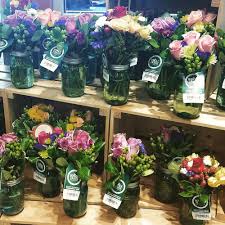
Whole Foods Flowers are important because they provide convenient access to attractive blooms while supporting gifting, decoration, celebrations, personal enjoyment, and consumer interest in responsibly sourced floral products.
1. Fresh Floral Choices: Fresh bouquets allow shoppers to select flowers according to color, arrangement style, occasion, and availability. The selection may change seasonally, encouraging customers to discover different blooms throughout the year.
2. Gift-Giving: Flowers provide a simple and versatile gifting option for birthdays, anniversaries, congratulations, sympathy, appreciation, friendship, and romantic occasions. A suitable arrangement can communicate thoughtful feelings without requiring an elaborate gift.
3. Custom Arrangements: Whole Foods Market's floral department offers custom arrangement services, allowing customers to request flowers for occasions such as weddings, birthdays, and other important celebrations according to individual requirements.
4. Home Ambiance: Fresh blooms can introduce color, texture, fragrance, and natural character into indoor spaces. A carefully maintained bouquet can become a focal point on dining tables, countertops, shelves, or entryways.
5. Seasonal Appreciation: Seasonal flower availability encourages shoppers to appreciate changing colors, forms, fragrances, and natural cycles. Seasonal buying can also provide opportunities to explore different locally available blooms and arrangements.
6. Floral Education: Exposure to different bouquets can encourage consumers to learn about flower species, arrangement techniques, freshness, stem care, and vase maintenance. This knowledge can improve the longevity and appearance of purchased flowers.
7. Sustainable Choices: Whole Foods Market highlights organic, locally grown, and Sourced for Good floral options. Such labeling can help shoppers consider sourcing practices when comparing available bouquets and arrangements.
8. Commercial Opportunities: The demand for flowers supports agricultural production, floristry, distribution, retail, event decoration, landscaping, and related businesses. Wholesale flower markets also support larger-scale purchasing for businesses and events.
9. Floral Arrangement: Flowers can transform ordinary spaces into attractive environments when arranged thoughtfully. Cut-flower production practices are important because quality harvesting and handling influence the flowers ultimately available for arrangements.
10. Support for Growers: Consumer purchases contribute to demand throughout floral supply chains. Growers who produce quality flowers depend on effective markets, proper post-harvest handling, transportation, distribution networks, retailers, and customers.
11. Emotional Well-Being: Attractive flowers can create pleasant surroundings and provide opportunities for appreciation, reflection, and enjoyment. Their presence may contribute to a welcoming environment, although flowers should not be presented as medical treatment.
12. Creative Expression: Selecting flower combinations provides an opportunity to experiment with color, height, texture, fragrance, shape, and arrangement. This creativity can make flower ownership a rewarding household activity.
Proper flower care is essential after purchase because cut blooms are perishable. Regularly changing water, trimming stems, avoiding excessive heat, and protecting flowers from direct sunlight can help maintain freshness.
Readers seeking additional guidance can learn about flower plants and their growing requirements, including environmental conditions, plant diversity, ornamental uses, and practical considerations for maintaining healthy flowering plants.
Whole Foods Flowers ultimately combine horticultural beauty with convenience and commercial accessibility. Their importance comes from the relationships they create among consumers, growers, retailers, floral professionals, and the natural world around them.
Summary on Whole Foods Flowers: All You Need To Know About
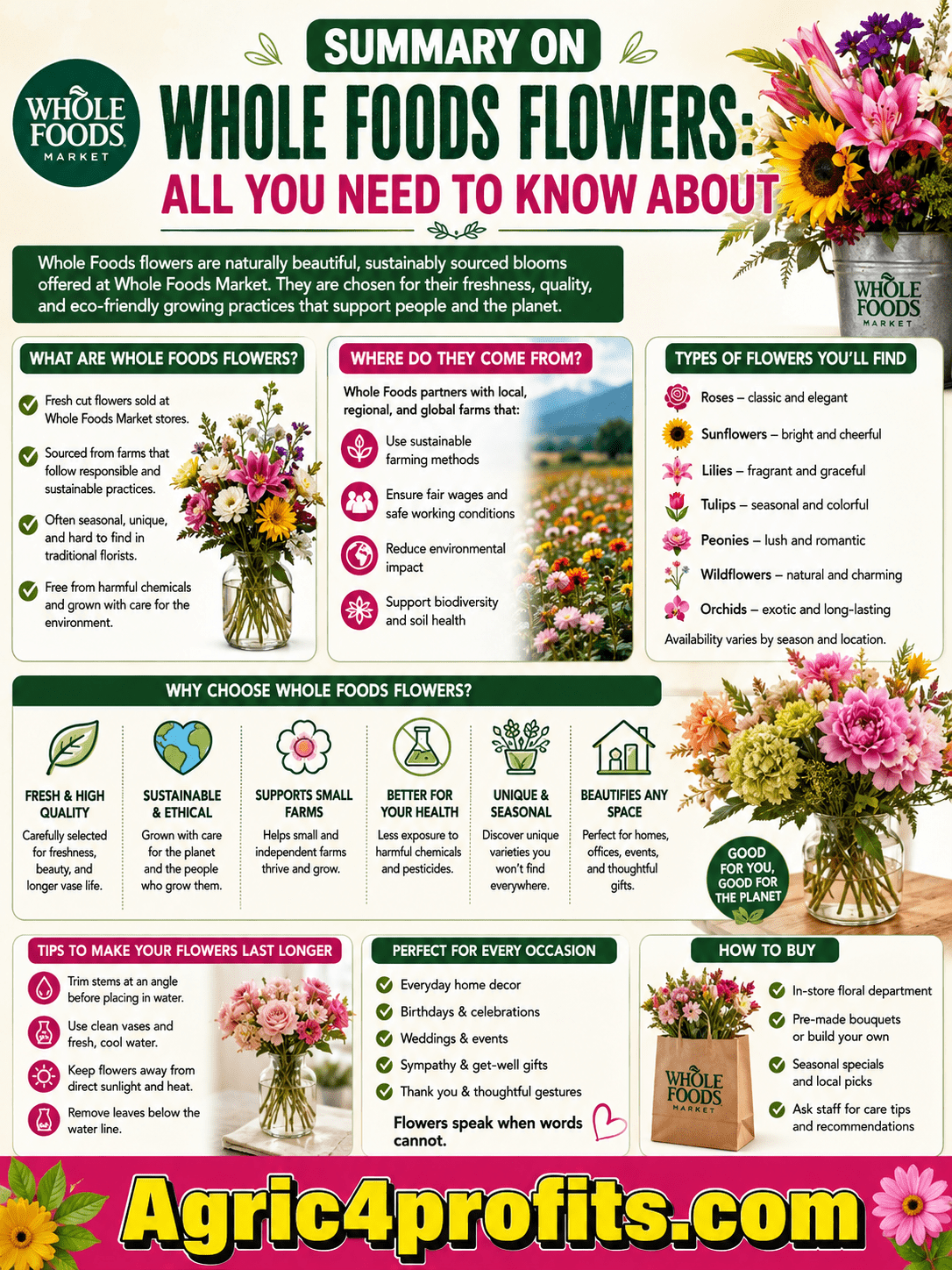
| Topic | Summary |
|---|---|
| Definition | Whole Foods Flowers refers to the floral products and services available through Whole Foods Market's floral department. |
| Flower Selection | Available choices can include roses, tulips, orchids, lilies, mixed bouquets, seasonal flowers, organic flowers, locally grown flowers, and Sourced for Good options. |
| Main Uses | Flowers can be used for gifts, weddings, birthdays, anniversaries, home decoration, sympathy, celebrations, and other special occasions. |
| Custom Arrangements | Whole Foods Market's floral department provides custom arrangement services for selected occasions, including weddings and birthdays. |
| Sourcing | The floral department highlights organic, locally grown, and Sourced for Good flowers, with some options supporting workers, communities, and environmental stewardship. |
| Freshness | Proper hydration, stem trimming, suitable temperatures, clean water, and protection from direct sunlight can help extend the appearance of cut flowers. |
| Commercial Importance | Retail flower demand supports growers, florists, wholesalers, distributors, event decorators, retailers, and other participants in the floral value chain. |
| Consumer Consideration | Customers should compare flower type, freshness, seasonality, arrangement style, sourcing information, intended use, and personal preferences when choosing bouquets. |
| Edible Flower Safety | Ornamental flowers should not automatically be considered edible. Only correctly identified flowers specifically grown and handled for food use should be consumed. |
Frequently Asked Questions About Whole Foods Flowers: All You Need To Know About
1. What are Whole Foods Flowers?
Whole Foods Flowers refers to flowers and floral arrangements available through Whole Foods Market's floral department, including options that can vary according to store location, season, supplier, and availability.
2. What types of flowers can be found at Whole Foods Market?
Whole Foods Market can offer roses, tulips, orchids, lilies, mixed bouquets, seasonal flowers, and other floral products. Exact selections, colors, sizes, and arrangements can vary between stores and seasons.
3. Does Whole Foods Market offer organic and locally grown flowers?
Yes. Whole Foods Market's floral department identifies organic and locally grown flowers among its available offerings, alongside Sourced for Good flowers and other floral choices.
4. Does Whole Foods Market offer custom flower arrangements?
Yes. Whole Foods Market states that its florists can help customers create custom arrangements, including flowers for weddings, birthdays, and other special occasions.
5. How can I make Whole Foods Flowers last longer?
Trim the stems, place flowers in clean water, avoid direct sunlight and excessive heat, and refresh the water regularly. Proper care helps reduce premature wilting and supports longer-lasting arrangements.
6. Can Whole Foods Flowers be used for weddings and other major events?
Yes. Whole Foods Market's floral department offers custom arrangements for occasions such as weddings and birthdays, although customers should contact their local store to confirm available services and requirements.
7. Are flowers purchased from a supermarket suitable for home decoration?
Yes. Fresh bouquets can decorate dining tables, living spaces, offices, bedrooms, entrances, and event areas. Choosing suitable colors, vase sizes, flower types, and arrangement styles improves their decorative effect.
8. Are Whole Foods Flowers safe to eat?
Not necessarily. Ornamental flowers should not be assumed edible because some species are unsuitable for consumption or may have been produced with treatments inappropriate for food use.
9. What should I consider when buying Whole Foods Flowers?
Consider freshness, flower type, color, arrangement style, intended occasion, seasonality, price, availability, personal preferences, and sourcing information when choosing flowers from a Whole Foods Market floral department.
Do you have any questions, suggestions, or contributions? If so, please feel free to use the comment box below to share your thoughts. We also encourage you to kindly share this information with others who might benefit from it. Since we can’t reach everyone at once, we truly appreciate your help in spreading the word. Thank you very much for your support and for sharing!
Read Also: Experience the Classic Taste of Monaco Drinks
🌱 Take Your Farming Further With Agric4Profits
Based on what you just read, here are free resources and products from Agric4Profits that can help your farm right now:
- 🛒 Visit Our Marketplace — Organic neem oil, bio-pesticides, seeds and farming products
- 📚 Read Premium Content — Advanced guides for serious and profitable farming
- 🎓 Join Our Free Academy — Structured free training for farmers across Africa
- 🔧 Use Our Free Farm Tools — Profit calculators, feed formulation, pest identifier and more
- 💬 Join Our Farming Community — Connect with farmers across all 54 African countries
- ❓ Ask a Farming Question — Get answers from experienced farmers and agricultural experts
Please cite this content in academic work, research, or publications.