


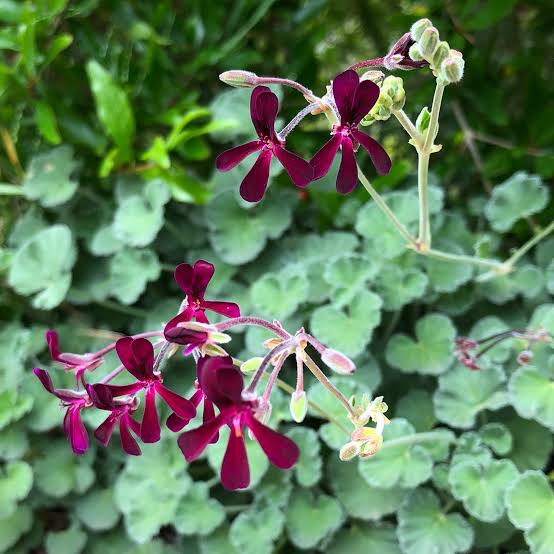
Pelargonium sidoides, tí a mọ̀ sí African Geranium, jẹ́ ewéko ìṣègùn tó yanilẹ́nu tí a mọ̀ sí South Africa. Ewéko yìí ti jẹ́ orísun àwọn oògùn àdánidá fún ọ̀pọ̀ ọ̀rúndún, ó sì jẹ́ olókìkí fún onírúurú àǹfààní ìlera rẹ̀. Nínú àpilẹ̀kọ yìí, a ó jíròrò àwọn àǹfààní ìlera ìṣègùn ti Pelargonium sidoides, ìtàn rẹ̀ nípa lílo ewéko ìṣègùn, a ó sì ṣe àgbéyẹ̀wò bí ewéko ṣe ṣe é.
Ìtàn Pelargonium sidoide gẹ́gẹ́ bí ewéko ìṣègùn ti bẹ̀rẹ̀ láti ọ̀pọ̀ ọ̀rúndún sẹ́yìn, pàápàá jùlọ nínú àṣà ìtọ́jú ìbílẹ̀ ti South Africa. Àwọn agbègbè ìbílẹ̀ ti lo onírúurú ẹ̀yà ara ewéko yìí láti tọ́jú onírúurú àìsàn. Ìmọ̀ nípa àwọn ohun-ìní ìwòsàn rẹ̀ ti tàn kálẹ̀ láti ìrandíran. Ẹ jẹ́ kí a wo ìrìn àjò onídùnnú ti Pelargonium sidoides nínú ìṣègùn ìbílẹ̀.
Apejuwe Botanical ti Pelargonium sidoides
Àwọn ohun ọ̀gbìn Pelargonium sidoide ní ọ̀pọ̀lọpọ̀ ànímọ́ ewéko tó yàtọ̀ sí àwọn ewéko mìíràn. Àwọn kókó pàtàkì mẹ́jọ tí ó wà nínú àpèjúwe ewéko rẹ̀ nìyí:
1. Irú Ewéko: Pelargonium sidoides jẹ́ ewéko onígbó tí ó máa ń wà fún ìgbà pípẹ́, èyí tí ó túmọ̀ sí wípé ó máa ń wà láàyè fún ọdún méjì ju bẹ́ẹ̀ lọ, kò sì ní ní àsopọ̀ onígi.
2. Àṣà Gíga àti Ìdàgbàsókè: Ohun ọgbin yii maa n ga to iwọn 20 si 30 inches (50 si 75 cm). O ni iwa idagbasoke ti o duro ṣinṣin pẹlu awọn igi pupọ.
3. Ewé: Àwọn ewé Pelargonium sidoides ní ìrísí tó jinlẹ̀, wọ́n sì ní ìrísí bíi ti fern. Wọ́n jẹ́ ewéko dúdú, wọ́n sì lè ní ìrísí dídán díẹ̀.
🌿 Go Organic on Your Farm: Instead of harmful chemical pesticides and fertilisers, try our organic farming products — including neem oil spray, bio-pesticides, natural plant treatments, organic seeds and seedlings, suckers, and many more organic products that are safe for your health, your family, your soil and your harvest. Shop Now →
4. Àwọn òdòdó: Àwọn òdòdó Pelargonium sidoides kéré, wọ́n sì sábà máa ń ní àwọ̀ láti pupa fẹ́lẹ́fẹ́lẹ́ sí àwọ̀ elése àlùkò. Wọ́n wà ní ìṣọ̀kan, wọ́n sì ní ìrísí ewéko márùn-ún.
5. Gbòǹgbò: Gbòǹgbò Pelargonium sidoides jẹ́ igi àti okùn onírun, èyí tí ó mú kí wọ́n níye lórí fún lílo oògùn.
6. Àwọn Ànímọ́ Olóòórùn dídùn: Àwọn ewé àti igi Pelargonium sidoide tí a fọ́ túútúú máa ń tú òórùn dídùn àti olóòórùn jáde.
7. Ibugbe Awọn ara ilu: Àwọn igi Pelargonium sidoide jẹ́ ti ìbílẹ̀ ní Ìlà Oòrùn Cape ti Gúúsù Áfíríkà, níbi tí ó ti ń gbilẹ̀ ní ilẹ̀ olókè àti àpáta.
🔧 Free Farm Tool Available: Use our free Agric4Profits Farm Tools to calculate your farm profits, formulate feeds, identify pests and diseases on both your crops and animal farms, plan your planting and harvesting season, including many more farm tasks to get free expert advice and recommendations — completely free, no registration required. Access Free Tools →
8. Lilo Àṣà: Àwọn agbègbè ìbílẹ̀ ní Gúúsù Áfíríkà ti ń lo gbòǹgbò àti àwọn ẹ̀yà ewéko mìíràn ti Pelargonium sidoide fún àwọn ohun ìní ìlera wọn tipẹ́tipẹ́.
Pinpin agbegbe ti Pelargonium sidoides
Pínpín ilẹ̀ ayé ti Pelargonium sidoides, tí a mọ̀ sí Geranium ti Áfíríkà, wà ní Gúúsù Áfíríkà ní pàtàkì. Àwọn kókó méje pàtàkì ti ìpínkiri ilẹ̀ rẹ̀ nìyí:
1. Àgbègbè Àbínibí: Àwọn Pelargonium sidoides jẹ́ ti ilẹ̀ Gúúsù Áfíríkà, pàápàá jùlọ agbègbè Ìlà Oòrùn Cape.
2. Àwọn Àyànfẹ́ Gíga: Ó máa ń gbilẹ̀ ní àwọn òkè gíga, tí a sábà máa ń rí ní àwọn agbègbè olókè ti South Africa.
3. Oju-ọjọ ti o dara: Ohun ọgbin yii fẹ́ràn ojú ọjọ́ tí ó wà ní ojú ọjọ́ tí ó gbóná pẹ̀lú àwọn àkókò tí a ti sọ dáadáa, títí bí ìgbà òtútù tí ó tutù, tí ó rọ̀ àti ìgbà ẹ̀ẹ̀rùn gbígbóná tí ó gbẹ.
💬 Have a Farming Question? Join thousands of farmers across Africa on the Agric4Profits Community — ask questions, share experiences and connect with agricultural experts. It is completely free. Ask Your Question Now →
4. Àwọn Ẹ̀yà Àgbáyé: A kà Pelargonium sidoides sí irúgbìn tó wọ́pọ̀, èyí tó túmọ̀ sí wípé a lè rí i ní àdánidá ní agbègbè kan pàtó.
5. Pínpín Lẹ́ẹ̀kan: Bó tilẹ̀ jẹ́ pé ó ti bá ibùgbé ìbílẹ̀ rẹ̀ mu dáadáa, ìpínkiri rẹ̀ ṣì wà ní agbègbè South Africa nìkan.
6. Àwọn Ìsapá Ìtọ́jú: Nítorí pé ó ní ìpínkiri ilẹ̀ ayé àti pé kò ní ìwúwo púpọ̀ fún lílo oògùn, àwọn ìsapá ìtọ́jú ti wà láti dáàbò bo àti láti pèsè ìtọ́jú àwọn ẹranko igbó Pelargonium sidoides.
7. Ìtọ́jú Òwò: Nítorí ìbéèrè gíga fún àwọn ohun-ìní oògùn rẹ̀, a ti gbìyànjú láti gbin Pelargonium sidoides ní ọjà ní South Africa.
Isopọ kemikali ti Pelargonium sidoides
Àkójọpọ̀ kẹ́míkà ti Pelargonium sidoides jẹ́ ohun tí ó gba àfiyèsí gidigidi nítorí àwọn ohun ìní rẹ̀ tí ó lè ṣe ìtọ́jú. Àwọn èròjà pàtàkì mẹ́jọ tí a rí nínú Pelargonium sidoides nìyí:
1. Umckalin: Umckalin jẹ́ ọ̀kan lára àwọn èròjà oníṣẹ́-abẹ tó gbajúmọ̀ nínú Pelargonium sidoides, tí a mọ̀ fún àwọn ohun-ìní rẹ̀ tó lè dènà àrùn àti ìgbóná ara.
2. Àwọn Prodelphinidin: Àwọn agbo ogun wọ̀nyí ló ń fa adùn ìfàmọ́ra ti Pelargonium sidoides, wọ́n sì lè ṣe ipa pàtàkì nínú ipa rẹ̀ nínú oògùn.
3. Àwọn tannin: Pelargonium sidoides ní àwọn tannins, tí wọ́n ní àwọn ohun ìní antioxidant tí wọ́n sì lè dáàbò bo àwọn sẹ́ẹ̀lì kúrò lọ́wọ́ ìbàjẹ́ oxidative.
4. Àwọn flavonoids: Àwọn flavonoids jẹ́ àwọn metabolites kejì tí a rí nínú Pelargonium sidoides, tí ó ń ṣe àfikún sí àwọn àǹfààní ìlera tí ó ṣeéṣe.
📖 Want to Go Deeper on This Topic?
Our expert agricultural ebooks cover poultry, fish farming, different crops production, snail farming, organic farming, mushrooms, sheep, cattle, flowers, pig farming, goat farming, agribusiness, etc. in practical step-by-step detail — written by agricultural professionals for African farmers.
Browse All Farming Ebooks →5. Àwọn Alkyl Phenols: A ti ṣe idanimọ awọn agbo ogun wọnyi ninu Pelargonium sidoides ati pe a gbagbọ pe wọn ni awọn agbara antimicrobial.
6. Àwọn Kúmárìnì: A ti rí àwọn ohun tí a fi coumarin ṣe nínú Pelargonium sidoides, èyí tí ó lè ní agbára ìtọ́jú.
7. Àwọn epo pàtàkì: Ewéko náà ní àwọn epo pàtàkì pẹ̀lú àwọn ohun èlò olóòórùn dídùn, èyí tí ó ń fi kún lílo rẹ̀ gẹ́gẹ́ bí àṣà àti oúnjẹ.
8. Àwọn polyphenols: Àwọn agbo ogun polyphenolic tí a rí nínú Pelargonium sidoides ń ṣe àfikún sí àwọn ohun tí ó lè mú kí ara le koko àti àwọn ohun tí ó lè mú kí ara le.
Ogbin ati idagbasoke ti Pelargonium sidoides
Àṣeyọrí ìtọ́jú Pelargonium sidoides ṣe pàtàkì láti mú kí ìbéèrè fún àwọn ohun-ìní ìlera rẹ̀ sunwọ̀n síi. Àwọn kókó mẹ́fà pàtàkì nínú ìtọ́jú àti ìdàgbàsókè rẹ̀ nìyí:
1. Awọn ipo ayika: Àwọn igi Pelargonium sidoide máa ń dàgbà ní ilẹ̀ tí omi ti gbẹ dáadáa pẹ̀lú omi tó dáa àti ojú ọjọ́ tó wà ní ìwọ̀nba.
2. Àwọn Ìrònú Gíga: Iṣẹ́ àgbẹ̀ ní ọjà sábà máa ń wáyé ní àwọn ibi gíga, èyí tí ó máa ń ṣe àwòkọ́ṣe ibùgbé wọn.
3. Ìtankalẹ̀: Nigbagbogbo o ntan nipasẹ awọn irugbin, awọn gige tabi awọn rhizomes.
4. Àṣà Ìdàgbàsókè: Pelargonium sidoides ní àṣà ìdàgbàsókè onígbó pẹ̀lú ọ̀pọ̀lọpọ̀ igi àti àwọn òdòdó kéékèèké tó fani mọ́ra.
5. Ìṣàkóso Àrùn àti Àrùn: Gẹ́gẹ́ bí ọ̀pọ̀lọpọ̀ ewéko tí a gbìn, ó lè nílò ìtọ́jú àwọn kòkòrò àti àrùn láti rí i dájú pé wọ́n dàgbà dáadáa.
6. Ìkórè Aláìléwu: A n sa ipa lati rii daju pe ikore jẹ alagbero ati pe ko ṣe ipalara fun awọn eweko ti o wa ninu igbo.
Ikore ati ilana ti Pelargonium sidoides
Gbígbé àti ṣíṣe Pelargonium sidoides jẹ́ àwọn ìgbésẹ̀ pàtàkì láti mú kí àwọn ohun ìní ìṣègùn rẹ̀ wà fún lílò. Àwọn kókó mẹ́sàn-án pàtàkì nínú àwọn ìlànà wọ̀nyí nìyí:
1. Àkókò Ìkórè: Gbòǹgbò àti rhizomes ti Pelargonium sidoides ni a maa n gba ni akoko isinmi awọn irugbin, nigbagbogbo ni igba otutu.
2. Ìkórè Aláìléwu: A n sa ipa lati rii daju pe awọn olugbe igbó ko ni ikore ju, ati pe a lo awọn ilana ikore alagbero.
3. Fọ àti Fọ: A máa ń fọ gbòǹgbò àti àwọn rhizome tí a bá kórè, a sì máa ń fọ wọ́n láti mú ìdọ̀tí àti èérí kúrò.
4. Gbígbẹ: Lẹ́yìn tí a bá ti fọ̀ ọ́ mọ́, a máa ń gbẹ ohun èlò ewéko náà dáadáa, nígbà míìrán nínú oòrùn tàbí pẹ̀lú lílo àwọn ohun èlò gbígbẹ pàtàkì.
5. Lilọ ati Lilọ: A máa ń lọ̀ ohun èlò Pelargonium sidoide tí a ti gbẹ tàbí kí a fi ṣe lulú díẹ̀ fún onírúurú ohun èlò.
6. Ìyọkúrò: Àwọn ìṣètò ìṣègùn kan ní láti fa àwọn èròjà bioactive jáde nípa lílo àwọn ohun olómi pàtó kan.
7. Iṣakoso Didara: Awọn igbese iṣakoso didara ni a ṣe lati rii daju pe mimọ ati agbara ti awọn ọja Pelargonium sidoides.
8. Ìṣètò: Gẹ́gẹ́ bí a ṣe fẹ́ lò ó, a lè ṣe Pelargonium sidoide sí oríṣiríṣi oògùn bíi tinctures, capsules, tàbí syrups.
9. Àkójọpọ̀ àti Ìfàmìsí: A máa ń kó àwọn ọjà tí a ti parí sínú àpótí àti àmì wọn gẹ́gẹ́ bí ìlànà tó wà, èyí tí yóò fún wa ní ìwífún nípa lílo àti ìwọ̀n tí a lò.
Ka Bakannaa: Bó ṣe lè tọ́ àwọn ohun èlò ìtọ́jú ọmọ (Ehoro ọmọ) pẹ̀lú Doe mìíràn (Ehoro abo àgbàlagbà)
Àwọn àǹfààní ìlera oògùn ti Pelargonium sidoides (Geranium ti Áfíríkà)
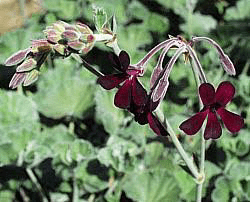
Pelargonium sidoides, tí a mọ̀ sí African Geranium, ní ìtàn pípẹ́ ti lílo oògùn ìbílẹ̀. Àwọn àǹfààní ìlera rẹ̀ ló ti mú kí ó jẹ́ àṣàyàn tí ó gbajúmọ̀ fún àwọn oògùn àdánidá. Àwọn àǹfààní pàtàkì mẹ́tàlá nìyí tí ó wà nínú fífi Pelargonium sidoide kún ètò ìlera rẹ:
1. Ilera ti Eémí: A mọ Pelargonium sidoides fun awọn anfani atẹgun rẹ, o ṣe iranlọwọ lati dinku ikọ, bronchitis, ati awọn aami aisan ti otutu.
2. Àtìlẹ́yìn fún Ètò Àjẹ́sára: Ó ń mú kí ètò ààbò ara lágbára sí i, ó sì ń ran ara lọ́wọ́ láti gbógun ti àkóràn lọ́nà tó dára jù.
3. Egbòogi-ìgbóná ara: Pelargonium sidoides ní àwọn agbára ìdènà ìgbóná ara, èyí tí ó lè dín àwọn àmì àrùn tí ó níí ṣe pẹ̀lú ìgbóná ara kù, bí ọ̀fun ríro.
4. Àìsàn-àrùn: Ó ní agbára ìdènà àrùn, èyí sì mú kí ó ṣiṣẹ́ dáadáa fún àwọn àkóràn bí ibà.
5. Àwọn ipa ẹ̀gbin afẹ́fẹ́: Ohun ọgbin naa ni awọn antioxidants ti o daabobo awọn sẹẹli kuro ninu wahala oxidative ati ibajẹ ti awọn radicals ọfẹ fa.
6. Ìlera Ìfun: Àwọn Pelargonium sidoides lè dín ìrora inú ikùn, títí bí ikùn àti àìjẹun dáadáa.
7. Àwọn Ànímọ́ Egbòogi-àrùn: Ó ní àwọn agbára ìdènà àrùn, èyí tí ó ń ran àwọn àkóràn kòkòrò àrùn lọ́wọ́.
8. Idinku imú: Ewéko náà lè dín ìṣẹ̀dá omi ara tó pọ̀ jù nínú ẹ̀rọ atẹ́gùn kù, èyí sì lè dín ìdènà ìdènà kù.
9. Ìtura fún àrùn ibà ẹ̀dọ̀fóró: Pelargonium sidoides may alleviate symptoms of sinusitis, such as nasal congestion and sinus pain.
10. Immune System Modulation: It modulates the immune system, balancing its responses and preventing overreactions.
11. Sore Throat Relief: Pelargonium sidoides can ease the discomfort of sore throats and promote healing.
12. Cough Suppressant: It acts as a cough suppressant, reducing the frequency and severity of coughing fits.
13. Ear Infection Support: In some cases, it has been used to support the treatment of ear infections.
The Methods of Usage to Achieve the Provided Health Benefits Of Pelargonium sidoides
To harness the health benefits of Pelargonium sidoides, various methods of usage can be employed. Here are eight effective ways to achieve these benefits:
1. Oral Supplements: Pelargonium sidoides is available in various oral supplement forms, including capsules and liquid extracts.
2. Herbal Teas: Preparations of Pelargonium sidoides can be made into soothing herbal teas for respiratory relief.
3. Syrups: Syrups containing Pelargonium sidoides are commonly used for cough and cold relief.
4. Tinctures: Tinctures provide a concentrated form of Pelargonium sidoides for ease of use.
5. Steam Inhalation: Inhaling steam infused with Pelargonium sidoides extracts can relieve respiratory congestion.
6. Throat Lozenges: Lozenges containing Pelargonium sidoides are available to ease sore throat symptoms.
7. Chest Rubs: Topical ointments or rubs can be applied to the chest to alleviate respiratory discomfort.
8. Liquid Extracts: Liquid extracts of Pelargonium sidoides can be added to beverages for consumption.
The Side Effects Of Using Pelargonium sidoides Medicinal Plant
While Pelargonium sidoides offers numerous health benefits, its important to be aware of potential side effects. Here are seven side effects to consider:
1. Gastrointestinal Upset: Some individuals may experience mild gastrointestinal discomfort, such as nausea or diarrhea.
2. Allergic Reactions: Although rare, allergic reactions like itching or skin rashes have been reported in response to Pelargonium sidoides.
3. Interactions with Medications: Pelargonium sidoides may interact with certain medications, so consult a healthcare provider if you are on medication.
4. Avoid During Pregnancy: Pregnant women are advised to avoid Pelargonium sidoides due to potential uterine contractions.
5. Not for Children Under Six: The use of Pelargonium sidoides is generally not recommended for children under six years old.
6. Liver Health: Rare cases of liver toxicity have been associated with Pelargonium sidoides use, so its important to use it cautiously and under medical supervision.
7. Use Under Guidance: Always use Pelargonium sidoides products under the guidance of a qualified healthcare professional.
Read Also: 12 Medicinal Health Benefits Of Oenothera biennis (Evening Primrose)
The Scientific Research and Studies of Pelargonium sidoides
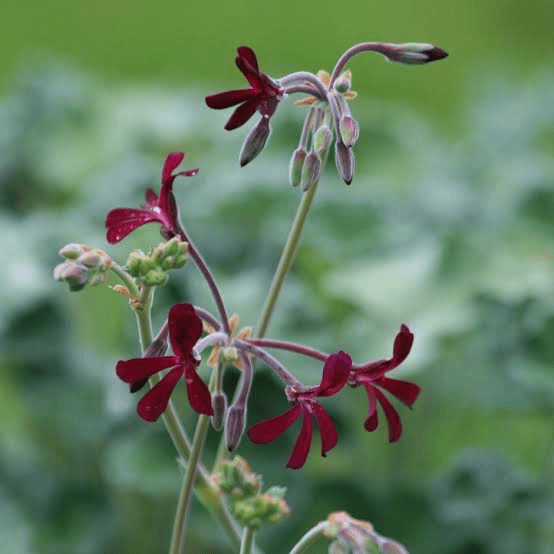
Scientific research and studies have explored various aspects of Pelargonium sidoides properties and applications. Here are eight notable findings from scientific research:
1. Respiratory Benefits: Numerous studies have confirmed the effectiveness of Pelargonium sidoides in alleviating respiratory symptoms.
2. Antiviral Properties: Research has highlighted its antiviral properties, particularly against the influenza virus.
3. Immune Modulation: Pelargonium sidoides has been found to modulate the immune system, enhancing its responses when needed.
4. Anti-Inflammatory Effects: Studies have demonstrated its anti-inflammatory effects, which contribute to its therapeutic benefits.
5. Safety Profile: Research has evaluated its safety profile, confirming its general safety when used as directed.
6. Clinical Trials: Controlled clinical trials have supported its efficacy in treating respiratory infections.
7. Antibacterial Activity: Pelargonium sidoides has shown antibacterial activity against various strains.
8. Mechanism of Action: Research has delved into the plants mechanisms of action, shedding light on its therapeutic effects.
The Safety Precautions and Recommendations In Using Pelargonium sidoides Medicinal Plant
When using Pelargonium sidoides for its medicinal benefits, its crucial to prioritize safety and follow recommendations to ensure a positive experience. Here are seven key safety precautions and recommendations:
1. Dosage Guidelines: Adhere to recommended dosage guidelines provided on product labels or by healthcare professionals to avoid overuse.
2. Consultation: Consult with a healthcare provider before starting Pelargonium sidoides, especially if you have underlying medical conditions or are taking medications.
3. Allergic Reactions: Be vigilant for allergic reactions, although rare. Discontinue use if you experience itching, rash, or hives.
4. Children and Infants: Use pediatric formulations when administering Pelargonium sidoides to children. It is not recommended for infants without medical guidance.
5. Pregnancy and Breastfeeding: Due to limited safety data, pregnant and breastfeeding individuals should use Pelargonium sidoides cautiously and under medical supervision.
6. Complementary Use: Inform your healthcare provider if you plan to use Pelargonium sidoides alongside other medications or herbal remedies to avoid potential interactions.
7. Monitoring: Pay attention to your bodys response and report any adverse effects to your healthcare provider promptly.
The Legal Status and Regulations In Using Pelargonium sidoides Medicinal Plant
The legal status and regulations concerning the use of Pelargonium sidoides for medicinal purposes can vary by region and country. Here are six important points to consider, although specific regulations may change over time:
1. Dietary Supplement Regulations: In some countries, Pelargonium sidoides products are classified as dietary supplements, subject to regulations governing their production and labeling.
2. Herbal Medicine Laws: Àwọn agbègbè kan ní àwọn òfin pàtó kan tí ó ń ṣàkóso lílo Pelargonium sidoide nínú ìṣègùn ewéko, èyí tí ó lè ní nínú ìṣàkóso dídára àti àwọn ohun tí a nílò láti fi àmì sí.
3. Ààbò Lílo Àṣà Àtijọ́: A le sa ipa lati daabobo imọ ibile ti o ni nkan ṣe pẹlu Pelargonium sidoides ati lati dena ilokulo.
4. Àwọn ìlànà ìgbéwọlé àti ìkójáde ọjà: Ìbámu pẹ̀lú àwọn ìlànà ìṣòwò àgbáyé lè jẹ́ pàtàkì tí o bá ń gbèrò láti kó àwọn ọjà tí ó dá lórí Pelargonium sidoides wọlé tàbí kó jáde.
5. Àwọn Òfin Ìtọ́jú Àdúgbò: Awọn ofin fun ogbin Pelargonium sidoides le wa, paapaa ni awọn agbegbe ti o ni aabo tabi ti o ni imọlara.
6. Àbójútó Ààbò: Àwọn ẹgbẹ́ ìlànà lè máa ṣe àkíyèsí ààbò àwọn ọjà Pelargonium sidoides ní ọjà, kí wọ́n sì gbé ìgbésẹ̀ tí àwọn ìṣòro ààbò bá dìde.
Jọwọ ṣe akiyesi pe ipo ofin ati awọn ilana nipa Pelargonium sidoides le yipada, nitorinaa o ṣe pataki lati kan si awọn alaṣẹ agbegbe tabi awọn amoye ofin fun alaye tuntun ni agbegbe rẹ.
Awọn ibeere ti a beere nipa Pelargonium sidoides Oogun ọgbin
Àwọn ìbéèrè mẹ́tàdínlógún tí a sábà máa ń béèrè nípa Pelargonium sidoides nìyí láti fún wa ní òye síi nípa lílò àti àǹfààní rẹ̀:
1. Ṣé Pelargonium sidoides jẹ́ ààbò fún lílo ojoojúmọ́?
Lilo ojoojumọ ti o wa ni iwọnwọn ati ti a ṣeduro jẹ ailewu nigbagbogbo fun ọpọlọpọ awọn eniyan.
2. Ṣé mo lè lò ó láti tọ́jú òtútù?
Bẹ́ẹ̀ni, a sábà máa ń lo Pelargonium sidoides láti dín àwọn àmì àrùn òtútù kù.
3. Ṣé ó máa ń bá àwọn oògùn apàrora lò?
Ó ṣeé ṣe kí àwọn oògùn aporó kan bá ara wọn mu, nítorí náà, bá olùtọ́jú ìlera sọ̀rọ̀ tí o bá ń lo oògùn aporó.
4. Ṣé ó yẹ fún àwọn ọmọdé?
Àwọn oògùn ìtọ́jú ọmọdé wà, wọ́n sì dára fún àwọn ọmọdé tí wọ́n ní ìṣòro èémí.
5. Ṣé mo lè lò ó pẹ̀lú àwọn oògùn ewéko mìíràn?
A le lo o pelu awon oogun ewebe miiran, sugbon kan si olupese ilera lati rii daju pe o ni aabo.
6. Ṣé ó ń ran lọ́wọ́ pẹ̀lú àrùn ẹ̀gbà tí ó ń gbóná janjan?
A ti lo Pelargonium sidoides lati dinku awọn aami aisan ti bronchitis onibaje.
7. Ṣé mo lè mu ún nígbà tí mo bá lóyún?
Àwọn aboyún gbọ́dọ̀ lò ó pẹ̀lú ìṣọ́ra àti lábẹ́ àbójútó ìṣègùn nítorí pé àwọn ìwádìí ààbò kò tó nǹkan.
8. Ṣé ó ní ìbáṣepọ̀ oògùn tí a mọ̀?
Àwọn oògùn Pelargonium sidoide lè bá àwọn oògùn kan lò, nítorí náà, bá olùtọ́jú ìlera sọ̀rọ̀ tí o bá ń lo oògùn.
9. Ṣé ó gbéṣẹ́ fún àwọn àléjì?
A maa n lo o fun awon oro emi, kii se fun awon ti ara won n fa ailera.
10. Ṣé mo lè lò ó fún àkóràn etí?
Ó lè ṣe ìrànlọ́wọ́ láti ṣàkóso àkóràn etí tí ó níí ṣe pẹ̀lú àwọn àìsàn èémí.
11. Ṣé ó ní àwọn ipa ìtura kankan?
Kì í sábàá ní í ṣe pẹ̀lú àwọn ipa ìtútù.
12. Ṣé a lè lò ó fún àìsàn ikọ́ ẹ̀gbẹ?
Ó lè mú kí àwọn àmì àrùn èémí dínkù díẹ̀, ṣùgbọ́n kì í ṣe rọ́pò àwọn oògùn ikọ́ ẹ̀fọ́.
13. Ǹjẹ́ àwọn ìdíwọ́ ọjọ́-orí kan wà fún lílò?
Ó sábà máa ń dáàbò bo àwọn àgbàlagbà àti àwọn ọmọdé tí wọ́n ju ọjọ́ orí kan lọ, gẹ́gẹ́ bí a ṣe fi hàn lórí àwọn àmì ọjà náà.
14. Ṣé mo lè lò ó pẹ̀lú ẹ̀jẹ̀ ríru gíga?
Kan si olupese ilera ti o ba ni titẹ ẹjẹ giga ṣaaju lilo Pelargonium sidoides.
15. Ṣé mo lè rí i ní ìrísí tíì?
Bẹ́ẹ̀ni, Pelargonium sidoides wà gẹ́gẹ́ bí ewéko tí a lè lò fún ìlera atẹ́gùn.
16. Ṣé ó ń ran àwọn àkóràn sinus lọ́wọ́?
Ó lè mú kí ó rọrùn láti dín àwọn àmì àrùn sinusitis tó le koko kù.
17. Ṣé ó yẹ fún àwọn ènìyàn tí wọ́n ní àrùn ẹ̀dọ̀?
Nítorí àwọn ìròyìn tó ṣọ̀wọ́n nípa àwọn ipa ẹ̀dọ̀ tó ní lórí ẹ̀dọ̀, bá olùtọ́jú ìlera sọ̀rọ̀ tí o bá ní àwọn àrùn ẹ̀dọ̀.
18. Ṣé mo lè lò ó fún ìtura ọ̀fun ríro?
Bẹ́ẹ̀ni, Pelargonium sidoides le ran ọrùn ọfun lọ́wọ́ láti tù ú lára kí ó sì dín ìrora kù.
Ka Bakannaa: Ipa ti Sisọ Inhaler nu lori Ayika wa
🌱 Take Your Farming Further With Agric4Profits
Based on what you just read, here are free resources and products from Agric4Profits that can help your farm right now:
- 🛒 Visit Our Marketplace — Organic neem oil, bio-pesticides, seeds and farming products
- 📚 Read Premium Content — Advanced guides for serious and profitable farming
- 🎓 Join Our Free Academy — Structured free training for farmers across Africa
- 🔧 Use Our Free Farm Tools — Profit calculators, feed formulation, pest identifier and more
- 💬 Join Our Farming Community — Connect with farmers across all 54 African countries
- ❓ Ask a Farming Question — Get answers from experienced farmers and agricultural experts
Please cite this content in academic work, research, or publications.