


Ata Alligator jẹ́ ata pàtàkì kan tí ọ̀pọ̀ ènìyàn fẹ́ràn láti lò nígbà tí wọ́n bá ń se oúnjẹ. Kò dà bí ata tí wọ́n lè fi sí orí písà tàbí nínú sánwíṣì. Ata Alligator yàtọ̀, ó sì ti pẹ́ tí wọ́n ti ń lò ó ní onírúurú ọ̀nà.
Ata Alligator wá láti inú ewéko kan tí ó ń hù ní àwọn apá kan ní ìwọ̀ oòrùn Áfíríkà. Orúkọ ìmọ̀ sáyẹ́ǹsì fún ewéko yìí ni Aframomum melegueta, ṣùgbọ́n ọ̀pọ̀ ènìyàn kàn ń pè é ní Ata Alligator nítorí ìrísí rẹ̀. Àwọn ewéko yìí dà bí àwọn ìṣùpọ̀ alligator kékeré, ìdí nìyí tí orúkọ náà fi jẹ́ bẹ́ẹ̀.
Àwọn ènìyàn ní ìwọ̀ oòrùn Áfíríkà ti ń lo Alligator Pepper fún ìgbà pípẹ́. Wọ́n máa ń lò ó láti fi adùn kún oúnjẹ wọn, ó sì ní adùn tó dùn, tó sì ń mú kí ara gbóná. Tí o bá bu ewé Alligator Pepper kan jẹ, o máa ń nímọ̀lára ìgbóná àti ìgbóná lórí ahọ́n rẹ. Àwọn kan tiẹ̀ máa ń sọ pé ó dà bí àdàpọ̀ ata dúdú àti ata ilẹ̀.
Ṣùgbọ́n a kì í lo Alligator Pepper fún sísè nìkan. Ó ní ọ̀pọ̀lọpọ̀ nǹkan míìrán pẹ̀lú. Ní àwọn àṣà kan, a kà á sí oògùn. Àwọn ènìyàn gbàgbọ́ pé ó lè ran ìjẹun lọ́wọ́ àti dín ìṣòro ikùn kù. Àwọn mìíràn rò pé ó lè mú kí agbára rẹ pọ̀ sí i, kí ó sì mú kí o nímọ̀lára ìṣọ́ra sí i.
Ní àwọn apá kan ní ìwọ̀ oòrùn Áfíríkà, wọ́n tún máa ń lo Alligator Pepper nínú àwọn ayẹyẹ àti àṣà ìbílẹ̀. Wọ́n sábà máa ń rí i gẹ́gẹ́ bí àmì àlejò àti ọ̀rẹ́. Nígbà tí o bá ṣèbẹ̀wò sí ilé ẹnìkan, wọ́n lè fún ọ ní ẹja Alligator Pepper gẹ́gẹ́ bí àmì ìfẹ́ inú rere.
Ọ̀nà tí wọ́n gbà ń lo Alligator Pepper lè yàtọ̀ láti ibì kan sí ibòmíràn. Àwọn kan máa ń lọ̀ ọ́ di lulú wọ́n sì máa ń lò ó gẹ́gẹ́ bí turari nígbà tí wọ́n bá ń se oúnjẹ. Àwọn mìíràn máa ń jẹ ẹ́ tààrà láti gbádùn adùn ata rẹ̀ àti àǹfààní ìlera tó ṣeé ṣe. Wọ́n tún máa ń lò ó nínú ìtọ́jú ewéko, níbi tí wọ́n ti gbàgbọ́ pé ó ní àwọn ohun tó lè mú kí ara sàn.
🌿 Go Organic on Your Farm: Instead of harmful chemical pesticides and fertilisers, try our organic farming products — including neem oil spray, bio-pesticides, natural plant treatments, organic seeds and seedlings, suckers, and many more organic products that are safe for your health, your family, your soil and your harvest. Shop Now →
Ohun kan tó dùn mọ́ni nípa Alligator Pepper ni pé ó ní àwọn èròjà tí àwọn olùwádìí ti rí pé ó ní àwọn àǹfààní ìlera tó ṣeéṣe. Àwọn èròjà wọ̀nyí ní àwọn antioxidants, èyí tó lè dáàbò bo ara rẹ kúrò lọ́wọ́ ìbàjẹ́ tí àwọn èròjà burúkú tí a ń pè ní free radicals ń fà. Àwọn ìwádìí kan dámọ̀ràn pé Alligator Pepper lè ní àwọn ànímọ́ tó ń dènà ìgbóná ara àti ìpalára.
Ni afikun, Alligator Pepper jẹ turari alailẹgbẹ ati adun ti a ti nifẹẹ si ni Iwọ-oorun Afirika fun ọpọlọpọ awọn iran. Adun ata ati awọn anfani ilera ti o le ni jẹ ki o jẹ eroja pataki ninu sise ati oogun ibile. Boya o fẹ lati ṣafikun si ounjẹ rẹ tabi ṣawari pataki asa rẹ, Alligator Pepper jẹ turari ti o nifẹẹ ati ti o yatọ.
Ka Bakannaa: Oríṣiríṣi Ewúrẹ́ - Ìwé Ìròyìn àti Eran Ewúrẹ́
Bí a ṣe lè gbin àti tọ́jú ata Alligator
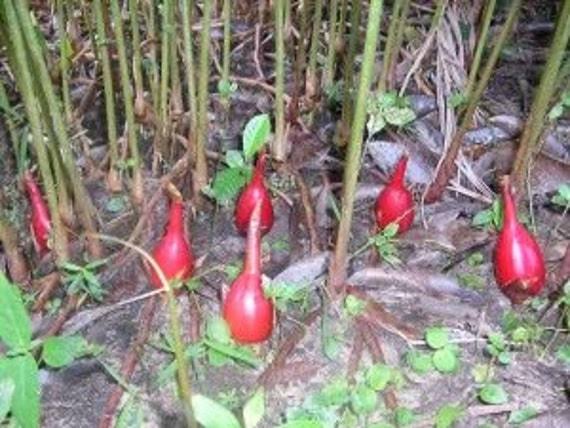
Gbígbé àti ìtọ́jú àwọn ewéko ata Alligator lè jẹ́ ìrírí tó dára. Àwọn ewéko wọ̀nyí, tí a tún mọ̀ sí Aframomum melegueta, jẹ́ ti ìwọ̀ oòrùn Áfíríkà, a sì mọ̀ wọ́n fún àwọn ata wọn tó dùn àti tó yàtọ̀. Àwọn ìgbésẹ̀ díẹ̀ nìyí láti ràn ọ́ lọ́wọ́ láti dàgbà àti láti tọ́jú ata Alligator:
🔧 Free Farm Tool Available: Use our free Agric4Profits Farm Tools to calculate your farm profits, formulate feeds, identify pests and diseases on both your crops and animal farms, plan your planting and harvesting season, including many more farm tasks to get free expert advice and recommendations — completely free, no registration required. Access Free Tools →
1. Yan Ibi Ti O To: Alligator Pepper plants thrive in warm and humid conditions. Select a location in your garden that receives partial shade to full shade, as direct sunlight can scorch the plants. Ensure that the soil is well-draining and rich in organic matter.
2. Planting Alligator Pepper: Alligator Pepper is usually grown from rhizomes, which are underground stems. You can obtain these rhizomes from a nursery or from an established plant. Plant the rhizomes about 1 to 2 inches deep in the soil, leaving some space (around 2 to 3 feet) between each plant to allow for proper growth. Water the newly planted rhizomes thoroughly.
3. Watering: Alligator Pepper plants require consistent moisture. Keep the soil evenly moist, but avoid overwatering, as they dont like to sit in waterlogged soil. During dry periods, water the plants deeply, but allow the top layer of soil to dry out between waterings.
4. Fertilizing: Use a balanced, slow-release fertilizer to nourish your Alligator Pepper plants. Apply the fertilizer in the spring and again in mid-summer. Be mindful not to over-fertilize, as this can harm the plants. Follow the instructions on the fertilizer package.
5. Pruning and Maintenance: Prune your Alligator Pepper plants as needed to remove dead or damaged leaves and encourage healthy growth. Mulch the base of the plants to retain soil moisture and suppress weeds.
💬 Have a Farming Question? Join thousands of farmers across Africa on the Agric4Profits Community — ask questions, share experiences and connect with agricultural experts. It is completely free. Ask Your Question Now →
6. Harvesting: Alligator Pepper plants typically take a year or more to produce their signature peppers. The pods turn from green to red when they are ripe and ready for harvest. Harvest the peppers by cutting the pods from the plant using sharp scissors or pruning shears.
7. Pest and Disease Control: Keep an eye out for pests like aphids and mealybugs, which can sometimes affect Alligator Pepper plants. If you notice an infestation, treat it with organic pest control methods or insecticidal soap. Proper care, including good air circulation and avoiding overcrowding, can help prevent fungal diseases.
8. Winter Protection: In regions with colder winters, Alligator Pepper plants may need protection from frost. Consider bringing potted plants indoors or providing them with frost blankets or cloths.
By following these care guidelines, you can successfully grow and enjoy the unique flavor of Alligator Pepper in your garden. Remember that these plants require patience, but the reward of harvesting your own flavorful peppers is well worth the effort.
13 Health Benefits of Alligator Pepper
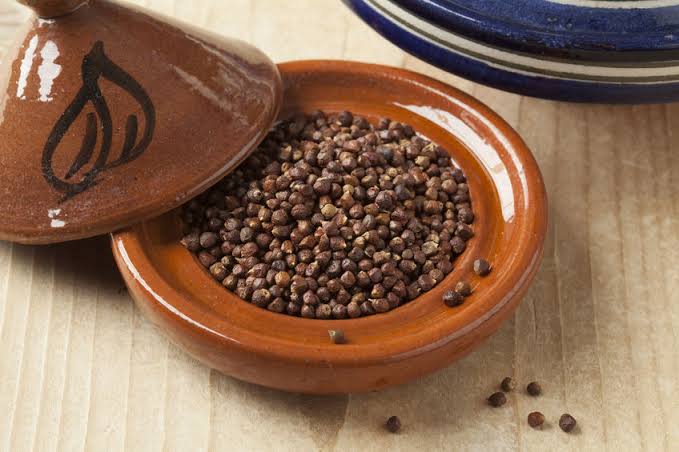
Alligator Pepper, also known as Aframomum melegueta, is not just a flavorful spice, it also offers potential health benefits due to its chemical composition. Here are 13 health benefits associated with Alligator Pepper:
1. Digestive Aid: Alligator Pepper is believed to aid digestion by stimulating the production of digestive enzymes, which can help alleviate indigestion and bloating.
2. Anti-Inflammatory: Compounds in Alligator Pepper may possess anti-inflammatory properties, potentially reducing inflammation in the body.
3. Antioxidant Rich: Alligator Pepper contains antioxidants that can help protect cells from damage caused by free radicals, potentially lowering the risk of chronic diseases.
4. Pain Relief: Some people use Alligator Pepper for pain relief, especially for conditions like headaches and joint pain.
📖 Want to Go Deeper on This Topic?
Our expert agricultural ebooks cover poultry, fish farming, different crops production, snail farming, organic farming, mushrooms, sheep, cattle, flowers, pig farming, goat farming, agribusiness, etc. in practical step-by-step detail — written by agricultural professionals for African farmers.
Browse All Farming Ebooks →5. Blood Sugar Control: Preliminary studies suggest that Alligator Pepper may help regulate blood sugar levels, which is beneficial for individuals with diabetes.
6. Antimicrobial: Compounds in Alligator Pepper may exhibit antimicrobial properties, helping to fight off harmful bacteria and fungi.
7. Weight Management: The spices potential ability to enhance metabolism could aid in weight management efforts.
8. Aphrodisiac: In some cultures, Alligator Pepper is considered an aphrodisiac, believed to enhance sexual desire and performance.
9. Respiratory Health: Alligator Peppers warming properties may provide relief from respiratory issues like colds, coughs, and congestion.
10. Anti-Arthritic: Some individuals use Alligator Pepper to ease the symptoms of arthritis, thanks to its potential anti-inflammatory effects.
11. Cardiovascular Health: It may help improve heart health by potentially reducing cholesterol levels and supporting overall cardiovascular function.
12. Stress Reduction: Alligator Pepper is sometimes used to reduce stress and anxiety due to its warming and soothing properties.
13. Immune Support: The antioxidants and anti-inflammatory compounds in Alligator Pepper may contribute to a strengthened immune system.
Its important to note that while these potential health benefits are promising, more scientific research is needed to fully understand the extent of Alligator Peppers effects on health. Additionally, individual responses to this spice may vary, and it should be consumed in moderation as part of a balanced diet. Always consult with a healthcare professional before incorporating new herbs or spices into your wellness routine, especially if you have underlying medical conditions or are taking medications.
Scientific Evidence and Case Studies on Alligator Pepper
1. Antimicrobial Activity: Studies have shown that alligator pepper (Aframomum melegueta) contains bioactive compounds such as gingerol and paradol, which possess strong antimicrobial properties that inhibit the growth of harmful bacteria and fungi.
2. Anti-inflammatory Effects: Research indicates that the seeds and extracts of alligator pepper help reduce inflammation and swelling by suppressing inflammatory mediators in the body.
3. Antioxidant Potential: Scientific evidence reveals that alligator pepper is rich in phenolic compounds and flavonoids, which act as antioxidants to protect cells from oxidative damage and prevent chronic diseases.
4. Analgesic Properties: Experimental studies demonstrate that alligator pepper has pain-relieving effects, making it beneficial for reducing headaches, toothaches, and other types of discomfort.
5. Metabolic and Cardiovascular Benefits: Research suggests that regular consumption of alligator pepper may help lower blood glucose and cholesterol levels, supporting metabolic health and heart function.
Nutritional Value Of Alligator Pepper
1. Rich in Antioxidants: Alligator pepper contains flavonoids and polyphenols that protect the body from oxidative stress and enhance overall health.
2. Contains Essential Oils: It is high in aromatic essential oils that aid digestion, relieve nausea, and improve appetite.
3. Provides Vital Minerals: The spice offers small quantities of magnesium, calcium, and potassium that support muscle, bone, and nerve function.
4. Supports Digestive Health: Alligator pepper stimulates the secretion of digestive enzymes and helps in the breakdown of food, preventing indigestion and bloating.
5. Boosts Immunity: Its antimicrobial and anti-inflammatory compounds help the body fight infections and maintain immune balance.
6. Improves Circulation: The active compounds promote better blood flow and cardiovascular health by reducing blood lipid levels.
7. Low in Calories: Alligator pepper adds flavor and health benefits to meals without adding excess calories.
Read Also: Ways to Maintain a Healthy Goat Farming Practice
Uses of Alligator Pepper
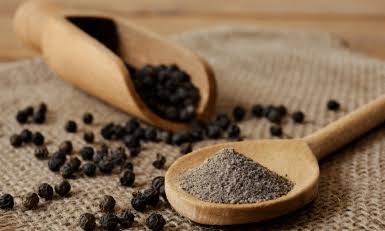
Alligator Pepper, known for its unique flavor and potential health benefits, has a variety of common uses in different culinary and cultural contexts. Here are eight common uses of Alligator Pepper:
1. Culinary Spice: Alligator Pepper is primarily used as a spice to add a distinctive, pungent, and spicy flavor to a wide range of dishes. It is a key ingredient in many traditional West African recipes, such as soups, stews, and sauces.
2. Seasoning Soups and Stews: In West African cuisine, Alligator Pepper is often used to season and enhance the flavor of soups and stews, including popular dishes like Egusi Soup and Pepper Soup.
3. Flavoring Rice and Grains: Alligator Pepper can be added to rice dishes, grains like millet or couscous, and even to jollof rice for an extra layer of flavor.
4. Marinades: Ground or crushed Alligator Pepper can be used in marinades for meats and seafood, infusing them with a spicy and aromatic essence before cooking.
5. Traditional Medicine: In some cultures, Alligator Pepper is used in traditional herbal medicine. It is believed to have various health benefits, including aiding digestion and relieving certain ailments.
6. Chewing for Refreshment: Some people enjoy chewing Alligator Pepper pods directly for their spicy flavor and potential stimulant effects. It is also used as a natural breath freshener.
7. Rituals and Ceremonies: Ata Alligator ní ìtumọ̀ àṣà àti ayẹyẹ ní àwọn àwùjọ kan ní ìwọ̀ oòrùn Áfíríkà. Wọ́n sábà máa ń fún un gẹ́gẹ́ bí àmì àlejò àti ìfẹ́ inú rere nígbà àwọn ààtò, ìgbéyàwó, àti àwọn ìpàdé pàtàkì.
8. Àwọn ohun mímu: A le lo ata Alligator lati fi adun awon ohun mimu bi tii ewe tabi adun oti. O n fi adun ati igbona oto kun awon ohun mimu naa.
Bó tilẹ̀ jẹ́ pé Alligator Pepper jẹ́ ohun tó wọ́pọ̀ tí a sì mọrírì rẹ̀ dáadáa, lílò rẹ̀ lè yàtọ̀ síra ní ìbámu pẹ̀lú agbègbè àti àṣà ìbílẹ̀ rẹ̀. Máa lò ó ní ìwọ̀ntúnwọ̀nsì nígbà gbogbo, nítorí pé ó ní adùn tó lágbára, kí o sì ṣe àtúnṣe iye rẹ̀ gẹ́gẹ́ bí ìfẹ́ ọkàn rẹ nígbà tí o bá ń se oúnjẹ tàbí tí o bá ń fi èròjà sí i lára.
Ata Arbol

Arbol Pepper jẹ́ irú ata ata tí a mọ̀ sí ata dídùn. Ó jẹ́ ata kékeré tín-ín-rín tí a sábà máa ń lò nínú oúnjẹ Mexico àti Latin America. Àwọn ènìyàn fẹ́ràn láti lò ó láti fi ooru àti adùn kún oúnjẹ wọn.
Àwọn ata wọ̀nyí gba orúkọ wọn láti inú ọ̀rọ̀ èdè Sípéènì "árbol," èyí tí ó túmọ̀ sí igi. Wọ́n máa ń dàgbà lórí àwọn igi gíga, onígi tí ó lè ga tó ẹsẹ̀ mẹ́fà ní gíga. Àwọn ata fúnra wọn sábà máa ń pupa dídán nígbà tí wọ́n bá ti pọ́n tán, wọ́n sì ní ìrísí tín-tín, tí ó gùn.
A fẹ́ràn Arbol Pepper nítorí pé ó máa ń gbóná gan-an, àmọ́ ó ṣe pàtàkì láti lò ó pẹ̀lú ìṣọ́ra nítorí pé ó lè gbóná gan-an. Ooru náà wá láti inú èròjà kan tí a ń pè ní capsaicin, èyí tí a rí ní onírúurú iye nínú gbogbo ata ata. Tí o kò bá ti mọ oúnjẹ aládùn, ṣọ́ra nígbà tí o bá ń fi ọwọ́ kan Arbol Peppers kí o sì fọ ọwọ́ rẹ dáadáa lẹ́yìn náà kí òróró aládùn náà má baà wọ ojú rẹ tàbí awọ ara rẹ.
Àwọn ènìyàn máa ń lo Arbol Pepper nínú onírúurú oúnjẹ. Wọ́n sábà máa ń gbẹ ẹ́, lẹ́yìn náà wọ́n á lọ̀ ọ́ di flakes tàbí kí wọ́n lọ̀ ọ́ di powder láti fi ṣe flakes ata pupa tàbí chili powder. Àwọn èròjà olóòórùn dídùn wọ̀nyí ni wọ́n máa ń lò láti fi ṣe oúnjẹ bíi pizza, pasta, àti oúnjẹ Mexico. A tún lè lo Arbol Pepper nínú salsas, obe gbígbóná, àti marinades láti fún wọn ní adùn tó lágbára.
Nínú oúnjẹ Mexico, Arbol Pepper jẹ́ èròjà pàtàkì nínú ṣíṣe àwọn oúnjẹ ìbílẹ̀ bíi salsa de árbol, èyí tí í ṣe obe pupa aládùn. A máa ń lo obe yìí láti fi adùn àti ooru kún tacos, ẹran tí a fi iná sun, àti àwọn oúnjẹ Mexico mìíràn.
Yàtọ̀ sí fífi turari kún oúnjẹ rẹ, Arbol Pepper tún lè ní àwọn àǹfààní ìlera díẹ̀. Àwọn ènìyàn kan gbàgbọ́ pé capsaicin tó wà nínú ata yìí lè ran lọ́wọ́ láti dín ìrora kù, láti mú kí iṣẹ́ ara ṣiṣẹ́ dáadáa, àti láti mú kí ara túbọ̀ yá gágá fún ìgbà díẹ̀. Síbẹ̀síbẹ̀, ó ṣe pàtàkì láti má ṣe jẹ oúnjẹ aládùn jù, nítorí wọ́n lè fa ìrora fún àwọn ènìyàn kan.
Ni afikun, Arbol Pepper jẹ ata ata gbigbona ati adun ti o jẹ pataki ninu ounjẹ Mexico ati Latin America. Lakoko ti o jẹ olokiki fun ooru rẹ, o le ṣafikun iwọn alailẹgbẹ ati igbadun si ọpọlọpọ awọn ounjẹ nigbati a ba lo o ni iwọntunwọnsi.
Àwọn Ìbéèrè Tí A Ń Béèrè Lọ́pọ̀lọpọ̀ Nípa Ata Alligator
1. Kí ni ata alligator?
ata Alligator jẹ́ turari ìwọ̀-oòrùn Áfíríkà tí a rí láti inú èso Aframomum melegueta ewéko, tí a mọ̀ fún adùn ata àti òórùn dídùn rẹ̀.
2. Kí ni ata alligator ṣe dùn?
Ó ní adùn tó mú gan-an, tó ládùn, tó sì ní díẹ̀ lára osàn, ó jọ ata dúdú pẹ̀lú àwọn àmì cardamom.
3. Àwọn àǹfààní wo ni ata alligator ní fún ìlera?
Ó ń ṣe ìrànlọ́wọ́ fún jíjẹ oúnjẹ, ó ń mú kí ààbò ara lágbára sí i, ó ń dín ìgbóná ara kù, ó sì ń ṣiṣẹ́ gẹ́gẹ́ bí ohun tó ń dènà àrùn.
4. Ṣé ata ẹlẹ́gẹ́ le ran lọ́wọ́ láti dín ìwọ̀n ara kù?
Bẹ́ẹ̀ni, ó lè mú kí ìwúwo ara dínkù nípa gbígbé ìṣiṣẹ́ ara lárugẹ àti mímú kí ọ̀rá ara bàjẹ́.
5. Báwo ni a ṣe ń lo ata alligator nínú sísè oúnjẹ?
A le lọ ọbẹ, obe, ounjẹ ẹran, tabi ohun mimu fun adun ati oorun didun.
6. Ṣé ata ọ̀gẹ̀dẹ̀ àti àwọn ọkà párádísè kan náà ni?
Wọ́n jọra gan-an, àmọ́ ata alligator ní adùn tó lágbára jù, wọ́n sì sábà máa ń lò ó nínú oúnjẹ ìwọ̀ oòrùn Áfíríkà.
7. Ṣé mo lè jẹ ata alligator láìsí ìyẹ̀fun?
Bẹ́ẹ̀ni, a lè jẹ ìwọ̀n díẹ̀ ní àjẹyó fún ìtọ́jú tàbí ìbílẹ̀, ṣùgbọ́n a gbọ́dọ̀ yẹra fún lílo oúnjẹ púpọ̀ jù.
8. Ǹjẹ́ ata ẹlẹ́gẹ́ dára fún ìbísí?
Àṣà ni pé, wọ́n gbàgbọ́ pé ó lè mú kí ìlera ìbímọ sunwọ̀n síi, bó tilẹ̀ jẹ́ pé ẹ̀rí sáyẹ́ǹsì lórí ipa yìí kò pọ̀ tó.
9. Ṣé ata alligator ní àwọn àbájáde búburú kankan?
Tí a bá lò ó ní ìwọ̀nba, ó ṣeé ṣe, ṣùgbọ́n lílo rẹ̀ jù lè fa ìbínú inú.
10. Báwo ni a ṣe lè tọ́jú ata elégbò?
Pa awọn irugbin naa mọ sinu apoti ti afẹfẹ ko le wọ sinu ibi gbigbẹ tutu ati ki o tutu lati tọju adun ati agbara wọn.
Ṣé o ní ìbéèrè, àbá, tàbí àfikún? Tí ó bá rí bẹ́ẹ̀, jọ̀wọ́ má ṣe lọ́ tìkọ̀ láti lo àpótí ọ̀rọ̀ sísọ ní ìsàlẹ̀ láti sọ èrò rẹ. A tún rọ̀ ọ́ láti fi inú rere pín ìwífún yìí pẹ̀lú àwọn ẹlòmíràn tí ó lè jàǹfààní nínú rẹ̀. Nítorí pé a kò le dé ọ̀dọ̀ gbogbo ènìyàn lẹ́ẹ̀kan náà, a mọrírì ìrànlọ́wọ́ rẹ ní títan ìròyìn náà ká. Ẹ ṣeun gidigidi fún ìtìlẹ́yìn yín àti fún pínpín!
Ìkìlọ̀: Àpilẹ̀kọ yìí wà fún ẹ̀kọ́ àti ìwífúnni nìkan. Àwọn àǹfààní ìlera tí a ṣàlàyé dá lórí ìwádìí ìmọ̀ sáyẹ́ǹsì àti ìmọ̀ ìbílẹ̀. Wọn kì í ṣe àfikún ìmọ̀ràn ìṣègùn, àyẹ̀wò, tàbí ìtọ́jú. Máa bá onímọ̀ ìlera sọ̀rọ̀ nígbà gbogbo kí o tó lo ewéko tàbí oògùn àdánidá fún ìṣègùn.
Ka Bakannaa: Bii o ṣe le Lo Awọn Eto Atunlo fun Awọn Iṣowo
🌱 Take Your Farming Further With Agric4Profits
Based on what you just read, here are free resources and products from Agric4Profits that can help your farm right now:
- 🛒 Visit Our Marketplace — Organic neem oil, bio-pesticides, seeds and farming products
- 📚 Read Premium Content — Advanced guides for serious and profitable farming
- 🎓 Join Our Free Academy — Structured free training for farmers across Africa
- 🔧 Use Our Free Farm Tools — Profit calculators, feed formulation, pest identifier and more
- 💬 Join Our Farming Community — Connect with farmers across all 54 African countries
- ❓ Ask a Farming Question — Get answers from experienced farmers and agricultural experts
Please cite this content in academic work, research, or publications.