


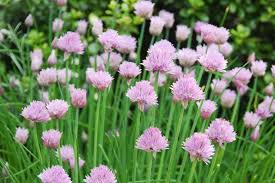
Chives (Allium schoenoprasum), are bulbous plants, the edible portion of the plant is the long, hollow stem. These hollow stems are frequently cut into slices and added to a variety of foods, including seafood, soups, sauces, salads, Mexican food, potato dishes, and many other cuisines. Even though the unopened flower buds can be used to make a beneficial spice, people are more likely to observe the freshly sliced stems.
Members of the Allium genus are not very comparable in flavor to them, and they are typically thought to have a mild, agreeable flavor that is subdued in culinary applications. They have been used medicinally since the Roman Empire, however it seems possible that they were used much earlier.
Merriam-Webster defines chive as a perennial plant (Allium schoenoprasum) related to the onion and with slender leaves used as a spice. Chives, a kind of culinary plant of the Allium genus, are also known as onion chives. Leeks, shallots, garlic, and chives are all closely related to one another and have comparable nutritional profiles and health benefits.
This delectable plant has been cultivated since the Middle Ages and has existed for at least 5,000 years. The meaning or origin of the term chives can be traced back to the Latin word Cepa, which denotes an onion.
Chives are an edible herb that can be bought in most grocery stores; they have a mild onion flavor. They frequently function as a recipe’s final ingredient in our kitchen. People add chives to Mexican food, salads, sauces, soups, potato dishes, and seafood because of their delectable savory nature.
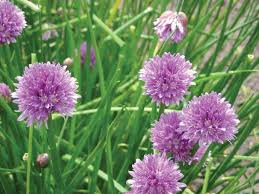
The traditional herb in every kitchen, according to the culinary press, is chives. Additionally, this herbaceous plant with lavender blossoms demonstrates adaptable therapeutic properties.
Superfoods are continually being sought after by consumers. The phrase describes foods that have great nutritional value while having fewer calories. Nevertheless, chives are low in calories and packed with healthy elements. Additionally, chives include a wealth of bioactive minerals and antioxidants, making them a potential superfood.
Since chives are one of the most accessible perennial herbs, they are commonly used. If necessary, you can just cultivate them in container gardens, herb gardens, or along walkways. All you need is a location with plenty of sunlight. Due to their antibacterial properties, chives have also been widely used in traditional Chinese medicine.
Read Also: 7 Health Benefits of Chamomile (Camomile)
8 Health Benefits of Chives (Allium schoenoprasum)
1. Strengthens Bone
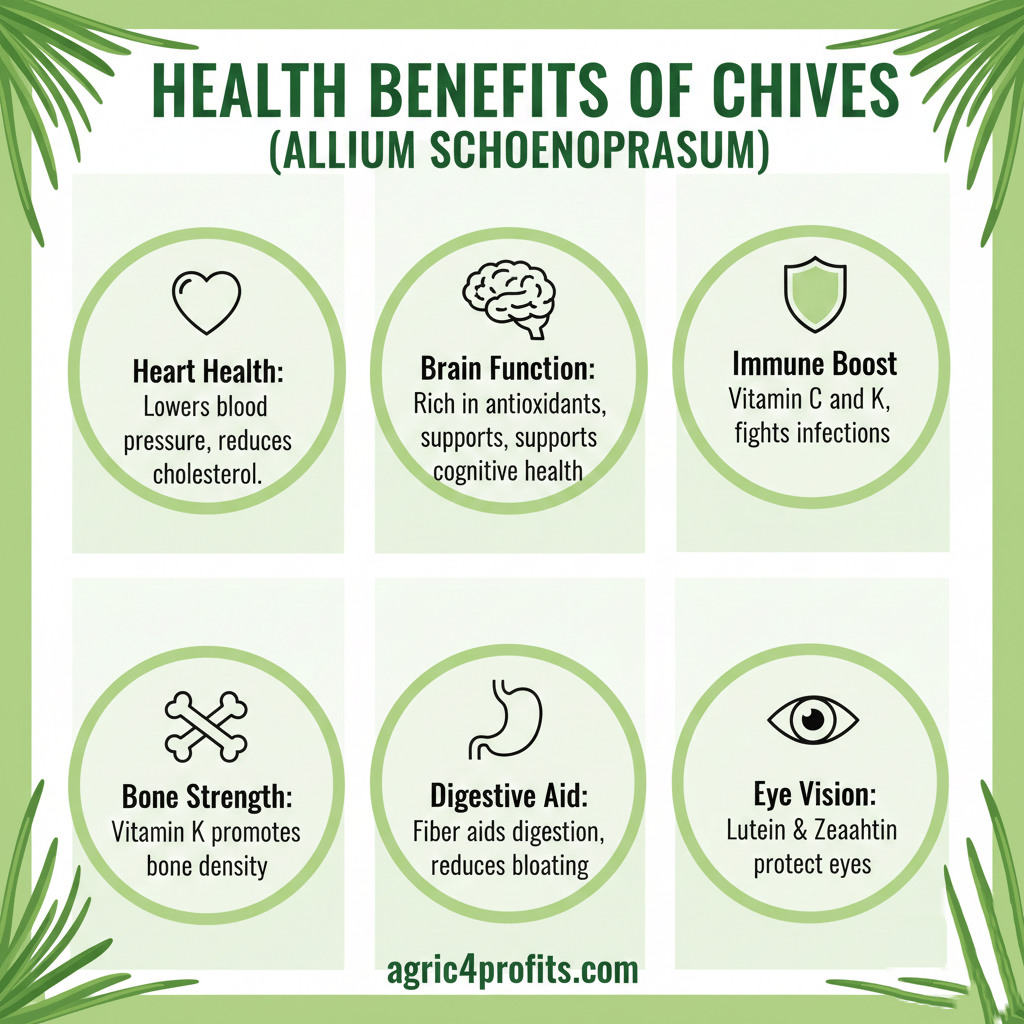
The high vitamin K concentration of chives makes it one of its top health benefits. Vitamin K is essential for maintaining healthy, strong bones in addition to playing a crucial function in blood clotting. Some studies suggest that vitamin K may increase bone mineral density and lower the risk of fractures due to its role in bone metabolism.
Make sure to combine chives with other meals high in vitamin K for the best results. All of these foods are great sources of vitamin K, which helps to develop bones: leafy greens, scallions, Brussels sprouts, cabbage, broccoli, and cucumbers.
2. Fights Cancer
The same as other vegetables in the same family, chives are thought to have strong anti-cancer qualities. Allium vegetable consumption has even been linked, in some instances, to a lower chance of developing specific cancers. For instance, a Chinese study discovered a link between a lower risk of stomach cancer and consuming more vegetables from the allium family.
The anti-cancer properties of chive seeds are assumed to be caused by the presence of organosulfur compounds. According to a review that appeared in Environmental Health Perspectives, these substances can change how several enzymes that are involved in detoxification function, slowing the development and spread of cancer cells.
3. Reduce Inflammation
Even though acute inflammation is a typical element of the immune response, chronically excessive levels of inflammation can be exceedingly harmful to your health. Inflammation may contribute to the development of diseases like cancer, autoimmune disorders, and neurological problems, according to some research, and it may even be the root cause of the disease.
Chives are a terrific source of antioxidants that fight inflammation in addition to being a great source of other compounds that can also help to reduce inflammation. The chive plant’s leaves are an anti-inflammatory food and an antioxidant diet, according to a Romanian in vitro study that found they have strong anti-inflammatory properties in addition to lowering oxidative stress.
4. Good Source of Choline
Chives are a great source of choline, which many of us don’t receive enough of in our diets. The synthesis of neurotransmitters, cell structure, metabolism, and other activities all depend on choline.
It is also thought to have an immediate effect on liver function, brain health, and fetal growth. As a result, it’s critical to make sure you get enough in your regular diet.
Additional top sources of choline are eggs, wild-caught salmon, quinoa, chicken, cauliflower, and wheat germ.
5. May Boost Immunity
The organic components of chives receive the most of the focus, but so do the conventional nutrients!
The high quantities of vitamin C in this herb assist increase the immune system’s effectiveness by promoting the formation of white blood cells and collagen, which is crucial for the growth of new blood vessels, cells, tissues, and muscles.
6. Detoxifies The Body
Chives are a great way to detoxify the body because they contain mild diuretic capabilities as well as other possible free-radical scavenging and antibacterial properties.
By promoting urination, chives can maintain organ systems functioning normally and remove any harmful chemicals that could hurt us by assisting the body in eliminating excess toxins, salts, water, and even fat.
7. Beneficial During Pregnancy
Expectant mothers may benefit from eating chives during their pregnancy. It is healthy to consume and rich in folate. The importance of folate during pregnancy is always emphasized by doctors.
It is an essential B vitamin that guards against birth defects in the brain and spinal cord. Furthermore, folate promotes cell division and DNA synthesis.
Additionally abundant in vitamin C, which is important for boosting immunity during pregnancy, are chives. Just make sure to thoroughly clean and wash the chives before eating.
8. For Kidney Stones
According to a recent study, chives leaves, whether they are fresh or dried, can dissolve calcium oxalate crystals. Renal stones are represented by these crystals.
Additionally, chives contain ethyl acetate, an organic substance. It relieves kidney stones made of calcium and has anti-inflammatory qualities. Therefore, chives can be used as a kidney stone herbal remedy.
Read Also: 7 Health Benefits of Cumin Seeds (Cuminucum Cyminum)
Nutritional value of Health Benefits of Chives (Allium schoenoprasum)
1. Vitamin C: Around 58 mg per 100g acts as a powerful antioxidant to boost immunity, support collagen production for skin health, and combat free radicals.
2. Vitamin A (as Beta-Carotene): Approximately 4,350 IU per 100g promotes eye health, immune function, and skin integrity while converting to active vitamin A in the body.
3. Vitamin K: About 212 µg per 100g supports blood clotting, bone density by aiding calcium absorption, and reduces fracture risk.
4. Folate: Roughly 105 µg per 100g aids DNA synthesis, cell division, red blood cell formation, and prevents neural tube defects.
5. Dietary Fiber: Around 2.5 g per 100g promotes digestive regularity, gut health, blood sugar control, and cholesterol regulation.
6. Potassium: Approximately 296 mg per 100g helps regulate blood pressure, fluid balance, muscle contractions, and heart function.
7. Iron: About 1.6 mg per 100g supports oxygen transport in blood, energy levels, and prevents anemia.
8. Magnesium: Around 42 mg per 100g contributes to energy metabolism, nerve function, muscle relaxation, and bone health.
9. Polyphenols (e.g., Quercetin, Kaempferol): Abundant in extracts provide strong antioxidant and anti-inflammatory effects to reduce oxidative stress.
10. Sulfur Compounds (e.g., Allicin precursors): Including organosulfur offer antimicrobial properties and support cardiovascular and anticancer potential.
Scientific Evidence and Case Studies on Health Benefits of Chives (Allium schoenoprasum)
1. Antioxidant Activity: Parvu et al. (2014) found high phenolic content (quercetin, kaempferol) in ethanolic extracts with strong DPPH scavenging (IC50 45 µg/mL) supporting protection against oxidative stress.
2. Antimicrobial Effects: Mnayer et al. (2014) showed chive essential oil inhibited food-borne pathogens like E. coli (inhibition zones 8-12 mm at 0.5%) due to sulfur compounds.
3. Anti-inflammatory Potential: Kim et al. (2018) reported 40% reduction in pro-inflammatory cytokines (TNF-α, IL-6) in macrophages at 100 µg/mL extract concentration.
4. Neuroprotective Effects: Singh et al. (2018) reviewed antioxidant-mediated neuroprotection in models, highlighting potential against oxidative damage in neuronal cells.
5. Anticancer Properties: Organosulfur compounds and flavonoids linked to reduced risk of prostate, stomach, and other cancers in population studies on allium vegetables (various reviews including Bianchini and Vainio, 2001).
6. Cardiovascular Support: Sulfur compounds like allicin precursors inhibit cholesterol production and support blood pressure regulation in preclinical models.
7. Antibacterial Activity: Rattanachaikunsopon and Phumkhachorn (various) demonstrated diallyl sulfide content active against food-borne pathogenic bacteria.
8. Overall Pharmacological Review: Singh et al. (2018) summarized anti-inflammatory, anticancer, antioxidant, anthelmintic, and antihypertensive potential from phytochemistry and preclinical data.
Evidence is primarily preclinical (in vitro, animal) with epidemiological support from allium family studies; human clinical trials are limited, and benefits align with traditional uses but require more rigorous confirmation.
Summary of Health Benefits of Chives (Allium schoenoprasum)
| Aspect | Key Details |
|---|---|
| Plant Overview | Perennial herb in Amaryllidaceae/Alliaceae family, native to Europe/Asia/North America; slender hollow tubular leaves in clumps, lavender/pink flowers, mild onion flavor. |
| Primary Benefits | Anti-inflammatory for arthritis/joint pain, immune support via vitamin C, antioxidant protection against free radicals, digestive aid from fiber. |
| Other Benefits | Cardiovascular health (blood pressure/circulation), bone density via vitamin K, cancer prevention potential (prostate/stomach via organosulfur), antimicrobial effects, eye/skin health (vitamins A/C), folate for cell health. |
| Key Constituents | Vitamins (A, C, K, folate), minerals (potassium, iron, magnesium), fiber, polyphenols (quercetin/kaempferol), sulfur compounds (allicin precursors). |
| Usage Forms | Fresh chopped leaves (garnish/salads/soups), herbal tea, infused oils/vinegars, tinctures/extracts, topical applications (oils/salves/poultices), hair rinses, dietary supplements. |
| Precautions | Allergies (Asteraceae/Allium family), GI upset (gas/diarrhea in excess), photosensitivity (topical), blood thinner interactions, avoid excess in pregnancy/breastfeeding or with low BP; consult professionals. |
Frequently Asked Questions About Health Benefits of Chives (Allium schoenoprasum)
1. What are chives mainly used for?
They are used as a mild onion-flavored herb in cooking (salads, soups, eggs) and traditionally for digestive, immune, and anti-inflammatory support.
2. How do chives support the immune system?
High vitamin C content boosts immunity, fights infections, and acts as an antioxidant to protect cells.
3. Can chives help with inflammation?
Yes, anti-inflammatory compounds like polyphenols reduce swelling and may ease conditions like arthritis.
4. Do chives benefit heart health?
They promote circulation, may lower blood pressure via potassium and sulfur compounds, and support cholesterol management.
5. Are chives good for digestion?
Fiber aids regularity, reduces bloating/constipation, and supports gut health.
6. Is it safe to eat chives every day?
Culinary amounts are safe; excess may cause GI upset or odor—use in moderation.
7. Can chives help prevent cancer?
Organosulfur compounds show potential against prostate/stomach cancers in allium family studies, though more research needed.
8. How should chives be prepared for health benefits?
Add fresh chopped to dishes near end of cooking to preserve nutrients; use in teas or topically as infused oils.
9. Are there side effects of chives?
Possible allergies, digestive discomfort, photosensitivity (topical), or interactions with blood thinners; avoid if allergic to onions/garlic.
10. How do chives differ from green onions?
Chives have thinner, hollow leaves and milder flavor; green onions are thicker with stronger taste and white bulb.
Do you have any questions, suggestions, or contributions? If so, please feel free to use the comment box below to share your thoughts. We also encourage you to kindly share this information with others who might benefit from it. Since we can’t reach everyone at once, we truly appreciate your help in spreading the word. Thank you very much for your support and for sharing!
Disclaimer: This article is for educational and informational purposes only. The health benefits described are based on scientific research and traditional knowledge. They ayre not a substitute for professional medical advice, diagnosis, or treatment. Always consult a healthcare professional before using any herb or natural remedy for medical purposes.