



Maize is Africa's most widely grown cereal crop and a cornerstone of food security across the entire continent, feeding hundreds of millions of people each year through both subsistence and commercial farming systems.
Yet the gap between what a well-managed maize field produces and what the average smallholder field actually yields remains enormous, often representing the difference between a subsistence harvest and a profitable commercial crop.
That gap rarely comes down to poor land or bad luck. Instead, it comes down to specific, well-documented decisions around variety selection, planting timing, spacing, fertilization, and integrated pest management practices.
This comprehensive guide walks through the complete maize production system, from choosing the right variety to managing post-harvest storage, so you can close that yield gap on your own farm this season.
Whether you farm one hectare or one hundred, the principles covered here apply directly to your operation and can help you move from average yields toward the full genetic potential of modern maize varieties.
How to Get Started Properly

If you are aiming to improve maize yields on your farm, start with certified seed of a variety matched to your specific agroecological zone and rainfall pattern before making any other input decisions.
🌿 Go Organic on Your Farm: Instead of harmful chemical pesticides and fertilisers, try our organic farming products — including neem oil spray, bio-pesticides, natural plant treatments, organic seeds and seedlings, suckers, and many more organic products that are safe for your health, your family, your soil and your harvest. Shop Now →
Plant at the true onset of the rainy season rather than waiting for neighbours to begin, and follow recommended spacing rather than planting more densely than your rainfall can actually support each season.
Apply fertilizer in the recommended split-dose pattern, covering urea promptly after application to reduce nitrogen loss through volatilization, which can waste a significant portion of your investment.
Build in regular field scouting for Striga and fall armyworm from the earliest growth stages rather than waiting for visible damage to appear, since early detection dramatically improves your control options and outcomes.
These fundamentals, including variety choice, timing, spacing, and split fertilization, consistently explain the largest share of the yield gap between average and high-performing maize fields across the African continent each growing season.
🔧 Free Farm Tool Available: Use our free Agric4Profits Farm Tools to calculate your farm profits, formulate feeds, identify pests and diseases on both your crops and animal farms, plan your planting and harvesting season, including many more farm tasks to get free expert advice and recommendations — completely free, no registration required. Access Free Tools →
Getting these fundamentals right is a more reliable path to higher yield than any single silver-bullet input, because each practice reinforces the others and multiplies the benefit you receive from every naira spent.
Before purchasing any inputs, visit your local agricultural extension office to confirm current recommendations for your specific zone, since guidance changes as new varieties, pest pressures, and fertilizer products become available in your area.
Start planning at least one month before the expected rains, so you have time to source quality seed, arrange land preparation, and position fertilizer for timely application when the planting window finally opens.
Choosing the Right Variety and Maturity Group
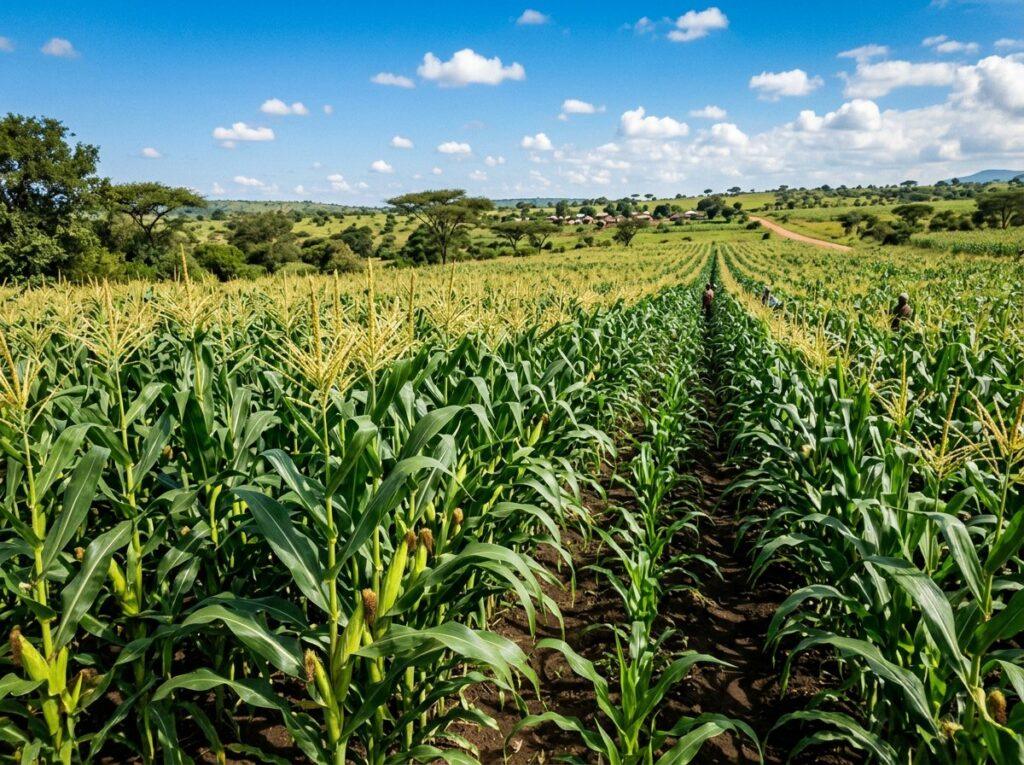
Variety selection is the foundation of high-yield maize production, and improved varieties, whether open-pollinated, hybrid, or genetically modified, have been shown to significantly boost both yield and farm returns compared to local types.
Documented average yield increases of close to two tonnes per hectare have been recorded in regional studies comparing improved varieties against traditional local types, making this decision one of the most impactful you make.
💬 Have a Farming Question? Join thousands of farmers across Africa on the Agric4Profits Community — ask questions, share experiences and connect with agricultural experts. It is completely free. Ask Your Question Now →
Seed companies across the continent now breed maize hybrids specifically for particular ecological regions and rainfall conditions, and matching your chosen variety to your specific agroecological zone matters considerably for realized yield potential.
Rather than simply buying whatever seed is most available at the nearest agro-dealer, take time to identify which varieties were bred for your exact rainfall zone, altitude, and common disease pressures in your area.
Maize varieties are classified by maturity group, namely extra-early maturity, early maturity, intermediate maturity, and late maturity, and this classification should directly inform your planting schedule where you grow more than one type.
Intermediate to late-maturing varieties need a relatively longer window of adequate moisture to complete grain filling, so where mixed maturity groups are planted, starting with late varieties first is the correct sequencing approach.
Following with early and extra-early varieties after the late types are established helps ensure each group completes its critical growth stages within the available rainy season without suffering late-season moisture stress penalties.
Planting in the wrong sequence risks late-season moisture stress cutting short grain filling for your longer-duration varieties, directly reducing yield and negating the genetic advantage those higher-yielding varieties were bred to deliver.
Always purchase certified seed from reputable dealers, since certified seed guarantees both genetic purity and freedom from seed-borne diseases that recycled grain from a previous harvest simply cannot provide to your new crop.
For a complete overview of maize farming practices from seed selection through harvest, consult your national agricultural research institute or seed company catalogue for the latest variety recommendations specific to your region.
Land Preparation and Planting Timing
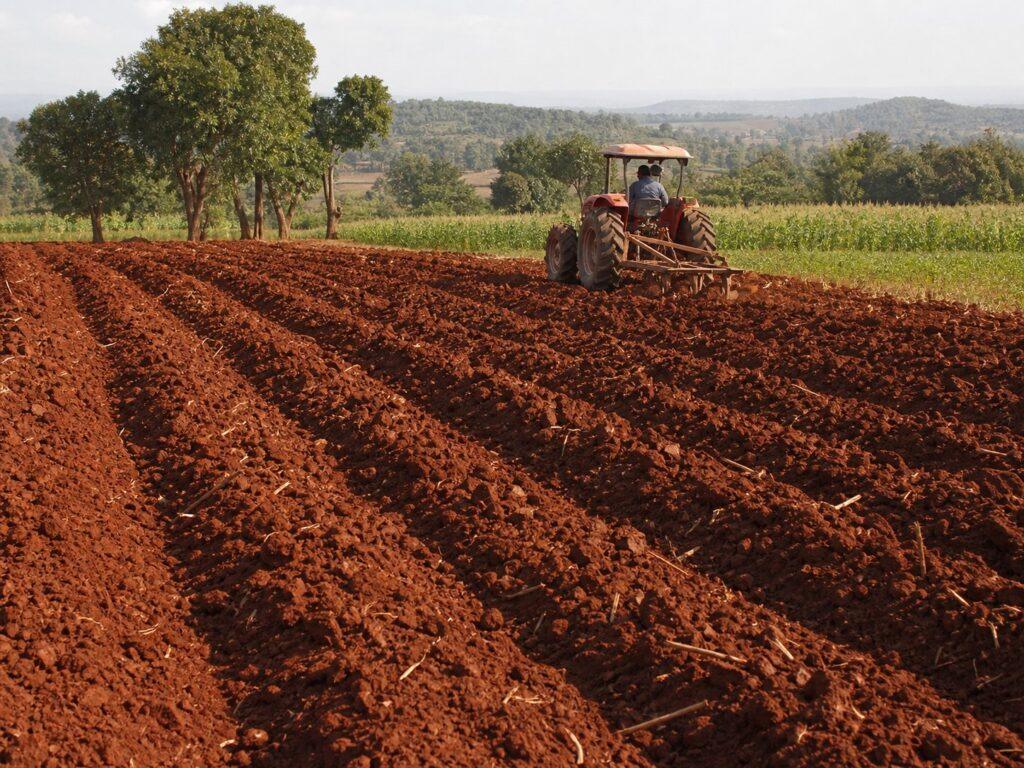
Good maize production begins with proper land preparation, which includes clearing the field of weeds and crop residue while ensuring the soil is adequately loosened to support strong early root establishment.
📖 Want to Go Deeper on This Topic?
Our expert agricultural ebooks cover poultry, fish farming, different crops production, snail farming, organic farming, mushrooms, sheep, cattle, flowers, pig farming, goat farming, agribusiness, etc. in practical step-by-step detail — written by agricultural professionals for African farmers.
Browse All Farming Ebooks →Timing is critical in maize production, and the crop should be planted at the beginning of the rainy season to ensure adequate moisture during its vulnerable early growth stages when roots are developing.
Delayed planting consistently results in poorer crop development and reduced yields, as the crop's later growth stages then compete with the season's declining rainfall during the critical flowering and grain-filling periods.
Using healthy, certified seed rather than saved grain from a previous harvest gives the crop a stronger start and meaningfully improves the odds of achieving a good yield at the end of season.
Certified seed guarantees both genetic quality and freedom from seed-borne disease that recycled grain cannot, protecting your investment in land preparation, fertilizer, and labour from being undermined by poor germination or weak seedlings.
Where mechanized land preparation is available, tractor-drawn ploughing and ridging should be completed at least two weeks before the expected rains, giving the soil time to settle into a firm, well-structured seedbed.
For smaller operations, hand tools and animal traction remain effective for planting maize, provided the work is completed on time and the soil tilth is fine enough to ensure good seed-to-soil contact at planting.
Remove all previous crop residues and weed material before ridging, since these can harbour pest organisms and disease inoculum that will attack your new maize crop during its most vulnerable early growth stages.
Where soil compaction is a known problem, subsoiling or deep ripping before conventional ploughing can improve root penetration and water infiltration, giving your maize plants access to moisture stored deeper in the profile.
Spacing and Plant Population
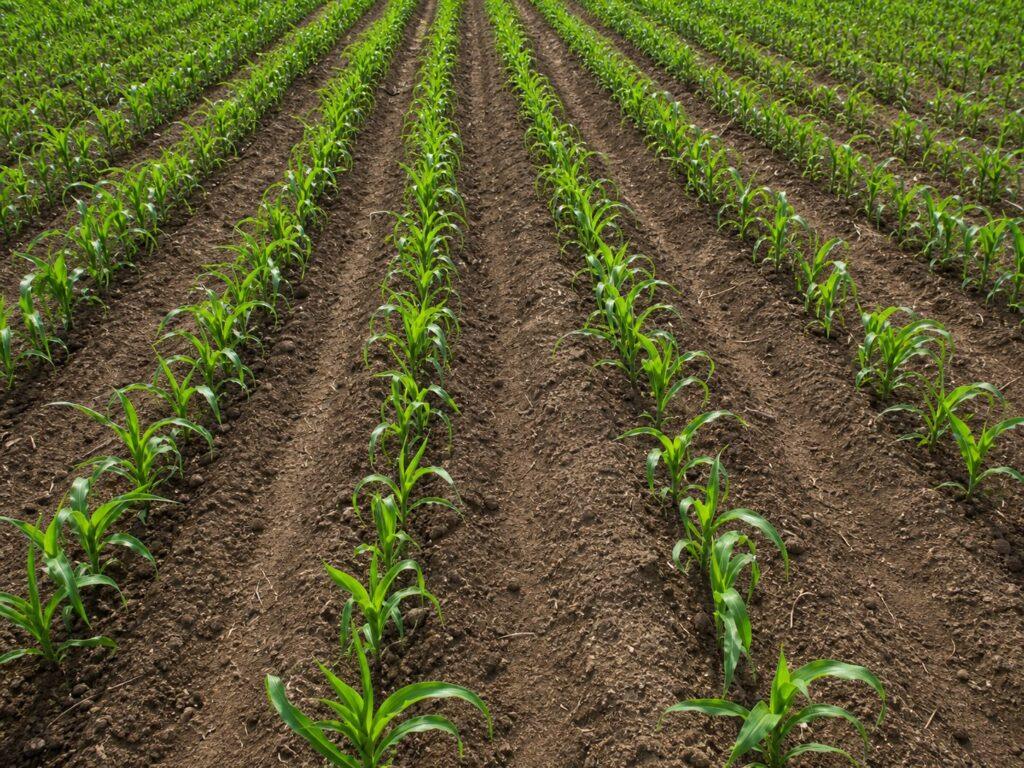
Proper spacing allows maize plants adequate access to sunlight, water, and nutrients, and getting this right has a direct, measurable effect on final yield that no amount of fertilizer can compensate for later.
A widely used recommendation across West Africa is seventy-five centimetres between ridges and twenty-five centimetres between plants within the row, generally with one seed per hole, giving each plant adequate growing space.
Target plant population varies with your rainfall and irrigation situation, and understanding this relationship is essential for matching your plant density to the moisture available throughout the growing season in your specific zone.
In high-potential, irrigated environments, a final stand of fifty thousand to sixty thousand plants per hectare is achievable and worthwhile for most modern hybrid varieties that respond well to intensive management practices.
In lower-rainfall areas, a lower population density of around thirty-seven thousand to forty-four thousand plants per hectare is recommended, since overcrowding under moisture-limited conditions simply increases competition for the scarce water available.
Overcrowding in dry areas can actually reduce, rather than increase, total yield, because the additional plants compete so intensely for limited water that none of them fills grain properly during the critical period.
Proper thinning to your target stand density should be completed within two to three weeks after planting, removing the weakest seedlings and leaving the most vigorous plant at each station for optimal development.
Weeding before fertilizer application is a specific sequence worth following precisely, since fertilizer applied to an overcrowded, unthinned stand is partly wasted on weed competition rather than converted into productive grain yield.
These planting operations and spacing decisions set the upper limit for your yield potential, and no subsequent management input can overcome a fundamentally poor stand established at the wrong density for your zone.
Fertilization for Maximum Yield
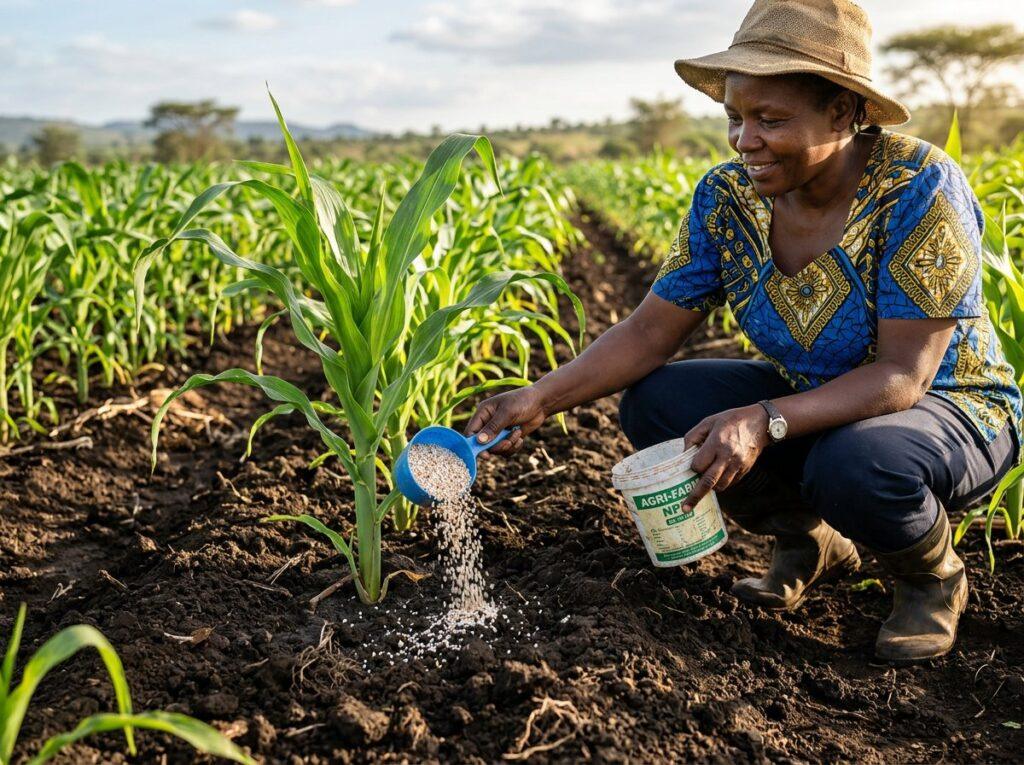
Adequate, balanced nutrition is essential for high maize yield, and fertilizer recommendations, while they vary by region and soil type, follow a broadly consistent pattern across much of West Africa's savanna zones.
A commonly recommended rate is around one hundred kilograms of nitrogen, fifty kilograms of phosphorus as single super phosphate, and fifty kilograms of potassium as muriate of potash per hectare of maize.
Rather than applying the full fertilizer dose at once, a two-split approach is standard recommended practice that significantly improves nutrient use efficiency compared to a single large application made at planting time.
The first dose, commonly a balanced NPK application such as fifteen-fifteen-fifteen at around six bags per hectare, should be applied at planting or within the first week afterward for best results.
The second nitrogen-only dose, commonly around two bags of urea roughly equivalent to fifty kilograms of nitrogen, should be applied four to five weeks after planting, timed to peak nitrogen uptake.
This split approach improves nutrient use efficiency considerably, since a single large dose applied early is more vulnerable to loss through leaching or volatilization before the crop can actually use the nutrients.
Nitrogen loss through volatilization is high when urea is left uncovered on the soil surface, so covering urea with soil immediately after application meaningfully improves how much nitrogen the crop actually receives.
Understanding soil fertility management helps you combine organic amendments with mineral fertilizer for the best long-term results, building soil health while meeting the immediate nutrient demands of your high-yielding maize crop.
Consulting your local agro-input dealer or agricultural extension agent to translate these nutrient recommendations into the correct number of bags for the specific fertilizer grades available in your area is a practical step.
For farmers exploring crop farming supplements, foliar products can complement soil-applied fertilizer during critical growth stages, though they should never replace the foundational split-dose mineral fertilizer programme described above.
Weed Control
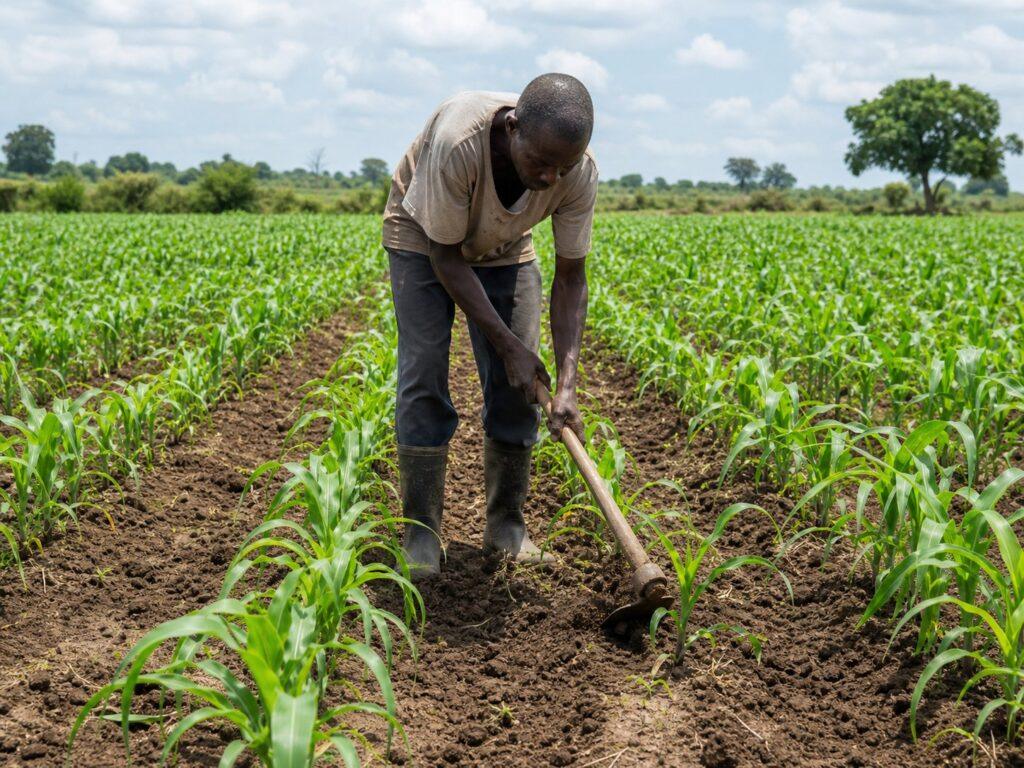
Maize is highly sensitive to weed competition, particularly in its first six to eight weeks after emergence, when the crop has not yet developed the canopy needed to shade out competing weed species.
Effective weed control combines timely mechanical or hand weeding with, where used, appropriate herbicide application, and the specific approach should match your farm size, labour availability, and weed species composition in the field.
A mixture of paraquat and atrazine is a commonly used pre-emergence herbicide option, generally applied no more than three days after planting to control weeds before they establish and begin competing aggressively.
Herbicide choice and timing should always be confirmed against current local agricultural extension recommendations, since approved products and application guidance can change and vary significantly by country and by registration status.
Hand weeding remains the most accessible option for smallholder farmers, and the first weeding should be completed within three weeks of planting, before weeds reach a height that shades the young maize seedlings.
A second weeding at five to six weeks after planting, combined with earthing-up around the base of maize plants, provides additional weed suppression while also improving root anchorage and nutrient access simultaneously.
Mulching with crop residues or cover crop material between maize rows suppresses weed germination while conserving soil moisture, offering a complementary strategy that reduces the total number of weeding passes required each season.
Proper cultural practices such as correct plant spacing and vigorous variety selection also contribute to weed suppression, since a well-established maize canopy shades the soil surface and limits weed growth naturally throughout the season.
Managing Striga: A Major Constraint in Many Regions
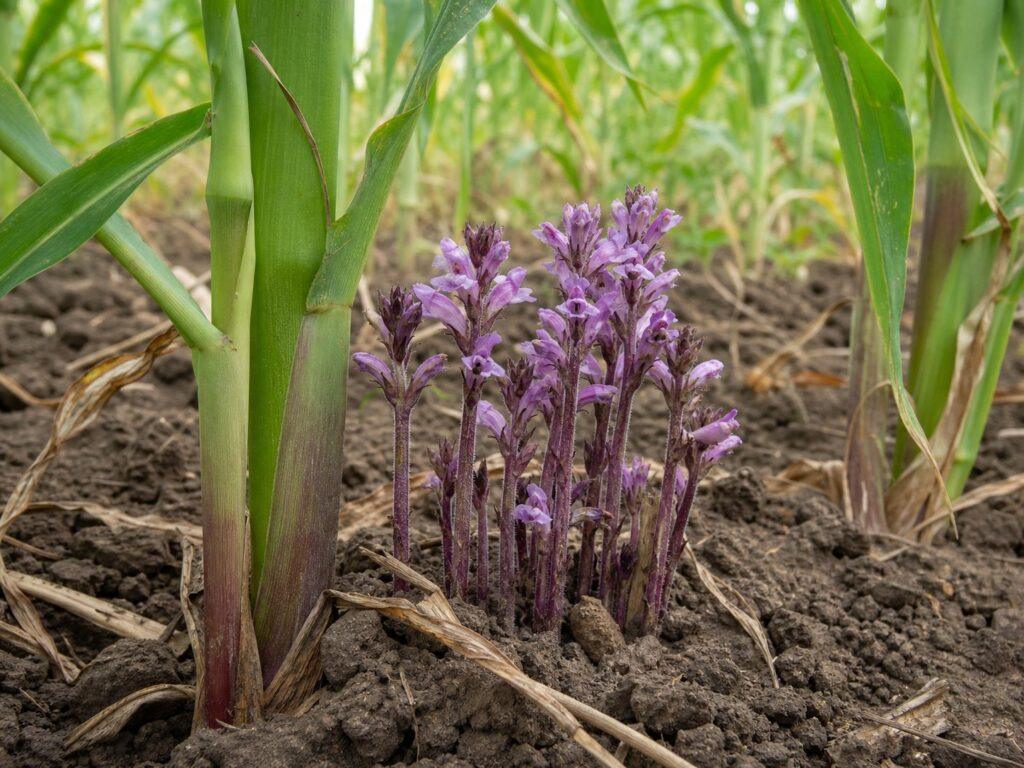
Striga, a parasitic weed that attaches to maize roots and draws nutrients directly from the plant, is a major constraint on maize production across large parts of West and East Africa today.
Infestation levels in some studies reach as high as sixty to seventy-four percent of fields in different savanna zones of northern Nigeria, making Striga one of the most widespread production constraints faced.
Losses attributable to Striga are estimated at thirty to sixty percent of grain yield in severely affected fields, which can completely destroy the economic viability of maize production in heavily infested areas.
Nitrogen fertilizer application both directly boosts maize yield and has been shown to measurably reduce Striga emergence, making adequate fertilization a dual-purpose intervention for farmers dealing with this parasitic weed problem.
Imidazolinone-resistant maize varieties bred specifically to tolerate an herbicide seed treatment that suppresses Striga germination near the maize roots represent the second major intervention available for managing this devastating parasitic weed effectively.
Research comparing these interventions found that IR maize varieties provided a larger yield benefit specifically at high-infestation sites, while nitrogen fertilizer's yield benefit was more consistent across sites regardless of infestation level.
This finding provides a useful basis for deciding which intervention, or combination, makes the most sense for your specific field's Striga pressure and soil fertility status in any given growing season ahead.
Integrating pest management strategies that address both Striga and other concurrent pest pressures gives you the best overall protection for your maize crop throughout the entire growing season in infested zones.
Rotating maize with non-host crops in Striga-infested fields also helps deplete the soil seed bank over successive seasons, reducing future Striga pressure even when maize is eventually returned to the rotation cycle.
Managing Fall Armyworm and Other Pests
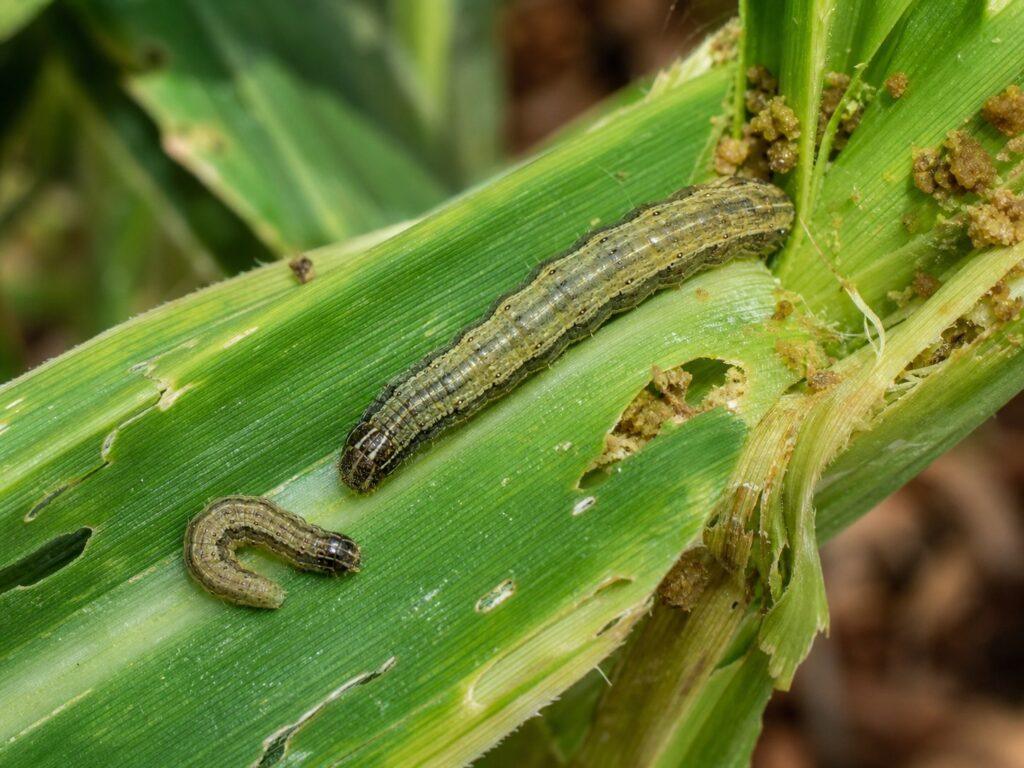
Fall armyworm has become one of the most destructive invasive pests affecting maize across Africa since its arrival on the continent, causing severe damage that threatens food security for millions of smallholder farmers.
Larvae feed aggressively on leaves, stems, and reproductive parts of the plant across more than three hundred and fifty plant species, causing severe damage to maize alongside other staple crops like sorghum.
Effective fall armyworm management generally combines regular field scouting to catch infestations early, before larvae move into the whorl where they become significantly harder to reach with any treatment applied by farmers.
Targeted insecticide application where infestation crosses an economic threshold remains a key tool, but indiscriminate spraying wastes money and accelerates resistance development, making threshold-based decisions essential for sustainable long-term pest control.
Increasingly, the use of fall-armyworm-tolerant maize varieties where available in your region provides a built-in layer of protection that reduces the frequency of insecticide applications needed to keep damage below economic levels.
Confirming current locally recommended control products and thresholds with your agricultural extension service is important, since pest management guidance evolves as resistance patterns and new control options develop in your specific area.
Early morning scouting, when larvae are most active and visible in the whorl, gives the best detection rate and allows you to treat before populations build to levels that cause economic damage.
Biological control agents including parasitic wasps and the fungus Beauveria bassiana are emerging as complementary tools in integrated pest management programmes that reduce reliance on synthetic insecticide applications alone for controlling fall armyworm.
Harvest Timing and Post-Harvest Handling
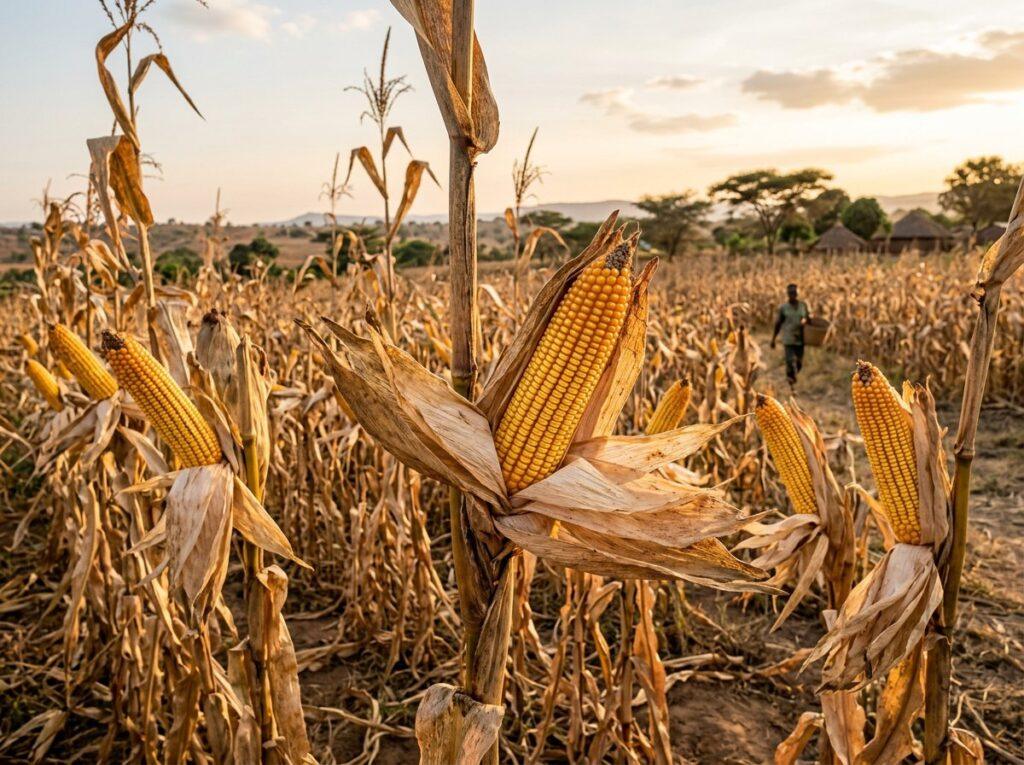
Maize should be harvested once grain has reached physiological maturity and dried down to an appropriate moisture content, since harvesting too early risks poor grain quality and storage problems from excess moisture.
Delaying harvest too long exposes the crop to field losses from pests, weather damage, and lodging where stalks fall over, so identifying the correct harvest window protects both yield quantity and grain quality.
Physiological maturity is indicated by the formation of a black layer at the kernel tip, and grain moisture at this stage is typically around thirty percent, requiring further drying before safe storage.
Proper drying before storage, whether through sun-drying or mechanical drying, is essential to prevent mold growth and storage pest damage, both of which can destroy a significant share of an otherwise successful harvest.
Grain should be dried to a moisture content of twelve to fourteen percent before being placed in storage, since moisture above this threshold creates conditions favourable for aflatoxin-producing fungi and insect multiplication.
Effective post-harvest handling also includes proper shelling, cleaning, and sorting of grain before storage, removing damaged or immature kernels that attract storage pests and accelerate deterioration of the entire stored batch.
Hermetic storage bags and properly sealed metal silos offer excellent protection against storage insects without requiring chemical treatments, preserving grain quality for several months and allowing farmers to sell when prices improve.
Where grain processing adds value through milling or other transformation, ensuring the raw grain is properly dried and free from contamination protects both product quality and consumer safety throughout the entire value chain.
Crop Rotation and Soil Health Management
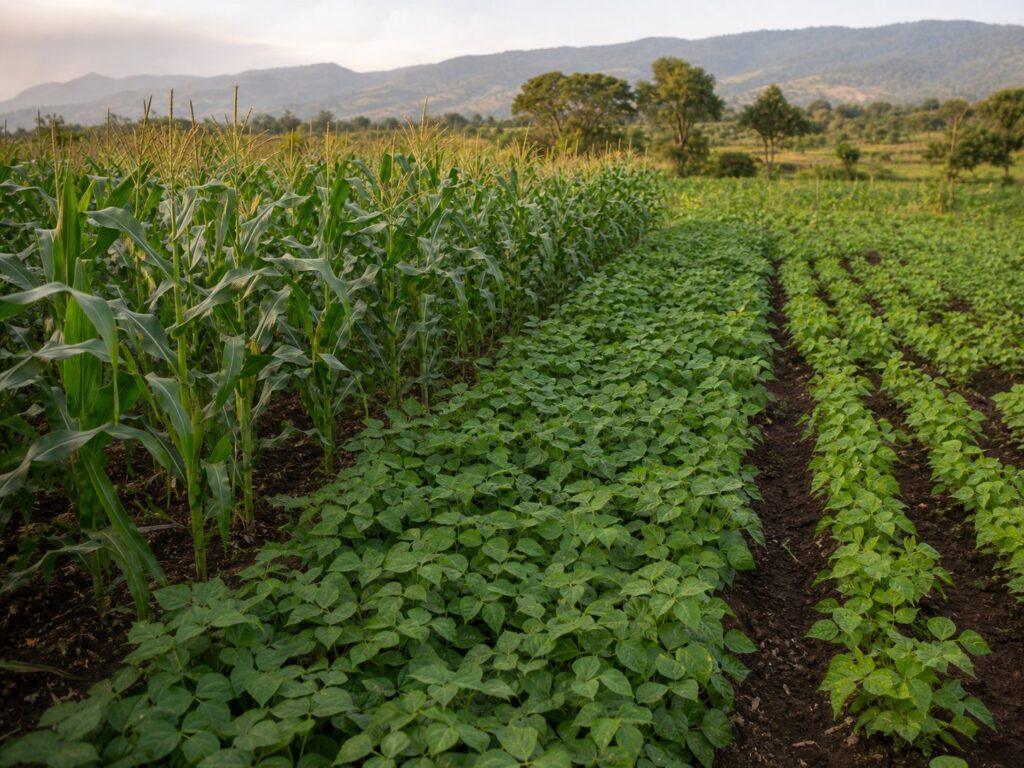
Continuous maize monocropping season after season progressively depletes soil nutrients and allows pest and disease populations specific to maize to build up in the soil, quietly eroding yield over successive seasons.
Rotating maize with legumes such as soybean, groundnut, or cowpea is a widely recommended practice, since legumes fix atmospheric nitrogen and leave measurably improved soil fertility for the following maize crop.
This biological nitrogen fixation reduces the fertilizer investment needed to achieve a comparable maize yield in the following season, improving the overall profitability and sustainability of your farming system over multiple years.
Rotation also helps break the life cycles of maize-specific pests and diseases, including providing some Striga management benefit, since Striga seed banks in the soil are reduced when a non-host crop grows.
A well-designed crop rotation plan that alternates maize with legumes every two to three seasons maintains soil structure, supports beneficial microorganisms, and prevents the progressive yield decline seen under continuous monocropping.
Where land constraints make full rotation impractical, intercropping maize with a legume in the same season, provided spacing is adjusted appropriately for the combined stand, captures some of the same soil fertility benefit.
Incorporating crop residues back into the soil after harvest, rather than burning them, builds organic matter content over time and improves water-holding capacity, which is especially valuable in lower-rainfall production zones.
For farmers growing soybean as a rotation crop, the nitrogen left behind for the subsequent maize crop can reduce fertilizer requirements by twenty to thirty percent while also providing an additional income source.
Cover cropping with mucuna or lablab during the dry season protects bare soil from erosion while adding substantial biomass that decomposes to release nutrients for the next maize planting season ahead.
Irrigation Considerations
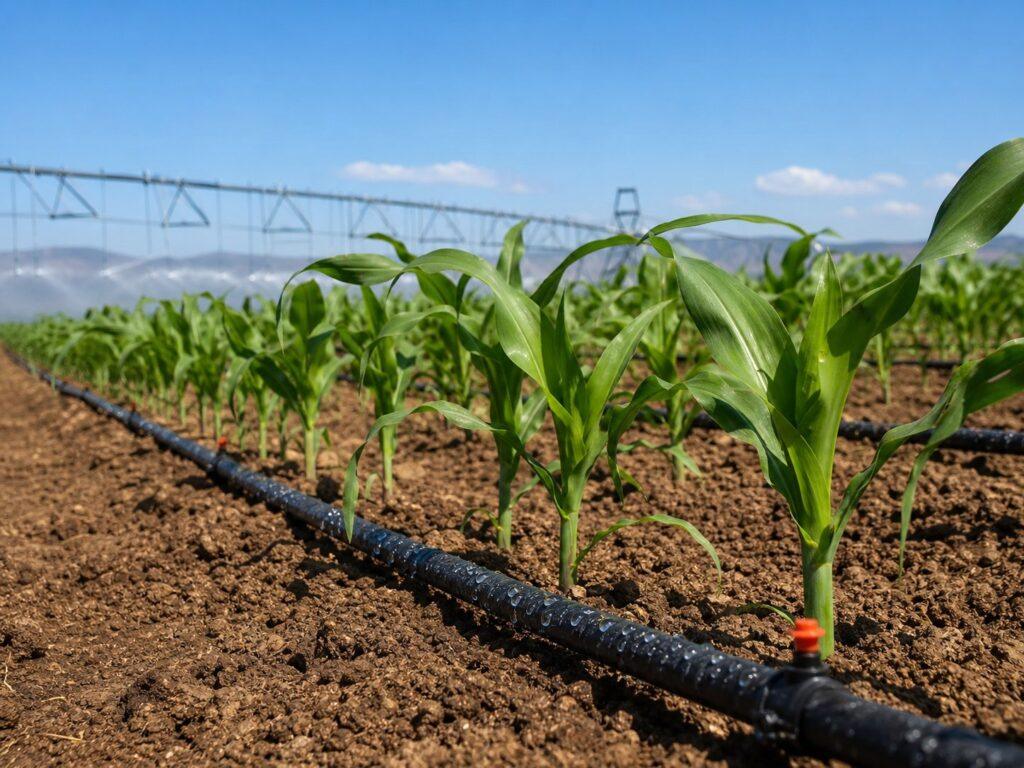
While the majority of African maize production remains rain-fed, supplemental or full irrigation, where accessible, meaningfully reduces the yield risk associated with erratic or insufficient rainfall during critical growth stages.
The critical flowering and grain-filling stages are when moisture stress does the most damage to final yield, and protecting these specific periods with supplemental water delivers the greatest return on irrigation investment.
Even partial irrigation capacity, enough to carry the crop through a mid-season dry spell during flowering, can protect a disproportionate share of total yield potential relative to the investment actually required.
Flowering and grain fill are the growth stages most sensitive to moisture stress in the entire maize life cycle, and even a few days of severe water deficit at flowering can halve yield.
Farmers considering irrigation investment should prioritize covering these critical growth stages first, rather than assuming full-season irrigation is necessary to capture most of the benefit from their limited water resources each year.
Drip irrigation and small-scale centre pivot systems are becoming increasingly affordable for medium-scale commercial farmers, offering precise water delivery that maximizes the yield response per unit of water applied to the crop.
Water harvesting techniques including farm ponds and contour bunds can supplement rainfall in semi-arid zones, capturing early-season rains for use during the critical flowering period when the crop needs moisture most urgently.
Combining irrigation with proper mulching and conservation tillage practices reduces total water requirements while maintaining soil moisture between irrigation events, stretching limited water supplies further across the critical growth stages of maize.
Record Keeping and Field Economics
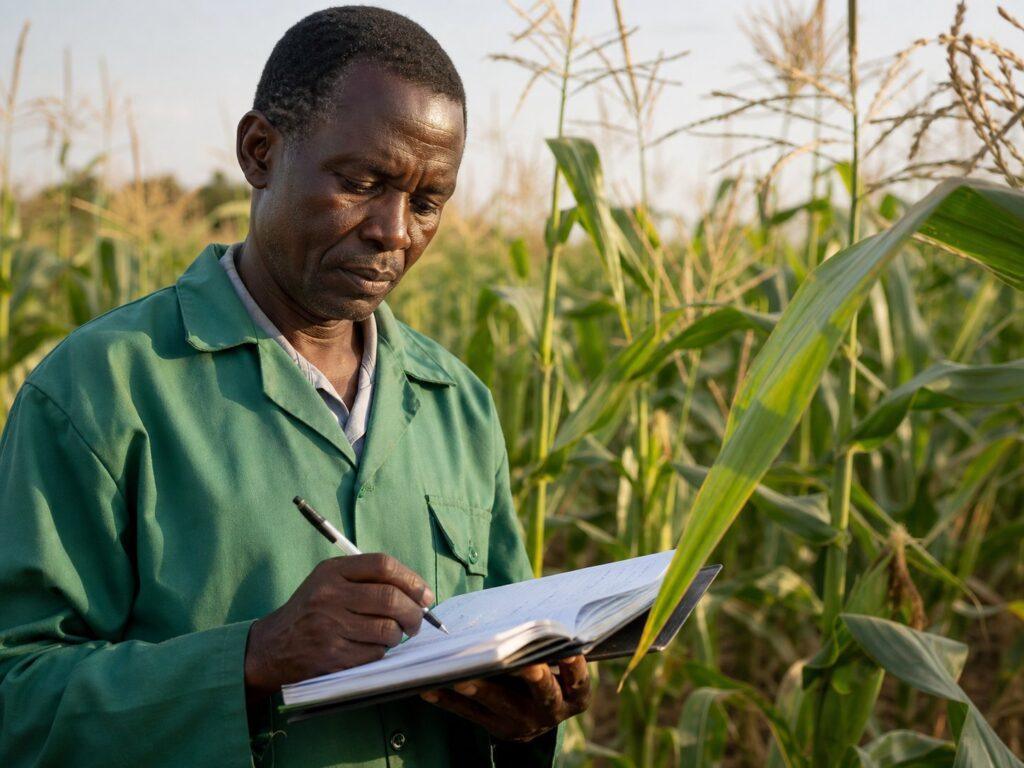
Tracking variety planted, planting date, seed and fertilizer cost and quantities applied, pest and disease incidents, and eventual yield builds a comparable season-over-season picture that reveals patterns invisible from memory alone.
Because maize yield is so directly affected by the combination of variety, timing, spacing, and fertilization, comparing your actual field yield against regional benchmarks identifies which specific practice is most limiting you.
Recording all input costs alongside final revenue from grain sales allows you to calculate true profit per hectare, which is the measure that ultimately determines whether your farming operation is economically sustainable.
Many farmers underestimate their true costs by failing to account for family labour, land rental value, and equipment depreciation, leading to overly optimistic profit estimates that mask underlying economic problems in the operation.
Building an agricultural business mindset around your maize operation means treating each season as an experiment where you change one variable at a time and measure the specific yield and profit response.
Comparing your records across three or more seasons reveals whether a particular variety, fertilizer rate, or planting date consistently outperforms alternatives under your specific conditions, building evidence for better future decisions.
Sharing yield data and input records with your local extension agent enables them to provide more targeted advice specific to your farm's history, rather than offering generic recommendations for the wider zone.
Digital farm record-keeping applications now available for smartphones make tracking these variables straightforward, and the accumulated data becomes increasingly valuable as you build multiple seasons of comparable information for future decision-making.
Equipment and Tools
A basic maize operation, scaling from smallholder to commercial size, requires matching equipment to your actual farm size to protect both capital investment and the seasonal timing that determines your final yield.
1. Land preparation equipment: ranging from hand tools and animal traction at smaller scale to tractor-drawn ploughing and ridging equipment at larger commercial scale, chosen based on your actual hectareage farmed.
2. Planting equipment: ranging from a simple dibber or hand-jab planter for smaller plots to mechanical or precision planters that improve spacing consistency and reduce labour requirements at larger operational scale.
3. Fertilizer application tools: matched to your chosen split-application approach, including calibrated spreaders for broadcast application or precise placement tools that position fertilizer near the root zone for maximum uptake efficiency.
4. Crop protection equipment: including a properly calibrated knapsack or motorized sprayer for herbicide and pesticide application, ensuring uniform coverage at the correct rate without over-application that wastes product and money.
5. Harvesting and post-harvest equipment: from simple hand harvesting and sun-drying at smallholder scale to mechanical combine harvesters and mechanical dryers that become economically justified at larger commercial production scale.
Matching equipment investment to your actual farm size, rather than under-investing in ways that increase labour cost and timing risk, or over-investing in mechanization beyond what your acreage justifies, protects both capital.
For detailed guidance on selecting appropriate farming equipment for your operation size and budget, consult equipment dealers who specialize in smallholder and medium-scale agricultural machinery suited to African conditions.
Regular maintenance of all equipment before each season prevents breakdowns during critical planting or harvest windows, when a single day's delay can cost significant yield through missed timing or weather exposure.
Common Mistakes to Avoid
1. Planting recycled grain instead of certified seed: this loses both the genetic yield potential and disease resistance that certified seed provides, often costing farmers far more than the seed savings gained.
2. Planting late relative to the rainy season onset: this pushes critical growth stages into a period of declining moisture availability, reducing both pollination success and grain filling in most growing seasons.
3. Applying the full fertilizer dose in a single application: splitting fertilizer to match the crop's actual nutrient uptake pattern over the season dramatically improves efficiency and reduces losses to leaching.
4. Leaving urea exposed on the soil surface: covering urea immediately after application prevents a meaningful share of applied nitrogen from being lost to volatilization into the atmosphere where crops cannot access it.
5. Ignoring plant population targets for your rainfall zone: overcrowding plants in lower-rainfall areas where water, not space, is the limiting factor simply intensifies competition and reduces total grain yield.
6. Delaying scouting for fall armyworm and other pests: waiting until damage is already extensive, rather than checking fields regularly during the vulnerable early vegetative stage, allows populations to build unchecked.
7. Harvesting too early or too late relative to grain maturity: both errors carry serious risks, with early harvest causing poor grain quality and late harvest exposing the crop to avoidable field losses.
Avoiding these common mistakes requires discipline and planning, but each error avoided protects a measurable portion of your potential yield that would otherwise be lost regardless of how well other practices are executed.
Summary on Complete Maize Farming Guide for High Yield Production
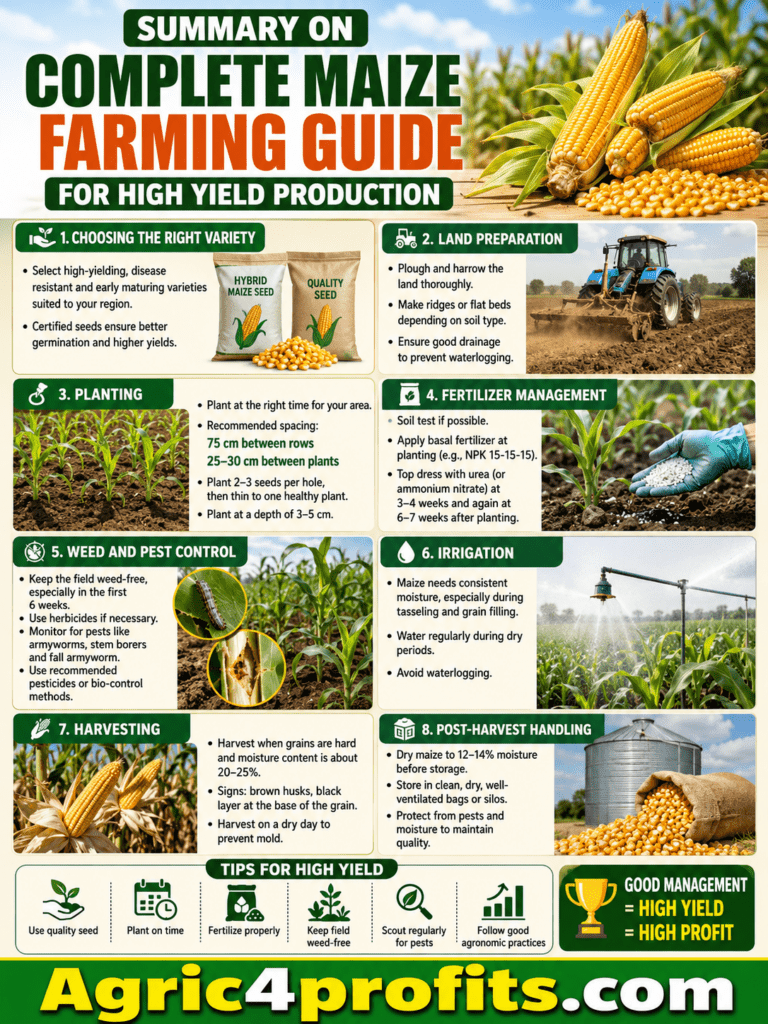
| Topic | Key Recommendation |
|---|---|
| Variety Selection | Use certified seed matched to your agroecological zone; improved varieties add up to two tonnes per hectare |
| Planting Timing | Plant at the true onset of the rainy season; delayed planting reduces yield significantly |
| Spacing | 75 cm between ridges, 25 cm between plants; adjust population to rainfall zone |
| Plant Population | 50,000-60,000 plants/ha (irrigated); 37,000-44,000 plants/ha (rain-fed, low rainfall) |
| Fertilization | 100 kg N, 50 kg P, 50 kg K per hectare in two split doses; cover urea promptly |
| Weed Control | First weeding within three weeks; pre-emergence herbicide within three days of planting |
| Striga Management | Nitrogen fertilizer plus IR maize varieties; rotate with non-host crops to deplete seed bank |
| Fall Armyworm | Scout early and regularly; treat above economic threshold; use tolerant varieties where available |
| Harvest Timing | Harvest at physiological maturity (black layer); dry to 12-14% moisture before storage |
| Crop Rotation | Rotate with legumes every 2-3 seasons; intercrop where land is limited |
| Irrigation | Prioritize flowering and grain-fill stages; partial irrigation protects most yield potential |
| Record Keeping | Track all inputs, costs, yields, and pest events; compare against regional benchmarks |
| Equipment | Match machinery to farm size; maintain before each season to prevent timing delays |
Frequently Asked Questions About Maize Production in Africa
1. What is the recommended fertilizer rate for maize in African savanna conditions?
A commonly recommended rate across West Africa's savanna zones is around one hundred kilograms of nitrogen, fifty kilograms of phosphorus, and fifty kilograms of potassium per hectare, applied in two split doses.
The first application should be a balanced NPK at planting, followed by a nitrogen-only top-dressing of urea four to five weeks later. Always confirm exact rates with your local extension service.
2. How much does variety choice really affect maize yield?
Studies of improved variety adoption among smallholder farmers have found average yield increases of close to two tonnes per hectare compared to unimproved varieties, alongside meaningfully higher farm returns each season.
This makes variety selection one of the single most impactful decisions in the entire maize production system, and choosing certified seed matched to your zone should always be your first priority.
3. What is Striga and how big a problem is it for maize farmers?
Striga is a parasitic weed that attaches to maize roots and draws nutrients directly from the plant, causing yield losses estimated at thirty to sixty percent in severely affected fields across Africa.
It is one of the most economically damaging constraints facing maize producers in West and East Africa, and managing it requires combining nitrogen fertilizer with imidazolinone-resistant varieties for best results.
4. How do I control fall armyworm on my maize crop effectively?
Regular field scouting to catch infestations before larvae move into the whorl, targeted insecticide application when infestation crosses an economic threshold, and fall-armyworm-tolerant varieties where available are the main control tools.
Confirm current locally recommended products and thresholds with your agricultural extension service, since guidance evolves as resistance patterns change and new biological control options become available in your specific region.
5. What plant spacing gives the best maize yield in West Africa?
A widely used recommendation is seventy-five centimetres between ridges and twenty-five centimetres between plants, with target final population adjusted for your rainfall conditions and the specific variety you are growing.
Around fifty thousand to sixty thousand plants per hectare suit irrigated conditions, while thirty-seven thousand to forty-four thousand plants per hectare are recommended in lower-rainfall areas to avoid moisture competition.
6. When should I plant maize for the best yield results?
Plant at the true onset of the rainy season when soil moisture is adequate for germination, as delayed planting consistently pushes critical growth stages into periods of declining rainfall availability.
This reduces both pollination success and grain filling, ultimately lowering your final yield significantly below the crop's genetic potential. Early planting remains one of the simplest yet most effective yield strategies.
7. Is irrigation necessary for profitable maize production in Africa?
Full irrigation is not necessary for most African maize production, but supplemental irrigation covering the critical flowering and grain-filling stages can protect a disproportionate share of yield potential each season.
These stages are the most moisture-sensitive in the entire maize life cycle, and even brief dry spells during flowering can cause major yield losses that no later input can recover.
8. How should I store maize grain after harvest to prevent losses?
Dry grain to twelve to fourteen percent moisture content before storage, use hermetic bags or sealed metal silos to prevent insect damage, and store in a cool, dry, well-ventilated space.
Keep grain away from direct contact with the ground, since proper storage can preserve grain quality for several months without chemical treatments and allows you to sell when prices improve.
9. Can I use saved grain from my previous harvest as seed?
While technically possible, saved grain loses the genetic yield potential and disease resistance that certified seed guarantees, and studies consistently show that certified seed outperforms recycled grain by significant margins.
The additional cost of quality certified seed is one of the highest-return investments in your entire maize production budget, typically paying for itself many times over through the extra yield gained.
10. How does crop rotation benefit maize production over time?
Rotating maize with legumes fixes atmospheric nitrogen, improves soil structure, breaks pest and disease cycles specific to maize, and reduces Striga seed banks in the soil over successive seasons.
These combined benefits maintain higher yields over time while reducing the fertilizer investment needed to achieve comparable results in each following maize crop, improving both profitability and long-term soil health.
Do you have any questions, suggestions, or contributions? If so, please feel free to use the comment box below to share your thoughts. We also encourage you to kindly share this information with others who might benefit from it. Since we can’t reach everyone at once, we truly appreciate your help in spreading the word. Thank you very much for your support and for sharing!
Read Also: The Different Types of Manure and How they Work
🌱 Take Your Farming Further With Agric4Profits
Based on what you just read, here are free resources and products from Agric4Profits that can help your farm right now:
- 🛒 Visit Our Marketplace — Organic neem oil, bio-pesticides, seeds and farming products
- 📚 Read Premium Content — Advanced guides for serious and profitable farming
- 🎓 Join Our Free Academy — Structured free training for farmers across Africa
- 🔧 Use Our Free Farm Tools — Profit calculators, feed formulation, pest identifier and more
- 💬 Join Our Farming Community — Connect with farmers across all 54 African countries
- ❓ Ask a Farming Question — Get answers from experienced farmers and agricultural experts
Please cite this content in academic work, research, or publications.