


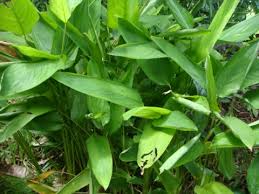
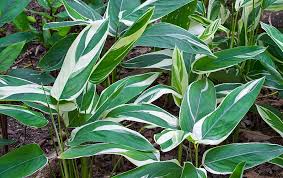
Arrowroot (Maranta Arundinacea L), although originated from Central America, South America, and the West Indies, it is now grown worldwide. The portion of the arrowroot plant that grows above ground can reach heights of up to six feet. The plant’s edible root is roughly 10 inches long and resembles a large potato.
When harvested, it resembles other underground tubers like cassava, yucca, or kudzu in appearance. Additionally, it is oblong, like underground tubers. However, it is extracted using more conventional, less difficult techniques. High heat or strong chemicals are not used.
Numerous researchers are currently examining the advantages of including arrowroot in your diet because of its vitamins and minerals.
You can purchase arrowroot either fresh or dried as a powder. In baking, dried arrowroot can be used in place of cornstarch because it is an easily digested starch. In the late fall, winter, and early spring, arrowroot is accessible.
Read Also: Arrowroot (Maranta arundinacea. L): Importance and Health Benefits
In some recipes, arrowroot powder may even work better than cornstarch or flour as a thickening agent. A small amount of arrowroot powder, for instance, can thicken soups without making them appear foggy, as other starches frequently do.
Peeling and slicing the fresh arrowroot root will prepare it. It may be used in many of the same recipes and cooks similarly to water chestnuts. The arrowroot peels can also be fried into chips or used in stews in a similar way to potatoes.
The plant was given the name Arrowroot. Because it was used to heal people who had been wounded by poisoned arrows,
Like cornstarch, arrowroot powder is white and powdered but has a significantly higher nutritional value.
It works wonders as a thickening ingredient in sauces, soups, gravies, and puddings in place of cornstarch and flour. But unlike cornstarch, it doesn’t give meals a starchy flavor.
Read Also: 10 Amazing Health Benefits of Annatto (Bixa Orellana)
10 Health Benefits of Arrowroot (Maranta Arundinacea)
Due to its ease of digestion, arrowroot has long been a staple in the diets of infants and people recovering from illness.
Smallpox, gangrene, athlete’s foot, and sunburn can all be treated with arrowroot, a herbal remedy. Additionally, it treats infected wounds from snake or spider bites.
Since it has a slight laxative effect on the large intestine, it helps to relieve digestive discomforts such as acidity and indigestion.
You get clear skin and bouncy, smooth hair thanks to arrowroot.
1. For Diabetic Patients
Arrowroot’s low glycemic index and high potassium content benefit diabetics. As a result, scientists are currently investigating the advantages of using arrowroot flour as a component in nutritious snacks for diabetic patients.
2. Lowers Cholesterol
Since cholesterol is needed for the manufacture of bile, arrowroot promotes bile production, which increases the gall bladder’s absorption of cholesterol. As a result, arrowroot consumption lowers cholesterol.
3. Benefits for Pregnant Women
A crucial nutrient for pregnant women, folates are found in abundance in fresh arrowroots. Approximately 84% of the daily recommended dietary requirement of folate is provided by a 100-gram dose of arrowroot.
Folate is a crucial element for the production of DNA and cell division. Preventing neural tube abnormalities and other congenital deformities in the progeny requires adequate folate intake during pregnancy.
Read Also: 10 Health Benefits of Asafoetida (Ferula asafoetida)
4. Good For Digestive System
The digestive system benefits from arrowroot. Irritable bowel syndrome sufferers’ bowel movements are cured by arrowroot powder’s high starch content and demulcent properties.
In addition to treating diarrhea, arrowroot starch can treat nausea and replenishes nutrients lost through vomiting and diarrhea.
5. For Smooth Skin
Moisturizers and talcum powder frequently contain arrowroot starch. It has moisture-absorbing properties that make your skin softer and smoother and allow active substances in talcum powders and lotions to permeate into the higher layers of the skin.
6. Aids Weight Loss
The key substance that arrowroot powder is resistant to is starch, which the body cannot digest or absorb. It contains 32% resistant starch, according to studies.
As a result, when combined with water, starch behaves in the gut like soluble fiber. You have a sustained feeling of fullness thanks to the same feature.
Additionally, the protein in arrowroot can aid in satiety. Consequently, it might assist you in controlling your hunger and gradually promote weight loss.
7. Gluten Free
Gluten, which can cause allergic symptoms, is found in various grains, including wheat flour. If you have a gluten or corn allergy, you can use arrowroot flour in place of wheat flour, especially if you have celiac disease.
It is a supplantable vegetable for corn starch. For making bread, cookies, and other recipes, it also combines well with almond or coconut flour. Additionally, you can use it to thicken other sauces and gravies.
8. Great Source Of Vitamin B
Riboflavin and niacin, two forms of vitamin B, can be found in abundance in arrowroot. Niacin aids in reducing inflammation, reducing discomfort from arthritis, and lowering cholesterol. Additionally, it helps lessen the chance of developing cardiovascular illnesses.
Another vitamin B complex found in arrowroot is folate. It is crucial for good fetal growth and for preventing anemia. It contains 338 mcg of folate per serving (100g), promoting the development, division, and production of red blood cells in the body.
Niacin eliminates the signs and symptoms of Pellagra, which also eliminates diarrhea, dementia, dermatitis, and mortality. Furthermore, the folate component is necessary for the fetus’s growth and development. Arrowroot shields children from neural tube abnormalities.
Read Also: Ukazi Leaf (Gnetum Africanum): Nutrition, Facts, and Health Benefits
9. Improves Kidney Health
Potassium, which is abundant in arrowroot, is believed to help the kidneys remove toxins and other substances that cause stress.
Additionally, it might aid in enhancing kidney function and the health of the urinary system. Additionally, it aids in maintaining healthy blood pressure and immunity.
10. Good For Babies
In addition to encouraging healthy growth and development in young children, arrowroot aids in increasing the rate at which many vital minerals are absorbed.
It serves as an alternative to breast milk. Numerous arrowroot snacks can also aid the management of infants’ cough, bronchitis, and diarrhea. It may also assist in lessening gum discomfort while teething.
Read Also: 10 Scientific Based Health Benefits of Moringa You Need to Know About!!
Nutritional value of Arrowroot (Maranta Arundinacea L)
1. Carbohydrates: Arrowroot contains 13.39 grams of carbohydrates per 100 grams raw, serving as a primary energy source that supports metabolic processes and daily physical activities.
2. Dietary Fiber: With 1.3 grams per 100 grams, this fiber aids digestion, promotes bowel regularity, and helps in maintaining stable blood sugar levels.
3. Protein: Providing 4.24 grams per 100 grams, protein in arrowroot contributes to tissue repair, immune function, and enzyme production.
4. Fat: At 0.2 grams per 100 grams, the low fat content supports cell structure and hormone balance without adding excessive calories.
5. Folate (Vitamin B9): Offering 338 micrograms (85% DV) per 100 grams, folate is crucial for DNA synthesis, red blood cell formation, and preventing neural tube defects during pregnancy.
6. Potassium: Containing 454 milligrams (15% DV) per 100 grams, potassium helps regulate fluid balance, nerve signals, and muscle contractions.
7. Iron: With 2.22 milligrams (12% DV) per 100 grams, iron supports oxygen transport in the blood and prevents anemia.
8. Phosphorus: At 98 milligrams (8% DV) per 100 grams, phosphorus aids in bone health, energy production, and cellular repair.
9. Niacin (Vitamin B3): Providing 1.693 milligrams (11% DV) per 100 grams, niacin assists in converting food to energy and maintaining skin health.
10. Vitamin B6: With 0.266 milligrams (16% DV) per 100 grams, this vitamin supports brain development, immune function, and hemoglobin formation.
Scientific Evidence and Case Studies on Arrowroot (Maranta Arundinacea L)
1. Kumalasari et al. (2012): This study evaluated arrowroot extracts and found they stimulated IgM production in vitro using mouse splenocytes and increased serum levels of IgG, IgA, and IgM in vivo in mice, demonstrating immunostimulatory benefits that enhance immune response. (Kumalasari, I. D., Harmayani, E., & Raharjo, S. (2012). Evaluation of immunostimulatory effect of the arrowroot (Maranta arundinacea) extracts in vitro and in vivo. Journal of Food Science and Technology, 49(1), 105–111.)
2. Nurulita et al. (2022): Researchers investigated dietary arrowroot in rats with DMBA-induced mammary cancer and observed reduced tumor incidence, limited cancer stem cell marker ALDH1A1, decreased SDF-1 levels, and inhibited cell proliferation, proving chemopreventive effects against breast cancer. (Nurulita, N. A., Kusmardi, K., Elya, B., & Meiyanto, E. (2022). Chemopreventive effect of dietary Maranta arundinacea L. against DMBA-induced mammary cancer in Sprague Dawley rats by limiting ALDH1A1, SDF-1 and cell proliferation. Integrative Cancer Therapies, 21, Article 15347354221113077.)
3. Rahimi and Abdollahi (2012): In a review of herbal medicines for IBS, powdered arrowroot root was assessed in patients with diarrhea-predominant IBS, showing reduced diarrhea and long-term relief from abdominal pain, highlighting benefits for gastrointestinal symptom management. (Rahimi, R., & Abdollahi, M. (2012). Herbal medicines for the management of irritable bowel syndrome: A comprehensive review. World Journal of Gastroenterology, 18(7), 589–600.)
4. Jaiboonma et al. (2021): This research tested arrowroot extracts using an in vitro protein denaturation assay and found significant inhibition of inflammation, indicating anti-inflammatory properties that could help in conditions involving swelling and pain. (Jaiboonma, P., Treethip, C., & Siriwongrungson, V. (2021). Evaluation of anti-inflammatory property of Maranta arundinacea using protein denaturation assay. Journal of Pharmaceutical Research International, 33(47A), 123–128.)
Frequently Asked Questions About Arrowroot (Maranta Arundinacea L)
1. What is Arrowroot (Maranta arundinacea L)? It is a tropical plant whose rhizomes are used to produce a starchy powder, valued for its digestibility and use in food and traditional medicine.
2. What are the main health benefits of arrowroot? It supports digestion, boosts immunity, may aid in cancer prevention, and provides anti-inflammatory effects, based on its nutrient profile and bioactive compounds.
3. How can arrowroot be used? Commonly as a thickening agent in cooking, in gluten-free baking, or as a powder in teas and supplements for digestive relief.
4. Are there any side effects of arrowroot? Generally safe, but excessive intake may cause bloating; those with allergies to similar starches should avoid it.
5. Can arrowroot help with digestive issues? Yes, its fiber and starch content promote gut health and relieve diarrhea, as seen in studies on IBS.
6. Is arrowroot nutritious for pregnancy? It is rich in folate, which supports fetal development, making it beneficial when included in a balanced diet.
7. What nutrients are prominent in arrowroot? Key ones include carbohydrates, folate, potassium, iron, and B vitamins, contributing to energy and overall wellness.
8. Does arrowroot have antioxidant properties? Yes, some compounds in arrowroot exhibit antioxidant activity, helping to reduce oxidative stress.
9. Can arrowroot aid in weight management? Its low calorie and high fiber content can promote satiety and support calorie restriction efforts.
10. Where is arrowroot commonly grown? Native to tropical regions like South America, it is cultivated in warm climates for its starch-yielding rhizomes.
Do you have any questions, suggestions, or contributions? If so, please feel free to use the comment box below to share your thoughts. We also encourage you to kindly share this information with others who might benefit from it. Since we can’t reach everyone at once, we truly appreciate your help in spreading the word. Thank you very much for your support and for sharing!
Disclaimer: This article is for educational and informational purposes only. The health benefits described are based on scientific research and traditional knowledge. They are not a substitute for professional medical advice, diagnosis, or treatment. Always consult a healthcare professional before using any herb or natural remedy for medical purposes.
Read Also: Why the Reuse and Recycling of Plastics are Essential to Waste Management