


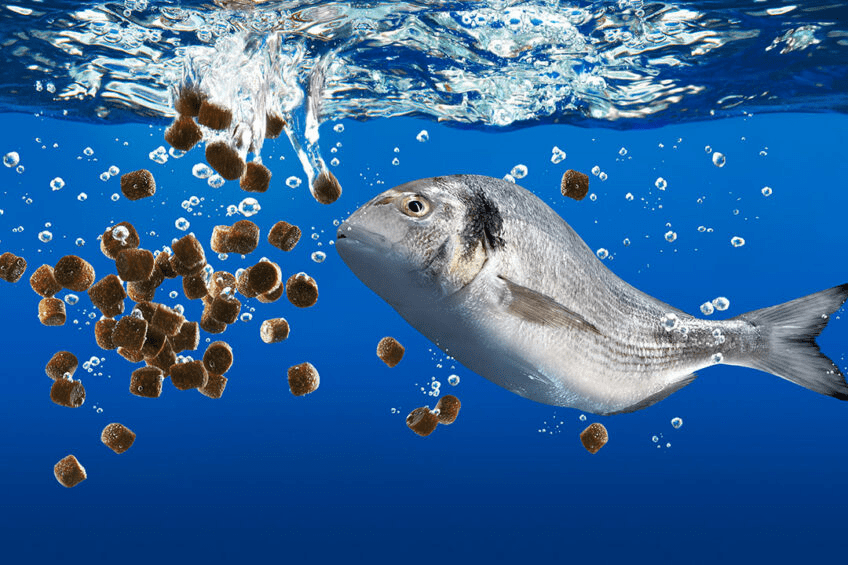
Feed formulation is applied nutrition, and fish diets demand the same precision as any other balanced ration. Formulators who understand ingredient quality, digestibility, and cost can make reliable feeds without unnecessary waste.
Many nutrient terms appear simple, yet each one carries assumptions that affect final results. Crude protein, metabolizable energy, digestible energy, amino acids, fibre, and ash all describe useful averages rather than perfect absolute truths.
That is why a good formula begins with caution. Ingredient values may shift with harvest season, processing method, storage, species, and temperature, so practical formulation depends on laboratory data and sound judgment, especially during storage.
Fish feed work also benefits from wider aquaculture knowledge. Fish nutrition, feeding systems, and ingredient handling all shape the final diet before a pellet ever reaches water in practice and storage.
Because feed usually represents the highest operating cost, formulating well is not only a nutritional exercise but also a financial one. The best diets meet species needs while preserving feed efficiency, availability, and growth.
In practice, the goal is not a single perfect recipe. Instead, formulators compare alternatives, test assumptions, and choose the least costly ingredient combination that still supports growth, health, and good formula and farm planning.
🌿 Go Organic on Your Farm: Instead of harmful chemical pesticides and fertilisers, try our organic farming products — including neem oil spray, bio-pesticides, natural plant treatments, organic seeds and seedlings, suckers, and many more organic products that are safe for your health, your family, your soil and your harvest. Shop Now →
1. Balancing Crude Protein Level
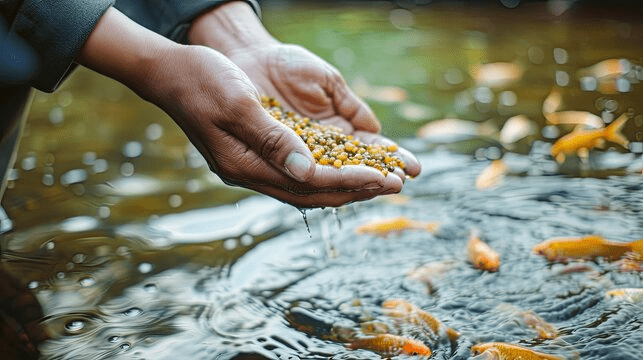
Balancing crude protein usually comes first because protein is expensive and strongly influences growth. A practical formula begins with protein sources that supply enough nutrient while leaving room for cheaper energy sources.
The square method remains a useful classroom and field tool because it quickly shows how much of a high-protein feedstuff and a low-protein feedstuff are needed to reach a target protein level.
Suppose rice bran and soybean meal are available for a carp diet designed at twenty-five percent crude protein. The formula is built by subtracting the target from each ingredient and cross-checking the differences.
In that example, the higher gap goes to rice bran and the smaller gap to soybean meal, converting the target protein percentage into workable parts that can scale to any batch size.
🔧 Free Farm Tool Available: Use our free Agric4Profits Farm Tools to calculate your farm profits, formulate feeds, identify pests and diseases on both your crops and animal farms, plan your planting and harvesting season, including many more farm tasks to get free expert advice and recommendations — completely free, no registration required. Access Free Tools →
When additional feeds are available, formulators may group them into basal ingredients and protein supplements, then average protein values within each group before applying the square method, especially for basal ingredients.
This method is especially helpful for beginners who need a practical starting point. It reduces guesswork, encourages consistency, and supports comparison with other references such as ingredient pairing principles and routine formulation checks.
Read Also: Classification of Animal Feedstuffs
2. Balancing Energy, Amino Acids, Crude Fibre, and Ash
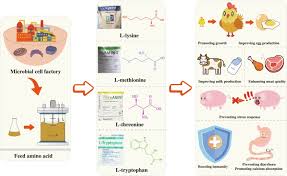
Energy balance is the next major concern because fish do not respond well to diets that are either too rich or too dilute. Metabolizable energy and digestible energy guide this part of the formula.
Unlike crude protein, energy values are obtained biologically, so they are closer to true feeding value. Even so, collection methods, fish size, water temperature, and sampling technique can introduce variation into the final number.
💬 Have a Farming Question? Join thousands of farmers across Africa on the Agric4Profits Community — ask questions, share experiences and connect with agricultural experts. It is completely free. Ask Your Question Now →
Rainbow trout studies show that digestibility may fall at lower temperatures, while species differences also appear clearly in carbohydrate use. Herbivorous fish generally obtain more usable energy from carbohydrates than carnivorous species, especially from carbohydrates.
Meal size can also affect digestibility, especially for carbohydrate and energy fractions, so feeding rate matters when interpreting laboratory figures. Protein and lipid digestibility often remain steadier than carbohydrate digestibility under similar conditions.
These differences explain why formulators should match ingredient energy values to the fish species being raised. Practical experience with feed types and species-specific digestion improves the final balance in real farm conditions.
Energy and protein must be reviewed together because a formula that looks correct on paper can still fail in the pond. Adjustments usually require revisiting ingredient proportions, not changing a single nutrient in isolation.
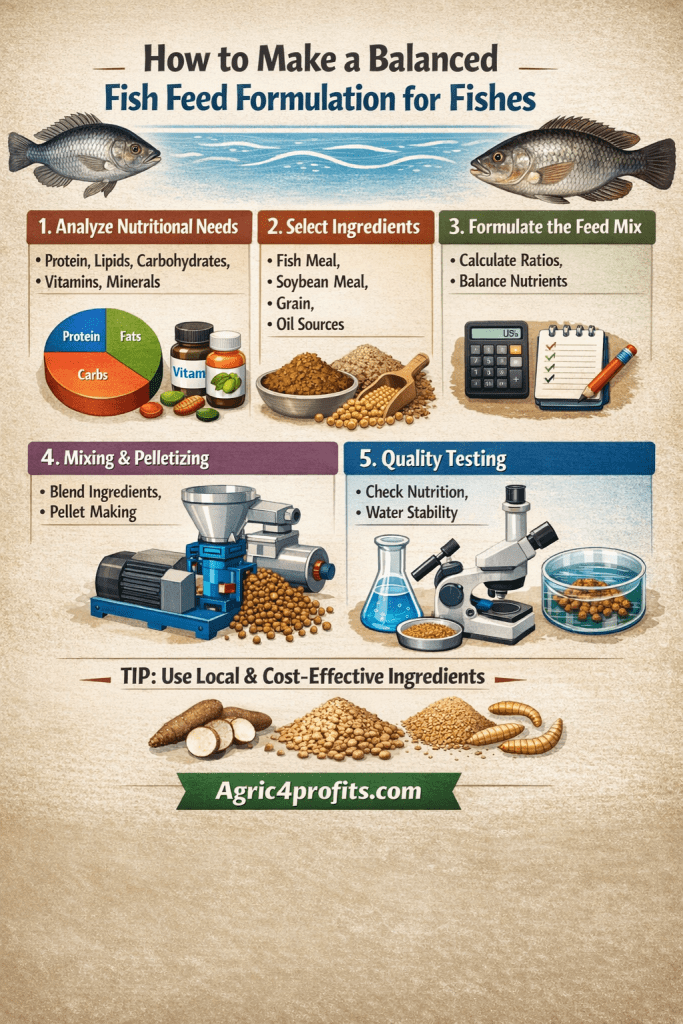
3. Steps in Fish Feed Formulation
After protein and energy are aligned, the next check is amino acid adequacy. Fish need amino acids in sufficient amounts, and the formulator must decide whether requirements are stated as diet level or protein basis.
To convert a dietary amino acid value into a protein basis, divide the amino acid percentage by the crude protein percentage. This simple step helps compare ingredients and spot hidden limitations more quickly.
Usually, verifying arginine, lysine, methionine, and tryptophan gives a strong early indication of overall amino acid balance. When these are adequate, the other indispensable amino acids are often close to satisfactory too.
Unconventional protein sources deserve closer attention because they may have unusual amino acid patterns. Their use should be checked against the fish's needs, rather than assumed to work because they look inexpensive or species-specific feeds.
If an ingredient leaves the formula short of one amino acid, the deficiency must be corrected by adding a richer source and reducing one ingredient. The substitution should be rechecked for protein and energy balance.
📖 Want to Go Deeper on This Topic?
Our expert agricultural ebooks cover poultry, fish farming, different crops production, snail farming, organic farming, mushrooms, sheep, cattle, flowers, pig farming, goat farming, agribusiness, etc. in practical step-by-step detail — written by agricultural professionals for African farmers.
Browse All Farming Ebooks →Broader nutrition references, including key nutrients and aquaculture nutrition basics, help keep amino acid decisions practical, accurate, species-focused, and easier to defend during formulation reviews on the farm and in feed mills.
Read Also: Ornamental Fishes and Aquaria Design
4. Practical Costing and Ingredient Substitution
The full formulation process works best in stages. First, balance protein and energy; second, verify amino acids; third, check fibre, ash, and palatability; and finally, confirm that cost and availability still make sense.
A useful starting recipe normally combines one ingredient that is high in protein and energy, one that is lower in protein but good in energy, and one that is low or intermediate in both.
Once experience grows, more ingredients can be introduced without losing control of the formula. A diet mixing sheet becomes valuable because it standardizes calculations and reduces variation between batches, a lesson seen in formula care.
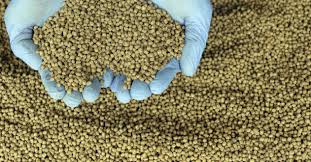
Feed quality should always be judged beyond nutrients alone. Pellet durability, water stability, particle size, and acceptance by the fish are all important, especially when comparing pellet quality with production cost.
Seasonal availability, ingredient substitutions, and market price changes all affect the final formula. A good formulator keeps several viable alternatives ready so the diet can be adjusted without losing nutritional consistency.
In this way, practical feed formulation becomes a flexible process rather than a rigid formula. That flexibility is important when working with ingredient classes, local markets, and the realities of farm-level production.
Summary on How to Make a Balanced Fish Feed Formulation for Fishes
| Section | Main idea | Practical takeaway |
| Introduction | Defines fish feed formulation and its assumptions | Use average ingredient values carefully and remember they can vary. |
| 1. Balancing Crude Protein Level | Shows the square method and ingredient grouping | Start with protein, then scale the batch with confidence. |
| 2. Balancing Energy, Amino Acids, Crude Fibre, and Ash | Explains digestibility, energy, and amino acid checks | Match nutrient values to species needs and feeding conditions. |
| 3. Steps in Fish Feed Formulation | Lays out a sequence for checking the diet | Review nutrients first, then move to quality and acceptability. |
| 4. Practical Costing and Ingredient Substitution | Covers pellet quality, cost, and flexibility | Keep alternatives ready and recheck the formula after changes. |
Frequently Asked Questions About How to Make a Balanced Fish Feed Formulation for Fishes
1. What is fish feed formulation?
Fish feed formulation focuses more sharply on water stability, digestibility, species differences, and pellet quality than many land-animal rations. Because feed can dissolve or leach nutrients, ingredient choice matters even before the fish eats.
2. Why is crude protein the first thing to balance?
Crude protein is the starting point because it strongly influences growth and cost. However, it should never be balanced alone, since energy, amino acids, fibre, and ash can change how efficiently protein is actually used.
3. Is the square method still useful today?
Yes, the square method is still useful for quick estimations, training, and rough comparisons between two main ingredients. It is not a complete formulation system, but it helps beginners build confidence and avoid guesswork.
4. What is the difference between metabolizable energy and digestible energy?
Metabolizable energy and digestible energy are biological measurements of usable feed energy. They matter because fish species use carbohydrates and fats differently, so a feed that works for one species may not suit another.
5. Why are amino acid checks important?
Amino acid checks are important whenever a formula uses unusual ingredients or low-cost substitutes. Even if crude protein looks adequate, the diet may still fail if one indispensable amino acid is below the required level.
6. Do ingredient values stay the same all year?
Yes, ingredient values change with season, maturity, processing, storage, and location. Good formulators use tables as guides, then confirm the formula with practical judgment, especially when local feedstuffs are inconsistent.
7. Why does pellet quality matter so much?
Pellet quality affects feed handling, water stability, and acceptance by fish. A pellet that breaks quickly can waste nutrients, foul the water, and reduce the efficiency of an otherwise well-balanced formula.
8. What is the safest way to finish a fish feed formula?
The safest approach is to balance nutrition first, then compare ingredient cost, then recheck the final diet for amino acids and energy. That sequence keeps the formula practical without losing biological accuracy.
Do you have any questions, suggestions, or contributions? If so, please feel free to use the comment box below to share your thoughts. We also encourage you to kindly share this information with others who might benefit from it. Since we can’t reach everyone at once, we truly appreciate your help in spreading the word. Thank you very much for your support and for sharing!
Read Also: Guide on How to Produce Body Cream (Baby Jelly)
🌱 Take Your Farming Further With Agric4Profits
Based on what you just read, here are free resources and products from Agric4Profits that can help your farm right now:
- 🛒 Visit Our Marketplace — Organic neem oil, bio-pesticides, seeds and farming products
- 📚 Read Premium Content — Advanced guides for serious and profitable farming
- 🎓 Join Our Free Academy — Structured free training for farmers across Africa
- 🔧 Use Our Free Farm Tools — Profit calculators, feed formulation, pest identifier and more
- 💬 Join Our Farming Community — Connect with farmers across all 54 African countries
- ❓ Ask a Farming Question — Get answers from experienced farmers and agricultural experts
Please cite this content in academic work, research, or publications.