


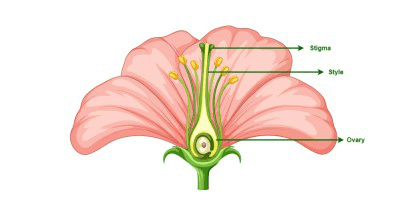
The cashew ovary is the female reproductive structure of the cashew flower, where ovules develop and eventually mature into cashew nuts. Scientifically known as Anacardium occidentale, the cashew tree produces flowers with ovaries that are essential for the plant's reproductive process.
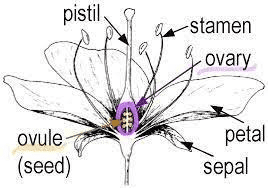
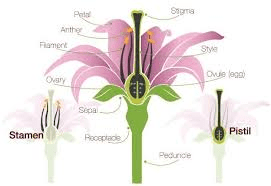
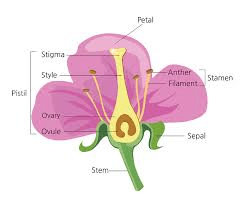
The ovary is located at the base of the pistil, the female reproductive organ of the flower. It is typically bulbous or pear-shaped and contains one or more ovules, which are the structures that develop into seeds upon fertilization.
Within the ovary, ovules undergo development and maturation under the right conditions, such as proper pollination and fertilization. Once pollinated, pollen grains adhere to the stigma, the receptive surface at the tip of the pistil, and germinate, forming pollen tubes that grow down through the style to reach the ovary.
Fertilization occurs when the male gametes (sperm cells) from the pollen grains unite with the female gametes (egg cells) within the ovules. This fertilization process leads to the formation of seeds within the ovary.
In the case of cashew flowers, the fertilized ovules within the ovary develop into the cashew nuts, which are the edible seeds of the cashew tree. Surrounding tissues of the flower's ovary also develop into the cashew apple, a fleshy fruit that provides protection and nutrients to the developing nuts.
Once the cashew nuts reach maturity, they are ready for harvest, signaling the completion of the reproductive cycle. The cashew ovary plays a crucial role in this process, serving as the site of seed development and maturation within the cashew flower.
🌿 Go Organic on Your Farm: Instead of harmful chemical pesticides and fertilisers, try our organic farming products — including neem oil spray, bio-pesticides, natural plant treatments, organic seeds and seedlings, suckers, and many more organic products that are safe for your health, your family, your soil and your harvest. Shop Now →
The Economic Importance and Uses of Cashew Ovary
1. Fruit Development: The cashew ovary plays a crucial role in the development of the cashew fruit. It contains the ovules, which upon fertilization, develop into cashew nuts, the commercially valuable part of the fruit.
2. Cashew Nut Production: The ovary is the precursor to cashew nuts, which are a significant source of income for cashew farmers and contribute to the economy of cashew-producing regions worldwide.
3. Agricultural Industry: Cashew ovary development is essential for the cashew agricultural industry, as it determines the yield and quality of cashew nuts harvested from cashew trees.
4. Export Revenue: Cashew nuts derived from the ovary are exported to various countries, generating substantial revenue for cashew-producing nations and contributing to international trade.
🔧 Free Farm Tool Available: Use our free Agric4Profits Farm Tools to calculate your farm profits, formulate feeds, identify pests and diseases on both your crops and animal farms, plan your planting and harvesting season, including many more farm tasks to get free expert advice and recommendations — completely free, no registration required. Access Free Tools →
5. Food Processing: Cashew nuts obtained from the ovary are processed into a variety of food products such as snacks, confectioneries, and culinary ingredients, adding value to the agricultural produce.
6. Culinary Use: Cashew nuts derived from the ovary are used in a wide range of culinary applications, including savory dishes, desserts, baking, and nut butter production, enhancing flavor and texture in various cuisines.
7. Nutritional Value: Cashew nuts from the ovary are nutritious, containing essential nutrients such as protein, healthy fats, vitamins, and minerals, contributing to balanced diets and promoting health and well-being.
8. Snack Industry: Cashew nuts obtained from the ovary are popular snack items consumed globally, driving demand in the snack food industry and supporting market growth for cashew products.
9. Dietary Supplements: Cashew nuts and cashew-derived products from the ovary are used in the production of dietary supplements, providing concentrated sources of nutrients for health-conscious consumers.
💬 Have a Farming Question? Join thousands of farmers across Africa on the Agric4Profits Community — ask questions, share experiences and connect with agricultural experts. It is completely free. Ask Your Question Now →
10. Livelihoods: Cashew ovary development sustains the livelihoods of millions of people involved in cashew cultivation, harvesting, processing, and trade, supporting rural economies and livelihood opportunities.
11. Beverage Industry: Cashew nuts from the ovary are utilized in the beverage industry for producing plant-based milk alternatives, such as cashew milk, which caters to consumers with lactose intolerance or plant-based dietary preferences.
12. Cosmetic Industry: Cashew nut oil extracted from the ovary is used in the cosmetic industry for skincare products, hair care formulations, and massage oils, offering moisturizing and nourishing properties.
13. Pharmaceutical Industry: Cashew nut shell liquid (CNSL) extracted from the cashew ovary is used in the pharmaceutical industry for its medicinal properties, such as anti-inflammatory and antimicrobial effects, in various pharmaceutical formulations.
14. Industrial Applications: Cashew nut shell liquid (CNSL) derived from the ovary is used in industrial applications, including adhesives, varnishes, paints, and coatings, due to its chemical properties and resistance to heat and moisture.
15. Animal Feed: Cashew nut meal obtained from the ovary is used as a nutritious ingredient in animal feed formulations for livestock, poultry, and aquaculture, providing protein and energy sources for animal nutrition.
16. Biodegradable Materials: Cashew nut shell liquid (CNSL) extracted from the ovary is utilized in the production of biodegradable materials, such as bio-based plastics and resins, contributing to environmentally friendly alternatives to conventional petroleum-based products.
17. Renewable Energy: Cashew nut shell liquid (CNSL) from the ovary is utilized as a biofuel in renewable energy applications, such as biodiesel production, providing a sustainable energy source with reduced environmental impact.
Read Also: 10 Medicinal Health Benefits Of Convolvulus prostratus (Bindweed)
📖 Want to Go Deeper on This Topic?
Our expert agricultural ebooks cover poultry, fish farming, different crops production, snail farming, organic farming, mushrooms, sheep, cattle, flowers, pig farming, goat farming, agribusiness, etc. in practical step-by-step detail — written by agricultural professionals for African farmers.
Browse All Farming Ebooks →The Products and By-products That Can Be Derived From Cashew Ovary
1. Cashew Nut: The cashew nut is the primary product derived from the cashew ovary. It is harvested and processed for consumption as a nutritious and versatile food ingredient.
2. Cashew Nut Shell Liquid (CNSL): CNSL is extracted from the cashew nut shell, which is part of the ovary. It is used in various industrial applications such as adhesives, coatings, and biofuel production.
3. Cashew Nut Meal: After the extraction of cashew nut oil, the remaining cashew nut meal can be used as animal feed, providing protein and energy for livestock and poultry.
4. Cashew Nut Oil: Cashew nut oil is extracted from the cashew nut and is used in the cosmetic and pharmaceutical industries for skincare products, hair care formulations, and pharmaceutical preparations.
5. Biodegradable Materials: CNSL can be polymerized to produce biodegradable materials such as bio-based plastics, resins, and coatings, contributing to sustainable packaging and manufacturing practices.
6. Renewable Energy: CNSL can be used as a biofuel in biodiesel production, offering a renewable energy source that reduces reliance on fossil fuels and mitigates greenhouse gas emissions.
7. Agricultural Inputs: Cashew nut meal can be utilized as organic fertilizer or soil conditioner, enriching soil fertility and promoting plant growth in cashew orchards and agricultural fields.
8. Nutritional Supplements: Cashew nut oil and cashew nut meal can be processed into nutritional supplements, providing concentrated sources of essential nutrients such as protein, vitamins, and minerals for human consumption.
9. Animal Feed Additives: Cashew nut meal can be incorporated into animal feed formulations as a protein-rich ingredient, enhancing the nutritional quality of feeds for livestock, poultry, and aquaculture.
10. Cosmeceuticals: Cashew nut oil is utilized in cosmeceutical products, combining cosmetic and pharmaceutical properties to provide skincare solutions such as moisturizers, anti-aging creams, and acne treatments.
Read Also: The Curry Leaves: Economic Importance, Uses, and By-Products
Frequently Asked Questions (FAQs) About Cashew Ovary
1. What is the cashew ovary?
The cashew ovary is part of the cashew fruit, containing the ovules that develop into cashew nuts upon fertilization.
2. How does the cashew ovary contribute to cashew nut production?
The ovary contains the ovules, which, upon fertilization, develop into cashew nuts, the commercially valuable part of the cashew fruit.
3. What is the economic importance of the cashew ovary?
The cashew ovary is economically important as it determines the yield and quality of cashew nuts, which contribute significantly to the agricultural industry and international trade.
4. How are cashew nuts harvested from the ovary?
Cashew nuts are harvested by carefully removing them from the cashew fruit, which develops from the ovary. The nuts undergo processing to extract them from the shell for consumption or further processing.
5. Are there any by-products derived from the cashew ovary?
Yes, by-products such as cashew nut shell liquid (CNSL) and cashew nut meal can be derived from the cashew ovary and used in various industrial and agricultural applications.
6. What are some uses of cashew nut shell liquid (CNSL) derived from the ovary?
CNSL extracted from the cashew ovary is used in industries such as adhesives, paints, coatings, and renewable energy production due to its chemical properties.
7. Can cashew nut meal derived from the ovary be used in animal feed?
Yes, cashew nut meal can be used as a nutritious ingredient in animal feed formulations, providing protein and energy for livestock, poultry, and aquaculture.
8. How is cashew nut oil extracted from the cashew ovary utilized?
Cashew nut oil extracted from the ovary is used in the cosmetic and pharmaceutical industries for skincare products, hair care formulations, and pharmaceutical preparations.
9. Are there any environmental benefits associated with the cashew ovary?
The cashew ovary contributes to environmental sustainability through the production of biodegradable materials from cashew nut shell liquid (CNSL) and the utilization of cashew nut meal as organic fertilizer.
10. How does the cashew ovary impact local economies and livelihoods?
The cashew ovary sustains the livelihoods of millions of people involved in cashew cultivation, harvesting, processing, and trade, supporting rural economies and livelihood opportunities in cashew-producing regions.
Read Also: Landfill Emissions and their Impact on the Environment
🌱 Take Your Farming Further With Agric4Profits
Based on what you just read, here are free resources and products from Agric4Profits that can help your farm right now:
- 🛒 Visit Our Marketplace — Organic neem oil, bio-pesticides, seeds and farming products
- 📚 Read Premium Content — Advanced guides for serious and profitable farming
- 🎓 Join Our Free Academy — Structured free training for farmers across Africa
- 🔧 Use Our Free Farm Tools — Profit calculators, feed formulation, pest identifier and more
- 💬 Join Our Farming Community — Connect with farmers across all 54 African countries
- ❓ Ask a Farming Question — Get answers from experienced farmers and agricultural experts
Please cite this content in academic work, research, or publications.