


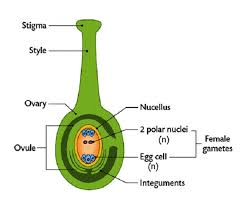
Cashew styles refer to the reproductive structures found within the flowers of cashew trees (Anacardium occidentale). Cashew trees are native to Brazil but are now cultivated in various tropical regions around the world for their nuts, which are rich in oil and nutrients. Understanding the anatomy and function of cashew flower styles is crucial for botanists and agricultural scientists studying cashew tree reproduction and breeding.
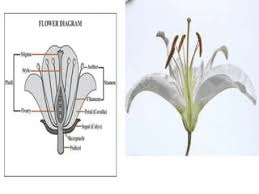
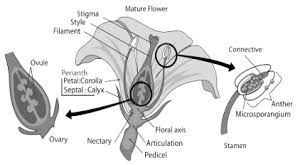
The flower of the cashew tree typically consists of several parts, including the petals, sepals, stamens, pistil, and ovary. The styles are part of the pistil, which is the female reproductive organ of the flower.
The pistil is comprised of three main parts: the stigma, style, and ovary. The style is the slender, elongated structure that connects the stigma to the ovary. In cashew flowers, the styles are typically short and may vary in color depending on the specific variety of the tree.
The primary function of the cashew styles is to provide a pathway for pollen to reach the ovary for fertilization. Pollen, which contains the male gametes, is transferred from the stamen (the male reproductive organ) to the stigma (the tip of the pistil) either by wind or by pollinators such as bees and butterflies. Once on the stigma, the pollen grains germinate and send pollen tubes down the style to the ovary, where fertilization takes place.
The structure and arrangement of the styles within the cashew flower can vary among different cultivars and species. Some cashew trees may have multiple styles within each flower, while others may have just one. The length and thickness of the styles may also differ, which can impact the efficiency of pollination and fruit set.
Studying the variation in cashew styles can provide insights into the reproductive biology of cashew trees and inform breeding programs aimed at improving yield and quality. Researchers may investigate traits such as style length, thickness, and arrangement to identify genetic factors that influence fruit development and nut production.
🌿 Go Organic on Your Farm: Instead of harmful chemical pesticides and fertilisers, try our organic farming products — including neem oil spray, bio-pesticides, natural plant treatments, organic seeds and seedlings, suckers, and many more organic products that are safe for your health, your family, your soil and your harvest. Shop Now →
In addition to their reproductive function, cashew styles may also play a role in attracting pollinators. The color, scent, and shape of the styles can influence the behavior of insects and other animals that visit the flowers for nectar and pollen, thereby aiding in the pollination process.
Overall, cashew styles are integral to the reproductive success of cashew trees and contribute to the production of the nuts that are highly valued for their culinary and commercial uses. Understanding the structure and function of these floral organs is essential for both scientific research and agricultural practices aimed at sustainable cashew production.
The Economic Importance and Uses of Cashew Styles
1. Culinary Delicacy: Cashew styles are more than just a snack; they are a culinary delicacy cherished for their creamy texture and rich, buttery flavor. From traditional dishes to modern fusion cuisines, cashew styles add depth and complexity to a wide range of recipes. Think of delectable stir-fries, aromatic curries, and mouthwatering desserts—all elevated by the addition of cashew styles.
2. Snack Industry: In the bustling snack industry, cashew styles reign supreme as a top choice for both health-conscious consumers and indulgent snackers alike. Whether enjoyed in their natural state or seasoned with a tantalizing array of spices, roasted cashew styles offer a satisfying crunch and a burst of nutty goodness with every bite.
🔧 Free Farm Tool Available: Use our free Agric4Profits Farm Tools to calculate your farm profits, formulate feeds, identify pests and diseases on both your crops and animal farms, plan your planting and harvesting season, including many more farm tasks to get free expert advice and recommendations — completely free, no registration required. Access Free Tools →
3. Nut Butter Production: Move over, peanut butter—cashew butter is here to steal the spotlight. With its smooth consistency and mild, slightly sweet taste, cashew butter has carved out a niche in the health food market as a nutritious alternative to traditional nut spreads. Spread it on toast, swirl it into smoothies, or simply enjoy it by the spoonful for a satisfying snack.
4. Confectionery: Cashew styles lend their distinctive flavor and texture to an array of confectionery delights, from decadent chocolates to chewy nougats. Whether enrobed in silky chocolate coatings or nestled within gooey caramel layers, cashew styles add a delightful crunch and a hint of indulgence to every bite.
5. Dairy Alternatives: As the demand for dairy-free alternatives continues to soar, cashew styles have emerged as a star player in the realm of plant-based milk and cheese. Creamy cashew milk serves as a versatile base for smoothies, cereal, and baked goods, while artisanal cashew cheeses delight vegans and lactose-intolerant individuals with their rich, cheesy flavor and creamy texture.
6. Baking: From tender cakes to chewy cookies, cashew styles lend their nutty goodness to a wide array of baked goods. Ground into flour or chopped into pieces, cashew styles impart a subtle sweetness and a satisfying crunch to your favorite recipes, making them a staple ingredient in the baker's pantry.
7. Cosmetic Industry: Beyond the kitchen, cashew styles find their way into the world of beauty and skincare. Cashew oil, extracted from the kernels, boasts moisturizing properties that nourish and hydrate the skin, making it a popular ingredient in lotions, creams, and hair care products.
💬 Have a Farming Question? Join thousands of farmers across Africa on the Agric4Profits Community — ask questions, share experiences and connect with agricultural experts. It is completely free. Ask Your Question Now →
8. Industrial Applications: Cashew styles' versatility extends beyond the realm of food and beauty; they also play a role in various industrial applications. Cashew shell liquid (CSL), extracted from the shells, is prized for its unique chemical properties and finds use in products ranging from paints and varnishes to adhesives and lubricants.
9. Traditional Medicine: Throughout history, cashew styles have been revered for their medicinal properties and used in traditional medicine to treat a variety of ailments. From alleviating toothaches to soothing skin irritations, cashew styles have earned a place in the pharmacopeias of cultures around the world.
10. Animal Feed: Even the by-products of cashew style processing don't go to waste; they are repurposed as nutritious feed for livestock and poultry, providing essential nutrients to support their health and well-being.
11. Woodworking: Cashew trees don't just yield nuts; they also produce high-quality wood prized by craftsmen for its durability and attractive grain patterns. From furniture to flooring, cashew wood lends a touch of natural beauty to a variety of woodworking projects.
12. Textile Industry: Cashew styles' extracts are utilized in the textile industry for their dyeing properties, helping to create vibrant hues that withstand the test of time. From clothing to upholstery, fabrics dyed with cashew styles' extracts add a pop of color and a touch of luxury to everyday items.
13. Biofuel Production: With the growing demand for renewable energy sources, cashew styles' shells are being explored as a potential feedstock for biofuel production. By converting cashew shell residues into biofuels, researchers aim to reduce dependence on fossil fuels and mitigate environmental impact.
14. Soil Amendment: Cashew styles' shell residues, when composted, can enrich the soil with organic matter and essential nutrients, improving fertility and promoting healthy plant growth. As a natural fertilizer, cashew shell compost offers an eco-friendly solution for enhancing soil health and productivity.
15. Handicrafts: Cashew styles' shells, with their unique shapes and patterns, inspire artisans to create intricate handicrafts and decorative items. From jewelry to ornaments, these one-of-a-kind creations showcase the beauty of nature and the skill of the craftsman.
16. Pharmacological Research: The compounds found in cashew styles are the subject of ongoing pharmacological research, with scientists exploring their potential therapeutic benefits. From anti-inflammatory properties to antioxidant effects, cashew styles hold promise as a source of novel drugs and treatments.
📖 Want to Go Deeper on This Topic?
Our expert agricultural ebooks cover poultry, fish farming, different crops production, snail farming, organic farming, mushrooms, sheep, cattle, flowers, pig farming, goat farming, agribusiness, etc. in practical step-by-step detail — written by agricultural professionals for African farmers.
Browse All Farming Ebooks →17. Environmental Remediation: Cashew styles' extracts show promise as natural remedies for environmental pollution, with studies highlighting their ability to remove contaminants from water and soil. By harnessing the power of nature, researchers aim to develop sustainable solutions for cleaning up polluted environments and safeguarding our planet for future generations.
18. Culinary Innovation: Chefs and food innovators are constantly pushing the boundaries of culinary creativity, experimenting with cashew styles in new and unexpected ways. From gourmet dishes to avant-garde desserts, cashew styles inspire culinary innovation and delight adventurous palates with their versatile flavor and texture.
Read Also: The Secrets of Sweet Pineapple: From Juicy Delights to Symbolic Meanings
The Products and By-products That Can Be Derived From Cashew Styles
1. Cashew Butter: Produced by grinding roasted cashew styles into a smooth paste, cashew butter is a creamy spread rich in nutrients.
2. Cashew Milk: Made by blending cashew styles with water and straining, cashew milk is a dairy-free alternative popular among vegans and the lactose intolerant.
3. Cashew Oil: Extracted from cashew styles' kernels, cashew oil is used in cooking, cosmetics, and industrial applications.
4. Cashew Flour: Ground from cashew styles' kernels, cashew flour is a gluten-free alternative for baking and cooking.
5. Cashew Cheese: Prepared by blending cashew styles with probiotics and seasonings, cashew cheese is a dairy-free alternative for cheese lovers.
6. Cashew Shell Liquid (CSL): Derived from cashew styles' shells, CSL finds applications in industrial products like paints, varnishes, and lubricants.
7. Cashew Wine: Fermented from cashew styles' juice, cashew wine is a popular alcoholic beverage in regions where cashew trees thrive.
8. Cashew Shell Cake: Residue left after extracting CSL, cashew shell cake is used as fuel or processed into fertilizers and animal feed.
9. Cashew Bark Tea: Brewed from cashew styles' bark, cashew bark tea is enjoyed for its purported health benefits.
10. Cashew Husk Mulch: Ground cashew husks are used as mulch in gardening to retain moisture and suppress weeds.
11. Cashew Shell Decoctions: Boiled extracts from cashew styles' shells are used in traditional medicine for various ailments.
12. Cashew Shell Resin: Processed from cashew styles' shells, the resin is used in manufacturing adhesives and industrial coatings.
13. Cashew Leaf Extract: Utilized in herbal remedies, cashew leaf extract is believed to have medicinal properties.
14. Cashew Fruit Jam: Made from cashew styles' fruits, cashew fruit jam is a sweet spread enjoyed on toast and pastries.
15. Cashew Shell Charcoal: Produced by burning cashew styles' shells, charcoal is used for cooking and as an absorbent in various industries.
16. Cashew Branch Crafts: Twigs and branches from cashew trees are crafted into decorative items and souvenirs.
17. Cashew Leaf Infusions: Steeped cashew leaves are consumed as a traditional remedy for digestive issues and inflammation.
Read Also: Sudangrass (Sorghum × drummondii) Complete Guide
Frequently Asked Questions (FAQ’s) About Cashew Styles
1. What are cashew styles?
Cashew styles are the seeds of the cashew tree, commonly known as cashew nuts, encased in a shell.
2. Are cashew styles good for health?
Yes, cashew styles are rich in nutrients like protein, healthy fats, vitamins, and minerals, making them a nutritious snack option.
3. How are cashew styles harvested?
Cashew styles are harvested by hand from cashew apples, which are the fruits of the cashew tree.
4. Can cashew styles cause allergies?
Some individuals may be allergic to cashew styles, experiencing symptoms like itching, swelling, or difficulty breathing.
5. How should cashew styles be stored?
Cashew styles should be stored in an airtight container in a cool, dry place to maintain freshness and prevent rancidity.
6. Are cashew styles always roasted before consumption?
While roasted cashew styles are popular, they can also be consumed raw or used in various culinary preparations.
7. Can cashew styles be used in cooking?
Yes, cashew styles are versatile and can be used in both sweet and savory dishes, adding flavor, texture, and nutritional value.
8. What is the difference between raw and roasted cashew styles?
Raw cashew styles are unprocessed, while roasted cashew styles have been heated to enhance flavor and crunchiness.
9. Are there any culinary restrictions on cashew styles?
Cashew styles are often avoided by individuals with nut allergies, and caution should be exercised when consuming them.
10. Are there any environmental concerns associated with cashew style production?
The cashew industry faces challenges related to deforestation, water usage, and pesticide use, prompting efforts to promote sustainable practices.
Read Also: Managing Electronic Waste to Ensure Green Computing
🌱 Take Your Farming Further With Agric4Profits
Based on what you just read, here are free resources and products from Agric4Profits that can help your farm right now:
- 🛒 Visit Our Marketplace — Organic neem oil, bio-pesticides, seeds and farming products
- 📚 Read Premium Content — Advanced guides for serious and profitable farming
- 🎓 Join Our Free Academy — Structured free training for farmers across Africa
- 🔧 Use Our Free Farm Tools — Profit calculators, feed formulation, pest identifier and more
- 💬 Join Our Farming Community — Connect with farmers across all 54 African countries
- ❓ Ask a Farming Question — Get answers from experienced farmers and agricultural experts
Please cite this content in academic work, research, or publications.