


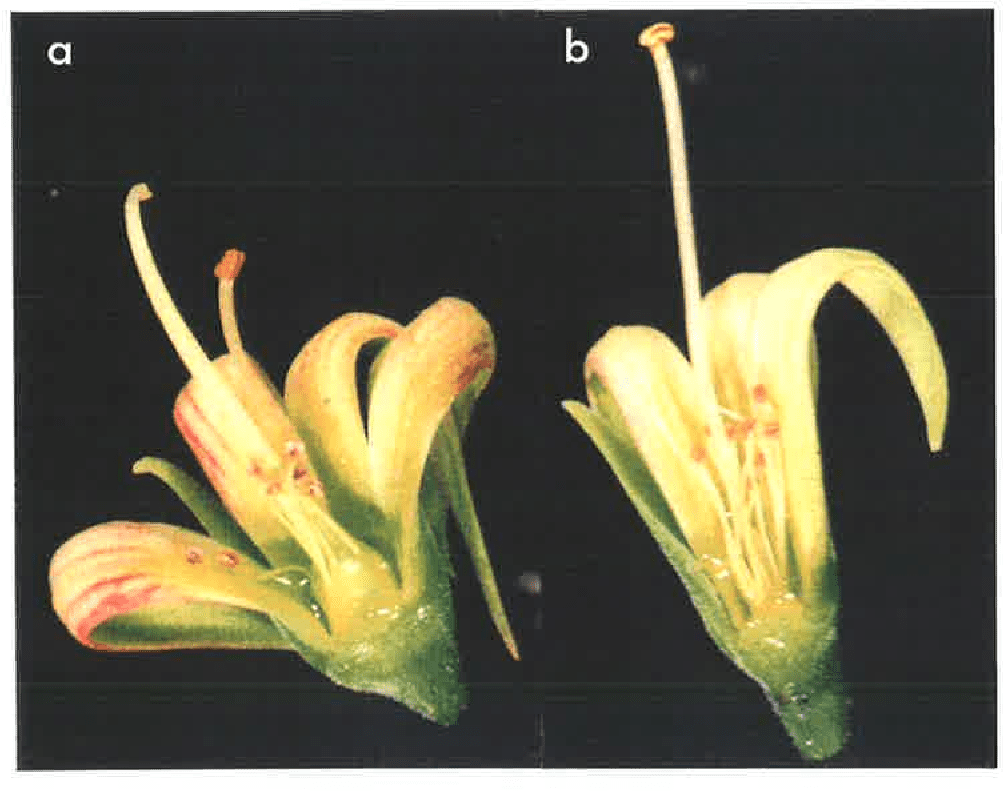
Cashew stamens are the male reproductive organs of the cashew flower, which produce and release pollen, the male gametes essential for fertilization. In scientific terms, the cashew tree is known as Anacardium occidentale.
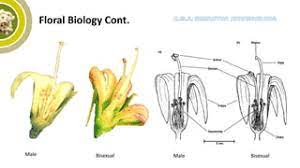
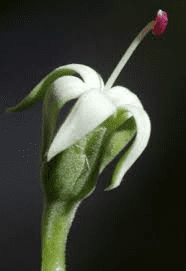
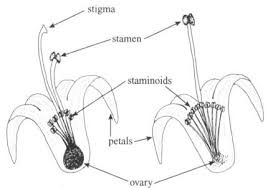
Stamens are composed of two main parts: the filament and the anther. The filament is a slender stalk that supports the anther, which contains the pollen sacs where pollen grains develop. Cashew stamens are typically arranged in a ring around the pistil, the female reproductive organ, within the flower.
When the cashew flower reaches maturity, the anthers release pollen grains, which are small, powdery structures containing the male gametes. Pollen is essential for fertilizing the ovules within the ovary of the cashew flower, leading to the development of seeds and ultimately cashew nuts within the cashew apple.
Pollination of cashew flowers can occur through various means, including wind, insects, or manual intervention. Once pollinated, the pollen grains adhere to the stigma, the receptive surface at the tip of the pistil, where they germinate and form pollen tubes that grow down through the style to reach the ovary.
Fertilization occurs when the male gametes from the pollen grains unite with the female gametes within the ovary, resulting in the formation of seeds. These seeds develop into the cashew nuts, while the surrounding tissues of the flower's ovary develop into the cashew apple.
Overall, cashew stamens play a crucial role in the reproductive process of the cashew tree, producing pollen essential for fertilizing the ovules within the flower and leading to the development of cashew nuts within the cashew apple.
🌿 Go Organic on Your Farm: Instead of harmful chemical pesticides and fertilisers, try our organic farming products — including neem oil spray, bio-pesticides, natural plant treatments, organic seeds and seedlings, suckers, and many more organic products that are safe for your health, your family, your soil and your harvest. Shop Now →
The Economic Importance and Uses of Cashew Stamens
1. Pollination: Cashew stamens play a crucial role in the pollination process of cashew trees. They produce pollen, which is transferred to the stigma of the female flowers, leading to fertilization and fruit development.
2. Crop Yield: The presence of healthy stamens is essential for ensuring successful pollination and fruit set in cashew trees, ultimately contributing to higher crop yields and economic returns for farmers.
3. Genetic Diversity: Studying the morphology and genetic characteristics of cashew stamens contributes to understanding genetic diversity within cashew populations. This knowledge is valuable for breeding programs aimed at developing improved cashew varieties.
4. Research: Cashew stamens are subjects of scientific research in fields such as botany, agriculture, and genetics. Research on stamens helps in understanding the reproductive biology of cashew trees, leading to advancements in cultivation techniques and crop management practices.
🔧 Free Farm Tool Available: Use our free Agric4Profits Farm Tools to calculate your farm profits, formulate feeds, identify pests and diseases on both your crops and animal farms, plan your planting and harvesting season, including many more farm tasks to get free expert advice and recommendations — completely free, no registration required. Access Free Tools →
5. Agriculture: Cashew stamens are integral to cashew cultivation, as they ensure the reproductive success of cashew trees. Farmers rely on healthy stamens for optimal fruit production and a profitable cashew harvest.
6. Biodiversity: Cashew stamens contribute to the biodiversity of ecosystems where cashew trees grow. They attract pollinators such as bees and butterflies, supporting diverse insect populations and promoting ecosystem health.
7. Horticulture: Horticulturists utilize knowledge of cashew stamens to optimize pollination and fruit set in cashew orchards. Proper management of stamens can lead to increased fruit yield and improved orchard productivity.
8. Food Security: Healthy cashew stamens contribute to food security by ensuring reliable cashew nut production. Cashew nuts are a valuable source of nutrition and income for millions of people worldwide, especially in regions where cashew trees are cultivated.
9. International Trade: Cashew stamens indirectly influence international trade through their role in cashew nut production. Countries that export cashew nuts rely on efficient pollination processes, which are facilitated by healthy stamens.
💬 Have a Farming Question? Join thousands of farmers across Africa on the Agric4Profits Community — ask questions, share experiences and connect with agricultural experts. It is completely free. Ask Your Question Now →
10. Livelihoods: The livelihoods of cashew farmers and workers depend on the successful pollination and fruiting of cashew trees, which are supported by healthy stamens. Cashew cultivation provides employment and income opportunities for millions of people globally.
11. Landscaping: Cashew stamens contribute to the aesthetic appeal of landscapes where cashew trees are grown. Their delicate structures and vibrant colors enhance the beauty of orchards, gardens, and urban green spaces.
12. Ecosystem Services: Healthy cashew stamens provide ecosystem services such as pollination, which support the functioning of natural ecosystems. By attracting pollinators, stamens contribute to the reproduction of other plant species in cashew-growing regions.
13. Climate Resilience: Cashew stamens play a role in the adaptation of cashew trees to changing environmental conditions. Understanding the resilience of stamens to factors such as temperature and humidity helps in breeding climate-resilient cashew varieties.
14. Sustainable Agriculture: Sustainable cashew production relies on the conservation and management of cashew stamens. Practices that support healthy stamens, such as organic farming methods and agroforestry, contribute to environmentally friendly agriculture.
15. Cultural Significance: Cashew stamens may hold cultural significance in regions where cashew trees are part of local traditions and customs. They may feature in ceremonies, rituals, and folklore as symbols of fertility, abundance, or spiritual significance.
16. Ecosystem Restoration: Restoring natural habitats that support cashew trees involves ensuring the presence of healthy stamens to facilitate pollination and fruit production. Ecosystem restoration efforts benefit from understanding the ecological role of cashew stamens.
17. Crop Insurance: The health and productivity of cashew stamens influence crop insurance policies and risk management strategies for cashew farmers. Insurance providers consider factors such as pollination success and fruit set when assessing crop insurance premiums and payouts.
Read Also: Switchgrass (Panicum Virgatum): Uses, Benefits and Facts
📖 Want to Go Deeper on This Topic?
Our expert agricultural ebooks cover poultry, fish farming, different crops production, snail farming, organic farming, mushrooms, sheep, cattle, flowers, pig farming, goat farming, agribusiness, etc. in practical step-by-step detail — written by agricultural professionals for African farmers.
Browse All Farming Ebooks →The Products and By-products That Can Be Derived From Cashew Stamens
1. Pollen: Cashew stamens produce pollen, which is a vital component of the pollination process in cashew trees. Pollen can be collected for research purposes or used in controlled pollination experiments to improve cashew breeding programs.
2. Plant Genetic Material: Cashew stamens contain genetic material that can be utilized in breeding programs to develop new cashew varieties with desirable traits such as disease resistance, high yield, and improved quality.
3. Bee Forage: Cashew stamens attract pollinators such as bees with their nectar and pollen, providing a food source for these important insect species. Bee forage from cashew stamens contributes to the health and productivity of bee colonies in cashew-growing regions.
4. Soil Enrichment: After shedding, cashew stamens decompose and release nutrients into the soil, contributing to soil fertility and plant growth. Their organic matter helps enrich the soil, supporting healthy cashew tree development and fruit production.
5. Botanical Illustration: Cashew stamens can be used as subjects for botanical illustration and scientific documentation. Detailed drawings or photographs of stamens aid in the identification and classification of cashew species and contribute to botanical research.
6. Traditional Medicine: In some cultures, cashew stamens may have traditional medicinal uses. They may be incorporated into herbal remedies or traditional medicines for treating ailments or promoting health and well-being.
7. Landscape Mulch: Dried cashew stamens can be used as mulch in landscaping and gardening. Spread around cashew trees or other plants, stamens help retain soil moisture, suppress weed growth, and provide nutrients as they decompose.
8. Artistic Crafts: Cashew stamens can inspire artistic crafts such as jewelry making, sculpture, or mixed media art. Their intricate shapes and textures lend themselves to creative expression and artistic interpretation in various mediums.
9. Educational Demonstrations: Cashew stamens can be used in educational demonstrations and workshops to teach about plant reproduction, pollination mechanisms, and agricultural practices. Hands-on activities involving stamens help engage students and enhance learning experiences.
10. Environmental Conservation: Protecting and preserving cashew stamens is essential for maintaining biodiversity and ecosystem health in cashew-growing regions. Conservation efforts that safeguard stamen-bearing trees and their habitats contribute to environmental sustainability and biodiversity conservation.
Read Also: Sheep Milk Production Complete Guide
Frequently Asked Questions (FAQs) About Cashew stamen
1. What is a cashew stamen?
A cashew stamen is the male reproductive organ of the cashew flower, responsible for producing pollen.
2. What is the role of cashew stamens in the pollination process?
Cashew stamens produce pollen, which is transferred to the stigma of the female flower during pollination, leading to fertilization and fruit development.
3. How do cashew stamens contribute to cashew nut production?
Healthy stamens ensure successful pollination, which is essential for the development of cashew fruits and nuts.
4. Are cashew stamens important for cashew tree cultivation?
Yes, healthy stamens are crucial for optimal fruit set and yield in cashew tree orchards.
5. Can cashew stamens be used for any other purposes?
Apart from their role in pollination, cashew stamens do not have significant alternative uses.
6. What factors can affect the health of cashew stamens?
Factors such as environmental conditions, pollinator activity, and tree health can impact the viability and health of cashew stamens.
7. How can farmers ensure the health of cashew stamens in their orchards?
Farmers can promote stamen health by providing optimal growing conditions, managing pests and diseases, and ensuring the presence of pollinators.
8. Do cashew stamens have any impact on the taste or quality of cashew nuts?
While cashew stamens do not directly influence the taste or quality of cashew nuts, their role in pollination indirectly affects nut development and yield.
9. Can cashew stamens be harvested or processed for any specific purposes?
Cashew stamens are not harvested or processed for specific uses beyond their natural function in pollination.
10. Are there any environmental benefits associated with healthy cashew stamens?
Healthy cashew stamens support biodiversity by attracting pollinators, contributing to ecosystem health and functioning in cashew-growing regions.
Read Also: The Effect of Solid Waste on Business Environments
🌱 Take Your Farming Further With Agric4Profits
Based on what you just read, here are free resources and products from Agric4Profits that can help your farm right now:
- 🛒 Visit Our Marketplace — Organic neem oil, bio-pesticides, seeds and farming products
- 📚 Read Premium Content — Advanced guides for serious and profitable farming
- 🎓 Join Our Free Academy — Structured free training for farmers across Africa
- 🔧 Use Our Free Farm Tools — Profit calculators, feed formulation, pest identifier and more
- 💬 Join Our Farming Community — Connect with farmers across all 54 African countries
- ❓ Ask a Farming Question — Get answers from experienced farmers and agricultural experts
Please cite this content in academic work, research, or publications.