


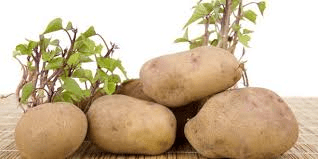
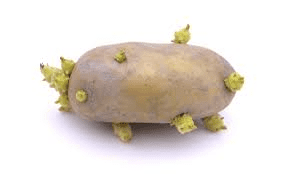
Potato sprouts are the young shoots that emerge from the eyes of potato tubers when they begin to germinate. These sprouts are the initial stages of new potato plants, capable of growing into stems and leaves above the soil. Sprouting is a natural part of the potato's life cycle, but it has important implications for both agricultural practices and food storage.
Sprouting occurs when potatoes are exposed to certain conditions, such as suitable temperatures and moisture levels. Typically, potato sprouts begin to form when the tubers are kept at temperatures between 50°F and 70°F (10°C and 21°C). Light exposure can also stimulate sprouting, which is why potatoes stored in dark environments tend to sprout less readily.
The sprouting process starts when the eyes, which contain dormant buds, break their dormancy and begin to grow. These eyes consist of meristematic tissue, capable of rapid cell division. As the cells divide, small green shoots emerge from the eyes, growing into stems that will eventually support leaves and flowers above the ground. Each sprout can develop into a new potato plant, making sprouting a crucial step in the vegetative propagation of potatoes.
From an agricultural perspective, potato sprouts are essential for planting new crops. Farmers and gardeners often cut seed potatoes into sections, each containing at least one eye, and plant these sections in the soil. The sprouts then grow into full plants, producing new tubers underground. This method of propagation allows for the consistent reproduction of specific potato varieties, ensuring that desired traits are maintained in each generation.
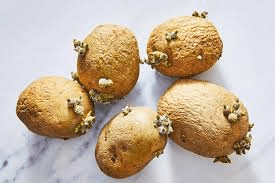
However, sprouting is not always desirable, especially during storage. Potatoes that sprout during storage can lose moisture and nutrients, leading to a decline in quality. Additionally, sprouted potatoes can accumulate higher levels of glycoalkaloids, such as solanine and chaconine, which are toxic compounds. High levels of glycoalkaloids can cause symptoms like nausea, vomiting, and diarrhea if consumed in large quantities.
To prevent sprouting in stored potatoes, several methods can be employed. Keeping potatoes in a cool, dark, and well-ventilated environment is the most effective way to minimize sprouting. Ideal storage temperatures are between 40°F and 50°F (4°C and 10°C). Commercially, sprout inhibitors may be used to extend the shelf life of potatoes. These chemicals, such as chlorpropham (CIPC), are applied to the tubers to suppress sprout growth.
🌿 Go Organic on Your Farm: Instead of harmful chemical pesticides and fertilisers, try our organic farming products — including neem oil spray, bio-pesticides, natural plant treatments, organic seeds and seedlings, suckers, and many more organic products that are safe for your health, your family, your soil and your harvest. Shop Now →
In culinary contexts, sprouted potatoes are often viewed with caution. While small sprouts can be removed before cooking, it is generally recommended to avoid eating potatoes with extensive sprouting or green discoloration. The green color indicates the presence of chlorophyll, which is usually accompanied by increased levels of glycoalkaloids. Removing the sprouts and the green portions can reduce the risk, but in cases of heavy sprouting, it is best to discard the potato.
Despite these precautions, potato sprouts also have some interesting uses. In some cultures, sprouts are planted intentionally to grow new potato plants in home gardens. Additionally, the sprouts themselves can be studied for agricultural research purposes, providing insights into plant growth and development.
In summary, potato sprouts are the initial growths that emerge from the eyes of potato tubers, marking the beginning of new plant development. They are essential for the vegetative propagation of potatoes but can pose challenges during storage due to quality degradation and increased levels of toxic compounds. Proper storage conditions and careful handling can mitigate these issues, ensuring that potatoes remain a safe and nutritious food source. Understanding the biology and management of potato sprouts is important for both agriculture and food safety, contributing to effective cultivation and storage practices.
The Economic Importance and Uses of Potato Sprouts
1. Seed Production: Potato sprouts are used to grow new potato plants. Farmers rely on these sprouts to propagate their crops each season.
🔧 Free Farm Tool Available: Use our free Agric4Profits Farm Tools to calculate your farm profits, formulate feeds, identify pests and diseases on both your crops and animal farms, plan your planting and harvesting season, including many more farm tasks to get free expert advice and recommendations — completely free, no registration required. Access Free Tools →
2. Agricultural Sustainability: Utilizing potato sprouts for planting promotes sustainability by allowing farmers to regenerate their crops without needing to purchase new seeds.
3. Research and Development: Potato sprouts are used in scientific research to study plant growth, disease resistance, and genetic modifications, contributing to agricultural advancements.
4. Home Gardening: Potato sprouts are used by home gardeners to grow their own potatoes, promoting self-sufficiency and local food production.
5. Genetic Diversity: Potato sprouts can cultivate different potato varieties, maintaining and enhancing genetic diversity within potato crops.
6. Organic Farming: Potato sprouts are used in organic farming practices to grow potatoes without synthetic inputs, promoting environmentally friendly agriculture.
💬 Have a Farming Question? Join thousands of farmers across Africa on the Agric4Profits Community — ask questions, share experiences and connect with agricultural experts. It is completely free. Ask Your Question Now →
7. Small-Scale Farming: Potato sprouts are essential for small-scale farmers who rely on their crops for food and income, providing a cost-effective way to maintain their potato fields.
8. Biodiversity Conservation: Potato sprouts can be used to grow heirloom and rare potato varieties, helping to preserve agricultural biodiversity.
9. Food Security: By enabling the propagation of potato crops, potato sprouts contribute to food security, especially in regions where potatoes are a staple food.
10. Local Markets: Farmers use potato sprouts to grow crops for local markets, ensuring a steady supply of fresh potatoes and supporting local economies.
11. Rural Development: The cultivation of potatoes using sprouts supports rural economies by providing jobs and income for farming communities.
12. Educational Purposes: Potato sprouts are often used in educational settings to teach students about plant biology, growth cycles, and sustainable farming practices.
13. Crop Rotation: Potato sprouts are used in crop rotation systems to improve soil health and reduce pest and disease buildup.
14. Community Gardening: Potato sprouts are used in community gardens to grow potatoes, fostering community engagement and providing fresh produce to local residents.
15. Low Input Agriculture: Growing potatoes from sprouts requires minimal inputs compared to other crops, making it an economical choice for resource-poor farmers.
📖 Want to Go Deeper on This Topic?
Our expert agricultural ebooks cover poultry, fish farming, different crops production, snail farming, organic farming, mushrooms, sheep, cattle, flowers, pig farming, goat farming, agribusiness, etc. in practical step-by-step detail — written by agricultural professionals for African farmers.
Browse All Farming Ebooks →16. Climate Resilience: Potato sprouts can be planted in various climates, helping farmers adapt to changing environmental conditions and maintain crop production.
17. Economic Viability: By using potato sprouts, farmers can maintain economically viable operations with lower production costs.
18. Renewable Resource: Potato sprouts represent a renewable resource for potato cultivation, reducing dependency on commercial seed suppliers.
Read Also: 5 Amazing Health Benefits of Triphala (Three fruits)
The Products and By-products That Can Be Derived From Potato Sprouts
1. Seed Potatoes: Potato sprouts are used to produce seed potatoes, which are then planted to grow new potato crops.
2. Potato Plants: The primary product from potato sprouts is the potato plant itself, which produces edible tubers.
3. Potato Vine: The vines grown from potato sprouts can be used as animal feed or composted to enrich soil.
4. Sprouted Potatoes: Potatoes with sprouts can be sold as sprouted potatoes for home gardeners and small-scale farmers.
5. Plant Extracts: Extracts from potato plants grown from sprouts can be used in various industrial and research applications.
6. Potato Flowers: Flowers from potato plants can be used in breeding programs to develop new potato varieties.
7. Potato Leaves: Leaves from potato plants can be composted or used in organic mulching systems.
8. Potato Stem: Stems from potato plants can be used in composting or as a green manure crop to improve soil health.
9. Mini Tubers: Small tubers produced from potato sprouts can be used in seed production or as gourmet potatoes in niche markets.
10. Micropropagation: Potato sprouts can be used in tissue culture and micropropagation techniques to produce disease-free plantlets.
11. Potato-Based Biofertilizers: Residues from potato plants grown from sprouts can be processed into biofertilizers.
12. Disease-Resistant Varieties: Potato sprouts are used in breeding programs to develop disease-resistant potato varieties.
13. Genetic Research: Potato sprouts are used in genetic research to study plant development and disease resistance.
14. Bioengineering: Potato sprouts can be used in bioengineering to develop potatoes with enhanced nutritional profiles or other beneficial traits.
15. Crop Improvement: Potato sprouts are used in crop improvement programs to enhance yield, quality, and stress tolerance.
16. Agro-ecological Studies: Potato sprouts are used in agro-ecological studies to understand interactions between potato plants and their environment.
17. Potato Biomass: Biomass from potato plants grown from sprouts can be used in bioenergy production.
Read Also: How Guava Fruits and Leaves Improve Female Fertility
Frequently Asked Questions (FAQ’s) About Potato Sprouts
1. What are potato sprouts?
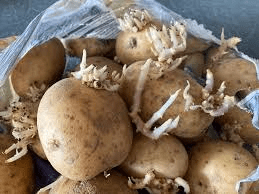
Potato sprouts are the small shoots that emerge from the eyes of a potato tuber, which can grow into new potato plants.
2. How do you plant potato sprouts?
Potato sprouts are planted in well-drained soil, usually by cutting the sprouted potato into pieces, each containing a sprout, and planting them with the sprout facing upward.
3. Can you eat potatoes with sprouts?
While it's safe to eat potatoes with small sprouts after removing them, large or green sprouts may indicate the presence of toxins like solanine and should be discarded.
4. How long does it take for potato sprouts to grow into plants?
Potato sprouts typically take about two to three weeks to grow into plants after planting, depending on soil conditions and temperature.
5. Are potato sprouts safe for planting?
Yes, potato sprouts are safe and commonly used for planting new potato crops.
6. How do you store potatoes with sprouts for planting?
Store potatoes with sprouts in a cool, dark, and dry place until you are ready to plant them.
7. What conditions are best for planting potato sprouts?
Potato sprouts should be planted in well-drained soil with adequate sunlight and regular watering to ensure healthy growth.
8. Do potato sprouts affect the quality of the potato crop?
Using healthy potato sprouts ensures good crop quality, while diseased or damaged sprouts can affect plant health and yield.
9. Can you grow potatoes indoors from potato sprouts?
Yes, you can grow potatoes indoors in containers using potato sprouts, provided they receive enough light and proper care.
10. What should I do if my stored potatoes sprout?
If your stored potatoes sprout, you can plant them to grow new potatoes or remove the sprouts and use the potatoes in cooking.
Read Also: The Effect of Solid Waste on Business Environments
🌱 Take Your Farming Further With Agric4Profits
Based on what you just read, here are free resources and products from Agric4Profits that can help your farm right now:
- 🛒 Visit Our Marketplace — Organic neem oil, bio-pesticides, seeds and farming products
- 📚 Read Premium Content — Advanced guides for serious and profitable farming
- 🎓 Join Our Free Academy — Structured free training for farmers across Africa
- 🔧 Use Our Free Farm Tools — Profit calculators, feed formulation, pest identifier and more
- 💬 Join Our Farming Community — Connect with farmers across all 54 African countries
- ❓ Ask a Farming Question — Get answers from experienced farmers and agricultural experts
Please cite this content in academic work, research, or publications.