


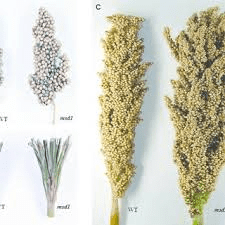
Sorghum inflorescence, commonly referred to as the panicle, is the flowering part of the sorghum plant, crucial for reproduction and grain production. The panicle is located at the top of the stem and is the site where the plant's flowers, and subsequently seeds, develop. Its structure and development play a vital role in determining the yield and quality of sorghum crops.
The sorghum panicle is a compound inflorescence, meaning it is composed of a central axis (the rachis) from which numerous primary, secondary, and sometimes tertiary branches extend. These branches bear small, spikelet-like structures that contain the flowers. The panicle's architecture can vary significantly among different sorghum varieties, influencing factors such as seed number, size, and distribution.
Each spikelet within the panicle typically contains one or two florets, which are the individual flowers of the grass. Sorghum florets are enclosed by protective bracts known as glumes. The florets themselves are composed of several reproductive structures: the lemma and palea (which enclose the reproductive organs), the stamens (male parts), and the pistil (female part). In sorghum, flowers can be either bisexual, containing both stamens and pistils, or unisexual, containing only one set of reproductive organs.
Pollination in sorghum can occur through both self-pollination and cross-pollination. Self-pollination happens within the same flower, while cross-pollination involves pollen transfer between different plants, often facilitated by wind. The efficiency of pollination affects seed set and, consequently, grain yield. The timing of flowering and the duration of pollen viability are critical factors that influence successful pollination.
The development of the sorghum panicle is influenced by genetic and environmental factors. The initiation of the panicle begins in the early stages of plant development, but it becomes visible only as the plant approaches maturity. The transition from vegetative to reproductive growth is regulated by environmental cues such as day length (photoperiod) and temperature. Optimal conditions for panicle development include adequate sunlight, moderate temperatures, and sufficient water and nutrient availability.
The morphology of the panicle can affect the plant’s adaptability and productivity. Compact panicles, where branches are tightly clustered, may be more resistant to environmental stresses such as wind and heavy rain, reducing the risk of grain loss. In contrast, open panicles, with more loosely arranged branches, may facilitate better air circulation, reducing the risk of fungal diseases and improving grain filling.
🌿 Go Organic on Your Farm: Instead of harmful chemical pesticides and fertilisers, try our organic farming products — including neem oil spray, bio-pesticides, natural plant treatments, organic seeds and seedlings, suckers, and many more organic products that are safe for your health, your family, your soil and your harvest. Shop Now →
The number of grains produced by the sorghum panicle is a key determinant of overall yield. This number is influenced by the size and branching pattern of the panicle, the fertility of the florets, and the success of pollination. Each grain, or seed, develops from a fertilized floret and is enclosed by the glumes until maturity. Sorghum grains are typically small, round, and vary in color depending on the variety, ranging from white and yellow to red and brown.
Panicle health is vital for maximizing grain yield and quality. Pests such as sorghum midge and diseases like anthracnose can affect the panicle, leading to reduced grain set and quality. Integrated pest management strategies and disease-resistant cultivars are essential for protecting the panicle and ensuring high yields.
In summary, the sorghum inflorescence, or panicle, is a complex and crucial part of the plant, directly impacting its reproductive success and grain production. Its structure, development, and health are influenced by a combination of genetic, environmental, and management factors. Understanding the biology and ecology of the sorghum panicle can help improve crop breeding, management practices, and ultimately, yield and quality of sorghum crops.
The Economic Importance and Uses of Sorghum Inflorescence
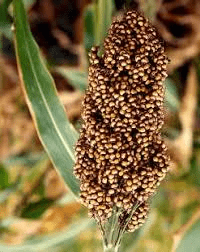
1. Grain Production: Sorghum inflorescence produces grains that are a staple food in many parts of the world, particularly in Africa and Asia.
🔧 Free Farm Tool Available: Use our free Agric4Profits Farm Tools to calculate your farm profits, formulate feeds, identify pests and diseases on both your crops and animal farms, plan your planting and harvesting season, including many more farm tasks to get free expert advice and recommendations — completely free, no registration required. Access Free Tools →
2. Animal Feed: The grains from sorghum inflorescence are used in livestock feed, providing essential nutrients for animals.
3. Alcoholic Beverages: Sorghum grains are used to brew traditional alcoholic beverages like sorghum beer and spirits.
4. Biofuel Production: Sorghum grains can be processed into ethanol, a renewable biofuel.
5. Flour Production: Sorghum grains are milled into flour, which is used in baking and cooking, especially for gluten-free products.
6. Traditional Medicine: Parts of the sorghum inflorescence are used in traditional medicine for their therapeutic properties.
💬 Have a Farming Question? Join thousands of farmers across Africa on the Agric4Profits Community — ask questions, share experiences and connect with agricultural experts. It is completely free. Ask Your Question Now →
7. Syrup Production: The sweet juice extracted from sorghum inflorescence is used to make sorghum syrup, a natural sweetener.
8. Broom Making: The stiff stems of the sorghum inflorescence are used to make brooms and brushes.
9. Animal Bedding: Processed sorghum inflorescence can be used as bedding material for livestock.
10. Decorative Uses: Sorghum inflorescence is used in floral arrangements and decorations.
11. Phytochemicals: Sorghum inflorescence contains valuable phytochemicals that have antioxidant properties.
12. Silage: The entire sorghum inflorescence can be ensiled to make high-quality fodder for livestock.
13. Bird Feed: Sorghum grains are used in birdseed mixes, providing nutrition for wild and domesticated birds.
14. Biochar Production: Sorghum inflorescence can be converted into biochar, which is used to improve soil health and fertility.
15. Craft Products: The inflorescence is used in making various craft items and traditional artifacts.
📖 Want to Go Deeper on This Topic?
Our expert agricultural ebooks cover poultry, fish farming, different crops production, snail farming, organic farming, mushrooms, sheep, cattle, flowers, pig farming, goat farming, agribusiness, etc. in practical step-by-step detail — written by agricultural professionals for African farmers.
Browse All Farming Ebooks →16. Erosion Control: Sorghum inflorescence helps in controlling soil erosion when left as crop residue in fields.
17. Mulch: Chopped sorghum inflorescence can be used as mulch to retain soil moisture and suppress weeds.
18. Composting: Sorghum inflorescence decomposes well, contributing to organic compost.
Read Also How to Control Feeding Struggle among Fishes in the same Pond
The Products and By-products That Can Be Derived From Sorghum Inflorescence
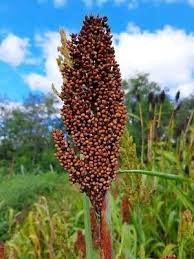
1. Sorghum Grain: The primary product of sorghum inflorescence, used for food and feed.
2. Sorghum Flour: Produced by milling the grains, used in baking and cooking, especially for gluten-free products.
3. Sorghum Beer: A traditional alcoholic beverage brewed from sorghum grains.
4. Ethanol: Produced by fermenting the sugars in sorghum grains, used as a biofuel.
5. Sorghum Syrup: A natural sweetener made from the juice of sorghum inflorescence.
6. Animal Feed: Ground sorghum inflorescence is used as a nutrient-rich feed for livestock.
7. Silage: Fermented sorghum inflorescence used as high-quality fodder for livestock.
8. Bird Seed: Sorghum grains are used in birdseed mixes.
9. Biochar: Produced by pyrolyzing sorghum inflorescence, used to enhance soil fertility.
10. Brooms: The stiff stems are used to make brooms and brushes.
11. Mulch: Chopped sorghum inflorescence is used as mulch to retain soil moisture and suppress weeds.
12. Compost: Sorghum inflorescence decomposes into rich compost, providing nutrients for plants.
13. Traditional Medicine: Parts of the inflorescence are used in traditional remedies.
14. Decorative Items: Used in floral arrangements and as decorative pieces.
15. Craft Products: The inflorescence is used in making various craft items.
16. Erosion Control: Used to prevent soil erosion when left as crop residue.
17. Phytochemical Extracts: Valuable phytochemicals with antioxidant properties are extracted from the inflorescence.
Read Also Complete Guide on Treatment of Livestock Diseases
Frequently Asked Questions (FAQ’s) About Sorghum Inflorescence
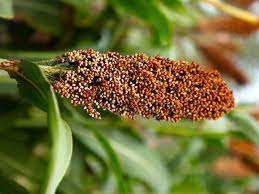
1. What is sorghum inflorescence?
Sorghum inflorescence is the flowering part of the sorghum plant that produces grains.
2. How is sorghum inflorescence used in grain production?
It produces grains that are harvested and used for food, feed, and other products.
3. Can sorghum inflorescence be used for animal feed?
Yes, the grains and other parts of the inflorescence are used in livestock feed.
4. What beverages are made from sorghum inflorescence?
Traditional alcoholic beverages like sorghum beer are made from sorghum grains.
5. How is sorghum inflorescence processed into biofuel?
The grains are fermented to produce ethanol, a renewable biofuel.
6. Can sorghum inflorescence be used in traditional medicine?
Yes, parts of the inflorescence are used in traditional medicine for their therapeutic properties.
7. What is sorghum syrup?
A natural sweetener made from the juice extracted from sorghum inflorescence.
8. How is sorghum inflorescence used in erosion control?
It helps prevent soil erosion when left as crop residue in fields.
9. Are there decorative uses for sorghum inflorescence?
Yes, it is used in floral arrangements and as decorative items.
10. What are the environmental benefits of using sorghum inflorescence?
It can be used for biochar production, mulch, compost, and erosion control, contributing to soil health and sustainability.
Read Also Underground Water and Aquifers
🌱 Take Your Farming Further With Agric4Profits
Based on what you just read, here are free resources and products from Agric4Profits that can help your farm right now:
- 🛒 Visit Our Marketplace — Organic neem oil, bio-pesticides, seeds and farming products
- 📚 Read Premium Content — Advanced guides for serious and profitable farming
- 🎓 Join Our Free Academy — Structured free training for farmers across Africa
- 🔧 Use Our Free Farm Tools — Profit calculators, feed formulation, pest identifier and more
- 💬 Join Our Farming Community — Connect with farmers across all 54 African countries
- ❓ Ask a Farming Question — Get answers from experienced farmers and agricultural experts
Please cite this content in academic work, research, or publications.