


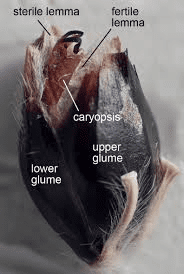
The sorghum lemma is a critical component of the sorghum spikelet, playing a key role in the protection and development of the sorghum seed (Sorghum bicolor). The lemma is one of the outermost structures surrounding the flower and seed within each spikelet, and its primary functions include protection, support, and aiding in seed dispersal.
Structurally, the lemma is a thin, leaf-like bract that encloses the florets within the spikelet. It is positioned on the outer side of the spikelet, typically in pairs with the palea, another bract located inside the lemma. The lemma helps form a protective casing around the flower and the developing seed, ensuring their safety from external factors such as pests, diseases, and environmental conditions.
The key features and functions of the sorghum lemma include:
1. Protection: The lemma serves as a protective barrier for the florets and developing seeds. Its tough and sometimes papery texture helps shield the seeds from mechanical damage and from being eaten by herbivores. This protection is crucial for ensuring that the seeds mature properly and are viable for germination.
2. Support: By enclosing the florets, the lemma provides structural support within the spikelet. It helps maintain the integrity of the spikelet and supports the arrangement of the florets, facilitating effective pollination and seed development.
3. Seed Dispersal: Once the seeds are mature, the lemma plays a role in their dispersal. As the lemma dries out and becomes more papery, it helps release the seeds from the spikelet during harvesting. In some sorghum varieties, the lemma can also aid in the natural dispersal of seeds when the spikelets detach from the plant.
🌿 Go Organic on Your Farm: Instead of harmful chemical pesticides and fertilisers, try our organic farming products — including neem oil spray, bio-pesticides, natural plant treatments, organic seeds and seedlings, suckers, and many more organic products that are safe for your health, your family, your soil and your harvest. Shop Now →
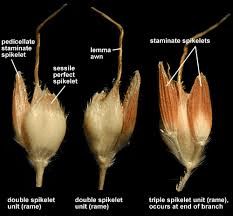
The morphology of the lemma can vary among different sorghum varieties. Some varieties have lemmas with additional structures, such as awns or hairs, which provide extra protection or aid in seed dispersal. The size, shape, and texture of the lemma can also influence the ease of harvesting and processing the seeds.
In agricultural practice, the characteristics of the lemma are important for managing sorghum crops effectively. Farmers often select sorghum varieties based on their lemma traits, such as ease of threshing and resistance to pests. Varieties with more robust or specialized lemmas might be chosen for specific growing conditions or harvesting requirements.
Overall, the sorghum lemma is an essential part of the plant's reproductive system, providing protection and support for the florets and seeds. Its role in safeguarding the developing seeds and aiding in their eventual dispersal makes it a critical factor in the successful cultivation and harvesting of sorghum. Understanding the lemma's function and variations can help optimize sorghum production and improve crop management practices.
The Economic Importance and Uses of Sorghum Lemma
1. Grain Protection: The lemma is a key protective structure that helps shield the sorghum grain from pests and environmental factors.
🔧 Free Farm Tool Available: Use our free Agric4Profits Farm Tools to calculate your farm profits, formulate feeds, identify pests and diseases on both your crops and animal farms, plan your planting and harvesting season, including many more farm tasks to get free expert advice and recommendations — completely free, no registration required. Access Free Tools →
2. Animal Feed: The lemma, along with other plant residues, can be used as high-fiber feed for livestock.
3. Biofuel Production: The fibrous material from the lemma can be used as biomass for producing bioethanol or biogas.
4. Soil Improvement: When decomposed, lemma residues contribute organic matter to the soil, enhancing its fertility.
5. Erosion Control: Plant residues from the lemma help stabilize the soil and prevent erosion.
6. Organic Mulch: Lemma residues can be used as mulch to retain soil moisture and suppress weed growth.
💬 Have a Farming Question? Join thousands of farmers across Africa on the Agric4Profits Community — ask questions, share experiences and connect with agricultural experts. It is completely free. Ask Your Question Now →
7. Composting: The lemma is suitable for composting, aiding in the production of nutrient-rich compost.
8. Crafting Materials: Dried lemma can be utilized in crafting and traditional art, such as making decorative items.
9. Animal Bedding: The lemma can be used as bedding material for livestock, providing comfort and hygiene.
10. Biodegradable Products: Processed lemma can be used to create biodegradable packaging materials.
11. Green Manure: Residues from the lemma can be used as green manure to enhance soil fertility.
12. Carbon Sequestration: Sorghum cultivation, including the lemma, helps capture carbon dioxide from the atmosphere, aiding in climate change mitigation.
13. Natural Pest Repellents: Extracts from the lemma can be used to create natural pest repellents.
14. Nutrient Cycling: Lemma residues contribute to nutrient cycling, making essential minerals available to plants.
15. Agroforestry Systems: Lemma can be integrated into agroforestry systems to support sustainable land management and improve biodiversity.
📖 Want to Go Deeper on This Topic?
Our expert agricultural ebooks cover poultry, fish farming, different crops production, snail farming, organic farming, mushrooms, sheep, cattle, flowers, pig farming, goat farming, agribusiness, etc. in practical step-by-step detail — written by agricultural professionals for African farmers.
Browse All Farming Ebooks →16. Natural Adhesives: Extracts from the lemma can be processed into natural adhesives.
17. Green Building Materials: Processed lemma can be used to produce eco-friendly construction materials.
18. Water Filtration: Lemma can be used in natural water filtration systems to remove impurities.
Read Also: 5 Amazing Health Benefits of Triphala (Three fruits)
The Products and By-products That Can Be Derived From Sorghum Lemma
1. Animal Feed: The fibrous material from the lemma can be used as high-fiber feed for livestock.
2. Bioethanol: Lemma residues can be processed into bioethanol through fermentation.
3. Compost: Decomposed lemma contributes to nutrient-rich compost for gardening and farming.
4. Mulch: Lemma residues can be used as mulch to retain soil moisture and suppress weeds.
5. Craft Materials: Dried lemma is used to make crafts, such as decorative items and traditional art.
6. Biodegradable Packaging: Processed lemma can be used to create biodegradable packaging materials.
7. Natural Pest Repellents: Extracts from lemma are used to create natural pest repellents.
8. Renewable Energy: The lemma can be used to produce heat energy through direct combustion.
9. Green Manure: Lemma residues can be plowed back into the soil to improve fertility as green manure.
10. Natural Adhesives: Extracts from lemma can be processed into natural adhesives.
11. Water Filtration Systems: Lemma can be used in natural water filtration systems.
12. Green Building Materials: Processed lemma can be used to create eco-friendly construction materials.
13. Textile Fibers: Fibers from the lemma can be used in textile manufacturing.
14. Nutrient Additives: Processed lemma can be added to animal feed as a source of additional nutrients.
15. Bioremediation Agents: Lemma residues can be used in bioremediation products to clean contaminated soils.
16. Soil Conditioner: Decomposed lemma improves soil health and structure.
17. Natural Dyes: Extracts from lemma can be used to produce natural dyes for textiles.
18. Organic Fertilizers: Lemma can be used in the production of organic fertilizers.
Read Also: How Guava Fruits and Leaves Improve Female Fertility
Frequently Asked Questions (FAQ’s) About Sorghum Lemma
1. What is the primary use of the sorghum lemma?
The sorghum lemma primarily protects the grain from pests and environmental conditions.
2. Can sorghum lemma be used as animal feed?
Yes, the fibrous material from the lemma can be used as high-fiber feed for livestock.
3. How does sorghum lemma contribute to soil health?
When decomposed, the lemma adds organic matter to the soil, improving its fertility.
4. Can sorghum lemma be used in biofuel production?
Yes, the fibrous material from the lemma can be processed into biomass for bioethanol or biogas.
5. Are there any crafting uses for sorghum lemma?
Yes, dried lemma can be used to make decorative items and traditional crafts.
6. How does sorghum lemma help with erosion control?
The plant residues from the lemma help stabilize soil and prevent erosion.
7. Can sorghum lemma be used for composting?
Yes, the lemma is excellent for composting, contributing to the production of nutrient-rich compost.
8. Are sorghum lemma residues beneficial for traditional medicine?
While not commonly used in traditional medicine, extracts from lemma might be explored for potential benefits.
9. How does sorghum lemma contribute to carbon sequestration?
Sorghum cultivation, including lemma, helps capture carbon dioxide from the atmosphere, aiding in climate change mitigation.
10. Can sorghum lemma residues be used in natural pest control?
Yes, extracts from sorghum lemma can be used to create natural pest repellents.
Read Also: The Effect of Solid Waste on Business Environments
🌱 Take Your Farming Further With Agric4Profits
Based on what you just read, here are free resources and products from Agric4Profits that can help your farm right now:
- 🛒 Visit Our Marketplace — Organic neem oil, bio-pesticides, seeds and farming products
- 📚 Read Premium Content — Advanced guides for serious and profitable farming
- 🎓 Join Our Free Academy — Structured free training for farmers across Africa
- 🔧 Use Our Free Farm Tools — Profit calculators, feed formulation, pest identifier and more
- 💬 Join Our Farming Community — Connect with farmers across all 54 African countries
- ❓ Ask a Farming Question — Get answers from experienced farmers and agricultural experts
Please cite this content in academic work, research, or publications.