


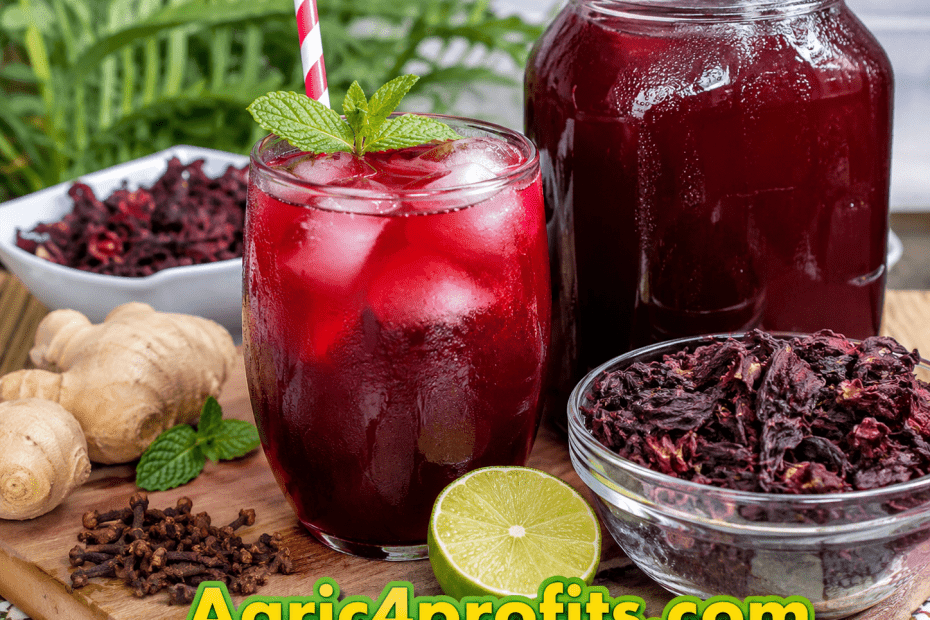
Zobo Drink is one of the easiest beverages to turn into value in the Nigerian market. It is made from hibiscus calyces and has become a familiar drink in homes, events, and small food businesses. Hibiscus calyces are widely dried and sold into the herbal tea and beverage industry, where they are processed into hot and cold drinks, syrups, jellies, and other products.
For farmers, processors, and food entrepreneurs, Zobo Drink is more than a refreshing beverage. It is a simple example of agricultural processing turning raw produce into a higher-value product. That is why many discussions around drink production naturally connect to Meaning and Importance of Agricultural Processing and Crop Produce Processing in Agriculture.
The drink fits neatly into the wider world of beverage production, especially when you think about how processed foods and drinks move from farm materials to finished market products. In that sense, it sits close to Beverages in Agriculture and Reasons for Food Processing, where shelf life, convenience, and value addition all matter.
Zobo also has a strong cultural advantage. It is familiar, affordable, and easy to customize with ginger, citrus, pineapple, or spices. That makes it attractive to home consumers and small-scale producers who want a drink that feels local but still sells well in modern markets. It also connects naturally with Traditional Food Processing in West African Agriculture.
When handled well, Zobo Drink can be clean, tasty, and commercially reliable. When handled poorly, it can become too weak, too sweet, too sour, or unsafe for storage. This guide walks through the drink, its ingredients, the production process, packaging, and the business side in a way that is practical and easy to follow.
What Zobo Drink Is And Why It Stands Out
1. It Is A Hibiscus-Based Beverage: Zobo Drink is typically made from dried hibiscus calyces, which give it the deep red colour and sharp, refreshing taste people expect. The raw material is known for its place in hot and cold beverages, and that is one reason it remains so popular.
🌿 Go Organic on Your Farm: Instead of harmful chemical pesticides and fertilisers, try our organic farming products — including neem oil spray, bio-pesticides, natural plant treatments, organic seeds and seedlings, suckers, and many more organic products that are safe for your health, your family, your soil and your harvest. Shop Now →
2. It Belongs To A Bigger Value-Addition Chain: Zobo is not just a home drink; it is also a processed product with market potential. When raw farm materials are transformed into shelf-ready beverages, the business logic becomes similar to Methods of Processing Crop Products and Agricultural Value Addition, where the goal is to raise product value without overcomplicating production.
3. It Works Well As A Local Commercial Product: Many small businesses like Zobo because it is affordable to produce, easy to brand, and quick to explain to customers. People already understand the taste profile, so the seller is not starting from zero. That makes the drink easier to position in markets, schools, events, and food outlets.
4. It Sits Comfortably Between Tradition And Modern Taste: Zobo Drink can be made in a traditional style or upgraded with better hygiene, consistent taste, and attractive packaging. That flexibility is valuable. It helps the drink remain familiar while still looking modern enough for retail shelves and delivery orders.
The beverage also has a strong connection to broader food-processing systems. In agricultural terms, it reflects the same logic behind Traditional Methods of Food Processing and Methods of Processing Crop Products for Agricultural Value Addition, where simple raw materials become marketable products through careful handling.
🔧 Free Farm Tool Available: Use our free Agric4Profits Farm Tools to calculate your farm profits, formulate feeds, identify pests and diseases on both your crops and animal farms, plan your planting and harvesting season, including many more farm tasks to get free expert advice and recommendations — completely free, no registration required. Access Free Tools →
Because it is both familiar and adaptable, Zobo Drink has room in household kitchens and in business plans. The same drink can be sold fresh, chilled, bottled, or served at events. That versatility is one of the reasons it continues to stand out in crowded beverage markets.
If you are thinking about Zobo as a business, it helps to look at yield, cost, and loss from the start. A tool like Processing Yield Calculator can make that thinking more practical by helping you estimate how much finished drink you get from your raw ingredients.
In simple terms, Zobo Drink stands out because it is colourful, familiar, affordable, and easy to turn into a branded product. That combination is rare. It explains why the drink keeps showing up in both family settings and small business conversations across West Africa.
Read Also: Lemons: History, Nutrition, Health Benefits and Growing Guide
Ingredients That Improve Zobo Drink
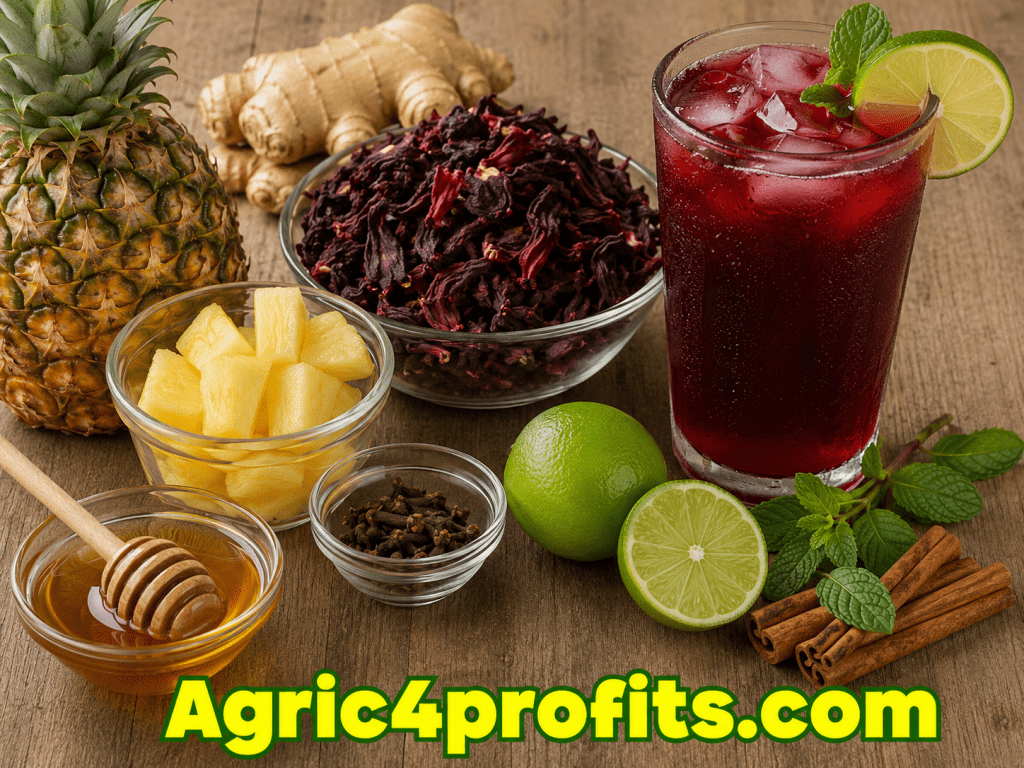
1. Hibiscus Calyces Remain The Base: The core ingredient is the dried hibiscus calyx, which gives the drink its colour, tartness, and body. Scientific and postharvest sources describe hibiscus as a raw material for teas and beverages, especially when dried and sold into the drink industry.
💬 Have a Farming Question? Join thousands of farmers across Africa on the Agric4Profits Community — ask questions, share experiences and connect with agricultural experts. It is completely free. Ask Your Question Now →
2. Ginger Adds Warmth And Depth: Ginger is one of the most common additions because it balances the tartness of hibiscus with a warm, spicy note. It is a useful ingredient in many beverage systems, including ginger juice and related processing lines, which makes it a natural fit for Zobo recipes. Ginger Farming and Value Use and Ginger Eyes: Economic Importance and Uses show how important ginger can be in beverage-oriented food chains.
3. Citrus Helps Brighten The Taste: Lemon and orange are often used to round out the flavour and reduce the feeling that the drink is too sharp. Citrus also gives the recipe a fresher profile, which many customers enjoy. That is why it is useful to explore Lemons: History, Nutrition, Health Benefits and Growing Guide and The Orange Juice Economic Importance and Uses when thinking about flavour balance.
4. Pineapple And Watermelon Add A Softer Finish: Some producers blend small amounts of fruit juice into Zobo to make it sweeter and more appealing to younger buyers. That approach connects nicely with How To Process, Package, and Export Pineapple, Pineapple Uses, Origin, Distribution and Farming Guide, and Economic Importance and Uses of Watermelon Fruits.
5. Sweeteners And Spices Shape The Final Character: Sugar, honey, cloves, and sometimes cinnamon are used to shape the final taste. These are not just extras; they decide whether the drink feels flat, balanced, or memorable. Producers who study flavour structure usually get better repeat customers.
6. Clean Water Matters More Than People Think: Good Zobo begins with clean water. Even the best ingredients will not rescue a drink made with poor water quality or poor hygiene. That is why production should always be treated as food processing, not casual mixing.
Many hibiscus-based drinks are valued because they are consumed hot or cold, and because they can be adapted into syrups, juices, and other products. Reviews and postharvest materials also note the plant’s wide use in food and beverage systems.
That flexibility is part of the appeal. It means one base recipe can serve many customer groups. A stronger ginger version may attract adults, while a softer fruit-forward version may appeal to event buyers, retailers, and family households.
For producers who want to stretch ingredients wisely, it helps to think in terms of by-products and output. Utilization of By-Products from Fruit and Vegetable Processing is a useful reminder that every ingredient choice should support both taste and efficiency.
Once your recipe is stable, you can decide whether your Zobo should be bold, mild, fruity, or spiced. That decision should be based on your market, not on guesswork. Taste tests are often the cheapest form of product research.
📖 Want to Go Deeper on This Topic?
Our expert agricultural ebooks cover poultry, fish farming, different crops production, snail farming, organic farming, mushrooms, sheep, cattle, flowers, pig farming, goat farming, agribusiness, etc. in practical step-by-step detail — written by agricultural professionals for African farmers.
Browse All Farming Ebooks →Read Also: The Apple Juice Economic Importance, Uses, and By-Products
How To Make Zobo Drink Properly
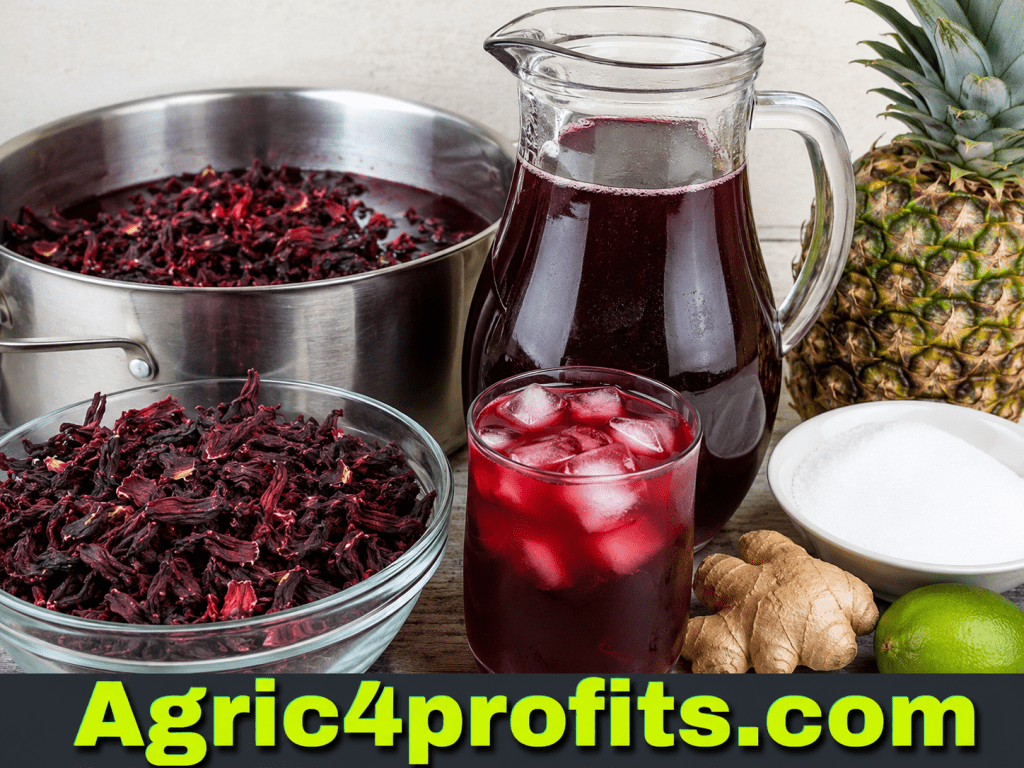
1. Sort And Wash The Hibiscus Well: Start by removing stones, stalks, dust, and any damaged bits. This first step looks small, but it affects both taste and safety. Clean sorting also reduces bitterness and gives you a more polished final drink.
2. Boil The Base Gently, Not Aggressively: Put the hibiscus in clean water and let it simmer long enough to release colour and flavour. Hibiscus calyces are commonly used for hot and cold drinks, and processing sources show that careful heating and handling are central to good beverage quality.
3. Add Spices At The Right Time: Ginger, cloves, and citrus peels should be added when the base has started to open up. If they go in too early, some flavours can become harsh. If they go in too late, the drink may taste incomplete.
4. Strain Carefully Before Cooling: Once the base has extracted properly, strain it through a clean cloth or sieve. This gives the drink a smoother mouthfeel and a cleaner look. Consumers notice clarity, even when they do not mention it directly.
5. Balance Sweetness Before Bottling: Sweetener should be added after the base is strained and slightly cooled. That makes it easier to judge the taste. Over-sweetening is one of the fastest ways to weaken a good recipe, because it hides the character of the drink.
6. Use Small Pilot Batches First: Before you scale, make test batches and compare them. Small testing helps you find your best flavour mix, and it reduces waste. A production tool such as Processing Yield Calculator can help you think about output in a more disciplined way.
7. Keep The Workspace Clean And Organised: Good Zobo depends on food safety. Wash containers, sanitise tools, and keep the work surface dry. Clean processing is not only about appearance; it also protects the drink from spoilage and off-flavours.
At a commercial level, Zobo production follows the same logic as other food-processing activities. The raw material is sorted, heated, extracted, filtered, adjusted, and prepared for sale. That is why articles such as Crop Produce Processing in Agriculture and Methods of Processing Crop Products for Agricultural Value Addition remain useful references.
There is also a practical lesson here: the more consistent your method, the easier it is to sell the drink repeatedly. Customers may forgive a slight taste shift once, but they usually do not forgive a product that keeps changing from bottle to bottle.
For anyone turning Zobo into a business, process consistency matters as much as flavour. It helps with quality control, pricing, and customer trust. It also makes it easier to train helpers or staff later.
When you package the drink professionally, it becomes easier to move beyond casual home sales. That is where the next stage starts: keeping it fresh, stable, and attractive enough for retail buyers.
Read Also: The Orange Juice Economic Importance, Uses, and By-Products
Packaging, Storage, And Shelf Life
1. Use Clean Bottles Or Food-Grade Sachets: The package should match your market and your production scale. Bottles work well for premium presentation, while sachets may suit faster movement in some local markets. The choice should support hygiene first and convenience second.
2. Cool The Drink Before Closing It: Hot filling can create condensation and shorten shelf life if handled badly. Cooling first reduces pressure inside the container and helps preserve taste. This is especially important when the drink is meant for chilled storage.
3. Label For Trust, Not Decoration Alone: Even a simple label can help buyers recognise your product again. Clear branding improves recall, and recall drives repeat sales. In food and beverage business, neat presentation often influences first purchase more than people admit.
4. Store Under Stable Conditions: Zobo should be kept away from direct heat and handled with clean utensils. Storage matters because even good processing can be undermined by poor handling later. That is why producers study both processing and market logistics.
5. Plan For Losses And Returns: Any drink business should expect some level of spoilage, delay, or breakage. Planning for those realities is smarter than pretending they will never happen. It also helps you set prices that protect your margin.
6. Think About Waste Reduction: The leftover solids from hibiscus and spice extraction should not just be ignored if they can be safely reused or composted. The general logic of Utilization of By-Products from Fruit and Vegetable Processing applies well here, because smart by-product use improves efficiency.
Freshly made hibiscus beverages are widely known in the food industry, and sources describe them as hot or cold drinks, syrups, and other products. That means packaging is not a side issue. It is a core part of turning the drink into something saleable.
If you are comparing Zobo to other drinks, think about how ready the product is for transport and display. A similar logic appears in fruit-processing pages such as How To Process, Package, and Export Pineapple, where packaging and presentation help determine market reach.
Good packaging also helps your drink compete against sweeter and more industrial beverages. People often buy with their eyes first, then return because the taste matches the promise. That is why appearance should never be treated as an afterthought.
Longer shelf life gives you wider selling options, but only if the production chain is clean. If hygiene is weak, cold storage alone will not save the product. In practical terms, storage begins at the point of preparation, not at the fridge door.
Read Also: Pineapple Uses, Origin, Distribution and Farming Guide
How To Sell Zobo Drink Profitably
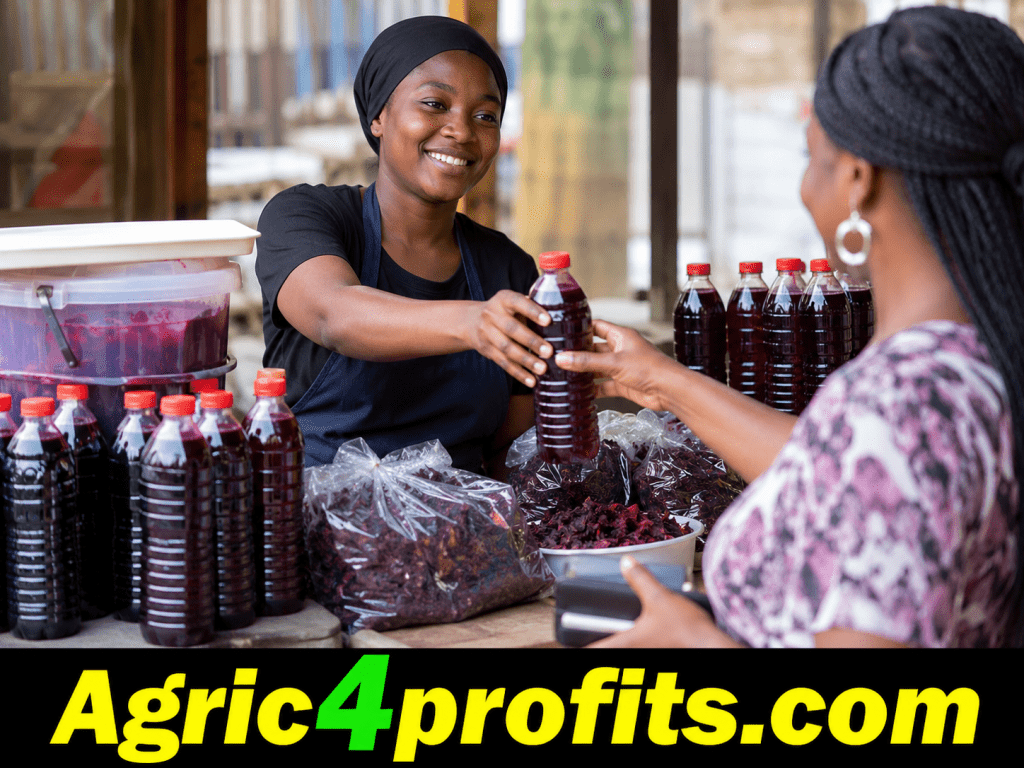
1. Start With A Clear Customer Group: Your buyers may be event planners, roadside shoppers, school canteens, neighbourhood households, or office workers. The market segment you choose will shape bottle size, sweetness level, price, and branding.
2. Use Pricing That Covers Hidden Costs: Ingredients are only part of the cost. Water, fuel, bottles, transport, labour, spoilage, and packaging all matter. If you ignore those hidden costs, the business may look busy while quietly losing money.
3. Track Yield And Margin Regularly: Every batch should tell you something. How many bottles did you produce? How much raw hibiscus did you use? How many sold quickly? These answers make pricing better, and they reduce guesswork over time.
4. Learn From Other Beverage And Fruit Models: Beverage entrepreneurs can borrow ideas from fruit-based products such as The Apple Juice Economic Importance, Uses, and By-Products, The Orange Juice Economic Importance, Uses, and By-Products, and Economic Importance and Uses of Watermelon Fruits.
5. Expand With Seasonal Variations: One month you may sell a plain ginger Zobo. Another month you may offer pineapple-flavoured or citrus-heavy versions. Seasonal variety keeps the brand fresh and gives repeat buyers a reason to try again.
6. Build Business Discipline Around The Product: If your batch records are poor, your profit will be difficult to prove. That is why a planning tool like Ginger Farming and Business Planning can be useful as a mindset reference, even when your real product is a drink.
7. Use Simple Market Proof: Ask buyers what they like most about the drink, then improve only the parts that matter. In many cases, that feedback is more useful than expensive branding. A strong taste and steady quality usually beat flashy promises.
The business side of Zobo also benefits from the wider understanding of agricultural processing and beverage economics. The goal is not to chase every trend. The goal is to create a drink people want again, and can recognise every time they see it.
You can also improve your product thinking by studying fruit and drink value chains in other crops. Pages such as Pineapple Business Planning, Watermelon Business Planning, and Carrot Business Planning in Nigeria show how profitability depends on careful numbers, not wishful thinking.
That same discipline applies to Zobo Drink. Once your recipe, packaging, and cost structure are stable, the drink can become a reliable small business rather than an occasional hustle. Consistency, not luck, drives that transition.
Read Also: How To Process, Package, and Export Pineapple
Common Mistakes To Avoid With Zobo Drink
1. Using Dirty Or Poorly Sorted Ingredients: Many problems begin before boiling even starts. If you leave stones, damaged leaves, or dusty hibiscus in the batch, the final drink will carry those problems into the cup.
2. Rushing The Extraction: Weak extraction gives weak colour and shallow taste. On the other hand, overcooking can make the drink harsh. The better approach is patient simmering, followed by controlled straining and balanced flavour adjustment.
3. Guessing The Sugar Level: Too much sugar hides the natural flavour. Too little makes the drink feel incomplete. The smart move is to test, record, and repeat the version that your target customers prefer.
4. Ignoring Shelf-Life Limits: Zobo is still a food product, so it must be stored, handled, and sold with time in mind. A good bottle that sits too long in the wrong conditions will still disappoint the buyer.
5. Forgetting Branding And Presentation: Great flavour without visible identity can limit growth. Even a simple logo, clean label, and readable contact line can make your product easier to trust and recommend.
6. Scaling Too Fast: Some producers increase volume before they understand their costs. That is risky. It is better to sell a smaller, consistent product well than to produce a larger batch that drains cash and creates stress.
Scientific and food-processing sources show that hibiscus products are used in beverages, syrups, and related foods, which confirms that the raw material is versatile. Still, versatility only helps when production quality is controlled.
That is why successful Zobo producers focus on details. They sort the ingredients properly, keep records, package neatly, and listen to customers. These habits may seem small, but they shape long-term profit more than dramatic marketing claims.
One useful habit is to compare each batch with the last one. If colour, sweetness, or aroma changes too much, something in the process has shifted. Catching that shift early can save both reputation and money.
Zobo Drink becomes far easier to manage when the process is treated like a production system, not a casual kitchen task. That mindset is what separates a pleasant homemade drink from a dependable market product.
Read Also: Utilization of By-Products from Fruit and Vegetable Processing
Summary on Zobo Drink: Easy Recipe, Benefits, and Business Guide
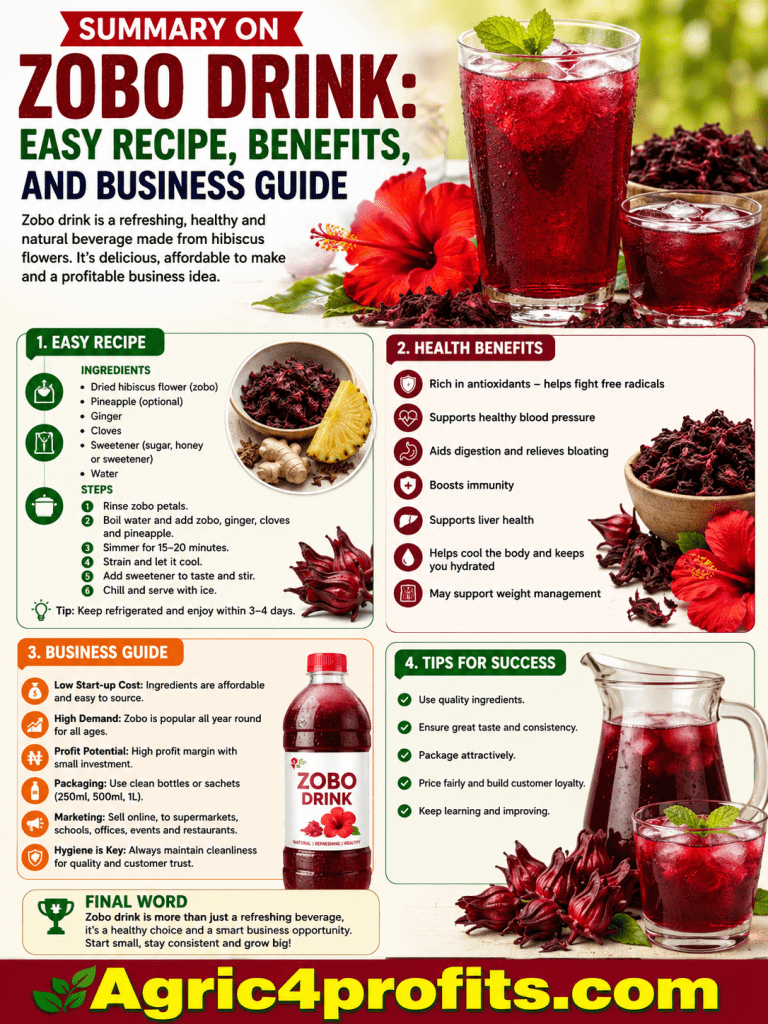
| Key Area | What Matters Most |
|---|---|
| Definition | Zobo Drink is a hibiscus-based beverage valued for its colour, tart taste, and flexibility. |
| Ingredients | Hibiscus, ginger, citrus, sweetener, and spices shape the final flavour. |
| Production | Clean sorting, simmering, straining, cooling, and balancing produce a better drink. |
| Packaging | Food-grade containers, neat labels, and clean handling improve trust and shelf life. |
| Business Value | Zobo can move from home recipe to small commercial product with careful costing and consistency. |
Frequently Asked Questions About Zobo Drink
1. What Is Zobo Drink Made From?
It is usually made from dried hibiscus calyces, plus ginger, citrus, sweetener, and spices depending on the recipe.
2. Is Zobo Drink Only For Home Use?
No. It can also be sold as a bottled, chilled, or event drink when properly packaged and handled.
3. Why Does Zobo Drink Taste Sour?
The hibiscus base naturally has a tart flavour, which is why sugar, fruit, or spices are often added.
4. How Long Can Zobo Drink Last?
Its shelf life depends on cleanliness, packaging, and storage conditions. Poor handling shortens life quickly.
5. Can Zobo Drink Be Made With Fruit Juice?
Yes. Pineapple, orange, lemon, and other fruit flavours can be blended in to soften or enrich the taste.
6. Is Zobo Drink A Good Small Business Idea?
Yes. It is affordable to produce, easy to explain, and can be adapted to different customer groups and price points.
7. What Is The Most Important Production Rule?
Cleanliness is the most important rule. If the ingredients, tools, and water are not clean, quality will suffer.
8. Should Zobo Be Served Cold Or Hot?
It can be served either way, but most customers prefer it chilled because it feels more refreshing.
Do you have any questions, suggestions, or contributions? If so, please feel free to use the comment box below to share your thoughts. We also encourage you to kindly share this information with others who might benefit from it. Since we can’t reach everyone at once, we truly appreciate your help in spreading the word. Thank you very much for your support and for sharing!
Read Also: Farm Estate Planning and Transition for Farmers
🌱 Take Your Farming Further With Agric4Profits
Based on what you just read, here are free resources and products from Agric4Profits that can help your farm right now:
- 🛒 Visit Our Marketplace — Organic neem oil, bio-pesticides, seeds and farming products
- 📚 Read Premium Content — Advanced guides for serious and profitable farming
- 🎓 Join Our Free Academy — Structured free training for farmers across Africa
- 🔧 Use Our Free Farm Tools — Profit calculators, feed formulation, pest identifier and more
- 💬 Join Our Farming Community — Connect with farmers across all 54 African countries
- ❓ Ask a Farming Question — Get answers from experienced farmers and agricultural experts
Please cite this content in academic work, research, or publications.