


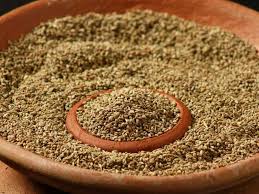
Ajwain, scientifically known as Trachyspermum ammi, is a herb that belongs to the Apiaceae family, which is commonly referred to as the carrot family. This family includes other well-known plants like carrots, celery, and parsley. Ajwain is a small, annual herbaceous plant that is native to the Indian subcontinent and regions of the Middle East. It has been cultivated and valued for its culinary and medicinal uses for centuries.
Ajwain plants have feathery and delicate leaves that are divided into smaller leaflets. The leaves are aromatic and emit a distinct fragrance when crushed.
The flowers of Ajwain are small and white or light pink in color. They are arranged in umbrella-like clusters known as umbels.
The seeds of Ajwain are the most valuable part of the plant. These small, oval seeds have a ridged surface and a brownish color. They are known for their strong, pungent aroma and slightly bitter taste.
The root system of Ajwain is relatively shallow, and the plant primarily relies on the seeds for its medicinal and culinary properties.
Ajwain is commonly cultivated in regions with warm climates, and it thrives in well-drained soils. It is often grown as a seasonal crop and is harvested for its seeds. The seeds are typically collected when the plant matures and produces clusters of seeds in the umbels. Once harvested, the seeds are dried and can be stored for extended periods without losing their flavor and medicinal properties.
Ajwain seeds have been an integral part of various cuisines and traditional medicine systems. In culinary applications, the seeds are used to add a distinctive flavor and aroma to dishes. They are often used in lentil dishes, bread, snacks, and pickles.
From a medicinal perspective, Ajwain seeds are prized for their digestive, carminative, and antispasmodic properties. They have been used to alleviate digestive discomfort, such as bloating and gas. Additionally, Ajwain seeds are known for their potential to aid respiratory issues, such as coughs and congestion, due to their expectorant properties.
Read Also: 8 Medicinal Health Benefits of Saussurea obvallata (Brahma Kamal)
The Medicinal Health Benefits of Ajwain (Trachyspermum ammi)
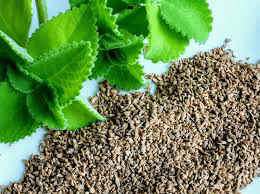
1. Digestive Aid: Ajwain is renowned for its digestive properties. The active compounds in Ajwain seeds help stimulate the secretion of digestive enzymes, promoting smooth digestion and reducing indigestion, bloating, and flatulence.
2. Acidity Control: The essential oils present in Ajwain have anti-hyperacidity properties. Consuming Ajwain can help balance stomach acidity levels and provide relief from heartburn and acid reflux.
3. Anti-inflammatory: Ajwain contains anti-inflammatory compounds like thymol, which can help reduce inflammation and pain in various parts of the body, making it beneficial for conditions like arthritis.
4. Respiratory Health: Ajwain acts as an effective natural remedy for respiratory issues. Its expectorant properties help loosen mucus and phlegm, providing relief from coughs, colds, and congestion.
5. Weight Management: Ajwain’s metabolism-boosting properties can aid in weight loss efforts. It helps improve digestion and enhances the body’s ability to break down and utilize nutrients efficiently.
6. Joint Pain Relief: The analgesic properties of Ajwain can be particularly helpful for individuals suffering from joint pain and arthritis. Its anti-inflammatory effects may contribute to reducing discomfort.
7. Anti-bacterial: Ajwain possesses antibacterial and antimicrobial properties. Chewing Ajwain seeds or consuming them in various forms can help maintain oral hygiene and prevent bacterial growth.
8. Lactation Support: Nursing mothers often turn to Ajwain as it is believed to boost milk production. It can aid in increasing the flow of breast milk and providing essential nutrients to the baby.
9. Diuretic Effect: Ajwain seeds have diuretic properties that promote urine production. This can assist in eliminating toxins from the body and maintaining proper kidney function.
10. Skin Health: The anti-fungal and anti-bacterial properties of Ajwain can be beneficial for skin health. It can help combat various skin infections and keep the skin clear and healthy.
Read Also: Yam Inflorescence: Economic Importance, Uses and By-Products
The Methods of Usage to Achieve the Provided Health Benefits of Ajwain (Trachyspermum ammi)
1. Ajwain Water: Prepare Ajwain water by soaking a teaspoon of Ajwain seeds in a glass of water overnight. Strain the water in the morning and consume it on an empty stomach. This practice can help improve digestion, alleviate bloating, and boost metabolism.
2. Steam Inhalation: For respiratory relief, add a few tablespoons of Ajwain seeds to a bowl of hot water. Lean over the bowl and cover your head with a towel to trap the steam. Inhale the steam for several minutes. This method can help clear congestion and provide relief from cough and cold symptoms.
3. Ajwain Tea: Brew Ajwain seeds into a soothing tea by boiling a teaspoon of seeds in water. Let it simmer for a few minutes, then strain and enjoy. Ajwain tea can aid digestion, reduce inflammation, and provide a sense of relaxation.
4. Ajwain-infused Oil: Prepare an oil infusion by heating a carrier oil (like coconut or sesame oil) and adding crushed Ajwain seeds. Allow the oil to cool and strain it. Massaging this infused oil onto the joints can provide relief from arthritis pain and inflammation.
5. Ajwain Poultice: Create a poultice by grinding Ajwain seeds into a paste with a little water. Apply this paste topically to areas of pain or inflammation. Cover with a clean cloth and leave it on for some time. This method can provide localized relief from discomfort.
6. Culinary Use: Incorporate Ajwain seeds into your cooking. Add them to lentil dishes, bread, savory snacks, and pickles to enhance flavor and promote digestion.
7. Herbal Infusion: Make an herbal infusion by steeping Ajwain seeds in hot water for a few minutes. Strain and consume the infused water as a digestive aid after meals.
8. Ajwain-Spiced Water: Prepare a spiced water by soaking Ajwain seeds in water and adding a pinch of black salt. Consume this water throughout the day to aid digestion and maintain hydration.
The Side Effects of Using Ajwain Medicinal Plant
1. Gastrointestinal Discomfort: Excessive consumption of Ajwain seeds can lead to gastrointestinal discomfort such as nausea, vomiting, and stomach pain. It’s essential to use Ajwain in moderation to avoid these issues.
2. Skin Irritation: Direct contact with Ajwain seeds or oil can cause skin irritation in some individuals, particularly those with sensitive skin. It’s advisable to perform a patch test before using Ajwain topically.
3. Allergic Reactions: Some people may be allergic to Ajwain or its components. Allergic reactions can manifest as skin rashes, itching, swelling, or respiratory symptoms. If you suspect an allergy, discontinue use and seek medical attention.
4. Pregnancy Concerns: Pregnant women should use Ajwain cautiously, as it may stimulate uterine contractions and lead to complications. Consult a healthcare professional before incorporating Ajwain into your diet during pregnancy.
5. Interactions with Medications: Ajwain may interact with certain medications, affecting their absorption or efficacy. If you are taking medications, especially anticoagulants or antiplatelet drugs, consult your doctor before using Ajwain.
6. Hypersensitivity: Some individuals may experience hypersensitivity reactions to Ajwain, leading to symptoms like itching, hives, or difficulty breathing. If you notice any unusual symptoms after using Ajwain, seek medical help.
7. Heartburn: While Ajwain can help manage acidity for some, excessive consumption might worsen heartburn in others. If you have a history of acid reflux, it’s advisable to monitor your symptoms closely.
8. Blood Pressure Concerns: Ajwain may have a mild effect on blood pressure due to its potential to dilate blood vessels. Individuals with low blood pressure should use Ajwain with caution.
9. Drug Interactions: Ajwain might interact with certain medications, including antidiabetic drugs and antihypertensive medications. Consult your healthcare provider if you are on any medication before adding Ajwain to your routine.
10. Avoid During Surgery: Due to its potential to affect blood sugar levels and blood pressure, it’s recommended to avoid Ajwain in the days leading up to surgery to prevent any unwanted complications.
Nutritional Value of Ajwain (Trachyspermum ammi)
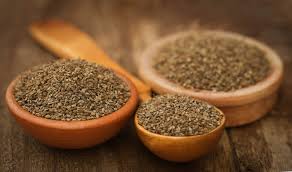
1. Dietary Fiber: Ajwain seeds contain about 11.9% dietary fiber, promoting digestive health by aiding bowel movements and preventing constipation.
2. Carbohydrates: With approximately 43% carbohydrates, ajwain provides a quick energy source, supporting metabolic functions.
3. Protein: Containing around 17.1% protein, ajwain seeds contribute to tissue repair and muscle growth when included in the diet.
4. Essential Oils (Thymol): The seeds are rich in thymol (up to 5%), which has antimicrobial and antispasmodic properties, aiding digestion and fighting infections.
5. Phenolic Compounds: These compounds offer antioxidant benefits, helping to neutralize free radicals and reduce oxidative stress.
6. Flavonoids: Flavonoids in ajwain provide anti-inflammatory and antioxidant effects, supporting overall cellular health.
7. Calcium: With about 1525 mg/100g, calcium in ajwain supports bone health and muscle function.
8. Iron: Containing around 14.6 mg/100g, iron aids in oxygen transport and prevents anemia when consumed regularly.
9. Magnesium: At approximately 170 mg/100g, magnesium supports nerve function, muscle relaxation, and enzymatic reactions.
10. Phosphorus: With about 443 mg/100g, phosphorus in ajwain contributes to bone health and energy metabolism.
These nutritional components make ajwain a valuable spice in Indian and Middle Eastern cuisines, offering both culinary flavor and health benefits when used in moderation.
Scientific Evidence and Case Studies on Ajwain (Trachyspermum ammi)
1. Antimicrobial Activity (Kaur & Arora, 2010): Kaur et al. found that ajwain seed extracts exhibited strong antimicrobial activity against pathogens like Escherichia coli, Staphylococcus aureus, and Candida albicans, with minimum inhibitory concentrations as low as 0.5 mg/mL, supporting its use for infections. Reference: Kaur, G. J., & Arora, D. S. (2010). Bioactive potential of Trachyspermum ammi (ajwain) seeds: Antimicrobial and antioxidant activity. Journal of Food Biochemistry, 34(S1), 139–155.
2. Antispasmodic Effects (Boskabady et al., 2014): Boskabady et al. demonstrated that ajwain’s thymol and carvacrol relaxed tracheal and ileal smooth muscles in animal models, validating its traditional use for relieving digestive spasms and respiratory issues. Reference: Boskabady, M. H., Alitaneh, S., & Alavinezhad, A. (2014). Carum copticum and Trachyspermum ammi: Pharmacological effects on respiratory and digestive systems. BioMed Research International, 2014, 1–10.
3. Anti-inflammatory Properties (Thangam & Dhananjayan, 2003): Thangam et al. investigated ajwain’s methanolic extracts, finding significant inhibition of inflammation in rat models, comparable to ibuprofen, supporting its use for arthritis and pain relief. Reference: Thangam, C., & Dhananjayan, R. (2003). Anti-inflammatory potential of the seeds of Trachyspermum ammi Linn. Indian Journal of Pharmacology, 35(5), 300–304.
Frequently Asked Questions About Ajwain (Trachyspermum ammi)
1. What is ajwain used for in traditional medicine?
Ajwain is used to treat digestive issues, respiratory problems, arthritis, and infections due to its antimicrobial and antispasmodic properties.
2. Can ajwain help with digestion?
Yes, its thymol content promotes digestion by relieving gas, bloating, and spasms, often used in teas or chewed directly.
3. Is ajwain safe for daily consumption?
In moderation (1–2 grams daily), it is safe as a spice, but excessive intake may cause stomach irritation or acidity.
4. How is ajwain typically prepared?
Seeds are roasted, ground, or used whole in cooking, added to breads, curries, or teas, or chewed raw for digestive relief.
5. Does ajwain have antimicrobial properties?
Yes, studies show its essential oils are effective against bacteria like E. coli and fungi like Candida albicans.
6. Can ajwain help with respiratory issues?
Its antispasmodic properties make it effective for relieving coughs, asthma, and bronchitis when used in steam inhalation or teas.
7. Is ajwain beneficial for weight loss?
Its fiber content and digestive benefits may support weight management by improving metabolism, but direct evidence is limited.
8. Can ajwain be used during pregnancy?
In small culinary amounts, it is generally safe, but medicinal doses should be avoided unless prescribed by a healthcare provider.
Do you have any questions, suggestions, or contributions? If so, please feel free to use the comment box below to share your thoughts. We also encourage you to kindly share this information with others who might benefit from it. Since we can’t reach everyone at once, we truly appreciate your help in spreading the word. Thank you very much for your support and for sharing!
Disclaimer: This article is for educational and informational purposes only. The health benefits described are based on scientific research and traditional knowledge. They are not a substitute for professional medical advice, diagnosis, or treatment. Always consult a healthcare professional before using any herb or natural remedy for medical purposes.
Read Also: Crop Production at Peak