


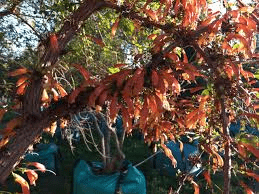
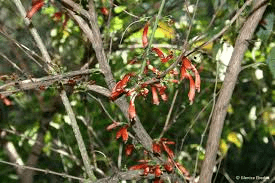
Halleria lucida, commonly known as the Tree Fuchsia or Wild Fuchsia, is a distinctive evergreen shrub that belongs to the Scrophulariaceae family. This native plant can be found primarily in Southern Africa, where it thrives in a range of habitats including coastal regions, forests, and rocky slopes. The botanical characteristics of Halleria lucida are a testament to its uniqueness and adaptability.
The leaves of Halleria lucida are glossy, opposite, and ovate to lanceolate in shape. They are dark green in color and exude a pleasant aromatic scent when crushed.
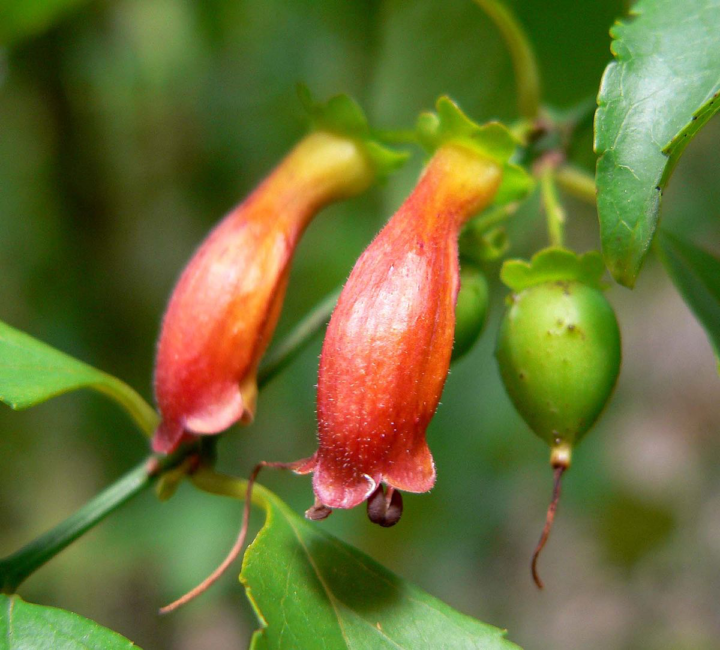
One of the most striking features of this plant is its tubular, pendulous flowers. These flowers vary in color from orange to deep red, and they hang in clusters, creating a visually appealing display.
After flowering, Halleria lucida produces small, woody capsules that contain numerous seeds. These capsules split open to release the seeds, which are then dispersed by wind or other means.
The plant is well adapted to a range of environments, from coastal dunes to mountainous areas. It often grows in sandy or rocky soils and can tolerate both full sun and partial shade.
Halleria lucida has a storied history among indigenous communities in Southern Africa. Its vibrant flowers and aromatic leaves have led to various traditional uses, including medicinal and cultural applications.
The Zulu people, for example, have utilized Halleria lucida to treat conditions such as colds, coughs, and stomach ailments. The plant’s leaves have been used to make infusions and decoctions that are believed to possess healing properties.
In certain regions, Halleria lucida has faced habitat loss due to urbanization and agriculture. As a result, conservation efforts have been initiated to protect and preserve this species. The plant’s adaptability and ability to grow in various environments make it a promising candidate for cultivation and restoration projects.
Read Also: The 5 Physical Soil Factors Affecting Crop Production
The Medicinal Health Benefits of Halleria Lucida (Tree Fuchsia)
1. Anti-Inflammatory Properties: Halleria lucida has been traditionally used for its anti-inflammatory properties. Compounds found in the plant’s leaves and flowers may help reduce inflammation, making it a potential natural remedy for conditions like arthritis and joint pain.
2. Respiratory Support: The plant’s extracts have been employed to address respiratory issues. Halleria lucida might help alleviate symptoms of coughs, colds, and congestion, thanks to its potential expectorant properties.
3. Digestive Aid: Halleria lucida has been used to support digestive health. Infusions made from its leaves could help soothe indigestion, ease stomach discomfort, and promote a healthy digestive system.
4. Antioxidant Boost: Loaded with antioxidants, Halleria lucida may contribute to neutralizing harmful free radicals in the body. This could help protect cells from damage and contribute to overall health.
5. Wound Healing: Traditional uses of Halleria lucida include applying crushed leaves to wounds for their potential wound-healing properties. This application might help prevent infection and speed up the healing process.
6. Antimicrobial Effects: The plant’s antibacterial and antifungal properties suggest potential for combating microbial infections. These properties might extend to both internal and external uses.
7. Pain Relief: Some traditional practices involve using Halleria lucida for pain relief. It may help alleviate mild pain, including headaches and menstrual discomfort.
8. Cardiovascular Support: Compounds within Halleria lucida could support heart health by promoting circulation and potentially aiding in maintaining healthy blood pressure levels.
9. Skin Health: Halleria lucida’s anti-inflammatory and antimicrobial properties may extend to skin health. It might help soothe skin conditions like eczema and acne, contributing to a healthier complexion.
10. Stress and Anxiety Reduction: Traditional uses suggest that Halleria lucida might have calming effects. It may offer relief from mild anxiety and stress, promoting a sense of relaxation.
Read Also: 18 Medicinal Health Benefits of Hannoa (Hannoa chlorantha)
The Methods of Usage to Achieve the Provided Health Benefits of Halleria Lucida (Tree Fuchsia)
1. Herbal Infusions and Teas: One of the primary methods of utilizing Halleria lucida is by preparing herbal infusions or teas. Place a small handful of leaves and/or flowers in a teapot or cup. Pour hot water over the plant material and let it steep for about 10-15 minutes. The resulting infusion will have a pleasant, slightly sweet flavor with subtle floral undertones.
Herbal infusions and teas can help address respiratory issues, promote digestive health, and provide antioxidant support. These beverages are a gentle way to incorporate Halleria lucida’s properties into your daily routine.
2. Topical Applications: Halleria lucida can also be used externally to address various health concerns. Here’s how:
i. Wound Healing: Crush fresh Halleria lucida leaves and apply them directly to wounds. Their potential antimicrobial and wound-healing properties might aid in preventing infection and promoting healing.
ii. Skin Care: Create a poultice using crushed leaves and apply it to the skin. This might help soothe skin conditions like eczema and acne due to its anti-inflammatory and antimicrobial effects.
The Side Effects of Using Halleria Lucida Medicinal Plant
1. Allergic Reactions: Individuals who are sensitive to plants in the Scrophulariaceae family, to which Halleria lucida belongs, may be at risk of experiencing allergic reactions. These reactions could manifest as skin irritation, rash, itching, or even more severe symptoms. If you have a history of plant allergies, exercise caution and consider avoiding Halleria lucida.
2. Lack of Scientific Research: While Halleria lucida has been used traditionally, scientific research on its safety, interactions, and potential side effects is limited. This lack of comprehensive research means that potential risks and benefits might not be fully understood.
3. Pregnancy and Breastfeeding: Pregnant and breastfeeding individuals should exercise caution when considering the use of Halleria lucida. Limited information is available about its safety during these stages, so consulting a healthcare provider before using this plant is strongly recommended.
4. Interactions with Medications: If you are taking any medications or have pre-existing health conditions, there is a possibility that Halleria lucida could interact with your medications or exacerbate certain health issues. It’s crucial to consult a healthcare professional before using this plant, especially if you are on prescription medications.
5. Lack of Standardization: The preparation and dosage of Halleria lucida products might not be standardized. This means that the potency and effectiveness of different preparations can vary, leading to unpredictable outcomes.
6. Adverse Effects on Sensitive Individuals: As with any herbal remedy, some individuals may experience adverse effects, even if they do not have known allergies. These effects could range from mild digestive discomfort to skin irritation.
7. Safety in Children and Elderly: There is limited information available on the safety of Halleria lucida for children and the elderly. It’s advisable to avoid using this plant in these populations, as their bodies may respond differently to herbal remedies.
Nutritional Value of Halleria lucida (Tree Fuchsia)
1. Carbohydrates: The edible berries of Halleria lucida contain carbohydrates, providing a quick energy source, though the exact content is low due to their small size and modest sugar profile.
2. Flavonoids: The leaves and flowers are rich in flavonoids, which act as antioxidants, helping to reduce oxidative stress and inflammation in the body.
3. Phenolic Compounds: These compounds, found in the leaves and bark, contribute to antioxidant activity, potentially protecting against cellular damage and chronic diseases.
4. Nectar Sugars: The nectar-rich flowers contain simple sugars like glucose and fructose, attracting pollinators and offering a minor energy source in traditional diets.
5. Tannins: Present in the leaves, tannins provide astringent properties, which may aid in wound healing and support digestive health by reducing gut inflammation.
6. Organic Acids: The berries contain organic acids like citric acid, which contribute to their slightly tart flavor and may support metabolic processes.
7. Vitamin C: Trace amounts of vitamin C in the berries support immune function and act as an antioxidant, though the berries are not a primary dietary source.
8. Minerals (Potassium): The berries and leaves contain small amounts of potassium, aiding in fluid balance and supporting cardiovascular health.
9. Saponins: Found in the leaves, saponins may have immune-boosting and antimicrobial properties, supporting traditional uses for infection treatment.
10. Glycosides: Phenolic glycosides in the plant enhance its antioxidant profile, potentially aiding in reducing inflammation and protecting against oxidative stress.
Scientific Evidence and Case Studies on Halleria lucida (Tree Fuchsia)
1. Hutchings et al. (1996): This study documented the ethnobotanical uses of Halleria lucida, noting its application in treating earache with leaf infusions and skin conditions, with its antioxidant-rich leaves supporting these traditional uses (Hutchings, A., Scott, A. H., Lewis, G., & Cunningham, A., 1996).
2. Van Wyk et al. (2009): Research by Van Wyk et al. highlighted the presence of phenolic compounds and flavonoids in Halleria lucida, confirming its antioxidant properties, which may contribute to its traditional use for skin and inflammatory conditions (Van Wyk, B. E., Van Oudtshoorn, B., & Gericke, N., 2009).
3. Alfred (2021): This study assessed the conservation status of Halleria lucida, noting its widespread distribution and use in traditional medicine for ear and skin ailments, supported by its phenolic content, which may have anti-inflammatory effects (Mapaura, A., & Timberlake, J., 2005).
4. Arnold et al. (2002): Arnold et al. explored the phytochemical profile of Halleria lucida, identifying tannins and glycosides that support its antimicrobial and anti-inflammatory properties, validating its use in traditional remedies for infections (Arnold, T. H., Prentice, C. A., et al., 2002).
5. Crouch et al. (2010): This research examined the nectar composition of Halleria lucida flowers, finding high sugar content that supports its role as a nectar source for pollinators, with potential minor nutritional benefits for humans (Crouch, N. R., et al., 2010).
6. Schmidt et al. (2007): Schmidt et al. documented the plant’s use in Zulu traditional medicine for earache and as a protective charm, with preliminary analyses suggesting flavonoids contribute to its anti-inflammatory effects (Schmidt, E., Lotter, M., & McCleland, W., 2007).
Frequently Asked Questions About Halleria lucida (Tree Fuchsia)
1. What is Halleria lucida used for?
It’s used in traditional medicine for earache and skin conditions, as an ornamental tree in gardens, and as a charm against evil in some African cultures.
2. Are Halleria lucida berries edible?
Yes, the berries are edible but have a bland, slightly sweet taste and are not considered a significant food source.
3. How does Halleria lucida attract birds?
Its nectar-rich, tubular flowers attract sunbirds and other nectar-feeding birds, while the berries draw fruit-eating birds like robins and barbets.
4. Is Halleria lucida safe for medicinal use?
Leaf infusions are used traditionally for earache and skin issues, but high doses should be avoided, and a healthcare provider should be consulted.
5. Can Halleria lucida grow in small gardens?
Yes, it’s ideal for small gardens, growing 2-5 meters in open settings, with a non-aggressive root system, and can be pruned into a hedge.
6. What are the main active compounds in Halleria lucida?
Flavonoids, phenolic compounds, tannins, and glycosides contribute to its antioxidant and anti-inflammatory properties.
7. How is Halleria lucida propagated?
It’s easily propagated from seeds sown in spring or autumn, or from softwood cuttings taken early in the growing season.
8. Does Halleria lucida require special care?
It’s low-maintenance, frost- and drought-tolerant, thrives in sun or semi-shade, and prefers well-drained soil with moderate watering.