


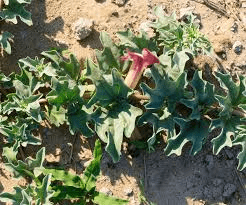
Harpagophytum, commonly known as Devil’s Claw, is a distinctive plant that boasts a unique appearance and a rich history of medicinal use. This botanical description will provide you with a detailed insight into the key characteristics of Harpagophytum, helping you understand its morphology and growth habits.
Harpagophytum belongs to the family Pedaliaceae and is scientifically known as Harpagophytum procumbens. This perennial herbaceous plant is native to the arid regions of southern Africa, where it thrives in sandy and rocky soils.
Devil’s Claw is characterized by its low-growing and spreading growth habit. It typically reaches a height of about 20 to 50 centimetres (8 to 20 inches) and spreads horizontally along the ground.
The plant’s stems are prostrate, meaning they lie flat on the ground, while the leaves emerge in opposite pairs along these stems.
The leaves of Harpagophytum are pinnate, which means that multiple leaflets are arranged along a central stalk or rachis.
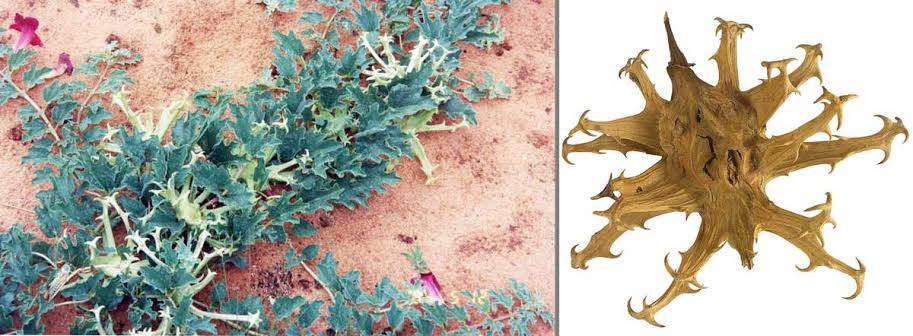
Each leaf typically consists of 3 to 5 leaflets, with each leaflet being ovate to lanceolate in shape. The leaves are deeply lobed or serrated along the margins, providing an interesting visual texture.
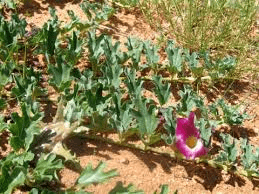
Devil’s Claw produces eye-catching tubular flowers that are usually a shade of mauve, pink, or purple. These flowers emerge on long stalks from the leaf axils.
The corolla of the flower is bilabiate, featuring two distinct lips, with the upper lip having two lobes and the lower lip having three lobes.
One of the most distinctive features of Devil’s Claw is its fruit, which gives the plant its common name. The fruit is a woody capsule that is covered in hooked spines, resembling claws or hooks. These hooked structures aid in seed dispersal, as they can attach to passing animals and be carried to new locations.
The secondary tubers of Devil’s Claw are the part of the plant that holds its medicinal properties. These tubers are large, fleshy structures that store nutrients and water. They have a gnarled and tuberous appearance, contributing to the plant’s unique and intriguing character.
Devil’s Claw is well adapted to the arid climates of southern Africa, particularly regions such as Namibia, Botswana, and South Africa.
It thrives in sandy and rocky soils, often growing in savannahs and grasslands. The plant’s ability to survive in such harsh conditions is a testament to its resilience.
Read Also: 15 Medicinal Health Benefits of Cussonia spicata (Wild Cabbage Tree)
The Medicinal Health Benefits of Harpagophytum (Devil’s Claw)
1. Anti-Inflammatory Relief: At the heart of Devil’s Claw’s therapeutic prowess lies its potent anti-inflammatory properties. The plant’s bioactive compounds, particularly harpagosides, work to reduce inflammation in the body.
This makes Devil’s Claw a valuable natural remedy for conditions such as arthritis, osteoarthritis, and rheumatoid arthritis, offering relief from joint pain and discomfort.
2. Easing Joint Pain: Devil’s Claw’s anti-inflammatory effects extend to addressing joint pain. By reducing inflammation and promoting better joint function, Devil’s Claw can contribute to improved mobility and reduced pain levels, enhancing the quality of life for individuals dealing with chronic joint conditions.
3. Digestive Harmony: The medicinal benefits of Devil’s Claw encompass digestive health as well. This plant has been used to stimulate the production of digestive enzymes, aiding in the digestion process and promoting gastrointestinal comfort.
Incorporating Devil’s Claw into your wellness routine may help alleviate digestive issues and enhance overall gut health.
4. Heart Health Support: Recent studies have suggested that Devil’s Claw might contribute to cardiovascular health. Its potential to lower cholesterol levels and assist in maintaining healthy blood pressure may offer valuable support for heart wellness, complementing a balanced lifestyle.
5. Antioxidant Defense: Devil’s Claw is armed with antioxidants that combat harmful free radicals in the body. By neutralizing these free radicals, the plant’s compounds help protect cells from oxidative stress, which is linked to various chronic diseases and aging.
6. Skin Soothing Abilities: Incorporating Devil’s Claw into skincare routines could bring relief to individuals dealing with skin conditions such as eczema and psoriasis.
The plant’s anti-inflammatory properties might help manage skin inflammation and alleviate discomfort.
7. Natural Appetite Enhancement: For those seeking a natural way to boost appetite, Devil’s Claw might be a helpful ally. Its traditional use as an appetite stimulant could provide support for individuals with reduced appetite due to illness or other factors.
8. Menstrual Comfort: Women experiencing menstrual discomfort could find relief in Devil’s Claw’s analgesic properties. It may help alleviate menstrual pain, making those days more manageable.
9. Managing Diabetes: Preliminary studies have indicated that Devil’s Claw may contribute to blood sugar regulation. While further research is needed, this potential benefit could hold promise for individuals managing diabetes.
10. Kidney Function Support: Devil’s Claw’s diuretic properties might aid kidney function by promoting healthy urine production and reducing the risk of urinary tract infections.
Read Also: Recommended Brooding Duration for Chicks with Temperature Requirement
The Methods of Usage to Achieve the Provided Health Benefits of Harpagophytum (Devil’s Claw)
1. Capsules and Tablets: One of the most convenient ways to incorporate Devil’s Claw into your wellness routine is by using capsules or tablets. These standardized forms provide a consistent dosage of the plant’s active compounds, ensuring you receive the desired health benefits.
Follow the recommended dosage instructions provided on the product packaging or consult a healthcare professional for personalized guidance.
2. Herbal Teas: For those who prefer a soothing and traditional approach, Devil’s Claw herbal teas are an excellent option.
To prepare a Devil’s Claw tea, steep a teaspoon of dried Devil’s Claw root in hot water for about 10-15 minutes. Strain and enjoy the aromatic and therapeutic goodness of the infusion. You can sweeten the tea with honey if desired.
3. Tinctures and Extracts: Tinctures and liquid extracts offer a concentrated form of Devil’s Claw, allowing for easy absorption by the body. These preparations are usually taken by adding a specified number of drops to water or another beverage.
Always follow the recommended dosage instructions on the product label to ensure safe and effective usage.
4. Topical Applications: Devil’s Claw’s anti-inflammatory properties can also be harnessed externally. Topical creams or ointments containing Devil’s Claw extract can be applied directly to areas of discomfort, such as sore joints or muscles. Gently massage the cream into the skin for soothing relief.
5. Powdered Form: Some individuals prefer the flexibility of using powdered Devil’s Claw. You can add a teaspoon of powdered Devil’s Claw root to smoothies, juices, or yogurt. This allows you to easily incorporate the plant’s benefits into your daily diet.
The Side Effects of Using Harpagophytum Medicinal Plant
1. Gastrointestinal Discomfort: Some individuals might experience mild gastrointestinal discomfort, including symptoms like stomach upset, bloating, or gas. If you notice any of these symptoms after using Devil’s Claw, consider adjusting the dosage or method of usage.
2. Allergic Reactions: While rare, allergic reactions to Devil’s Claw can occur. If you develop symptoms such as skin rash, itching, swelling, or difficulty breathing after using Devil’s Claw, discontinue use immediately and seek medical attention.
3. Interaction with Medications: Devil’s Claw has the potential to interact with certain medications. If you’re taking anticoagulant or antiplatelet medications, or if you have a history of bleeding disorders, consult a healthcare professional before using Devil’s Claw.
It could potentially enhance the effects of these medications, leading to increased bleeding risk.
4. Pregnancy and Breastfeeding: Pregnant and breastfeeding individuals should exercise caution when using Devil’s Claw. Limited research is available on its safety during these periods, so it’s best to avoid using Devil’s Claw unless directed by a healthcare provider.
5. Gastric Ulcers: Devil’s Claw might exacerbate existing gastric ulcers due to its potential to stimulate stomach acid production. Individuals with a history of gastric ulcers or digestive issues should consult a healthcare professional before using Devil’s Claw.
6. Bile Duct Obstruction: There have been rare reports of Devil’s Claw causing bile duct obstruction. If you have a history of gallstones or bile duct issues, consult a healthcare professional before using Devil’s Claw.
7. Pregnancy and Fertility: Some animal studies have suggested that Devil’s Claw might affect pregnancy and fertility. If you’re planning to become pregnant, are pregnant, or are trying to conceive, it’s advisable to avoid Devil’s Claw or seek guidance from a healthcare professional.
8. Dosage Considerations: Using Devil’s Claw in excessive doses may increase the risk of side effects. Always adhere to the recommended dosage instructions provided on product labels or as advised by a healthcare professional.
9. Individual Variability: Individual responses to Devil’s Claw can vary. What works well for one person might not be suitable for another. Pay attention to how your body reacts and consider discontinuing use if you experience any adverse effects.
Nutritional Value of Harpagophytum (Devil’s Claw)
1. Iridoid Glycosides: Harpagophytum contains iridoid glycosides, primarily harpagoside, which are believed to contribute to its anti-inflammatory and analgesic properties. These compounds may help reduce pain and inflammation in conditions like arthritis.
2. Harpagoside: This key active compound in Devil’s Claw is responsible for its pain-relieving effects. It has been shown to inhibit inflammatory pathways, potentially easing joint and muscle discomfort.
3. Phenolic Compounds: These compounds provide antioxidant effects, helping to neutralize free radicals and reduce oxidative stress, which may protect cells from damage.
4. Flavonoids: Flavonoids in Harpagophytum enhance its antioxidant activity, supporting cellular health by limiting damage from free radicals.
5. Verbascoside: A phenylethanoid glycoside, verbascoside contributes to the plant’s anti-inflammatory and antioxidant effects, potentially aiding in reducing inflammation-related disorders.
6. Procumbide: Another iridoid glycoside, procumbide may support the plant’s therapeutic effects, though its specific contributions are less studied compared to harpagoside.
7. 8-O-p-Coumaroyl Harpagide: This compound supports the anti-inflammatory action of Devil’s Claw, potentially enhancing its efficacy in treating joint pain.
8. Triterpenoids: These compounds may contribute to the plant’s overall anti-inflammatory and immune-modulating effects, though research is limited.
9. Sterols: Plant sterols in Harpagophytum may support cardiovascular health by helping to regulate cholesterol levels, though evidence is preliminary.
10. Polysaccharides: These complex carbohydrates may support immune function and overall health, though their specific role in Devil’s Claw is not well-documented.
Scientific Evidence and Case Studies on Harpagophytum (Devil’s Claw)
1. Chrubasik et al. (2003): A randomized double-blind study compared a proprietary Harpagophytum extract (Doloteffin) with Vioxx for low back pain. The study found that Devil’s Claw reduced pain as effectively as the NSAID, with fewer side effects, suggesting its potential as a safer alternative for pain management (Chrubasik, S., Model, A., Black, A., et al., 2003).
2. Chantre et al. (2000): This multicenter, double-blind study compared Harpagophytum extract (Harpadol) with diacerhein in patients with knee or hip osteoarthritis. Both groups showed similar improvements in pain and function, but the Devil’s Claw group used fewer NSAIDs and reported better tolerance, indicating its efficacy for osteoarthritis (Chantre, P., Cappelaere, A., Leblan, D., et al., 2000).
3. Chrubasik et al. (2005): A 1-year follow-up study on Doloteffin for low back pain and osteoarthritis showed sustained pain relief and improved function by weeks 4 and 8, with minimal adverse effects, supporting its long-term use for chronic pain (Chrubasik, S., Kunzel, O., Thanner, J., et al., 2005).
4. Inaba et al. (2010): An animal study demonstrated that harpagoside significantly suppressed cytokine production in mouse macrophages, supporting its anti-inflammatory effects. This suggests a mechanism for Devil’s Claw’s benefits in inflammatory conditions (Inaba, K., Murata, K., Naruto, S., et al., 2010).
5. Moreau et al. (2021): A randomized controlled trial in dogs with osteoarthritis found that a Harpagophytum extract (harpagoside >2.7%) improved clinical signs and peak vertical force compared to placebo, indicating potential veterinary applications (Moreau, M., Lussier, B., Pelletier, J. P., et al., 2021).
Frequently Asked Questions About Harpagophytum (Devil’s Claw)
1. What is Devil’s Claw used for?
Devil’s Claw is primarily used to relieve pain and inflammation associated with conditions like osteoarthritis, rheumatoid arthritis, and lower back pain. It may also support digestive health as a bitter tonic.
2. Is Devil’s Claw safe to use?
For most people, Devil’s Claw is safe in recommended doses (600–2,610 mg daily). However, it may cause side effects like diarrhea or interact with medications like warfarin, and it’s not advised for those with ulcers or during pregnancy.
3. How does Devil’s Claw work?
Its active compound, harpagoside, inhibits inflammatory pathways, such as cytokine and COX-2 production, reducing pain and swelling in joints and muscles.
4. What is the recommended dosage for Devil’s Claw?
Typical doses range from 600–2,610 mg of dried root or 50–100 mg of harpagoside daily, often taken as capsules, extracts, or teas. Always consult a healthcare provider for personalized advice.
5. Can Devil’s Claw be taken with other medications?
Devil’s Claw may interact with anticoagulants (e.g., warfarin), heart medications, and stomach acid drugs. Consult a doctor before combining it with other medications.
6. Are there any side effects of Devil’s Claw?
Mild side effects include diarrhea, nausea, or headaches. Rarely, it may cause abnormal heart rhythms or bleeding, especially in those on blood thinners.
7. Can Devil’s Claw help with gout?
Some animal studies suggest it may reduce uric acid levels, but human studies are lacking. Its anti-inflammatory properties may help with gout-related pain, but consult a doctor first.
8. Is Devil’s Claw suitable for long-term use?
Studies, like Chrubasik et al. (2005), suggest it can be used safely for up to a year for chronic pain, but long-term safety requires further research. Regular medical supervision is recommended.
Do you have any questions, suggestions, or contributions? If so, please feel free to use the comment box below to share your thoughts. We also encourage you to kindly share this information with others who might benefit from it. Since we can’t reach everyone at once, we truly appreciate your help in spreading the word. Thank you very much for your support and for sharing!
Disclaimer: This article is for educational and informational purposes only. The health benefits described are based on scientific research and traditional knowledge. They are not a substitute for professional medical advice, diagnosis, or treatment. Always consult a healthcare professional before using any herb or natural remedy for medical purposes.
Read Also: Collective Farming: The Key to Sustainable Food Systems