


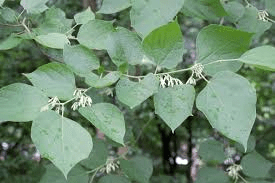
Alangium chinense, commonly known as the Chinese Alangium, is a deciduous shrub or small tree that belongs to the Cornaceae family. Native to East Asia, this plant boasts distinctive features that set it apart in both ornamental and medicinal contexts.
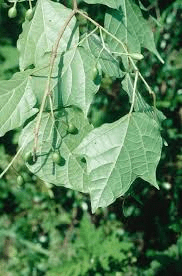
The leaves of Alangium chinense are heart-shaped, showcasing a glossy green hue. They are arranged oppositely on the branches, adding to the plant’s aesthetic appeal.
The plant bears clusters of small, fragrant flowers that are typically white or pale yellow in color. These flowers are composed of multiple petals and exude a pleasant fragrance.
Alangium chinense produces spherical or ellipsoid fruits that mature to a reddish or purplish color. These fruits contain seeds within and contribute to the plant’s reproductive cycle.
Alangium chinense thrives in a variety of habitats, including woodlands, scrublands, and open areas. It is well adapted to different soil types and can often be found growing in sandy or loamy soils. This hardy plant is known for its resilience and ability to withstand various environmental conditions.
Alangium chinense holds cultural and medicinal significance. Traditional practitioners have recognized its potential health benefits and have utilized various parts of the plant, such as leaves, bark, and roots, for their medicinal properties.
The conservation status of Alangium chinense may vary based on regional factors and habitat conditions. It’s important to monitor and protect this plant, especially in areas where it plays a vital role in local ecosystems and traditional practices.
Read Also: 15 Medicinal Health Benefits of Angelica sinensis (Dong Quai)
The Medicinal Health Benefits of Alangium chinense (Chinese Alangium)

1. Anti-Inflammatory Properties: Alangium chinense contains compounds with potent anti-inflammatory effects. These compounds can help reduce inflammation in various parts of the body, potentially alleviating conditions such as arthritis and inflammatory bowel diseases.
2. Pain Relief: The plant’s extracts have analgesic properties, making them effective in relieving pain. This natural pain-relief potential can be beneficial for individuals dealing with chronic pain or discomfort.
3. Antioxidant Support: Alangium chinense is rich in antioxidants that combat oxidative stress. These antioxidants help protect cells from damage caused by free radicals, promoting overall health.
4. Wound Healing: Traditional medicine has long used Alangium chinense for its wound-healing properties. Applying extracts or ointments made from this plant can accelerate the healing process and reduce the risk of infection.
5. Gastrointestinal Health: Alangium chinense has been employed in certain traditional practices to address gastrointestinal issues. It may help soothe digestive discomfort and promote a healthy gut.
6. Respiratory Health: This plant is believed to have respiratory benefits. It may assist in relieving symptoms of respiratory conditions like coughs and bronchitis, thanks to its anti-inflammatory properties.
7. Immune System Support: Regular consumption of Alangium chinense may contribute to a stronger immune system. The antioxidants in the plant help fortify the body’s defenses against infections.
8. Skin Health: Topical applications of Alangium chinense extracts can promote skin health. It may alleviate skin irritations and provide a soothing effect.
9. Liver Health: Some traditional medicinal systems suggest that Alangium chinense can support liver health. It may assist in detoxifying the liver and improving its overall function.
10. Cardiovascular Support: This plant has been associated with potential cardiovascular benefits. It might help regulate blood pressure and promote healthy circulation, benefiting heart health.
11. Stress Reduction: Alangium chinense is believed to have adaptogenic properties, helping the body adapt to stress. It may support mental well-being by reducing the effects of stress and anxiety.
12. Antibacterial Properties: Studies have suggested that Alangium chinense extracts possess antibacterial properties. These properties may help combat bacterial infections in various parts of the body.
Read Also: 13 Medicinal Health Benefits of Crateva Nurvela (Varuna Tree)
The Methods of Usage to Achieve the Provided Health Benefits of Alangium chinense (Chinese Alangium)
1. Herbal Tea Infusion: To harness the benefits of Alangium chinense, prepare an herbal tea infusion. Boil water and add dried Alangium chinense leaves. Let it steep for about 10-15 minutes. Strain and enjoy the tea. This method is suitable for internal use and can help with anti-inflammatory, antioxidant, and immune system support.
2. Topical Application: Create a poultice or ointment by crushing fresh or dried Alangium chinense leaves. Apply the paste to wounds, skin irritations, or areas of inflammation for wound healing, pain relief, and skin health benefits.
3. Tincture: Prepare a tincture by soaking Alangium chinense leaves or bark in alcohol for several weeks. The resulting tincture can be used in small amounts as a concentrated form of the plant’s medicinal properties. It’s important to follow dosage guidelines when using tinctures.
4. Steam Inhalation: Inhaling steam infused with Alangium chinense extracts can provide respiratory and anti-inflammatory benefits. Boil water and add a handful of leaves to create a steam. Inhale the steam under a towel tent, keeping your face at a safe distance to avoid burns.
5. External Wash: Prepare a diluted decoction of Alangium chinense and use it as an external wash for wounds, cuts, and skin irritations. This method can help with wound healing and reducing the risk of infections.
6. Capsules or Tablets: Some health stores offer Alangium chinense supplements in the form of capsules or tablets. These provide a convenient way to incorporate the plant’s benefits into your daily routine. Always follow recommended dosage instructions.
7. Oil Infusion: Infuse carrier oils with Alangium chinense leaves to create massage oils or topical solutions. This method allows you to apply the plant’s beneficial compounds directly to the skin, aiding in pain relief and promoting skin health.
8. Culinary Use: In some cultures, Alangium chinense is used as a culinary ingredient. Incorporate fresh leaves into salads or dishes to potentially enjoy mild anti-inflammatory and antioxidant effects.
The Side Effects of Using Alangium chinense Medicinal Plant
1. Allergic Reactions: Some individuals may experience allergic reactions when using Alangium chinense. Symptoms can range from skin rashes and itching to more severe reactions like difficulty breathing. It’s important to perform a patch test before using any new herbal remedy and discontinue use if allergic symptoms occur.
2. Digestive Discomfort: Excessive consumption of Alangium chinense or its extracts can lead to digestive discomfort. This might include symptoms like stomach pain, bloating, or diarrhea. It’s advisable to use this plant in moderation and consult a healthcare professional if you experience digestive issues.
3. Interactions with Medications: Alangium chinense may interact with certain medications. If you’re taking prescribed drugs, consult your healthcare provider before using this herbal remedy to avoid potential interactions that could affect the effectiveness of your medications.
4. Pregnancy and Breastfeeding: Pregnant or breastfeeding individuals should exercise caution when using Alangium chinense. Limited research is available on its safety during these periods, and it’s best to consult a healthcare professional before incorporating it into your routine.
5. Blood Pressure Regulation: Alangium chinense’s potential to regulate blood pressure should be considered. If you have existing blood pressure issues or are taking blood pressure medications, consult a healthcare expert before using this plant, as it could affect your blood pressure levels.
6. Dosage Considerations: Using excessive amounts of Alangium chinense can lead to adverse effects. Always adhere to recommended dosage guidelines to avoid unwanted side effects and potential toxicity.
7. Children and Elderly: The safety of Alangium chinense for children and elderly individuals hasn’t been extensively studied. It’s advisable to avoid use in these populations unless directed by a healthcare professional.
8. Other Medical Conditions: Individuals with pre-existing medical conditions, such as liver or kidney disorders, should approach the use of Alangium chinense with caution. The plant’s effects on these conditions are not fully understood and require professional guidance.
9. Photosensitivity: Some plants, including Alangium chinense, can increase skin sensitivity to sunlight. If you’re using topical preparations, be mindful of sun exposure to prevent potential skin reactions.
10. Long-Term Use: Limited research exists on the long-term effects of using Alangium chinense. Extended and continuous use without medical supervision may have unforeseen consequences.
Nutritional Value of Alangium chinense (Chinese Alangium)
1. Phenolic Compounds: Alangium chinense roots are abundant in phenolic compounds, which act as potent antioxidants, helping to neutralize free radicals and reduce oxidative stress in the body.
2. Flavonoids: These polyphenolic compounds in the leaves and roots provide anti-inflammatory and antioxidant effects, supporting cellular health and potentially lowering chronic disease risk.
3. Alkaloids: The plant contains alkaloids like anabasine, which contribute to antimicrobial properties and may aid in immune support, though they require caution due to potential toxicity.
4. Sesquiterpenes: Found in the roots, sesquiterpenes exhibit anti-inflammatory and neuroprotective benefits, aligning with traditional uses for pain relief.
5. Tannins: These astringent compounds in the bark and leaves promote wound healing and digestive health by reducing inflammation and providing antioxidant protection.
6. Saponins: Present in the extracts, saponins enhance immune function and offer mild antimicrobial effects, supporting resistance to infections.
7. Steroids: Compounds like β-sitosterol in the plant may help regulate cholesterol levels and provide anti-inflammatory benefits for joint health.
8. Terpenoids: These volatile compounds contribute to the plant’s antimicrobial and analgesic properties, useful in traditional remedies for rheumatism.
9. Glycosides: Phenolic glycosides enhance the overall antioxidant profile, potentially aiding in liver protection and inflammation reduction.
10. Carbohydrates: The roots contain carbohydrates, serving as a minor energy source in herbal preparations, though the plant is primarily medicinal.
Alangium chinense is valued mainly for its phytochemicals rather than as a direct food source, offering antioxidant, anti-inflammatory, and antimicrobial benefits. Its use in traditional medicine highlights these components, but consumption should be moderated due to potential toxicity from alkaloids.
Scientific Evidence and Case Studies on Alangium chinense (Chinese Alangium)
1. Li et al. (2023): This study explored the ethyl acetate extract of Alangium chinense in collagen-induced arthritis rats, showing reduced arthritis scores, inflammatory cytokines, and autophagy markers via JAK3-STAT3 and COX-2 pathway regulation, confirming its anti-rheumatoid arthritis effects (Li, Y., et al., 2023).
2. Zhang et al. (2013): Researchers isolated four new sesquiterpenes and four new alkaloids from Alangium chinense roots, with some compounds demonstrating cytotoxicity against cancer cell lines, supporting potential anticancer applications (Zhang, C.-L., et al., 2013).
3. Zhang et al. (2017): The ethanolic root extract yielded three new phenolics and 28 known compounds, with compound 11 exhibiting antiviral activity against Coxsackie virus B3 (IC50 16.89 μmol/L), highlighting its role in viral infection treatment (Zhang, Y., et al., 2017).
4. Zhai et al. (2018): Salicin from Alangium chinense was tested in rheumatoid arthritis models, ameliorating symptoms by modulating Nrf2-HO-1-ROS pathways, reducing oxidative stress and inflammation (Zhai, K.-F., et al., 2018).
Frequently Asked Questions About Alangium chinense (Chinese Alangium)
1. What is Alangium chinense used for?
It is used in traditional Chinese and Miao medicine to treat rheumatism, snake bites, pain, inflammation, and skin diseases, primarily from roots and leaves.
2. Is Alangium chinense toxic?
Yes, it contains alkaloids like anabasine that can cause neurotoxicity and muscle relaxation effects; use in low doses and consult a healthcare provider.
3. What are the health benefits of Alangium chinense?
Studies show anti-inflammatory effects for rheumatoid arthritis, antiviral activity against viruses like Coxsackie B3, and potential anticancer properties from its extracts.
4. Where is Alangium chinense native to?
It is native to tropical and subtropical Asia, including China, India, and Southeast Asia, growing as a shrub or tree in forests and open areas.
5. What are the main active compounds in Alangium chinense?
Key compounds include alkaloids (anabasine), phenolics, flavonoids, sesquiterpenes, and glycosides, contributing to its antioxidant and anti-inflammatory effects.
6. Can Alangium chinense treat arthritis?
Yes, research indicates its extracts reduce symptoms in rheumatoid arthritis models by targeting JAK3-STAT3 and COX-2 pathways.
7. How is Alangium chinense prepared for medicinal use?
Roots are typically extracted with ethanol or water for decoctions, teas, or topical pastes to treat pain and inflammation.
8. Is Alangium chinense the same as Alangium salvifolium?
No, they are related but distinct species; Alangium chinense is primarily Asian and used in Chinese medicine, while salvifolium is more widespread in India for similar purposes.
Do you have any questions, suggestions, or contributions? If so, please feel free to use the comment box below to share your thoughts. We also encourage you to kindly share this information with others who might benefit from it. Since we can’t reach everyone at once, we truly appreciate your help in spreading the word. Thank you very much for your support and for sharing!
Disclaimer: This article is for educational and informational purposes only. The health benefits described are based on scientific research and traditional knowledge. They are not a substitute for professional medical advice, diagnosis, or treatment. Always consult a healthcare professional before using any herb or natural remedy for medical purposes.