


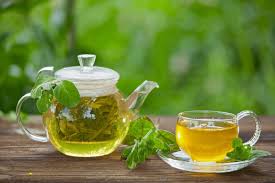
Catnip tea is a special kind of tea that comes from a plant called catnip. Catnip is a green plant with leaves that have a fresh, minty smell. People have been making catnip tea for a very long time because it has a lot of good things in it.
To make catnip tea, you need some dried catnip leaves. You can find these leaves in stores that sell herbs. When you have the dried leaves, you can put them in a cup of hot water. The hot water will soak up the goodness from the leaves and make a tasty tea.
One of the things that people like about catnip tea is that it can help you relax. When you drink a cup of catnip tea, it can make you feel calm and peaceful. This is great for people who have a lot of stress in their lives.
Catnip tea can also help with tummy troubles. If your tummy hurts or you feel sick, a warm cup of catnip tea might make you feel better. It can soothe your tummy and help you feel less queasy.
Some people drink catnip tea before bedtime. They say it helps them sleep better. When you have trouble falling asleep, a cup of catnip tea can be a nice bedtime treat.
Another cool thing about catnip tea is that it doesn't have caffeine. Caffeine is something in some teas and coffees that can make you feel jittery and awake. Catnip tea is different because it won't give you that jittery feeling.
🌿 Go Organic on Your Farm: Instead of harmful chemical pesticides and fertilisers, try our organic farming products — including neem oil spray, bio-pesticides, natural plant treatments, organic seeds and seedlings, suckers, and many more organic products that are safe for your health, your family, your soil and your harvest. Shop Now →
Some people like to add honey or lemon to their catnip tea to make it taste even better. Honey adds sweetness, and lemon adds a little bit of tangy flavor. You can experiment and find the taste you like the most.
People have been enjoying catnip tea for a long time because it's a natural and soothing drink. It's easy to make, and it can make you feel better when you're not feeling your best. So, the next time you want a warm and comforting beverage, give catnip tea a try.
Read Also: General Purpose of Plant Analysis as a Diagnostic Tool
13 Health Benefits of Catnip Tea
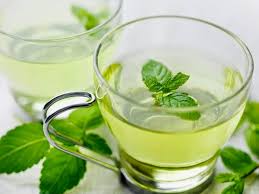
Catnip tea offers various potential health benefit, and below are 13 of them:
🔧 Free Farm Tool Available: Use our free Agric4Profits Farm Tools to calculate your farm profits, formulate feeds, identify pests and diseases on both your crops and animal farms, plan your planting and harvesting season, including many more farm tasks to get free expert advice and recommendations — completely free, no registration required. Access Free Tools →
1. Stress Reduction: Catnip tea can help reduce stress and anxiety, promoting relaxation.
2. Digestive Aid: It may soothe digestive discomfort and relieve symptoms like bloating and gas.
3. Sleep Aid: Drinking catnip tea before bedtime might improve sleep quality and help with insomnia.
4. Anti-Inflammatory: Catnip contains compounds with potential anti-inflammatory properties, which can help with minor aches and pains.
5. Headache Relief: Some people find relief from headaches after drinking catnip tea.
💬 Have a Farming Question? Join thousands of farmers across Africa on the Agric4Profits Community — ask questions, share experiences and connect with agricultural experts. It is completely free. Ask Your Question Now →
6. Nausea Reduction: Catnip tea may ease nausea and motion sickness.
7. Respiratory Health: It can help ease symptoms of colds and respiratory infections by loosening mucus.
8. Menstrual Cramp Relief: Catnip tea might alleviate menstrual cramps and discomfort.
9. Mood Enhancement: It can elevate mood and improve overall emotional well-being.
10. Appetite Regulation: Catnip tea may help regulate appetite, aiding in weight management.
11. Anti-Bacterial: Some compounds in catnip possess antibacterial properties that can help fight off infections.
12. Antioxidant Effects: It contains antioxidants that combat free radicals, potentially reducing the risk of chronic diseases.
13. Hydration: Like other herbal teas, catnip tea helps keep you hydrated, which is essential for overall health.
While catnip tea offers these potential benefits, it's important to remember that individual responses may vary. It's also advisable to consult with a healthcare professional before using herbal remedies for specific health concerns, especially if you have underlying medical conditions or are taking medications.
📖 Want to Go Deeper on This Topic?
Our expert agricultural ebooks cover poultry, fish farming, different crops production, snail farming, organic farming, mushrooms, sheep, cattle, flowers, pig farming, goat farming, agribusiness, etc. in practical step-by-step detail — written by agricultural professionals for African farmers.
Browse All Farming Ebooks →Scientific Evidence and Case Studies on Catnip Tea
1. Relaxation and Sleep Support: Studies show that Nepeta cataria (Catnip) contains nepetalactone, a natural compound known for its mild sedative and calming effects, helping to reduce anxiety, promote relaxation, and improve sleep quality.
2. Digestive Health Benefits: Research indicates that catnip tea aids digestion by relaxing the smooth muscles of the gastrointestinal tract, reducing bloating, cramps, and indigestion.
3. Anti-inflammatory and Pain-Relieving Effects: Scientific findings suggest that catnip possesses anti-inflammatory properties that help alleviate headaches, muscle tension, and menstrual cramps.
4. Antimicrobial and Antioxidant Activity: Studies demonstrate that catnip contains antioxidants and essential oils that protect cells from oxidative stress and inhibit the growth of harmful bacteria and fungi.
5. Respiratory System Support: Evidence reveals that catnip tea acts as an expectorant, helping to relieve coughs, colds, and mild respiratory congestion by loosening mucus and soothing the throat.
Nutritional Value Of Catnip Tea
1. Rich in Antioxidants: Catnip tea contains polyphenols and flavonoids that help neutralize free radicals and support overall immune health.
2. Contains Essential Oils: The presence of nepetalactone and citronellol provides natural calming, antimicrobial, and aromatic properties.
3. Source of Vitamins and Minerals: Catnip provides trace amounts of vitamin C, calcium, magnesium, and potassium, supporting body functions and electrolyte balance.
4. Natural Sedative Compounds: Nepetalactone in catnip acts as a mild sedative that helps reduce stress, anxiety, and insomnia.
5. Aids in Detoxification: Catnip tea promotes perspiration, helping the body eliminate toxins and regulate temperature during fever.
6. Supports Digestive Enzymes: Drinking catnip tea helps stimulate digestive enzymes, easing bloating and improving nutrient absorption.
7. Strengthens Immunity: Its antimicrobial compounds enhance the body’s natural defense against infections and seasonal illnesses.
Read Also: Steps in Conducting Soil Test Calibration and Fertilizer Recommendation
Catnip Seeds
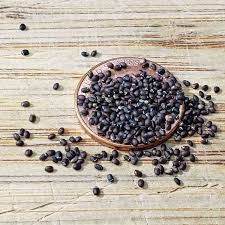
Catnip seeds are tiny things, but they can grow into big, green plants that cats love and people find useful. These seeds come from the catnip plant, which is sometimes called "Nepeta cataria" by scientists. We are going to be learning more about these little seeds and what you can do with them.
Planting Catnip Seeds
Planting catnip seeds is quite easy. You can do it in your garden or even in a pot on your windowsill. Here's how:
1. Choose a Good Spot: Find a sunny place in your garden or a sunny windowsill for your catnip seeds. Catnip likes sunlight.
2. Prepare the Soil: Make the soil nice and soft. You can use a small shovel or your hands to dig a little hole for each seed.
3. Plant the Seeds: Drop the tiny catnip seeds into the holes. You don't need to bury them deep; just cover them lightly with soil.
4. Water Carefully: Give the seeds a gentle drink of water. Don't flood them; they just need a little sip to wake up.
5. Be Patient: Now, wait for the magic to happen. In a few weeks, you'll see tiny green sprouts coming up from the soil.
Cats have a special fondness for catnip, especially when it's in its plant form. When the catnip plant grows from those little seeds, it produces leaves that have a minty smell that drives cats wild with delight. They might roll around, purr, or even try to eat the leaves.
It's like a kitty playground! However, not all cats are affected by catnip. About two-thirds of cats enjoy it, while others don't react much.
What People Can Do with Catnip Seeds
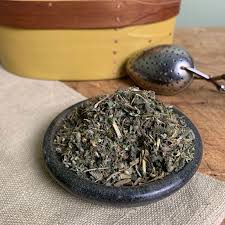
Catnip isn't just for cats; people can enjoy it too! Here are some things you can do with catnip grown from these tiny seeds:
1. Make Tea: Catnip leaves can be dried and used to make a soothing herbal tea. It's caffeine-free and can help you relax.
2. Herbal Remedies: People have used catnip in herbal remedies for things like calming upset stomachs and helping with sleep.
3. Insect Repellent: Catnip plants can keep pesky insects away from your garden because they don't like the smell.
4. Crafts: Some people use dried catnip leaves in crafts, like making sachets or stuffed toys for cats.
5. Cat Entertainment: If you have a cat, growing catnip can provide them with endless entertainment. Just let them play with the plant (under supervision) or give them a catnip-filled toy.
So, these little catnip seeds hold the secret to growing plants that can bring joy to both cats and people. Whether you're a gardener or a cat lover, catnip seeds can be the start of something wonderful. Just remember, it all begins with those tiny seeds and a little bit of sunshine.
Frequently Asked Questions About Catnip Tea
1. What is Catnip Tea?
Catnip tea is a herbal infusion made from the dried leaves and flowers of the Nepeta cataria plant, known for its calming and soothing effects.
2. What are the main benefits of Catnip Tea?
It promotes relaxation, aids digestion, relieves headaches, and supports respiratory and immune health.
3. Can Catnip Tea help with sleep?
Yes, its mild sedative properties make it a natural sleep aid for those suffering from insomnia or restlessness.
4. Is Catnip Tea safe for humans?
Yes, catnip tea is safe for human consumption when taken in moderate amounts.
5. Can Catnip Tea relieve menstrual cramps?
Yes, its antispasmodic effects help relax uterine muscles and ease menstrual pain.
6. Does Catnip Tea help with anxiety?
Yes, it helps calm the nervous system and reduce stress and anxiety levels naturally.
7. How often can I drink Catnip Tea?
It can be consumed once or twice daily, preferably before bedtime for relaxation.
8. Can children drink Catnip Tea?
It is generally safe for older children in small amounts, but consult a pediatrician before giving it to young children.
9. Can pregnant women drink Catnip Tea?
No, it is not recommended during pregnancy as it may stimulate uterine contractions.
10. Does Catnip Tea interact with medications?
It may enhance the effects of sedatives, so consult a healthcare provider before combining it with medication.
11. What does Catnip Tea taste like?
It has a mild, minty flavor with subtle earthy undertones, similar to chamomile and lemon balm.
12. Can Catnip Tea be used for colds and coughs?
Yes, it helps relieve congestion, soothe the throat, and promote faster recovery from mild colds.
Do you have any questions, suggestions, or contributions? If so, please feel free to use the comment box below to share your thoughts. We also encourage you to kindly share this information with others who might benefit from it. Since we can’t reach everyone at once, we truly appreciate your help in spreading the word. Thank you very much for your support and for sharing!
Disclaimer: This article is for educational and informational purposes only. The health benefits described are based on scientific research and traditional knowledge. They are not a substitute for professional medical advice, diagnosis, or treatment. Always consult a healthcare professional before using any herb or natural remedy for medical purposes.
Read Also: All You Need to Know About Black Panther Animal
🌱 Take Your Farming Further With Agric4Profits
Based on what you just read, here are free resources and products from Agric4Profits that can help your farm right now:
- 🛒 Visit Our Marketplace — Organic neem oil, bio-pesticides, seeds and farming products
- 📚 Read Premium Content — Advanced guides for serious and profitable farming
- 🎓 Join Our Free Academy — Structured free training for farmers across Africa
- 🔧 Use Our Free Farm Tools — Profit calculators, feed formulation, pest identifier and more
- 💬 Join Our Farming Community — Connect with farmers across all 54 African countries
- ❓ Ask a Farming Question — Get answers from experienced farmers and agricultural experts
Please cite this content in academic work, research, or publications.