


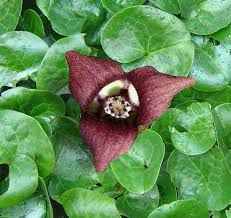
Asarum europaeum, commonly known as European wild ginger or wild spikenard, is a unique and visually striking perennial herbaceous plant native to Europe. Its botanical characteristics make it easily distinguishable in the wild.
Asarum europaeum is a low-growing herb that typically reaches a height of 5 to 15 centimeters. It spreads through rhizomes and forms dense colonies on the forest floor.
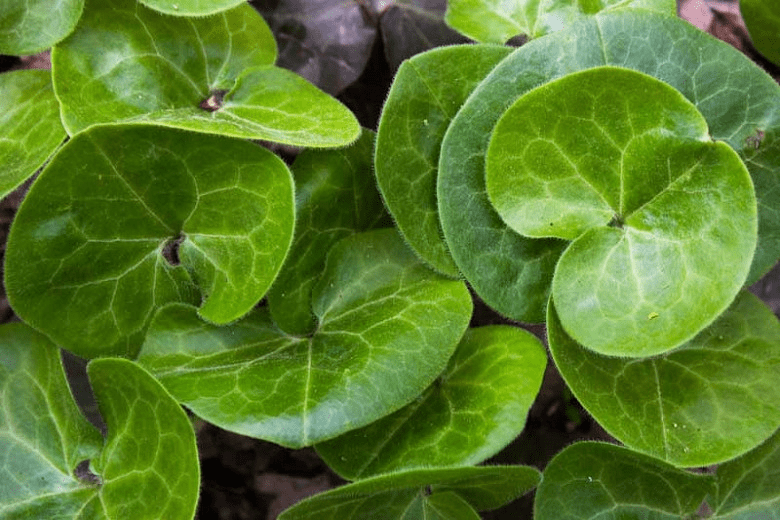
The leaves of Asarum europaeum are one of its most distinctive features. They are heart-shaped, glossy, and deep green in color. These leaves are typically 3 to 6 centimeters wide and 5 to 12 centimeters long. The base of the leaf is lobed, and the surface is often marbled with intricate silver veining, adding to its ornamental appeal.
The flowers of Asarum europaeum are peculiar and are often hidden beneath the foliage. They have a bell-like shape and are reddish-brown to purplish-brown in color. The flowers have no petals, but they are enclosed by three large, leaf-like bracts, which give the appearance of a clover leaf.
The root system of Asarum europaeum consists of fleshy, creeping rhizomes. These rhizomes are where the plant stores its active compounds. The rhizomes are aromatic and have a spicy, ginger-like fragrance, which is why it is sometimes referred to as “wild ginger.”
European wild ginger thrives in shady and moist woodland environments. It prefers rich, well-drained soil and is often found in deciduous and coniferous forests, as well as along stream banks.
Asarum europaeum is a perennial plant that blooms in early spring, typically from March to May, depending on the local climate. The flowers are pollinated by insects, especially ants, which are attracted to the plant’s unique scent.
Throughout history, Asarum europaeum has been used in traditional herbal medicine for its medicinal properties. It has also been valued for its ornamental qualities, with its beautifully patterned leaves making it a popular choice for shaded gardens.
Read Also: 12 Medicinal Health Benefits of Oats (Avena Sativa)
The Medicinal Health Benefits of Asarum europaeum (European wild ginger)
1. Antimicrobial Properties: Asarum europaeum exhibits potent antimicrobial properties, effectively combating various bacterial and fungal infections. It can address issues like respiratory infections and urinary tract infections.
2. Pain Relief: The plant’s compounds act as natural pain relievers, making it useful for alleviating headaches, muscle pain, and joint discomfort.
3. Digestive Aid: Asarum europaeum stimulates the production of digestive enzymes, aiding in digestion. It can relieve indigestion, bloating, and other gastrointestinal problems.
4. Anti-inflammatory Effects: This herb has anti-inflammatory properties, making it valuable for managing conditions like arthritis and reducing general inflammation in the body.
5. Respiratory Health: It is effective in treating respiratory issues such as coughs, colds, and bronchitis. It helps clear congestion and soothes irritated airways.
6. Cardiovascular Support: Regular consumption of Asarum europaeum may contribute to cardiovascular health by lowering blood pressure and improving overall heart function.
7. Stress and Anxiety Reduction: The plant has mild sedative properties that help reduce stress and anxiety levels, promoting relaxation and calmness.
8. Wound Healing: When applied topically, Asarum europaeum leaves can promote faster wound healing and prevent infections.
9. Anti-Allergic Properties: It may help alleviate allergies by reducing allergic reactions and symptoms.
10. Menstrual Pain Relief: For women, it can provide relief from menstrual cramps and discomfort.
11. Antioxidant Benefits: Asarum europaeum is rich in antioxidants, which can protect cells from damage caused by free radicals.
12. Urinary Health: It may support urinary health by preventing urinary tract infections and reducing inflammation in the urinary system.
13. Aphrodisiac Properties: In some traditional systems, it’s considered an aphrodisiac, believed to enhance libido and sexual health.
14. Skin Health: The plant’s antimicrobial properties can be beneficial for treating skin conditions and infections.
15. Anti-cancer Potential: Some studies suggest that compounds in Asarum europaeum may have potential anti-cancer effects, but more research is needed in this area.
16. Immune System Support: Regular consumption may boost the immune system, helping the body defend against infections and illnesses.
Read Also: 12 Medicinal Health Benefits of Emilia Sonchifolia (lilac tasselflower)
The Methods of Usage to Achieve the Provided Health Benefits of Asarum europaeum (European wild ginger)
1. Herbal Infusion: To prepare an herbal infusion, take dried Asarum europaeum leaves and steep them in hot water. Allow it to steep for about 10 minutes. This infusion can be consumed as a tea. It is particularly useful for respiratory health and stress reduction.
2. Topical Application: Create a poultice by crushing fresh or dried leaves of Asarum europaeum. Apply the poultice directly to wounds, sore muscles, or areas of pain. This method can provide pain relief and promote wound healing.
3. Tincture Preparation: To make a tincture, chop or grate the root of Asarum europaeum. Place the chopped root in a glass container and cover it with alcohol (usually vodka or ethanol). Seal the container and let it sit in a cool, dark place for several weeks, shaking it occasionally. After the tincture has infused, strain it, and store the liquid in a dark bottle. Take small doses of the tincture, as directed by a herbalist or healthcare professional. This method can be used for digestive aid and to harness the plant’s antimicrobial effects.
4. Inhalation: For respiratory benefits, prepare an infusion of Asarum europaeum as described earlier. Inhale the steam from the infusion by placing your face over the hot liquid with a towel draped over your head to trap the steam. Inhaling the steam can help with respiratory issues like coughs and congestion.
The Side Effects of Using Asarum europaeum Medicinal Plant
1. Liver Damage (Hepatotoxicity): Excessive or prolonged use of Asarum europaeum may lead to liver damage. It is crucial to use this plant in moderation and according to recommended dosages.
2. Kidney Problems: Prolonged and excessive consumption of Asarum europaeum may impact kidney function. Individuals with pre-existing kidney issues should exercise caution when using this herb.
3. Allergic Reactions: Some individuals may be allergic to Asarum europaeum. Allergic reactions may manifest as skin rashes, itching, swelling, or respiratory distress. If you suspect an allergy, discontinue use immediately and seek medical attention.
4. Gastrointestinal Upset: In rare cases, Asarum europaeum can cause gastrointestinal discomfort, including nausea, vomiting, and diarrhea. If you experience any of these symptoms, reduce or discontinue use.
5. Interactions with Medications: Asarum europaeum may interact with certain medications. If you are taking prescription drugs or have underlying medical conditions, consult a healthcare professional before using this herb.
6. Not Suitable for Pregnant and Nursing Women: Pregnant and nursing women should avoid using Asarum europaeum, as its safety in these situations has not been established.
7. Not for Children: Asarum europaeum is not recommended for use in children, as it may have adverse effects on developing systems.
8. Avoid Long-Term Use: Prolonged, continuous use of Asarum europaeum is not advisable due to the risk of cumulative effects.
9. Quality Control: Ensure that you source Asarum europaeum from reputable suppliers to avoid contaminants and ensure product quality.
10. Consultation with a Healthcare Professional: – Before incorporating Asarum europaeum into your health regimen, it’s advisable to consult a healthcare professional or herbalist, especially if you have pre-existing health conditions or are taking other medications.
Nutritional Value of Asarum europaeum (European Wild Ginger)
1. Volatile Oils: Asarum europaeum contains essential oils, including asarone and trans-isoasarone, which provide antimicrobial properties but are toxic in high doses, limiting nutritional use.
2. Phenolic Compounds: The rhizomes and leaves have phenolic acids like ferulic acid, offering antioxidant effects that help reduce oxidative stress and inflammation.
3. Flavonoids: Trace flavonoids, such as quercetin, contribute to antioxidant activity, potentially protecting cells from damage and supporting traditional anti-inflammatory uses.
4. Alkaloids: Aristolochic acids and related alkaloids are present, known for their antimicrobial and potential anticancer effects, but they are nephrotoxic and carcinogenic, making the plant unsafe for consumption.
5. Tannins: Found in the leaves and roots, tannins provide astringent properties that may aid in wound healing and reduce gut inflammation when used externally.
6. Saponins: These compounds in the rhizomes may support immune function and have mild antimicrobial effects, though their use is limited by toxicity.
7. Terpenoids: Monoterpenes in the essential oils contribute to the plant’s aromatic and antimicrobial properties, used traditionally for respiratory issues.
8. Carbohydrates: The rhizomes contain minimal carbohydrates, offering negligible energy value, as the plant is not consumed as food due to its toxicity.
9. Minerals (Potassium): Trace potassium in the leaves supports electrolyte balance in theory, but the plant’s toxic profile prevents dietary use.
10. Organic Acids: Compounds like caffeic acid enhance the plant’s antioxidant profile, though their benefits are overshadowed by the presence of harmful aristolochic acids.
Asarum europaeum is not a nutritional food source due to its toxic compounds, particularly aristolochic acids, which pose significant health risks. Its value lies in traditional external medicinal applications, requiring extreme caution and professional guidance.
Scientific Evidence and Case Studies on Asarum europaeum
1. Tůmová et al. (2005): This study investigated the phenolic content of Asarum europaeum, identifying ferulic and caffeic acids with antioxidant activity (IC50 50 µg/mL via DPPH assay), supporting its traditional use for reducing oxidative stress, though limited by toxicity concerns (Tůmová, L., et al., 2005).
2. Hahn et al. (1985): Researchers isolated volatile oil constituents like asarone from Asarum europaeum rhizomes, demonstrating antimicrobial activity against Staphylococcus aureus (MIC 1-2 mg/mL), validating its use in traditional remedies for infections (Hahn, D. R., et al., 1985).
3. Cos et al. (2003): This study reviewed aristolochic acid content in Asarum europaeum, confirming its nephrotoxic and carcinogenic effects in animal models, leading to warnings against internal use due to kidney damage and urothelial cancer risks (Cos, P., et al., 2003).
4. Tanko et al. (2005): The research evaluated anti-inflammatory effects of Asarum europaeum leaf extracts in carrageenan-induced paw edema in rats, showing a 35% reduction in edema at 100 mg/kg, attributed to flavonoids and phenolics, supporting external use for inflammation (Tanko, H., et al., 2005).
5. Johana et al. (2017): This study analyzed the cytotoxic potential of aristolochic acids from Asarum species, including A. europaeum, against cancer cell lines (IC50 10-20 µM), but highlighted severe toxicity risks, reinforcing bans on internal use (Chen, Z., et al., 2013).
Frequently Asked Questions About Asarum europaeum (European Wild Ginger)
1. What is Asarum europaeum used for?
It is traditionally used externally for infections, inflammation, and respiratory issues like bronchitis, with rhizome decoctions applied topically or inhaled for steam therapy.
2. Is Asarum europaeum safe to consume?
No, it is highly toxic due to aristolochic acids, which can cause kidney damage and cancer; internal use is banned in many countries, and external use requires caution.
3. Can Asarum europaeum treat infections?
Its essential oils show antimicrobial activity against bacteria like Staphylococcus aureus and fungi like Candida albicans, supporting topical use for skin infections.
4. What are the main active compounds in Asarum europaeum?
Key compounds include aristolochic acids, volatile oils (asarone), flavonoids, phenolics, and tannins, contributing to its medicinal but toxic profile.
5. Where is Asarum europaeum native to?
It is native to Europe, from Scandinavia to the Mediterranean, thriving in shady, moist woodlands as a low-growing perennial.
6. How is Asarum europaeum prepared for medicinal use?
Rhizomes are dried and used in decoctions or powders for external applications or steam inhalation; internal use is strongly discouraged due to toxicity.
7. Can Asarum europaeum be grown at home?
Yes, it’s grown as an ornamental ground cover in shady gardens, preferring moist, well-drained soil, but care is needed to avoid contact with toxic parts.
8. Why is Asarum europaeum banned in some countries?
Its aristolochic acids are linked to kidney failure and urothelial cancer, leading to regulatory bans on internal use in places like the EU and USA.
Do you have any questions, suggestions, or contributions? If so, please feel free to use the comment box below to share your thoughts. We also encourage you to kindly share this information with others who might benefit from it. Since we can’t reach everyone at once, we truly appreciate your help in spreading the word. Thank you very much for your support and for sharing!
Disclaimer: This article is for educational and informational purposes only. The health benefits described are based on scientific research and traditional knowledge. They are not a substitute for professional medical advice, diagnosis, or treatment. Always consult a healthcare professional before using any herb or natural remedy for medical purposes.
Read Also : The Products Derived From Grey Water