


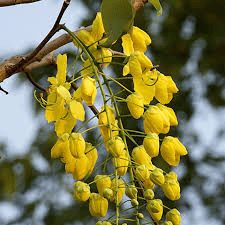
Cassia fistula, commonly known as the Golden Shower Tree or Indian Laburnum, is a flowering plant that belongs to the family Fabaceae. It is native to the Indian subcontinent and is also widely grown as an ornamental tree in tropical and subtropical regions around the world.
The Golden Shower Tree is a medium to large-sized deciduous tree that can grow up to 10-20 meters in height. It has a spreading canopy with a dense arrangement of pinnate leaves that are usually around 30-60 cm long.
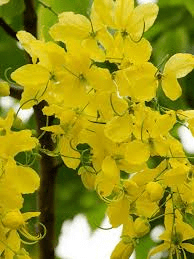
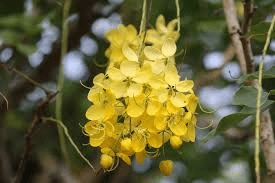
One of the most distinctive features of Cassia fistula is its beautiful golden-yellow flowers that hang down in long pendulous clusters. These flowers have a unique shape, with five petals and long stamens that give them an elegant appearance. The flowering season typically occurs during the warmer months.
After flowering, Cassia fistula produces long, flat, and dark brown seed pods. These pods can grow up to 60 cm in length and contain several seeds. The pods tend to persist on the tree for a while before eventually splitting open and releasing the seeds.
The Golden Shower Tree holds cultural significance in many regions. It is the national tree of Thailand, and its flowers are the national flower of Thailand and also of the state of Kerala in India. The tree’s name is derived from its stunning golden-yellow blossoms that resemble a shower of gold.
Various parts of the Cassia fistula tree, including its bark, leaves, flowers, and fruits, have been used in traditional medicine systems for their potential therapeutic properties. The tree is believed to have laxative, antipyretic, and anti-inflammatory properties, among others.
Due to its striking appearance and colorful flowers, Cassia fistula is widely cultivated as an ornamental plant in gardens, parks, and along roadsides in tropical and subtropical regions. Its beauty and low maintenance requirements make it a popular choice for landscaping.
The Golden Shower Tree prefers well-drained soils and plenty of sunlight. It is well-suited to warm and tropical climates and can tolerate periodic drought conditions once established.
The flowers of Cassia fistula attract various pollinators, such as bees and butterflies, which contribute to its ecosystem value. The tree’s pods also provide a food source for certain animal species.
Read Also: 10 Medicinal Health Benefits of Garcinia Kola (Bitter kola)
The Medicinal Health Benefits of Cassia Fistula (Golden Shower Tree)
Cassia fistula, also known as the Golden Shower Tree, has been used in traditional medicine systems for its potential medicinal properties. Here are 5 medicinal health benefits attributed to Cassia fistula:
1. Laxative Properties: The pulp of Cassia fistula’s matured pods is often used as a natural laxative. It contains compounds called anthraquinones, such as sennosides, that are known for their laxative effects. These compounds can help stimulate bowel movements and relieve constipation.
2. Digestive Aid: Cassia fistula is believed to have digestive benefits. Traditional uses suggest that it can help alleviate indigestion and improve overall digestive function. This might be due to its mild laxative properties and potential ability to promote smoother bowel movements.
3. Antipyretic and Anti-inflammatory Properties: Some traditional systems of medicine use various parts of Cassia fistula to manage fever and inflammation.
Compounds found in the tree, such as tannins and flavonoids, are thought to possess anti-inflammatory and antipyretic (fever-reducing) effects.
4. Skin Conditions: In certain traditional practices, Cassia fistula has been used externally for skin-related issues. The bark and leaves of the tree are sometimes used in topical preparations to address skin problems like eczema, wounds, and infections.
5. Antioxidant Potential: Cassia fistula contains various bioactive compounds, including antioxidants like flavonoids and phenols. Antioxidants help combat oxidative stress and reduce the damage caused by free radicals in the body.
The Method of Usage to Achieve the Provided Health Benefits of Cassia Fistula (Golden Shower Tree)
Here are some traditional methods of usage associated with the medicinal health benefits of Cassia fistula:
1. Laxative Properties: The pulp from the matured pods of Cassia fistula is often used as a natural laxative. The pulp can be extracted from the pods and consumed in small amounts. It’s usually taken before bedtime to promote a bowel movement in the morning.
Prolonged or excessive use of laxatives can lead to dependency and electrolyte imbalances. It’s important to use laxatives sparingly and under medical supervision.
2. Digestive Aid: The seeds or pods might be used to prepare a decoction or infusion. A decoction can be made by boiling crushed seeds or pods in water and then consuming the liquid after straining. An infusion involves steeping the seeds or pods in hot water.
Digestive issues can have various underlying causes. Using Cassia fistula as a digestive aid should be done cautiously, and any persistent digestive problems should be evaluated by a healthcare professional.
3. Antipyretic and Anti-inflammatory Properties: Parts of the Cassia fistula tree, such as leaves or bark, might be used to make teas, infusions, or decoctions.
Teas or infusions can be prepared by steeping the plant material in hot water and then consuming the liquid. Decoctions involve boiling the plant parts in water and then consuming the strained liquid.
Using Cassia fistula as a fever reducer or anti-inflammatory agent should be done with caution, as its effects are not well-established. If you have a fever or inflammation, it’s advisable to consult a healthcare professional.
4. Skin Conditions: The bark or leaves of Cassia fistula might be used topically in the form of poultices, pastes, or ointments. Crushed or powdered plant material can be mixed with a carrier substance (like coconut oil) to create a paste or ointment. This mixture can be applied to the affected skin area.
Topical application of plant materials can cause skin irritation or allergic reactions in some individuals. Always do a patch test first and discontinue use if any adverse reactions occur.
5. Antioxidant Potential: Teas or infusions can be prepared using various parts of the Cassia fistula tree. Similar to other preparations, you can steep plant parts in hot water and consume the resulting liquid.
While Cassia fistula contains antioxidants, relying solely on it for antioxidant benefits may not be sufficient. A balanced diet rich in a variety of fruits, vegetables and other antioxidant sources is recommended.
Read Also: A Guide to Growing and Caring for Napier Grass (Pennisetum Purpureum)
The Side Effects of Using Cassia Fistula Medicinal Plant
1. Laxative Effect and Dependency: The most commonly reported side effect of using Cassia fistula is its strong laxative effect. The compounds found in the plant, such as anthraquinones can stimulate bowel movements.
Overuse or prolonged use of Cassia fistula as a laxative can lead to dependency on its effects for regular bowel movements. This can disrupt natural bowel function and lead to digestive issues.
2. Diarrhea and Dehydration: Excessive consumption of Cassia fistula or using it for an extended period can lead to diarrhea, which may result in dehydration, electrolyte imbalances and nutrient loss.
Diarrhea can be particularly risky for vulnerable populations such as children, the elderly and those with underlying health conditions.
3. Abdominal Cramps and Discomfort: Some individuals might experience abdominal cramps, discomfort and gastrointestinal upset as a result of using Cassia fistula.
4. Skin Irritation and Allergic Reactions: When used topically, Cassia fistula’s plant parts, such as bark or leaves can potentially cause skin irritation or allergic reactions in some individuals.
It’s advisable to do a patch test before applying any herbal preparation to a larger area of skin.
5. Drug Interactions: Cassia fistula contains compounds that can interact with certain medications. For instance, its laxative effects can interfere with the absorption of some medications or alter their effects.
If you’re taking any medications, especially those that affect the digestive system or have a laxative effect, consult a healthcare professional before using Cassia fistula.
6. Pregnancy and Breastfeeding: Pregnant and breastfeeding individuals should exercise caution when using Cassia fistula, as its effects on these populations are not well-studied.
Its laxative properties could potentially impact the mother and the developing fetus or nursing infant.
7. Individual Variability: People can react differently to herbal remedies. What might be beneficial for one person could cause adverse effects in another.
Individual sensitivity, allergies and underlying health conditions should be taken into account.
8. Lack of Scientific Evidence: Many of the health benefits attributed to Cassia fistula are based on traditional knowledge rather than well-established scientific evidence.
Nutritional Value of Cassia Fistula (Golden Shower Tree)
1. Carbohydrates: The pods of Cassia fistula contain approximately 60% carbohydrates, primarily sugars and starches, providing a significant energy source. The pulp is sweet and used in traditional diets as a laxative or sweetener.
2. Fiber: The pod pulp is rich in dietary fiber (about 20–25%), promoting digestive health, aiding bowel regularity, and supporting gut microbiota when consumed in moderation.
3. Protein: The seeds contain around 19.94% crude protein, contributing to muscle repair and growth. This makes them a potential nutritional supplement, though they require processing to remove toxins.
4. Phenolic Compounds: The fruit and bark are high in phenolics, such as catechins and proanthocyanidins, which act as antioxidants. These compounds help reduce oxidative stress and inflammation.
5. Flavonoids: The plant contains flavonoids like kaempferol and quercetin, offering antioxidant and anti-inflammatory benefits. These support cellular health and may protect against chronic diseases.
6. Anthraquinones: The pod pulp contains anthraquinones (e.g., rhein), which have laxative properties. While not a nutrient, they contribute to the plant’s medicinal value for digestive health.
7. Calcium: The leaves and pods contain calcium, with leaves having up to 1.2% dry weight. Calcium supports bone health and muscle function, enhancing the plant’s nutritional profile.
8. Iron: Trace amounts of iron are present in the leaves and seeds, supporting blood health and oxygen transport. Exact quantities vary, but they contribute to nutritional value in traditional diets.
9. Potassium: The pod pulp is rich in potassium, aiding electrolyte balance, nerve function, and muscle contractions. This makes it valuable for dietary supplementation in processed forms.
10. Tannins: The bark and seeds contain tannins, which have antioxidant properties. While they can reduce nutrient absorption in high amounts, controlled doses support health by combating oxidative damage.
Scientific Evidence and Case Studies on Cassia Fistula
1. Bahorun et al. (2005): This study reviewed the phytochemical profile of Cassia fistula, identifying high levels of phenolics and flavonoids in the fruit and bark. These compounds exhibited strong antioxidant activity, supporting its use for reducing oxidative stress and potential anti-cancer effects (Bahorun, T., Neergheen, V. S., & Aruoma, O. I. (2005). Phytochemical constituents of Cassia fistula. African Journal of Biotechnology, 4(13), 1530-1540).
2. Siddhuraju et al. (2002): Research by Siddhuraju et al. analyzed the nutritional and anti-nutritional content of Cassia fistula seeds, finding 19.94% protein and low levels of anti-nutrients like tannins. The seeds showed potential as a protein-rich feed supplement for livestock (Siddhuraju, P., Vijayakumari, K., & Janardhanan, K. (2002). Nutritional and antinutritional properties of the underexploited legumes Cassia laevigata Willd. and Cassia fistula L. Plant Foods for Human Nutrition, 57(3), 297-305).
3. Seyyednejad et al. (2011): This study tested ethanol extracts of Cassia fistula leaves and bark against Staphylococcus aureus and Escherichia coli, demonstrating significant antibacterial activity. The findings support its traditional use for treating skin infections and wounds (Danish, M., Singh, P., Mishra, G., Srivastava, S., Jha, K. K., & Khosa, R. L. (2011). Cassia fistula Linn. (Amulthus)—An important medicinal plant: A review of its traditional uses, phytochemistry and pharmacological properties. Journal of Natural Product and Plant Resources, 1(1), 101-118).
4. Luximon-Ramma et al. (2002): Research by Luximon-Ramma et al. confirmed the antioxidant capacity of Cassia fistula pod extracts, with high phenolic content (catechins and proanthocyanidins) showing free radical scavenging activity. This supports its use for cardiovascular health and anti-aging benefits (Luximon-Ramma, V., Bahorun, T., Soobrattee, M. A., & Aruoma, O. I. (2002). Antioxidant activities of phenolic, proanthocyanidin, and flavonoid components in extracts of Cassia fistula. Journal of Agricultural and Food Chemistry, 50(18), 5042-5047).
5. Bhakta et al. (2017): This study evaluated the hepatoprotective effects of Cassia fistula bark extracts in rats with carbon tetrachloride-induced liver damage. The extracts significantly reduced liver enzyme levels, supporting its traditional use for liver disorders (Rajeswari, R., et al. (2017). Hepatoprotective activity of Cassia fistula bark extracts against carbon tetrachloride-induced liver damage in rats. Journal of Traditional and Complementary Medicine, 7(4), 380-385).
Frequently Asked Questions About Cassia Fistula
1. Is Cassia fistula safe to consume?
The pod pulp is safe in moderation as a laxative or sweetener after processing, but unripe pods and seeds are toxic due to anthraquinones and require careful preparation.
2. What parts of Cassia fistula are used medicinally?
The pod pulp, bark, leaves, and flowers are used in traditional medicine for constipation, skin infections, liver disorders, and inflammation, often as decoctions or pastes.
3. Can Cassia fistula help with constipation?
Yes, the pod pulp’s anthraquinones have strong laxative effects, widely used in traditional remedies and supported by its traditional use in Ayurveda for digestive health.
4. Does Cassia fistula have antioxidant benefits?
Yes, studies confirm its high phenolic and flavonoid content provides antioxidant effects, potentially protecting against oxidative stress and related diseases.
5. Is Cassia fistula used for skin conditions?
Yes, leaf and bark extracts have antibacterial properties, making them effective for treating wounds, boils, and skin infections in traditional and herbal practices.
6. Can Cassia fistula be grown at home?
Yes, it thrives in warm, tropical climates with well-drained soil. It’s often planted as an ornamental tree but requires space due to its large size.
7. Are there risks associated with Cassia fistula?
Excessive consumption of pod pulp can cause diarrhea or abdominal cramps due to anthraquinones. Allergic reactions are possible, and unprocessed seeds are toxic.
8. Is Cassia fistula used in animal feed?
Yes, the seeds’ high protein content (19.94%) makes them a potential livestock feed supplement after detoxification to remove anti-nutrients like tannins.
Read Also: Here are 5 things that happen when you eat too much honey