


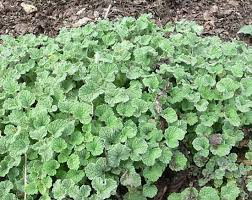
Horehound also known as Marrubium vulgare, is a small flowering perennial plant closely related to mint and belonging to the same family. It shares many of the same health advantages as other family members, making it a crucial plant in several conventional medical procedures.
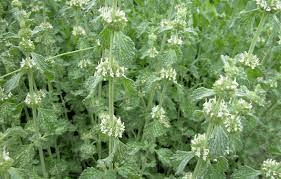
The plant is relatively little, only reaching a height of 18 inches, and has small leaves with short hairs on them. Along with the leaves, the white blooms of this plant can also be utilized to extract essential oils.
Though they are related, this plant has both culinary and medical purposes. For instance, it can be used to create candies or throat lozenges, which are used to treat sore throats.
It’s thought that horehound has been used medicinally since the first century B.C. In his medical treatise titled De Medicina, the Roman encyclopaedist Aulus Cornelius Celsus cites horehound as a natural cure for respiratory issues.
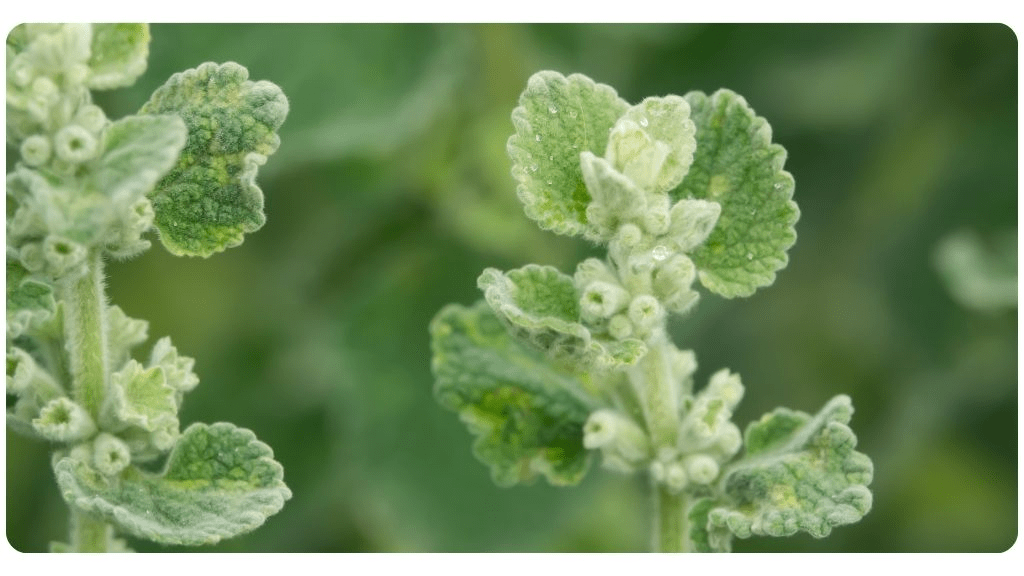
The leaves of the M. Vulgare plant have soft, fine hairs and are wrinkled. This herb may flourish in a wide range of climatic conditions. However, others contend that the best produce is cultivated in the scorching desert climate.
One of the pungent herbs occasionally used in Passover meals is horehound. Additionally, it has been utilized in drinks. Although the plant spreads quickly and is considered an invasive weed in some regions of the world, its advantages greatly outweigh this negative trait.
The plant is indigenous to Europe and some regions of Asia, but it has spread worldwide and is now found all throughout the Americas.
White horehound is a very potent plant that is fairly well-liked by herbalists and others who utilize alternative medicine due to the combination of special organic components in the oil.
In particular, Marubeni, one of the volatile substances found in white horchata, has remarkable effects on diabetes and a number of other health conditions. Let’s examine these health advantages of white horde now in more detail.
Despite being a highly helpful herb for generations of users and practitioners of alternative medicine, there are a few health issues. When taken in excess, white horehound’s effects on the heart can become dangerously strong and could result in irregularities and arrhythmias.
White horehound can also make ulcers or other significant gastrointestinal problems worse for individuals who already have them.
Horehound should also be avoided by women who are expecting or nursing since the intense combination of chemicals and compounds may be harmful to unborn children.
Read Also: 5 Health Benefits of Wild Yam (Dioscorea villosa)
Health Benefits of Horehound (Marrubium vulgare)
1. Helps To Relief Cough
Horehound is a common ingredient in herbal lozenges and syrups that are used to cure coughs naturally. This herb is used in these herbal cough cures for a good reason. It contains diterpenes, which are naturally occurring plant substances, as I just explained.
More specifically, a diterpene by the name of marrubium is its main chemical constituent. We can probably thank marrubium for the expectorant properties of the horehound. In other words, a horehound can aid those who suffer from coughs in clearing their airways of foul mucus.
Additionally, studies have revealed that horehound possesses antispasmodic and analgesic (pain-relieving) properties. These are two additional reasons why it works wonders as a natural cough suppressant.
2. Aids Digestion
Horehound’s bitter flavor, according to researchers, is caused by Marubeni. Horehound is said to be one of the bitter herbs mentioned in the Bible, along with items like endive and horseradish. Because bitter-tasting plants have been demonstrated to help in treating dyspepsia, commonly known as indigestion or upset stomach, they are a great choice for enhancing digestion.
Why do bitter foods support a healthy digestive system? The bitterness of some herbs actually stimulates the production of the stomach and salivary fluids. You want this when you eat since these vital body fluids aid in the digestion of the food you consume.
The stomach, liver, gallbladder, and pancreas are just a few of the digestive organs that experts like a nutritionist, naturopaths, and herbalist Kirsten Shanks claim are stimulated and toned by the “bitter reaction,” which has formed over time.
If you have digestive issues, bitter foods like hordeolum are a fantastic option. You’re considerably less likely to experience digestive issues like indigestion and gas when your food is properly broken down.
3. Remedy For Motion Sickness
The movement of a car, boat, or plane might cause motion sickness symptoms in certain people. Usually, motion sickness will go away after the motion is stopped. But many people who frequently experience motion sickness are interested in all-natural alternatives to alleviate their nausea.
Sadly, there hasn’t been any current scientific research on black horehound, despite the fact that it has long been used as a folk treatment for motion sickness. One to two milliliters of the tincture is the suggested serving size. Alternatively, use one to two teaspoons of tea made from steeped leaves, taken three times a day.
Read Also: 3 Health Benefits of Mugwort (Artemisia vulgaris)
4. Bronchitis
It acts as an expectorant herb. When it comes to relieving severe bronchitis congestion, Vulgare can be a highly beneficial treatment. The bronchial tubes (which convey air to your lungs) become irritated when you have bronchitis. The cough that results from this irritation can frequently be severe and protracted.
Horehound can be useful because it has been shown to support vasodilatory effects in addition to acting as an expectorant (helping to get mucus up).
Vasodilation is the widening of blood vessels caused by the smooth muscle within the blood vessels relaxing. An improved flow of oxygenated blood is the effect of this.
5. Regulates Cholesterol
When taken frequently, even little amounts of white hors d’oeuvre extract can significantly lower blood cholesterol levels. It effectively maintains a balance in your cholesterol levels by getting rid of bad cholesterol and preventing plaque buildup in your heart.
White horehound extract can assist in reducing the risk of heart attacks and strokes, both of which are made worse by excessive cholesterol, by defending arteries and avoiding atherosclerosis.
6. Boosts Immunity
White horehound is a natural health enhancer since it has specific antibacterial and antimicrobial qualities. White horehound can lessen the strain on your immune system and keep it ready for more serious health issues by defending it from viruses and foreign invaders. For this reason, White Horehound is frequently used in candies, mouthwashes, and toothpaste.
Read Also: 7 Unique Health Benefits of Chicory Roots (Cichorium Intybus)
Nutritional value of Horehound (Marrubium vulgare)
1. Flavonoids: Horehound contains significant levels of flavonoids such as quercetin and rutin, which act as powerful antioxidants to protect cells from oxidative damage and support overall cellular health.
These compounds contribute to the plant’s anti-inflammatory properties and help combat free radicals in the body.
2. Phenolic acids: Various phenolic acids are present, including those identified in hydroethanolic extracts, providing strong antioxidant effects and aiding in reducing oxidative stress.
They support immune function and may help prevent chronic disease development through their protective roles.
3. Marrubiin: This key diterpene, a bitter lactone and chemotaxonomic marker of the plant, offers bitter principles that stimulate digestion and contribute to the herb’s traditional medicinal value.
It plays a central role in many of the plant’s pharmacological activities.
4. Essential oils: Components like E-caryophyllene and germacrene D in the essential oil provide aromatic and antimicrobial benefits, supporting respiratory and antimicrobial actions.
These volatile compounds enhance the plant’s traditional use in teas and inhalations.
5. Polyphenols: High total phenolic content contributes to potent antioxidant activity, helping neutralize free radicals and support anti-aging effects at the cellular level.
They are abundant in leaf extracts and aid in overall health protection.
6. Vitamins (A, B, C, E): The herb supplies vitamins including A, B-complex, C, and E, which bolster immune function, skin health, and energy metabolism.
These nutrients enhance the plant’s role as a supportive dietary herb.
7. Minerals (iron, potassium): Essential minerals like iron for blood health and potassium for heart and muscle function are found in the composition.
They contribute to basic nutritional support when consumed moderately.
8. Tannins: Astringent tannins aid digestion, reduce inflammation in the gut, and provide protective effects on mucous membranes.
They support traditional uses for gastrointestinal comfort.
9. Amino acids: Presence of various amino acids supports protein synthesis and overall metabolic processes.
They add to the plant’s broad nutritional profile.
10. Ursolic acid: A notable triterpene in some analyses, offering anti-inflammatory and potential metabolic benefits.
It contributes to antioxidant and protective effects observed in studies.
Scientific Evidence and Case Studies on Horehound (Marrubium vulgare)
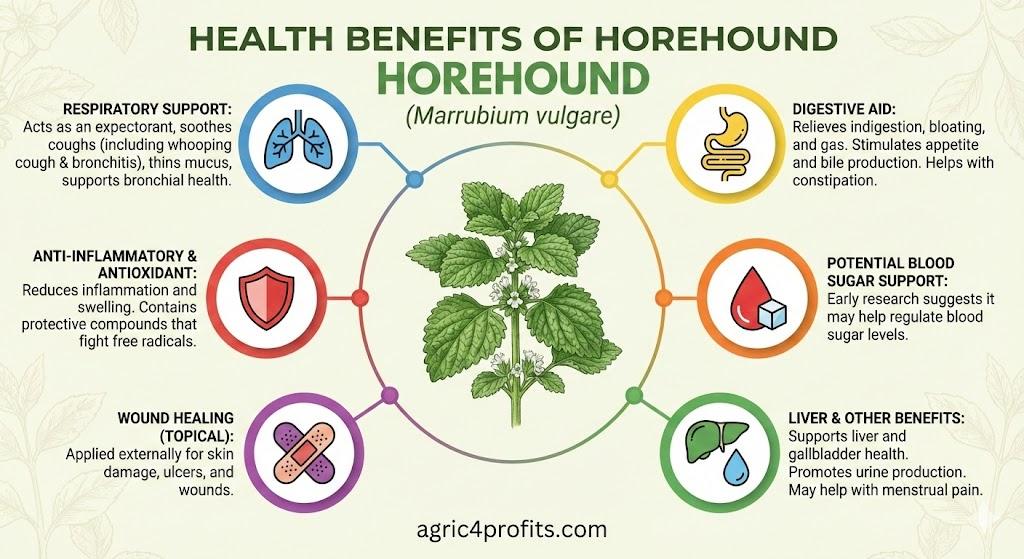
1. Antioxidant and wound healing properties: Amri et al. (2017) demonstrated that Marrubium vulgare leaf extract exhibits strong antioxidant activity and promotes wound healing through phytochemicals like marrubiin and flavonoids.
2. Anti-diabetic effects: Boudjelal et al. (2012) showed compositional analysis and in vivo anti-diabetic activity of wild Algerian Marrubium vulgare, with methanolic extracts ameliorating hyperglycemia in models.
3. Hepatoprotective activity: Ettaya et al. (2016) found that white horehound extract protects against cyclophosphamide-induced liver toxicity in male rats, reducing oxidative stress.
4. Gastroprotective effects: Studies (e.g., 2011 in vivo research) indicated Marrubium vulgare extracts and marrubiin stimulate mucus production and reduce acid secretion for gastroprotection.
5. Protective effects on skin cells: Recent research (2024) on Polish-grown horehound showed the extract protects fibroblasts and keratinocytes from oxidative damage, with antioxidant and antimicrobial potential.
6. Antihypertensive and cardiovascular benefits: Berrougui et al. (2006) reported Marrubium vulgare extract inhibits LDL oxidation and enhances cholesterol efflux, supporting heart health.
7. Anti-proliferative effects: Extracts demonstrated activity against colorectal cancer cells in research, linked to anti-inflammatory properties.
8. Antimicrobial activity: Zarai et al. (2011) evaluated essential oil for antibacterial, antifungal, and cytotoxic properties, confirming efficacy against pathogens.
Summary of Horehound (Marrubium vulgare)
| Aspect | Details |
|---|---|
| Plant Description | Perennial herb in Lamiaceae family, native to Europe, North Africa, Western Asia; grows 1-2 feet with wrinkled, hairy leaves and white flowers. |
| Traditional Uses | Primarily for respiratory issues like coughs, bronchitis; also digestive aid, anti-inflammatory, and immune support. |
| Key Phytochemicals | Marrubiin (bitter diterpene), flavonoids (quercetin, rutin), phenolic acids, essential oils, tannins, polyphenols, vitamins (A, B, C, E), minerals. |
| Health Benefits Listed | Respiratory relief, digestive support, anti-inflammatory, antioxidant, blood sugar regulation, immune boost, antispasmodic, liver protection, skin health, and more (up to 24 mentioned with overlaps). |
| Preparation Methods | Teas, tinctures, capsules, topical applications, essential oil uses. |
| Safety Notes | Generally safe in moderation; caution in pregnancy, with medications, allergies; potential side effects like GI upset or hypotension. |
Frequently Asked Questions About Horehound (Marrubium vulgare)
1. What is horehound used for traditionally?
Horehound is mainly used for coughs, colds, bronchitis, and digestive issues like indigestion and gas.
2. How do I prepare horehound tea?
Steep 1-2 teaspoons of dried leaves in hot water for 5-10 minutes; strain and drink up to 3 times daily.
3. Is horehound safe during pregnancy?
Avoid during pregnancy and breastfeeding due to limited safety data and potential risks; consult a healthcare provider.
4. Can horehound help with blood sugar control?
Some animal studies suggest hypoglycemic effects, but human evidence is limited; not a substitute for diabetes medication.
5. What are the main side effects?
Possible GI discomfort, allergic reactions, lowered blood pressure, or drowsiness in high doses; use moderately.
6. Does horehound interact with medications?
It may interact with blood pressure, diabetes, or heart medications; check with a doctor before use.
7. Is horehound edible beyond medicinal use?
Yes, sparingly as flavoring in candies or teas, but it’s bitter and not typically consumed as regular food.
8. How should I store dried horehound?
Keep in an airtight container in a cool, dark place to preserve potency.
9. Can children use horehound?
Use with caution and only in small amounts after consulting a pediatrician; avoid in young children.
10. Where does horehound grow best?
It thrives in dry, sunny, well-drained soils; often found in disturbed areas or cultivated in gardens.
Read Also: Control of Airborne Microorganisms