


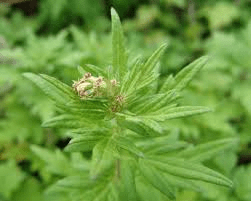
Artemisia vulgaris, commonly known as mugwort, is a versatile medicinal plant that has been utilized for centuries in traditional herbal medicine. Native to Europe and Asia, mugwort belongs to the Asteraceae family and is known for its distinctive silvery-green leaves and aromatic scent.
The English of Artemisia vulgaris is Mugwort, Spanish name is Artemisa común, German name is Beifuß, Assenzio comune is the Italian name, Losna in Portuguese and बड़ियां (Badiyan) in Hindi.
In traditional medicine, mugwort has been used for various purposes due to its potential therapeutic properties. It contains essential oils, flavonoids, and other bioactive compounds that contribute to its medicinal value. Mugwort has been used to alleviate digestive discomfort, stimulate appetite, and aid in the digestion process.
It is often consumed as a tea or used as a culinary herb in some cultures. In traditional practices, mugwort is believed to support women’s reproductive health. It’s sometimes used to relieve menstrual cramps and irregularities, though scientific evidence is limited in this area.
Mugwort is thought to have mild sedative properties that can promote relaxation and help improve sleep quality. It is sometimes used in herbal blends or as an essential oil for aromatherapy purposes. Topical applications of mugwort, such as poultices or creams, have been used to address skin issues like itching, inflammation, and minor wounds.
Artemisia vulgaris anti-inflammatory and antioxidant properties are believed to contribute to these effects. Mugwort has been used in traditional practices such as moxibustion, where dried mugwort leaves are burned on specific acupuncture points on the body.
This technique is thought to stimulate energy flow and promote overall wellness. Mugwort is sometimes used in culinary dishes, particularly in Asian cuisine. Its leaves can be used as a seasoning for various dishes, and its unique flavor adds depth to certain recipes.
The Medicinal Health Benefits of Artemisia vulgaris (Mugwort)
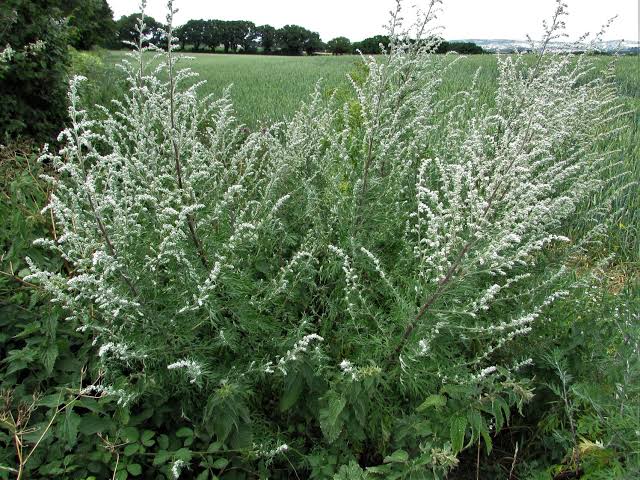
1. Digestive Aid: Mugwort is thought to have digestive benefits, aiding in soothing various gastrointestinal discomforts. For instance, it might help alleviate indigestion, bloating, and gas. The bitter compounds in mugwort can stimulate the production of digestive enzymes and promote better digestion. Consuming mugwort tea or incorporating it into a meal might provide relief to individuals experiencing digestive issues.
2. Menstrual Support: Artemisia vulgaris has been traditionally used to ease menstrual symptoms, including cramps and irregular cycles. Some women believe that drinking mugwort tea can help regulate their menstrual cycle and reduce the intensity of cramps. The plant is sometimes used in herbal remedies aimed at supporting women’s reproductive health.
3. Sleep and Relaxation: Mugwort is said to possess mild sedative properties that could aid in relaxation and sleep. People who struggle with insomnia or restlessness might turn to mugwort as a natural remedy to improve sleep quality. Drinking a cup of mugwort tea before bedtime or using mugwort-infused essential oils in aromatherapy could potentially promote relaxation.
4. Skin Health: The anti-inflammatory and antioxidant compounds found in Artemisia vulgaris suggest potential benefits for skin health. Mugwort might be used in topical applications to alleviate skin irritations, such as itching, rashes, or minor wounds. Creating a poultice from crushed mugwort leaves and applying it to the affected area could help soothe skin discomfort.
5. Traditional Healing Practices: Mugwort is integral to traditional practices like moxibustion, where dried mugwort leaves are burned near specific acupuncture points on the body. This technique is believed to stimulate circulation and energy flow. While scientific evidence supporting its efficacy is limited, some individuals continue to use moxibustion for various health concerns.
6. Culinary Use: Artemisia vulgaris is occasionally used as a culinary herb, particularly in Asian cuisines. The leaves might be added to soups, stews, or rice dishes to enhance flavor and impart a unique aroma. Culinary use might also offer trace amounts of the plant’s potential bioactive compounds.
Read Also: Cucumber Fruits: Economic Importance, Uses and By-Products
The Methods of Usage to Achieve the Provided Medicinal Health Benefits of Artemisia vulgaris (Mugwort)
1. Digestive Aid: Prepare mugwort tea by steeping dried mugwort leaves in hot water for about 5-10 minutes. Strain and drink the tea before or after meals. The bitter compounds in mugwort stimulate the digestive system, promoting the production of digestive enzymes and helping with digestion. Consuming mugwort tea before or after meals can aid in reducing indigestion, bloating, and gas.
2. Menstrual Support: Brew mugwort tea using dried leaves. Consume a cup of this tea a few days before and during your menstrual cycle. The potential muscle-relaxing properties of mugwort could help alleviate menstrual cramps. Drinking mugwort tea might also contribute to hormonal balance and regulate menstrual cycles, providing relief from irregularities.
3. Sleep and Relaxation: Prepare a calming mugwort-infused herbal tea by steeping dried mugwort leaves in hot water for 10-15 minutes. Drink it before bedtime. The mild sedative properties of mugwort could help induce relaxation and improve sleep quality. Drinking mugwort tea in the evening might promote a sense of calmness, making it easier to fall asleep.
4. Skin Health: Create a poultice by crushing fresh or dried mugwort leaves and mixing them with a small amount of water to form a paste. Apply the paste to the affected area and cover with a clean cloth. The anti-inflammatory and antioxidant properties of mugwort can soothe skin irritations. Applying a mugwort poultice to rashes, itching, or minor wounds might help reduce inflammation and promote healing.
5. Traditional Healing Practices: Undergo moxibustion therapy with a trained practitioner. Dried mugwort leaves are rolled into cones or sticks and burned near specific acupuncture points on the body. Moxibustion with mugwort is believed to stimulate energy flow, improve blood circulation, and promote overall wellness. This traditional practice is often used in conjunction with acupuncture for various health concerns.
6. Culinary Use: Incorporate fresh or dried mugwort leaves into your cooking. Add them to soups, stews, rice dishes, or salads to enhance flavor. Culinary use of mugwort adds a unique aroma and flavor to dishes. While the amounts used in cooking might not provide substantial medicinal effects, it can still offer trace nutrients and compounds.
Read Also: 15 Medicinal Health Benefits of Broussonetia Papyriferra (Paper Mulberry)
The Side Effects of Using Artemisia vulgaris Medicinal Plant
1. Allergic Reactions: Individuals who are allergic to plants in the Asteraceae family (such as ragweed, marigolds, and daisies) may also be allergic to mugwort. Allergic reactions can manifest as skin irritation, itching, redness, or respiratory symptoms like sneezing, coughing, or difficulty breathing.
2. Skin Sensitivity: When applied topically, mugwort may cause skin sensitivity or irritation in some individuals. It’s advisable to perform a patch test before applying mugwort-based preparations to larger areas of the skin.
3. Pregnancy and Breastfeeding: Pregnant or breastfeeding individuals should avoid using mugwort in any form, as it may affect hormonal balance and potentially lead to uterine contractions.
4. Interaction with Medications: Mugwort might interact with certain medications, particularly those affecting blood clotting or blood sugar levels. It’s important to consult a healthcare professional if you are taking medications before using mugwort as a herbal remedy.
5. Digestive Distress: In some cases, consuming mugwort tea or supplements might lead to gastrointestinal discomfort such as stomach upset, nausea, or diarrhea.
6. Neurological Effects: High doses of mugwort can potentially lead to neurological symptoms such as dizziness, headaches, or confusion.
7. Photosensitivity: Some individuals may experience heightened sensitivity to sunlight after using mugwort, leading to an increased risk of sunburn.
8. Cross-Reactivity: If you have allergies to other plants in the Asteraceae family, there’s a chance of cross-reactivity and allergic reactions when using mugwort.
Nutritional Value of Artemisia vulgaris (Mugwort)
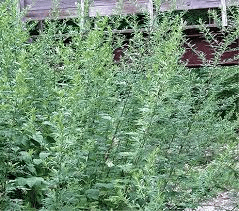
1. Carbohydrates: The leaves and stems of Artemisia vulgaris contain carbohydrates, primarily in the form of dietary fiber and small amounts of sugars. These provide energy and support digestive health when consumed in processed forms like teas or cooked dishes.
2. Fiber: Mugwort leaves are a source of dietary fiber, which aids digestion, promotes regular bowel movements, and may support gut health. Fiber content is notable in dried leaves used for culinary purposes.
3. Essential Oils: The plant contains volatile oils like cineole, camphor, and thujone, which contribute to its aromatic properties. While not a primary nutrient, these oils may offer antimicrobial benefits when used in moderation.
4. Flavonoids: Artemisia vulgaris is rich in flavonoids such as quercetin and rutin, which act as antioxidants. These compounds help reduce oxidative stress and inflammation, supporting overall health.
5. Phenolic Acids: The plant contains phenolic acids, which contribute to its antioxidant properties. These compounds may protect cells from damage and support cardiovascular health when consumed as part of a balanced diet.
6. Sesquiterpene Lactones: Mugwort includes sesquiterpene lactones like vulgarin, which are bioactive compounds. While not a nutrient in the traditional sense, they may support anti-inflammatory and antimicrobial effects.
7. Vitamins: Trace amounts of vitamins, particularly vitamin C, are present in mugwort leaves. Vitamin C supports immune function and acts as an antioxidant, though levels vary based on preparation.
8. Minerals (Iron): The plant contains small amounts of iron, particularly in its leaves, which can contribute to blood health and oxygen transport when consumed in detoxified forms.
9. Coumarins: Mugwort contains coumarins, which may have anticoagulant and anti-inflammatory properties. These compounds are present in low quantities but add to the plant’s medicinal value.
10. Terpenoids: Monoterpenes and other terpenoids in mugwort contribute to its pharmacological properties. These compounds may support respiratory health and have antimicrobial effects when used in traditional remedies.
The nutritional profile of Artemisia vulgaris is modest but enhanced by its bioactive compounds, making it valuable in traditional diets and herbal remedies. Its use requires careful preparation due to potential toxins like thujone, ensuring safety for consumption in teas, seasonings, or medicinal applications.
Scientific Evidence and Case Studies on Artemisia vulgaris
1. Ekiert et al. (2020): A review by Ekiert et al. summarized the phytochemical and pharmacological properties of Artemisia vulgaris. The study confirmed its antioxidant, hepatoprotective, antispasmolytic, and analgesic effects, attributed to essential oils, flavonoids, and sesquiterpene lactones, making it useful for digestive and gynecological issues (Ekiert, H., Pajor, J., Klin, P., Rzepiela, A., Ślesak, H., & Szopa, A. (2020). Significance of Artemisia vulgaris L. (common mugwort) in the history of medicine and its possible contemporary applications substantiated by phytochemical and pharmacological studies. Molecules, 25(19), 4415).
2. Malik et al. (2019): This study analyzed the essential oil of Artemisia vulgaris cultivated in Brazil. It demonstrated significant antibacterial and antifungal activity, particularly against Staphylococcus aureus and Candida albicans, suggesting its potential in treating infections (Malik, S., et al. (2019). Chemical profile and biological activities of essential oil from Artemisia vulgaris L. cultivated in Brazil. Pharmaceutical Biology, 57(1), 233-240).
3. Adams et al. (2012): Research by Adams et al. explored Artemisia vulgaris for its effects on women’s health, finding that it exhibits mild emmenagogue properties, supporting menstrual regulation. The study also noted potential benefits for dysmenorrhea and menopausal symptoms, though cautious use was recommended (Adams, J. D., Garcia, C., & Garg, G. (2012). Mugwort (Artemisia vulgaris, Artemisia douglasiana, Artemisia argyi) in the treatment of menopause, premenstrual syndrome, dysmenorrhea and attention deficit hyperactivity disorder. Chinese Medicine, 3(3), 116-123).
4. Zubair et al. (2020): A comprehensive review by Zubair et al. highlighted Artemisia vulgaris’s pharmacological potential, confirming its antioxidant, anti-inflammatory, and hepatoprotective effects. The study emphasized its traditional use in treating gastrointestinal and liver disorders, supported by its rich phytochemical profile (Zubair, Z., et al. (2020). A comprehensive review with pharmacological potential of “mother of herbs” – Artemisia vulgaris Linn. Future Journal of Pharmaceutical Sciences, 6(1), 1-14).
Frequently Asked Questions About Artemisia vulgaris
1. Is Artemisia vulgaris safe to consume?
Mugwort is generally safe in moderation when processed (e.g., as tea or cooked), but raw consumption or high doses may be toxic due to thujone. Consult a healthcare provider before use.
2. What are the culinary uses of Artemisia vulgaris?
Mugwort leaves are used as a bitter seasoning for poultry, soups, or fatty meats in Western cuisines and to flavor rice dishes and teas in Asian cuisines.
3. Can Artemisia vulgaris help with menstrual issues?
Traditional and some scientific evidence suggests it may support menstrual regulation and ease dysmenorrhea, but its emmenagogue effects require cautious use, especially during pregnancy.
4. Does Artemisia vulgaris have side effects?
It may cause allergic reactions in people sensitive to Asteraceae plants or ragweed. High doses of thujone can be neurotoxic, and it’s unsafe during pregnancy due to uterine stimulation.
5. How is Artemisia vulgaris used in traditional medicine?
It’s used for digestive issues, gynecological disorders, anxiety, and as an antimicrobial agent. In traditional Chinese medicine, it’s used in moxibustion to enhance acupuncture effects.
6. Can Artemisia vulgaris be grown at home?
Yes, it thrives in well-drained, sunny soils but can be invasive due to its rhizome system. Careful management is needed to prevent it from overtaking gardens.
7. Is Artemisia vulgaris the same as wormwood?
No, while both belong to the Artemisia genus, Artemisia vulgaris (mugwort) is distinct from Artemisia absinthium (wormwood), with different chemical profiles and uses.
8. Does Artemisia vulgaris have antimicrobial properties?
Yes, studies confirm its essential oils have antibacterial and antifungal effects, making it potentially useful for treating infections when used appropriately.
Read Also: Waste Management Jobs – Tips to Get Started