


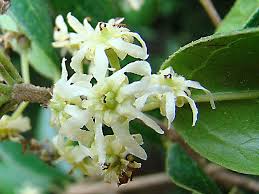
Boldo (Peumus boldus), along with other native plants including liter, Quillay, promo, and bollén, is a distinctive part of the sclerophyllous woods that are unique to central Chile. Its leaves are used in cooking, mainly in Latin America, and have a pungent, woody, slightly bitter flavor and scent similar to camphor.
Studies on animals and in vitro suggest that boldo leaf extract and its component boldine have antioxidant, anti-inflammatory, and antimicrobial effects.
Researchers have also looked into possible uses for these compounds in the treatment of diabetes, gastrointestinal disorders, cancer, sun protection, osteoporosis, renoprotection, and atopic dermatitis. To advocate use for any indication, clinical trial data are, however, insufficient.
Boldo (Peumus boldus) leaf extract dosage recommendations lack high-quality clinical research. Traditional dosages include 0.1 to 0.3 mL of liquid extract (1:1 in 45% alcohol) three times per day and 1 to 2 teaspoons (2 to 3 g) of dry leaf per 240 mL of water. Ascaridole, a poisonous component, may be included in commercial formulations.
Although it is rarely seen outside of botanical gardens, Boldo has also been brought to Europe and North Africa. Along with other nations, it can also be found in Mexico, Ecuador, Argentina, and Morocco.
The plant produces sheets with a potent perfume that is used both in cooking and medicine. The plant’s aroma is comparable to that of lemon and camphor. The leaves of the plant are used, though the bark is also employed in some other nations.
Boldo is a tiny, aromatic tree or shrub that can reach heights of 6-7 meters (sometimes up to 20 m). It grows in sandy, acidic, well-drained soil.
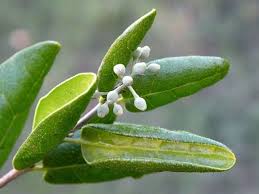
It is necessary to have fertile, sandy soil, and proper drainage is crucial. Too-wet soil shouldn’t be used to plant it. The opposite, sessile, 2-inch long, whole leaves are coriaceous, have a noticeable midrib, and have numerous tiny glands on their surface when dried.
When crushed, the odor is unusual and very offensive, not unlike Chenopodium oil. Since they are coated in glandular protuberances, leaves have a rough surface. the prominent ribs and flat underbelly.
A cluster of 10–12 little blooms is called an inflorescence. Flowers are 1cm in diameter, white or yellow, and highly perfumed. Fruit is a small, fleshy drupe that is edible and has a yellowish-green color. It is also very aromatic. The fruit has a 5 mm sphere-shaped seed.
Read Also: Boldo (Peumus boldus Mol.) – Importance and Health Benefits
8 Health Benefits of Boldo (Peumus boldus)
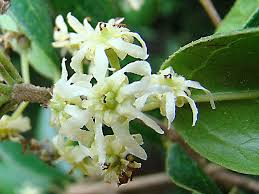
When brewed into tea, boldo leaves have a somewhat bitter, mellow flavor and a slightly coniferous, gritty taste. They are a common culinary herb used to flavor a variety of savory meals including fish, mushrooms, vegetables, and sauces.
Boldo leaves are frequently used to wrap frying meat and fish in various South American communities. Boldo fruits are dried and used to make hot sauces.
Boldo has long been used to cure hangovers, gout, stomachaches, and urogenital irritation in its native region, where it is most frequently drank as a tea.
Initial investigation has uncovered a number of intriguing contemporary medical applications for the plant. Some of the well-known health advantages of utilizing boldo are listed below.
1. Eliminates Gall Stones
Boldo leaves have the power to improve the liver’s bile production, which will lower gallstones in the gallbladder before they can cause serious problems.
The increase in bile production makes the gallbladder empty more frequently, ensuring that gallstones are regularly removed before they enlarge and pose a problem.
2. Improves Digestion
Boldo leaves may have been used in the past as a supplement to aid in meal digestion. These leaves’ antioxidant content stimulates the liver’s bile production, which helps break down the nutrients.
The antispasmodic properties of the Boldo leaf reduce minor constipation symptoms by calming intestinal cramps and acting as a gentle laxative. Boldo leaf extract is used to increase appetite in both adults and children and is recognized to lessen the signs and symptoms of stomach discomfort.
3. Improves Liver Health
Boldo leaves are very good for the liver. Tea made from fresh twigs of Boldo leaves stimulates the liver’s production of digesting bile, which performs various crucial tasks.
Bile’s primary job is to help the liver remove waste products and poisons from the body before they build up and start to harm the body.
Numerous studies have shown that Boldo tea limits the damage caused by free radicals while also protecting the liver’s cells from harm from toxins that have built up.
The anti-inflammatory properties of Boldo tea also reduce liver inflammation, promoting greater organ recovery and performance.
Read Also: 10 Health Benefits of Borage (Borago officinalis)
4. Boosts Immunity
Boldo tea helps the immune system of the body in a number of ways. The presence of fewer infection-causing agents thanks to the presence of several natural anti-microbial and anti-bacterial compounds found in leaves contributes to an improvement in the body’s defense system.
Its anti-inflammatory properties aid in reducing excessive inflammation in any area of the body, strengthening the body’s defenses against the microorganisms that cause inflammation.
Antioxidants minimize the harm done to cells by free radicals and lessen their susceptibility to infection.
5. Alleviates Constipation
Boldo leaves also contain p-Cymene, a laxative, in their volatile oil. Therefore, ingesting boldo leaf or its derivatives may relieve regular bowel straining.
In reality, Boldo may be used as an adjuvant to the treatment of constipation with the approval of the European Scientific Cooperative on Phytotherapy (ESCOP).
6. Rich in Phytochemicals
The phytochemicals limonene, camphor, boldine, coumarin, and beta-pinene are abundant in boldo leaves. The ability to combat free radicals and delay the beginning of a number of infections and disorders is provided by these phytochemicals. These organic substances lessen cellular and DNA deterioration.
7. Contains Antimicrobial Properties
According to legend, boldo leaves possess potent antibacterial and antiseptic qualities. Therefore, consuming boldo leaf tea helps strengthen the immune system’s defenses against a variety of pathogenic pathogens. Boldo leaves have the ability to treat syphilis and gonorrhea because these sexually transmitted infections are bacterial in origin.
8. Anthelmintic Agent
Due to the volatile oil present in the leaf, one of the alleged health benefits of boldo leaf tea is its capacity to eliminate intestinal parasites. Two to four percent of the leaf is made up of volatile oil. Ascaridole, an organic molecule with purported anthelmintic (anti-parasitic) effects, makes up about 16 to 38% of this volatile oil.
Read Also: 5 Health Benefits Bupleurum (Bupleurum Chinense)
Nutritional value of Boldo (Peumus boldus)
1. Boldine: This is the primary alkaloid found in Boldo leaves. It acts as a powerful antioxidant and is specifically recognized for its ability to stimulate bile production and protect liver cells from free radical damage.
2. Askaridole: A potent terpene compound found in the essential oil of the plant. It has been traditionally studied for its antiparasitic properties, though it is highly concentrated and contributes to the plant’s strong aromatic profile.
3. Flavonoid Glycosides: These include compounds like catechin and peumosides. They provide significant anti-inflammatory benefits and help strengthen capillary walls, supporting overall cardiovascular and cellular health.
4. Cineole (Eucalyptol): This aromatic compound provides Boldo with its camphor-like scent. It is known for its expectorant and antiseptic qualities, often helping to soothe the digestive tract and respiratory system.
5. Limonene: A common terpene that serves as an antioxidant. It helps in the detoxification processes of the liver and has been linked to stress reduction and improved metabolic function.
6. Manganese: This essential trace mineral is present in the leaves. It plays a crucial role in bone formation, blood clotting, and the metabolism of carbohydrates and fats.
7. P-cymene: A naturally occurring compound in the essential oil that contributes to the herb’s antimicrobial activity. It helps the body defend against certain bacterial strains in the digestive system.
8. Tannins: These polyphenolic compounds provide the plant with astringent properties. They help in shrinking or constricting body tissues, which can be useful in treating mild digestive upsets and reducing inflammation.
9. Resin: The leaves contain natural resins that act as a protective barrier. When consumed in medicinal teas, these resins can help soothe the lining of the stomach and intestines.
10. Alpha-pinene: A compound that supports cognitive function and acts as a bronchodilator. It also possesses anti-inflammatory properties that complement the effects of boldine in the body.
Scientific Evidence and Case Studies on Boldo (Peumus boldus)
1. Antioxidant and Cytoprotective Effects: A study conducted by Speisky et al. (1991) titled “Antioxidant activity of boldine, an alkaloid from Peumus boldus molina” demonstrated that boldine is a highly effective scavenger of free radicals. The research highlighted how the compound protects liver microsomal membranes from lipid peroxidation, proving its role as a significant liver-protective agent.
2. Anti-inflammatory and Antipyretic Properties: Research by Backhouse et al. (1994) in the study “Anti-inflammatory and antipyretic effects of boldine” evaluated the leaf extracts in animal models. The results showed that boldine significantly reduced inflammation and lowered fevers, suggesting its potential as a natural alternative for managing inflammatory conditions.
3. Gastrointestinal Prokinetic Activity: In a study by Passos et al. (2005), researchers investigated the effects of Boldo on the digestive system. The study found that certain extracts act on the smooth muscles of the gut, which supports the traditional use of the plant in treating dyspepsia and slow digestion by improving intestinal transit.
4. Hepatoprotective and Cholagogic Action: Lanhers et al. (1991) performed a study titled “Hepatoprotective and free radical scavenging activities of Peumus boldus and boldine.” The researchers confirmed that the aqueous extract of the leaves increases the production and secretion of bile, which aids in the digestion of fats and the detoxification of the liver.
5. Endothelial Protection: A study by Lau et al. (2015) titled “Boldine improves endothelial function in diabetic rats” explored the cardiovascular benefits of the plant. The findings indicated that boldine helps reduce oxidative stress in blood vessels, which could be beneficial in preventing vascular complications associated with metabolic disorders.
Frequently Asked Questions About Boldo (Peumus boldus)
1. What is Boldo primarily used for?
Boldo is most commonly used to support liver health, stimulate bile production, and treat digestive issues such as bloating, indigestion, and constipation.
2. Can I drink Boldo tea every day?
It is not recommended for long-term daily use. Boldo contains askaridole, which can be toxic in high cumulative doses. It is best used for short periods (up to 4 weeks) for specific digestive complaints.
3. Is Boldo safe during pregnancy?
No, Boldo should be avoided during pregnancy and breastfeeding. It has potential abortifacient properties and the compound askaridole may pose risks to the developing fetus.
4. Can Boldo help with weight loss?
While Boldo is not a fat-burner, it helps with digestion and gall bladder function. By improving how the body processes fats, it can support a healthy metabolic process, but it is not a primary weight-loss tool.
5. Does Boldo interact with any medications?
Yes, Boldo may interact with blood-thinning medications (anticoagulants) and liver medications. Because it stimulates bile, people with gallstones or bile duct obstructions should consult a doctor before use.
6. How do I prepare Boldo tea?
You should use about 1 teaspoon of dried Boldo leaves per cup of hot water. Steep for 5 to 10 minutes and strain. It is typically consumed before or after meals to aid digestion.
7. Are there side effects to taking Boldo?
When taken in excess, side effects can include nausea, dizziness, or headaches. In very high doses or concentrated oil form, it can be neurotoxic, which is why the essential oil is rarely used internally.
8. Is Boldo the same as Mexican Boldo?
No, true Boldo is Peumus boldus, native to Chile. There is another plant called Plectranthus barbatus (sometimes called Mexican Boldo) which belongs to the mint family and has different chemical properties.
Do you have any questions, suggestions, or contributions? If so, please feel free to use the comment box below to share your thoughts. We also encourage you to kindly share this information with others who might benefit from it. Since we can’t reach everyone at once, we truly appreciate your help in spreading the word. Thank you very much for your support and for sharing!
Disclaimer: This article is for educational and informational purposes only. The health benefits described are based on scientific research and traditional knowledge. They ayre not a substitute for professional medical advice, diagnosis, or treatment. Always consult a healthcare professional before using any herb or natural remedy for medical purposes.
Read Also: Chicken Brooder House – Complete Chicks Brooding Care Guide