


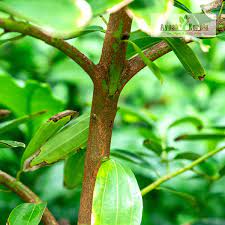
Cinnamon branches typically refer to branches or twigs from the cinnamon tree (Cinnamomum verum or Cinnamomum cassia) that are used to extract cinnamon, a popular spice known for its aromatic and flavorful properties. Here's a description of cinnamon branches:
Cinnamon branches are slender, woody stems that grow from the main trunk of the cinnamon tree. They have a distinct reddish-brown to dark brown color, often with a rough or peeling bark. The bark of cinnamon branches is rough and slightly coarse, providing a unique tactile experience. When crushed or powdered, it becomes smoother and finer, perfect for culinary use.
Cinnamon branches emanate a sweet, warm, and highly aromatic fragrance. The scent is often associated with spicy and comforting notes, making it a popular choice in cooking, baking, and aromatherapy. When ground or extracted, cinnamon from these branches adds a rich, sweet, and slightly spicy flavor to various dishes. It's a versatile spice used in both sweet and savory recipes.
Cinnamon branches are used in cooking and baking to flavor a wide array of dishes, including desserts like cinnamon rolls, apple pie, and chai tea. It's also used in savory dishes like curries, stews, and rice pilaf for an added depth of flavor. Cinnamon is believed to have various health benefits, including anti-inflammatory and antioxidant properties. It may help regulate blood sugar levels and improve heart health.
Cinnamon has a long history of use, dating back to ancient times. It was highly prized and often used as a trade commodity. Throughout history, cinnamon has been utilized for culinary, medicinal, and ritualistic purposes in various cultures.
The Economic Importance and Uses of Cinnamon Branches
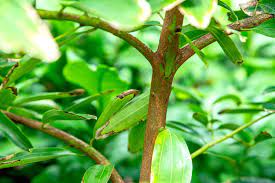
Cinnamon, a popular spice derived from the bark of several species of trees in the genus Cinnamomum, is valued for its aromatic properties and versatile applications.
🌿 Go Organic on Your Farm: Instead of harmful chemical pesticides and fertilisers, try our organic farming products — including neem oil spray, bio-pesticides, natural plant treatments, organic seeds and seedlings, suckers, and many more organic products that are safe for your health, your family, your soil and your harvest. Shop Now →
The economic importance and uses of cinnamon branches are numerous and varied:
1. Spice Production: The primary use of cinnamon branches is for spice production. Cinnamon bark is harvested from the branches and is used to make the spice known for its distinctive flavor and aroma.
2. Culinary Uses: Cinnamon is a common spice in cooking and baking. It is used to flavor a wide range of dishes, including desserts, beverages, curries, stews, and more. Cinnamon sticks (branches) are often used in brewing tea and infusing flavors in dishes during cooking.
3. Food Industry: The food industry utilizes cinnamon in the production of various products such as chocolates, pastries, sauces, and cereals to enhance flavor and aroma.
🔧 Free Farm Tool Available: Use our free Agric4Profits Farm Tools to calculate your farm profits, formulate feeds, identify pests and diseases on both your crops and animal farms, plan your planting and harvesting season, including many more farm tasks to get free expert advice and recommendations — completely free, no registration required. Access Free Tools →
4. Pharmaceutical and Medicinal Uses: Cinnamon has potential health benefits, including anti-inflammatory, antioxidant, and antimicrobial properties. It is used in traditional and modern medicine for managing conditions like diabetes, lowering blood sugar levels, improving heart health, and aiding digestion.
5. Aromatherapy and Fragrances: Cinnamon is a popular scent used in aromatherapy. Its pleasant aroma is used in making essential oils, candles, air fresheners, and perfumes.
6. Traditional Medicine: In traditional medicine systems like Ayurveda and traditional Chinese medicine, cinnamon is utilized for its various therapeutic properties. It's believed to aid in digestion, alleviate colds, and provide relief from menstrual cramps.
7. Cosmetics and Toiletries: Cinnamon oil and powder are used in cosmetics and toiletries due to their aromatic properties. They can be found in skincare products like lotions, soaps, and creams.
8. Beverage Industry: Cinnamon is used to flavor a variety of beverages, including teas, coffees, ciders, and liqueurs, enhancing their taste and aroma.
💬 Have a Farming Question? Join thousands of farmers across Africa on the Agric4Profits Community — ask questions, share experiences and connect with agricultural experts. It is completely free. Ask Your Question Now →
9. Natural Insect Repellent: Cinnamon is a natural insect repellent. Its oil is used in insect sprays and lotions to keep bugs and mosquitoes away.
10. Floral and Decorative Uses: Cinnamon sticks (branches) are also used in floral arrangements and crafts, adding a rustic and aromatic touch to decorations and potpourris.
Read Also: Cinnamon Bark: Economic Importance, Uses, and By-Products
12. Export and Trade: Cinnamon production and trade contribute significantly to the economy of countries that cultivate and export cinnamon. Major producers include Sri Lanka, Indonesia, China, Vietnam, and India.
The Products and By-products That Can Be Derived From Cinnamon Branches
Cinnamon is a popular spice obtained from the bark of several species of trees belonging to the Cinnamomum genus. While cinnamon branches are primarily harvested for their bark to produce cinnamon spice, there are some additional products and by-products that can be derived from these branches:
1. Cinnamon Powder: The main product derived from cinnamon branches is the spice itself, which is obtained by grinding the inner bark of the branches. Cinnamon powder is widely used in cooking, baking, and as a flavoring agent.
2. Cinnamon Essential Oil: During the extraction process of cinnamon spice, a by-product in the form of essential oil is obtained. This oil contains the aromatic compounds present in cinnamon and is used in various applications such as aromatherapy, perfumery, and for its potential health benefits.
3. Cinnamon Extract: Extracts can be obtained from cinnamon branches by using solvents or other extraction methods. These extracts can be used in the food and beverage industry for flavoring, in cosmetics for fragrance, and in traditional medicine for various potential health benefits.
4. Cinnamon Tea: The bark of cinnamon branches can be used to make cinnamon tea, either by using the bark directly or in combination with other herbs. Cinnamon tea is known for its pleasant flavor and potential health benefits.
📖 Want to Go Deeper on This Topic?
Our expert agricultural ebooks cover poultry, fish farming, different crops production, snail farming, organic farming, mushrooms, sheep, cattle, flowers, pig farming, goat farming, agribusiness, etc. in practical step-by-step detail — written by agricultural professionals for African farmers.
Browse All Farming Ebooks →5. Cinnamon Sticks: Cinnamon branches can be cut into sticks and used for various culinary purposes. These sticks are often used to infuse flavors in dishes during cooking and can also be used as stirrers for hot beverages.
6. Cinnamon Sachets: Cinnamon bark and powder can be used to make sachets, which are small bags filled with cinnamon to provide a pleasant aroma. These sachets can be placed in drawers, closets, or used as natural air fresheners.
7. Cinnamon Buns: Cinnamon powder can be used to make cinnamon buns, a popular baked pastry.
8. Cinnamon-flavored Beverages: Cinnamon powder or extract can be used to flavor various beverages like coffee, hot chocolate, or cocktails.
In conclusion, cinnamon branches play a vital role in the production of a widely used and versatile spice, contributing to various industries such as culinary, pharmaceuticals, cosmetics, and more, ultimately benefiting the economy and consumer markets.
Read Also: The Healing Properties of the Aloe Vera Plant
🌱 Take Your Farming Further With Agric4Profits
Based on what you just read, here are free resources and products from Agric4Profits that can help your farm right now:
- 🛒 Visit Our Marketplace — Organic neem oil, bio-pesticides, seeds and farming products
- 📚 Read Premium Content — Advanced guides for serious and profitable farming
- 🎓 Join Our Free Academy — Structured free training for farmers across Africa
- 🔧 Use Our Free Farm Tools — Profit calculators, feed formulation, pest identifier and more
- 💬 Join Our Farming Community — Connect with farmers across all 54 African countries
- ❓ Ask a Farming Question — Get answers from experienced farmers and agricultural experts
Please cite this content in academic work, research, or publications.