


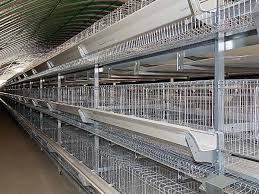
Farmers reach out all the time asking about battery cage prices. The question makes sense because cages represent a significant investment in any poultry operation. But there’s no simple answer. The cost depends on the type of cage you choose and how many birds each unit holds.
The reality is that cage prices vary based on capacity, quality, and market conditions. A cage that houses 60 birds costs less than one designed for 90 or 120 birds. The materials matter too. Fully galvanized cages cost more than partially galvanized ones. The manufacturer makes a difference. Imported cages typically run higher than locally fabricated options.
As of this writing, cages that hold 90 birds run between ₦40,000 and ₦45,000. The ones designed for 120 birds can cost up to ₦72,000 per unit. But these prices shift with market conditions. Steel prices go up and down. Currency exchange rates affect imported cages. The best approach is to get current quotes when you’re actually ready to buy.
Battery cages themselves are a specific housing system originally developed for egg-laying hens. The name comes from how the cages are arranged in rows and columns connected together, similar to an artillery battery. Although the term usually refers to poultry farming, similar cage systems exist for other animals too.
This housing method has sparked debate between animal welfare advocates and commercial producers. The welfare concerns are real and worth considering. Birds in battery cages can’t engage in many natural behaviors like dust bathing, perching, or spreading their wings fully. Some countries have banned or restricted conventional battery cages because of these issues.
But from a purely production standpoint, battery cages offer several advantages that explain why many commercial operations still use them. They increase production efficiency, reduce disease transmission, make feed management easier, and allow more birds per square foot of floor space.
This guide examines the benefits of battery cage systems from a farming perspective. We’ll cover how they affect bird health, boost egg production, simplify feeding, reduce labor costs, minimize feed waste, maximize space usage, and provide good value for the investment. You’ll also see current pricing information and get answers to common questions about using this system.
Whether you’re starting a new operation or considering switching from deep litter to cages, you need to understand both the costs and the production benefits. This information helps you make an informed decision based on your specific situation, budget, and goals.
Read Also: Poultry Housing Management: Poultry Pen/House Construction Guide
1. Benefits of Using Poultry Battery Cages for Chicken Production
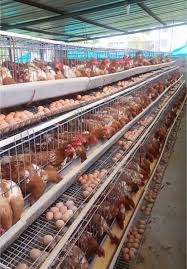
Modern chicken farming has evolved significantly, and battery cage systems play a major role in commercial egg production. These systems offer seven key advantages that affect profitability and production efficiency.
A. Battery Cages Boost the Health of the Chickens
Many poultry farmers struggle with health issues in their flocks because they haven’t adopted proper housing systems. Battery cages create conditions that support bird health and improve reproduction rates.
Quality battery cages go far beyond simple wire mesh floors with heating elements for brooding. Well-designed cages are engineered to outperform ordinary wire mesh structures in several ways.
The wire floor design is the key health feature. Manure drops through the mesh and away from the birds immediately. This separation between chickens and their waste drastically reduces exposure to manure-borne diseases. Birds don’t walk through their droppings. They don’t peck at contaminated litter. This simple design element prevents many common health problems.
When birds stay healthier, everything else becomes easier. You spend less on medications. Mortality rates drop. Production stays more consistent. The return on your investment improves because you’re not constantly fighting disease outbreaks.
The cleaner environment also means better air quality inside the building. Ammonia levels stay lower because waste is removed rather than composting under the birds. This reduces respiratory problems that plague many poultry operations.
B. Increases Egg Production
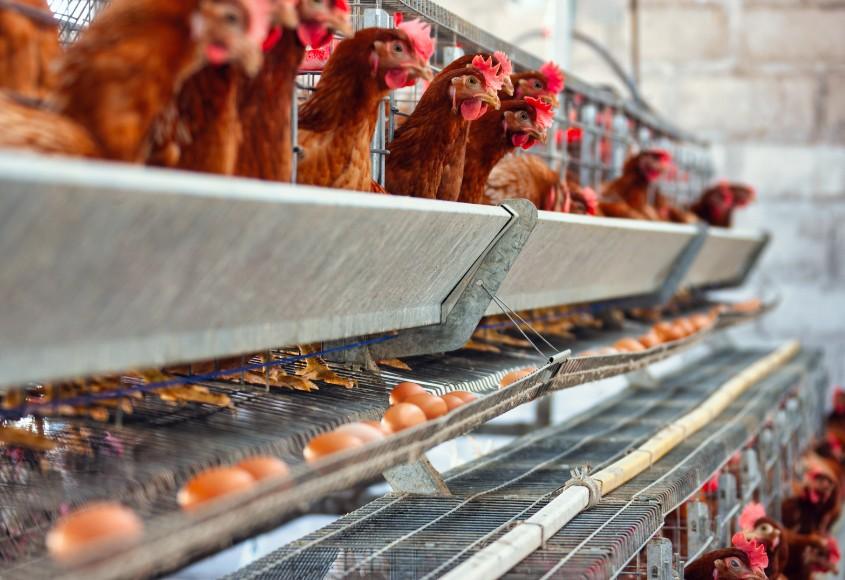
Healthy chickens produce more eggs. It’s that straightforward. Battery cages create the conditions that lead to better health, which translates directly into higher production rates.
Recent data shows that about 60% of eggs used in commercial products like mayonnaise, sandwiches, and cakes come from chickens raised in battery cage systems. This statistic reveals something important about production efficiency. Chickens in well-managed cage systems tend to produce more consistently than birds in other housing types.
Several factors explain this productivity boost. The controlled environment reduces stress from aggressive birds. Each hen has her own space and guaranteed access to food and water. There’s no competition or pecking order fights at feeding time. Eggs roll away immediately after laying, so there’s no egg eating behavior. The combination of these factors creates optimal conditions for production.
The economics matter too. Higher production per bird means better return on your feed investment. When a hen produces more eggs during her laying cycle, your cost per dozen drops. This improved efficiency is why commercial operations favor cage systems despite the higher upfront cost.
C. Qualitative Feeding For the Chickens
The battery cage system transforms feeding from a labor-intensive chore into a systematic process that ensures consistent nutrition for every bird.
Feed delivery happens through long bisected metal or plastic pipes that run along the front of the cages. Each bird has access to the same quality feed. There’s no dominant birds eating first and leaving scraps for weaker ones. Water comes through overhead nipple systems positioned right in front of the chickens.
This setup makes regular feeding schedules easy to maintain. You fill the feed troughs and check water pressure. Every bird gets what she needs. The system essentially forces you to provide consistent care because the infrastructure is designed around it.
Chickens in battery cages receive better overall care because the system makes it simple to monitor and provide for them. You can see each bird clearly. You notice when one isn’t eating or drinking properly. Problems get spotted and addressed faster than they would in a floor system where birds blend together in a flock.
D. Low Cost Of Labour
Battery cages drastically reduce the labor required to run a poultry operation. Everything is organized and positioned for efficiency.
The birds are arranged in rows with feeding systems along the front, manure collection below, and egg collection built into the cage design. Eggs roll forward to a collection trough or belt. Droppings fall through the floor into trays or onto belts. Feed and water systems run the length of each row.
Your job becomes straightforward. Fill the feeders. Check the water pressure. Collect the eggs from the collection points. Clean out the manure trays or run the belt system. That’s essentially it for daily operations.
This organization means you don’t need large crews. One person can manage a significant number of birds. Some automated operations have one person overseeing tens of thousands of birds. Even semi-automated setups require far less labor than floor systems where you’re walking through the flock multiple times daily.
The labor savings compound over time. Lower labor costs mean better margins. You’re not constantly hiring and training workers. The job is less physically demanding, which reduces turnover. All of this contributes to a more profitable operation.
E. Poultry Battery Cages Have Feeders that Minimize Feed Spillage
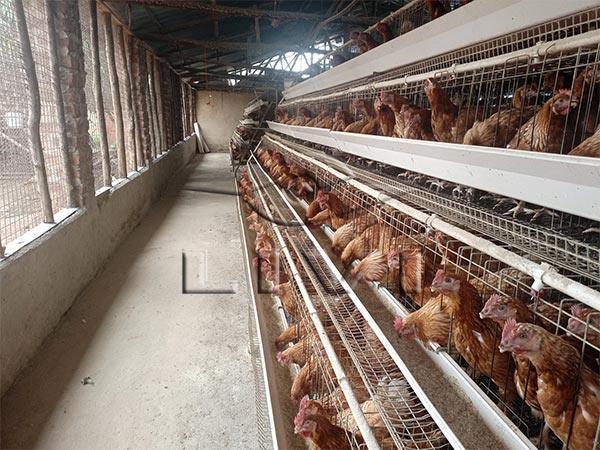
Feed represents your largest ongoing expense in poultry farming. Anything that reduces waste directly improves your bottom line. Battery cages are designed to minimize feed spillage in several ways.
The feeding troughs are sized and positioned to hold the exact amount needed for daily consumption. Birds can reach the feed easily but can’t scratch it out onto the floor like they would in a floor system. The trough design prevents billing and tossing behavior that wastes feed.
Each bird eats from a controlled feeding space. There’s no scattered feed on the ground that gets trampled and contaminated. No feed gets mixed with manure and wasted. The feed you put in the system gets consumed by the birds, not lost to spillage.
Over a year of operation, this efficiency adds up to substantial savings. If you’re feeding 10,000 birds, even a 5% reduction in feed waste means thousands of dollars saved annually. The feeding system design in battery cages makes this kind of efficiency standard rather than something you have to work hard to achieve.
F. High Capacity for Accommodation
Space costs money. Whether you own the land or rent it, every square foot represents an investment. Battery cages let you maximize the productivity of your available space.
Modern battery cage systems can accommodate between 60 and 128 chickens or more per unit, depending on the size and model. When you stack these units in tiers, you multiply the number of birds you can house in the same floor space.
A building that might house 1000 birds in a floor system can hold 3000 or 4000 birds when you use stacked battery cages. This doesn’t mean cramming birds into inadequate space. Properly designed cage systems still provide each bird with sufficient room while making efficient use of vertical space.
The construction cost savings matter too. You build one building with climate control, lighting, and biosecurity measures. Then you use that space to maximum capacity. The cost per bird for housing infrastructure drops significantly compared to single-level floor systems.
This capacity advantage makes battery cages particularly attractive in areas where land is expensive or limited. Urban and peri-urban poultry operations often rely on cage systems because they simply couldn’t operate profitably otherwise.
G. Affordable, Durable And Suitable For All Egg-Laying Chicken Types
Battery cages offer good value for both new and experienced farmers. The initial cost is reasonable when you consider the production benefits and how long quality cages last.
Durability comes from the construction materials. Good battery cages use galvanized iron wire mesh that resists rust and corrosion. With proper maintenance, quality cages last for many years. You’re making a one-time investment that serves your operation through multiple flocks.
The system works for all types of egg-laying chickens. Breeders, layers, point-of-lay pullets, and point-of-cage birds all adapt to battery cage housing. This versatility means you can use the same infrastructure as your operation evolves or if you decide to switch between different types of production.
Cost-effectiveness comes from combining affordable initial investment with durability and high production. When you calculate cost per egg produced over the life of the cages, battery systems often outperform other housing types. The efficiency gains and labor savings offset the upfront equipment cost.
For farmers considering this system, the key is buying quality cages from reputable suppliers. Cheap cages that break down or rust quickly end up costing more in the long run. Invest in well-made equipment and maintain it properly for best results.
Read Also: Causes of Egg Production Reduction in Poultry Farms and Ways to prevent them
2. Battery Cage Pricing and Options
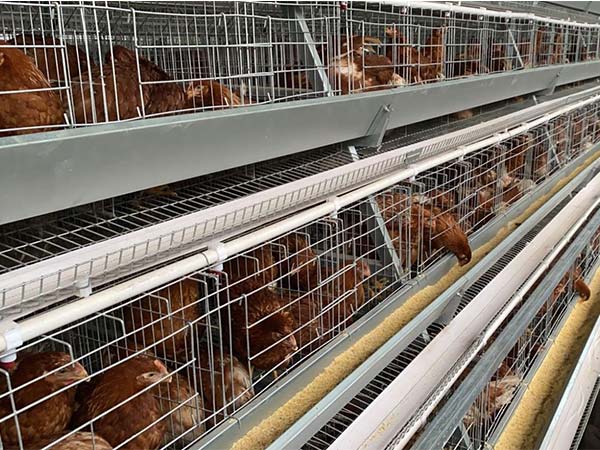
Understanding current market prices helps you budget accurately for your poultry operation. As mentioned earlier, prices vary based on several factors.
i. 60-bird capacity cages: These smaller units suit operations that want flexibility or have space constraints. Pricing typically falls below the 90-bird units.
ii. 90-bird capacity cages: Currently running between ₦40,000 and ₦45,000 per unit. These represent a middle ground between capacity and cost.
iii. 120-bird capacity cages: The larger units can cost up to ₦72,000 per unit. They offer better space efficiency but require more upfront investment.
Get current quotes when you’re ready to purchase. Market conditions change. Steel prices fluctuate. Currency exchange rates affect imported equipment costs. The price you pay depends on when and where you buy.
Contact multiple suppliers and compare not just prices but also quality, warranty terms, and after-sales support. The cheapest option isn’t always the best value when you factor in durability and service.
Summary on Poultry Battery Cages

| Aspect | Key Points |
|---|---|
| Current Pricing | ₦40,000-45,000 for 90-bird cages; up to ₦72,000 for 120-bird cages |
| Cage Definition | Housing system with rows and columns of connected cages for egg-laying hens |
| Health Benefits | Wire floor separates birds from manure, reduces disease exposure, improves air quality |
| Production Impact | Increases egg output; 60% of commercial eggs come from cage systems |
| Feeding Efficiency | Systematic feeding through pipes and nipple water systems ensures consistent nutrition |
| Labor Savings | One person can manage large operations; organized system reduces daily work |
| Feed Waste Reduction | Designed troughs minimize spillage; feed goes to birds not the floor |
| Space Efficiency | 60-128 birds per unit; vertical stacking maximizes building capacity |
| Durability | Galvanized wire mesh resists rust; quality cages last many years |
| Versatility | Suitable for breeders, layers, point-of-lay, and point-of-cage chickens |
| Cost Effectiveness | Affordable initial investment; durability and efficiency provide long-term value |
Frequently Asked Questions About Poultry Battery Cages
1. How much do battery cages really cost?
Prices vary by capacity and quality. As of this writing, 90-bird cages run ₦40,000-45,000 per unit. The 120-bird cages cost up to ₦72,000. Smaller 60-bird units fall below these prices. But market conditions change, so get current quotes from multiple suppliers when you’re ready to buy. Factor in delivery costs and installation if the supplier doesn’t include these. The best prices come when you’re actually purchasing, not from estimates months in advance.
2. How many cages do I need for 1000 birds?
It depends on cage capacity. If you use 120-bird cages, you need about 9 units for 1000 birds. With 90-bird cages, you need 12 units. The 60-bird cages require 17 units. Most farmers prefer the larger capacity cages because they use space more efficiently and reduce the number of individual units to maintain. But smaller cages offer more flexibility in arranging your layout.
3. Are battery cages worth it for small farms?
The benefits scale with farm size, but even small operations can benefit. If you have 500-1000 birds, cages still reduce labor, improve hygiene, and boost production. The challenge is the upfront cost. A small farmer might need to start with a few cage units and expand gradually. Compare the cost of cages against lost production and higher labor costs in floor systems. Many small farmers find that cages pay for themselves within 1-2 production cycles.
4. How long do battery cages last?
Quality galvanized cages last 10-15 years or more with proper maintenance. The galvanized coating protects against rust, which is the main failure mode. Check cages regularly for damage. Repair any broken wires promptly. Keep the cages clean and dry. Some operations use the same cages for 20+ years. Cheap, poorly galvanized cages might only last 3-5 years before rust becomes a problem.
5. Do caged birds produce better eggs?
Egg quality from caged birds is generally good. The eggs are cleaner because they roll away from the birds immediately and don’t sit in litter or manure. Shell quality tends to be consistent because all birds receive the same nutrition. Some research suggests eggs from floor systems may have slightly richer yolks due to more varied diets, but commercial egg quality from cages meets all standards. The main difference is production quantity, not quality.
6. What maintenance do battery cages need?
Daily maintenance is minimal. Collect eggs, fill feeders, check water systems. Weekly tasks include cleaning manure trays or running manure removal belts. Check for broken or damaged wire and repair promptly. Inspect feeders and drinkers for blockages. Monthly, do a thorough inspection of cage structure, looking for rust or wear. Replace any worn components. Proper maintenance extends cage life significantly.
7. Can I use battery cages for broilers?
Battery cages are designed for layers, not broilers. Broilers grow too large too quickly for the space in layer cages. They also don’t need the egg-rolling feature. Broilers do better in floor systems or specialized broiler cages that are much larger. Don’t try to use layer cages for meat birds. The results will be poor production and welfare problems.
8. Are there welfare concerns with battery cages?
Yes, and they’re legitimate. Birds in conventional battery cages can’t engage in natural behaviors like dust bathing, perching, or wing spreading. Some countries have banned conventional cages because of these concerns. Enriched or furnished cages address some issues by providing perches, nest boxes, and scratching areas. Consider your market. Some buyers specifically want eggs from cage-free systems. Research your local regulations and consumer preferences before investing.
9. How do I choose between different cage suppliers?
Look beyond just price. Check the gauge of the wire mesh. Thicker wire lasts longer. Verify the quality of galvanization. Ask about warranty terms. Request references from other farmers using their cages. Examine a sample cage in person if possible. Look at weld quality and overall construction. Check what accessories come standard versus what costs extra. Consider after-sales support and availability of replacement parts.
10. What’s better: locally made or imported cages?
Each has advantages. Imported cages often use better materials and manufacturing processes, but cost more and may have longer delivery times. Local cages cost less and you can get them faster, but quality varies widely between manufacturers. Some local producers make excellent cages that match or exceed imported quality. Others cut corners to reduce costs. Inspect before you buy. Talk to farmers using both types. The best choice depends on your specific suppliers and budget.
Do you have any questions, suggestions, or contributions? If so, please feel free to use the comment box below to share your thoughts. We also encourage you to kindly share this information with others who might benefit from it. Since we can’t reach everyone at once, we truly appreciate your help in spreading the word. Thank you very much for your support and for sharing!
Read Also: Anatomy of Fishes: Female Fish and their Reproductive Strategies