


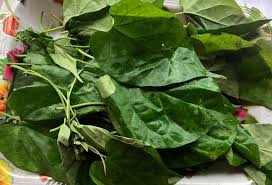
Utazi leaves (Gongronema latifolium) are a commonly used leafy vegetable in African cuisine, particularly in Nigeria, where it is known as “Utazi” or “Utasi.” The plant is a climbing shrub that belongs to the family of Asclepiadaceae and grows in tropical and subtropical regions.
The leaves of Utazi are used in cooking to add a bitter and slightly sweet flavor to dishes. They are often added to soups, stews, and sauces, and are also used as a seasoning for meats, fish, and poultry.
The leaves are also used in traditional medicine for their medicinal properties, which include the treatment of various ailments such as stomach pains, constipation, and fever.
Utazi leaves are rich in nutrients such as vitamins A, C, and E, and minerals like potassium, calcium, and iron. They also contain antioxidants and anti-inflammatory compounds that are beneficial for overall health.
Read Also: Health Benefits and Uses of WaterLeaves
Description of Utazi Leaves
The plant produces small, yellowish-green flowers, which later develop into a round, green fruit about the size of a grape. The fruit contains seeds that are used to propagate the plant.
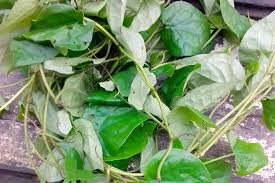
Utazi leaves are usually sold fresh in markets or supermarkets, and can also be found in dried form. When purchasing fresh Utazi leaves, look for leaves that are firm, bright green, and without any signs of wilting or discoloration. They should also have a fresh, slightly bitter aroma.
In cooking, Utazi leaves are usually chopped finely or sliced into thin strips and added to dishes. They are commonly used in traditional soups such as Ofe Nsala, Oha Soup, and Egusi Soup, and can also be added to stews, sauces, and vegetable dishes.
Health Benefits of Utazi Leaves
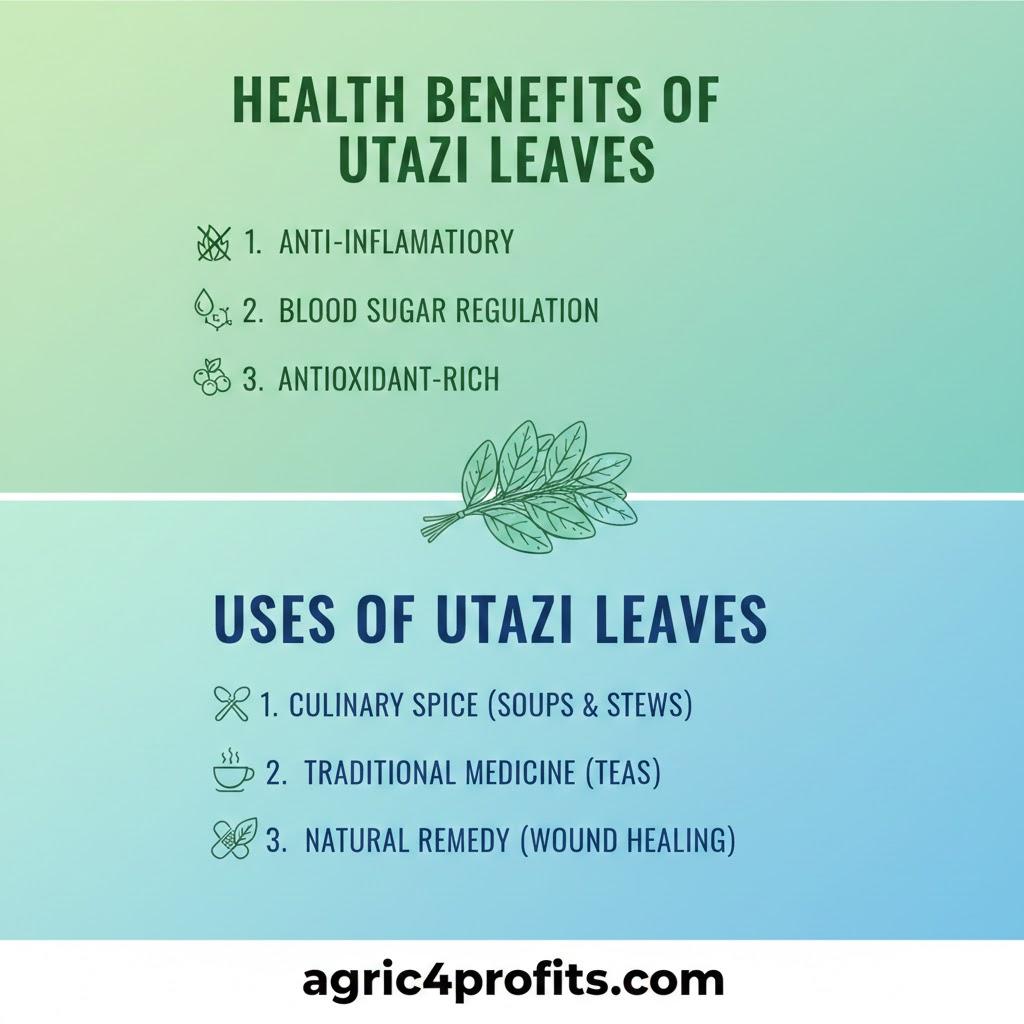
Digestive health: Utazi leaves have been traditionally used to improve digestion and relieve constipation due to their high fiber content.
Anti-inflammatory properties: The leaves contain anti-inflammatory compounds that may help reduce inflammation and relieve pain.
Antioxidant activity: Utazi leaves are rich in antioxidants, which help protect the body from damage caused by free radicals.
Anti-diabetic effects: Studies have shown that Utazi leaves may help regulate blood sugar levels in people with diabetes.
Anti-cancer properties: The leaves contain compounds that have been found to have anti-cancer properties and may help prevent the development of cancer.
Boosts immunity: Utazi leaves are rich in vitamins and minerals that help strengthen the immune system.
Respiratory health: The leaves have been traditionally used to treat respiratory problems such as coughs and colds.
Cardiovascular health: Utazi leaves may help lower blood pressure and reduce the risk of heart disease due to their high potassium content.
Anti-microbial activity: The leaves contain compounds that have been found to have anti-microbial properties and may help prevent the growth of harmful bacteria and fungi.
Pain relief: Utazi leaves may help relieve pain due to their anti-inflammatory properties.
Wound healing: The leaves have been traditionally used to promote wound healing and prevent infection.
Anti-ulcer effects: Studies have shown that Utazi leaves may help prevent and treat stomach ulcers.
Weight loss: Utazi leaves may help with weight loss due to their high fiber content, which promotes feelings of fullness and reduces appetite.
Bone health: The leaves are rich in calcium, which is important for maintaining healthy bones and preventing osteoporosis.
Skin health: Utazi leaves contain vitamins and minerals that are important for maintaining healthy skin.
Eye health: The leaves contain vitamin A, which is essential for maintaining healthy eyesight.
Anti-anxiety effects: Studies have shown that Utazi leaves may help reduce anxiety and improve mood.
Anti-depressant effects: The leaves have been traditionally used to treat depression and improve mental health.
Liver health: Utazi leaves may help improve liver function and prevent liver damage due to their antioxidant and anti-inflammatory properties.
Read Also: Health Benefits and Uses of Fresh Tomatoes
Uses of Utazi Leaves
Flavoring agent: Utazi leaves are often used as a flavoring agent in soups, stews, and sauces. The leaves are added to the dish towards the end of the cooking process to infuse the dish with its unique aroma and taste.
Medicinal purposes: Utazi leaves are believed to have medicinal properties and are used to treat a variety of ailments. The leaves are used to relieve stomach upset, constipation, and other digestive issues. They are also believed to have anti-inflammatory properties and can be used to relieve pain and swelling.
Garnish: Utazi leaves are often used as a garnish for dishes to add color and flavor. They can be finely chopped and sprinkled on top of soups or stews for an added pop of flavor.
Tea: Utazi leaves can be used to make a tea that is believed to have medicinal properties. The leaves are steeped in hot water and sweetened with honey or sugar.
Preservation: Utazi leaves are also used to preserve food. The leaves are placed in a container with the food and are believed to help prevent spoilage.
Additionally, Utazi leaves are a versatile ingredient that can be used in a variety of ways in cooking and for medicinal purposes.
Nutritional Value of Utazi Leaves
Fiber: Utazi leaves are a good source of fiber, which can help improve digestion and prevent constipation.
Vitamins: Utazi leaves are rich in vitamins A, C, and E, which are powerful antioxidants that can help protect against cellular damage and boost the immune system.
Minerals: Utazi leaves contain minerals such as calcium, potassium, and iron, which are essential for maintaining healthy bones, muscles, and blood.
Phytochemicals: Utazi leaves contain phytochemicals such as alkaloids, flavonoids, and tannins, which have anti-inflammatory and antioxidant properties.
Essential oils: Utazi leaves contain essential oils such as terpenoids and sesquiterpenes, which have antibacterial and antifungal properties.
In addition, the nutritional value of Utazi leaves makes them a healthy addition to any diet. They provide essential nutrients that support overall health and can help prevent chronic diseases such as heart disease, diabetes, and cancer.
Scientific Evidence and Case Studies on Health Benefits and Uses of Utazi Leaves (Gongronema latifolium)
1. Antidiabetic and hypoglycemic effects: Gongronema latifolium leaf extracts significantly reduce blood glucose levels, modulate hyperglycemia, inhibit redox imbalance, and decrease inflammation in alloxan-induced diabetic rat models, with benefits comparable to standard treatments like metformin.
2. Hypolipidemic and cardiovascular benefits: Consumption of Utazi leaves for six weeks in healthy adults leads to significant reductions in plasma glucose, total cholesterol, triglycerides, LDL-C, and LDL-C/HDL-C ratio, supporting its use in managing diabetes and cardiovascular risks.
3. Antimicrobial activity: Methanol and aqueous extracts of Gongronema latifolium leaves exhibit antibacterial effects against pathogens like Staphylococcus aureus, Pseudomonas aeruginosa, Salmonella enteritidis, and Listeria monocytogenes, with low minimum inhibitory concentrations in in vitro studies.
4. Antioxidant and anti-inflammatory properties: The leaves’ high content of flavonoids, alkaloids, saponins, and other phytochemicals provide strong antioxidant activity, reduce oxidative stress, and exhibit anti-inflammatory effects in various models.
5. Hepatoprotective and other protective effects: Extracts show potential in protecting liver function, reducing inflammation, and supporting overall metabolic health through bioactive compounds like terpenoids and phenolics.
Nutritional Value Of Health Benefits and Uses of Utazi Leaves (Gongronema latifolium)
Utazi leaves (Gongronema latifolium, approximate values per 100g dry matter or as reported in studies) provide these key nutrients:
1. High in protein: Contains around 24-27g of protein, serving as a good plant-based source for tissue repair and muscle maintenance.
2. Rich in dietary fiber: Offers about 10-11g of crude fiber, promoting digestion, preventing constipation, and supporting satiety.
3. Good source of carbohydrates: Provides around 39-44g of carbohydrates (including nitrogen-free extractives) for energy.
4. Contains healthy fats: Supplies about 6g of lipids, including beneficial fatty acids for overall health.
5. Abundant in minerals like potassium: High potassium (around 300-486mg), aiding blood pressure regulation and heart function.
6. Source of calcium and other minerals: Includes calcium (around 71-115mg), phosphorus, iron, magnesium, sodium, and trace elements for bone health and metabolic support.
7. Rich in vitamins and phytochemicals: Packed with vitamins A, C, E, and others, plus antioxidants like flavonoids, alkaloids, tannins, and essential oils for immune and cellular protection.
Summary of Health Benefits and Uses of Utazi Leaves (Gongronema latifolium)
| Aspect | Key Details |
|---|---|
| Description | Utazi leaves (Gongronema latifolium), also known as Utasi or Arokeke, come from a climbing shrub in the Asclepiadaceae family native to tropical West Africa (Nigeria, Ghana, Cameroon); dark green, glossy, heart-shaped leaves with slightly bitter-sweet taste; used fresh or dried. |
| Nutritional Highlights | High protein (24-27g/100g), fiber (10-11g), carbohydrates (39-44g), fats (6g), vitamins A/C/E, minerals (potassium, calcium, iron, phosphorus), phytochemicals (flavonoids, alkaloids, saponins, tannins), essential oils. |
| Health Benefits | Improves digestion and relieves constipation, reduces inflammation and pain, provides antioxidant protection, regulates blood sugar for diabetes management, lowers cholesterol and supports heart health, boosts immunity, aids respiratory issues (coughs/colds), exhibits antimicrobial effects, promotes wound healing, prevents/treats ulcers, supports weight loss, maintains bone/skin/eye health, may reduce anxiety/depression, protects liver, potential anti-cancer and anti-malarial properties. |
| Uses | Culinary: flavoring soups (Ofe Nsala, Oha, Egusi), stews, sauces, meats/fish; seasoning or garnish; medicinal: tea for digestive/stomach issues, pain relief, fever; traditional remedy for malaria, dysentery, hypertension; preservation of food. |
| Preparation | Chopped/sliced fresh leaves added late in cooking for soups/stews; steeped as tea (with honey optional); used fresh for best aroma/taste. |
| Scientific Support | Evidence for hypoglycemic/hypolipidemic effects in human and animal studies, antimicrobial activity in vitro, antioxidant/anti-inflammatory properties from phytochemicals. |
| Precautions | Generally safe in culinary amounts; moderate use recommended for medicinal purposes; consult healthcare provider for high intake or specific conditions. |
Frequently Asked Questions About Health Benefits and Uses of Utazi Leaves (Gongronema latifolium)
1. What are Utazi leaves?
Utazi leaves come from Gongronema latifolium, a climbing shrub native to West Africa, with dark green, heart-shaped leaves known for their slightly bitter yet sweet aftertaste, commonly used in Nigerian cuisine and traditional medicine.
2. Is Utazi good for diabetes?
Yes, studies show it lowers blood glucose, improves insulin sensitivity, and modulates hyperglycemia in diabetic models and human consumption trials.
3. Does Utazi help with digestion?
Yes, its high fiber content promotes digestion, relieves constipation, and supports gut health traditionally and nutritionally.
4. Can Utazi lower cholesterol?
Yes, regular intake reduces total cholesterol, triglycerides, and LDL while benefiting lipid profiles in healthy subjects.
5. Does Utazi boost immunity?
Yes, rich in vitamins (A, C, E) and antioxidants, it strengthens the immune system and protects against oxidative damage.
6. Is Utazi antimicrobial?
Yes, extracts show activity against bacteria like Pseudomonas aeruginosa, Salmonella, and Staphylococcus in lab studies.
7. Can Utazi support heart health?
Yes, high potassium and hypolipidemic effects help regulate blood pressure and reduce cardiovascular risks.
8. How is Utazi typically used in cooking?
Finely chopped or sliced and added to soups (like Oha, Egusi), stews, sauces, or as a garnish/flavoring for meats and fish.
9. Can Utazi be made into tea?
Yes, steeped in hot water (often sweetened) for digestive relief, pain, or general medicinal benefits.
10. Is Utazi safe for regular use?
Yes in food amounts as part of a balanced diet; it’s nutrient-rich with traditional safety, but consult a doctor for medicinal doses or if you have health conditions.
Do you have any questions, suggestions, or contributions? If so, please feel free to use the comment box below to share your thoughts. We also encourage you to kindly share this information with others who might benefit from it. Since we can’t reach everyone at once, we truly appreciate your help in spreading the word. Thank you very much for your support and for sharing!
Disclaimer: This article is for educational and informational purposes only. The health benefits described are based on scientific research and traditional knowledge. They ayre not a substitute for professional medical advice, diagnosis, or treatment. Always consult a healthcare professional before using any herb or natural remedy for medical purposes.
Read Also: Definition and Benefits of a Money Market Account