


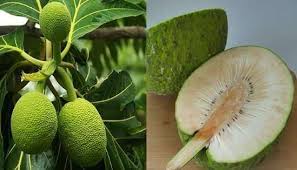
African Breadfruit (Ukwa) is a very nutritious food commonly eaten in southeastern Nigeria primarily by the Igbos. It is also called afon in Yoruba; ize in Benin, Jekri and Sobo; izea in Ijaw; and ediang in Efik.
Breadfruit (Ukwa) is the seed of the African Breadfruit. Ukwa could be cooked with potash and just eaten like that or it could also be separated from the water for just the seeds to be mashed with some ingredients and thereafter served with the extract (water).
Scientifically known as Treculia africana, breadfruit is a highly sought after fruit due to its medicinal properties. It contains moderate levels of essential vitamins and minerals.
Fresh seeds contain 38.3% carbohydrate, 15.9% fat and 17.7% crude protein. It contains adequate levels of protein. 100 grams provide 7.4 grams of protein, approximately 23% of the recommended amount.
Readily available in many developing African countries, it can be an alternative to rice and yam. The seeds of Treculia africana can be ground to flour, pressed for oil and used as flavouring in alcoholic drinks. It is rich in riboflavin, iron, niacin, thiamin, iron and phosphorus.
It contains minerals like potassium, copper, iron, magnesium, calcium, zinc, manganese, selenium and phosphorus. It is low in saturated fats, cholesterol and sodium.
Despite the many health benefits of breadfruit, investigations revealed that the food is gradually phasing out of tables of many Nigerians even among the Igbos where the highly nutritious food was once a common meal for the family.
The small brown seeds have groundnut flavor when roasted and it is eaten whole or made into paste for sauce. At times it is made into refreshing drinks as well as making breadfruit cakes, snacks and cookies.
Read Also: All you need to know about Cucumber Farming Business
Health Benefits / Nutritional Values of African Breadfruit (Ukwa)
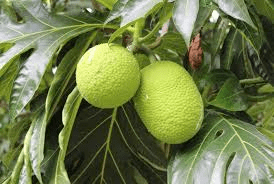
Its pulp has more fiber, which makes it a good bulk laxative. Dietary fiber helps reduce blood cholesterol by preventing its absorption in the gut, reduce obesity, blood pressure and help protect the colon mucous membrane by warding off cancer-causing chemicals from the colon.
It has small amounts of flavonoid anti-oxidants in the form of xanthin and lutein.
The fruit has moderate levels of essential vitamins, and minerals. Like other tropical delicacies, it is rich in many vital B-complex groups of vitamins. The fruit is a moderate source of vitamins, especially thiamin, pyridoxine, and niacin.
The fresh fruit is an excellent source of potassium. Potassium is an important component of cell and body fluids that help regulate heart rate and blood pressure. Its pulp is good in copper, iron, magnesium, and phosphorus.
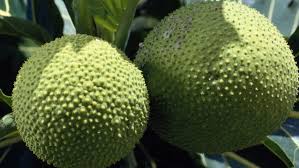
Breadfruit seeds contain average levels of protein.
Regular consumption of this food makes skin healthy from both outside and inside. Breadfruit prevents hair disorders such as dandruff effectively.
Breadfruit porridge is one of the diabetic healthy foods that is prepared and eaten to help control blood sugar level.
The fruit as well as the leaves and latex of its tree work as a natural medicine for curing diseases like Diarrhea, Asthma, and Sciatica.
The fiber present in breadfruit reduces absorption of glucose from the consumption of the food people eat. The fiber also flushes out toxins from the intestine and helps in proper functioning of the bowels and intestines.
Dehusking of the African breadfruit seed increases the crude protein, oil, crude fibre and calorific value but decreases the moisture, ash and total carbohydrate. The obese should dehusk the seeds before eating in order not to aggravate the problem of obesity.
The high content of calcium, magnesium, iron and low content of lead, copper, zinc and potassium in husked seed of African breadfruit indicates that it is better for children to eat husked seeds rather than dehusked seeds.
Scientific Evidence and Case Studies on African Breadfruit
1. Nutritional Composition: Fresh seeds of Treculia africana contain approximately 38.3% carbohydrates, 15.9% fat, and 17.7% crude protein, providing 7.4 g of protein per 100 g (about 23% of daily needs) along with high levels of minerals such as potassium, iron, magnesium, calcium, zinc, and phosphorus.
2. High Dietary Fiber Content: The pulp is rich in dietary fiber, which acts as a bulk laxative, reduces cholesterol absorption, helps control blood pressure, supports weight management, and protects the colon from cancer-causing agents.
3. Antioxidant Properties: Breadfruit contains flavonoid antioxidants like xanthin and lutein, along with moderate levels of B-complex vitamins (thiamin, pyridoxine, niacin, riboflavin), contributing to overall cellular protection and health.
4. Blood Sugar Regulation: High fiber content slows glucose absorption, making breadfruit porridge a suitable food for managing blood sugar levels in diabetic individuals.
5. Medicinal Uses: Traditional and preliminary studies support the use of the fruit, leaves, and latex for treating diarrhea, asthma, sciatica, and other ailments, with husked seeds showing better mineral profiles (high calcium, magnesium, iron) for children.
Summary of African Breadfruit (Ukwa)

| Aspect | Description |
|---|---|
| What is African Breadfruit | Seeds of the Treculia africana tree (Ukwa in Igbo), a nutritious staple in southeastern Nigeria (especially among Igbos) and other regions, used as an alternative to rice or yam. |
| Key Nutrients | 38.3% carbohydrates, 15.9% fat, 17.7% crude protein (7.4 g per 100 g); rich in B vitamins (thiamin, niacin, riboflavin, pyridoxine), potassium, iron, magnesium, calcium, zinc, phosphorus, copper, manganese, selenium; high dietary fiber; low in saturated fats, cholesterol, sodium. |
| Main Health Benefits | Supports digestion and bowel health via fiber; regulates blood sugar and cholesterol; promotes heart health through potassium; provides antioxidants for skin/hair health; aids in managing diabetes, obesity, and colon protection; treats diarrhea, asthma, sciatica traditionally. |
| Common Preparations | Cooked with potash, mashed into porridge/sauce, roasted (groundnut flavor), ground into flour, pressed for oil, used in drinks, cakes, snacks, cookies; husked or dehusked depending on needs (e.g., dehusked for obese individuals). |
| Traditional & Cultural Role | Highly valued in Igbo cuisine and traditional medicine; gradually declining in popularity despite nutritional value; suitable for children (husked seeds) and diabetics. |
Frequently Asked Questions
1. What is African breadfruit (Ukwa) and where is it commonly consumed?
African breadfruit, known as Ukwa in Igbo, is the seed of the Treculia africana tree, a nutritious staple primarily eaten in southeastern Nigeria by the Igbos and also called afon (Yoruba), ize (Benin), and ediang (Efik).
2. What is the nutritional profile of breadfruit seeds?
Fresh seeds contain about 38.3% carbohydrates, 15.9% fat, 17.7% crude protein (7.4 g per 100 g), and are rich in B vitamins, potassium, iron, magnesium, calcium, zinc, phosphorus, and other minerals; low in saturated fats, cholesterol, and sodium.
3. How does breadfruit benefit digestive health?
Its high dietary fiber acts as a bulk laxative, reduces cholesterol absorption, flushes toxins, supports proper bowel function, and protects the colon from harmful chemicals.
4. Can breadfruit help manage diabetes?
Yes, the fiber slows glucose absorption, making breadfruit porridge a healthy option for controlling blood sugar levels in people with diabetes.
5. Does breadfruit support heart health?
It is an excellent source of potassium, which regulates heart rate and blood pressure, and its fiber helps lower cholesterol, contributing to cardiovascular health.
6. What are the antioxidant benefits of breadfruit?
Breadfruit contains flavonoid antioxidants (xanthin, lutein) and B vitamins that protect cells, promote healthy skin, prevent dandruff, and support overall wellness.
7. How is African breadfruit typically prepared and eaten?
It can be cooked with potash and eaten whole, mashed into porridge or sauce, roasted for a groundnut-like flavor, ground into flour, pressed for oil, or used in drinks, cakes, snacks, and cookies.
8. Should the seeds be husked or dehusked?
Dehusking increases protein, oil, fiber, and calories but reduces carbohydrates; obese individuals should dehusk to avoid excess calories, while children benefit more from husked seeds due to higher calcium, magnesium, and iron.
9. What traditional medicinal uses does breadfruit have?
The fruit, leaves, and latex are used to treat diarrhea, asthma, sciatica, and other ailments in traditional African medicine.
10. Why is breadfruit becoming less common in diets?
Despite its high nutritional value, investigations show it is gradually phasing out from many Nigerian tables, even among Igbos, possibly due to changing food preferences or availability of alternatives.
Do you have any questions, suggestions, or contributions? If so, please feel free to use the comment box below to share your thoughts. We also encourage you to kindly share this information with others who might benefit from it. Since we can’t reach everyone at once, we truly appreciate your help in spreading the word. Thank you very much for your support and for sharing!
Disclaimer: This article is for educational and informational purposes only. The health benefits described are based on scientific research and traditional knowledge. They ayre not a substitute for professional medical advice, diagnosis, or treatment. Always consult a healthcare professional before using any herb or natural remedy for medical purposes.
Read Also: The Ultimate Step-by-Step Guide to Vegetable Gardening