


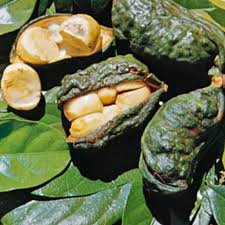
In an article published by Base line of Health Foundation, The kola nuts, also known as cola acuminate, is a caffeine-rich nut that is native to tropical Africa. In these regions, the nut is considered a symbol of hospitality and kindness.
Though nearly tasteless on their own, kola nuts are often chewed before meals to help promote digestion and to help counteract possible ill effects from tainted drinking water.
Kola nut is a stimulant in its own right, containing 1.5% – 2% caffeine, plus theobromine, which increases cerebral circulation. Theobromine is the alkaloid compound that can be found in chocolate and is thought to contribute a sense of alertness and well-being.
This combination of caffeine and theobromine may be a contributing factor for the mild sense of euphoria that’s often reported after chewing the nuts.
Kola nut can help increase oxygen levels in the blood and promote better concentration and a “clearing” of the head. Kola nut also serves to “drive” other herbs into the blood. The kola nut may also help prevent and fight infections.
Research published in the 2004 edition of “Phytotherapy Research” showed that kola nut was effective at reducing the growth and development of members of the mycobacterium species, the bacteria responsible for illnesses such as meningitis and tuberculosis.
One of the oldest medicinal uses for the kola nut is to use it as a natural remedy for chest colds. And modern research has shown that it is effective in this regard.
The kola nuts (cola acuminate) helps by enlarging the alveolar ducts and sacs (small air bags in the lungs where oxygen and carbon dioxide are exchanged with the blood), as well as by improving the strength of the fibers in the lung tissue.
Kola nuts may even offer a natural weight loss benefit. In a study published in the Nigerian Journal of Physiological Sciences, it was found that steady intake of kola nut by rats can actually reduce food intake, and therefore body weight, without altering water intake.
This is thought to be due to the caffeine in the nuts reducing the rats’ appetites. Other studies have found that intake of kola nut can increase the body’s metabolic rate by as much as 118%. Kola nut extracts also contain nonsteroidal plant compounds that have the ability to induce death of cancerous prostate cells and may modulate prostate growth and function.
Kola nuts are often ground into a powder. Because the whole nut stores caffeine much better than the powder form, it is recommended that the nut be ground right before use or preserved in tincture form.
Kola nut powder can be added to coffee to increase the caffeine content, and can also be drunk in tea. The powder is also sometimes taken in capsule form.
Read Also: Reasons why Bitter Kola is Good for You
Nutritional Value of Kola Nuts
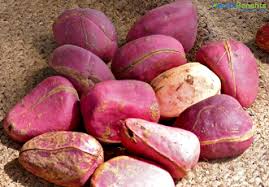
1. Caffeine: Kola nuts are rich in caffeine, a natural stimulant that boosts energy and alertness. Caffeine stimulates the central nervous system, improving focus and reducing fatigue. A single nut contains about 2-3% caffeine, comparable to a cup of coffee.
Kola nuts’ caffeine content makes them a popular choice for combating drowsiness. This natural source of energy is especially valued in regions where synthetic stimulants are less accessible. However, moderation is essential to avoid overstimulation.
2. Theobromine: This compound, similar to caffeine, enhances mood and supports heart health. Theobromine dilates blood vessels, improving circulation and reducing blood pressure. It also contributes to the nut’s stimulating effects.
Theobromine’s presence in kola nuts adds to their cardiovascular benefits. Its mild diuretic effect helps reduce water retention, promoting kidney function. This makes kola nuts a multifaceted nutritional powerhouse.
3. Tannins: Kola nuts contain tannins, antioxidants with anti-inflammatory properties. Tannins help combat oxidative stress, protecting cells from damage. They also contribute to the nut’s astringent taste, which aids digestion.
Tannins’ antioxidant effects support overall health by reducing inflammation. Their role in digestion makes kola nuts a traditional remedy for stomach issues, enhancing gut health when consumed appropriately.
4. Fiber: Kola nuts provide dietary fiber, which supports digestive health. Fiber promotes regular bowel movements and prevents constipation. It also helps regulate blood sugar by slowing glucose absorption.
Fiber in kola nuts contributes to a healthy gut microbiome. By supporting digestion, it ensures nutrients are absorbed efficiently, making kola nuts a valuable addition to a balanced diet.
5. Protein: Kola nuts contain small amounts of protein, essential for muscle repair and growth. While not a primary protein source, they contribute to overall nutrient intake, supporting tissue maintenance.
Protein in kola nuts, though modest, supports metabolic functions. Combined with other nutrients, it makes the nut a well-rounded option for those seeking natural energy sources.
6. Phenolic Compounds: These antioxidants protect against free radical damage, reducing the risk of chronic diseases like cancer. Phenolics in kola nuts enhance their anti-inflammatory and anti-aging properties.
Phenolic compounds make kola nuts a potent ally against oxidative stress. Their protective effects on cells underscore the nut’s role in promoting long-term health.
7. Magnesium: Kola nuts contain magnesium, which supports muscle function, nerve health, and energy production. Magnesium also aids in stress reduction and improves sleep quality.
Magnesium’s role in kola nuts enhances their calming yet energizing effects. It supports overall wellness, particularly for those with active lifestyles or high stress levels.
8. Potassium: This mineral helps regulate blood pressure and supports heart health. Potassium in kola nuts balances sodium levels, reducing the risk of hypertension.
Potassium’s presence in kola nuts supports cardiovascular function. It ensures proper fluid balance, making the nuts beneficial for heart-conscious individuals.
9. Vitamin C: Kola nuts provide small amounts of vitamin C, an antioxidant that boosts immunity and promotes skin health. It aids in collagen formation and fights infections.
Vitamin C in kola nuts strengthens the immune system. Its antioxidant properties complement other compounds, enhancing the nut’s overall health benefits.
10. Carbohydrates: Kola nuts are a source of complex carbohydrates, providing sustained energy. These carbs fuel physical activity and support metabolic processes.
Carbohydrates in kola nuts ensure steady energy release. This makes them ideal for individuals needing a natural boost during long workdays or physical tasks.
The diverse nutrients in kola nuts highlight their value as a functional food. From caffeine to antioxidants, they offer a range of benefits when consumed thoughtfully.
Health Benefits of Kola Nuts
1. Boosts Energy Levels: Kola nuts’ high caffeine content stimulates the central nervous system, increasing alertness and reducing fatigue. This makes them a natural energy booster, ideal for combating midday slumps. For example, students in Nigeria often chew kola nuts during study sessions to stay focused.
Usage: Chew one small kola nut or consume a quarter teaspoon of kola nut powder mixed with water. Limit to once daily to avoid overstimulation.
2. Enhances Metabolism: Caffeine and theobromine in kola nuts increase metabolic rate, aiding in calorie burning. This supports weight management by improving fat oxidation. Athletes in West Africa use kola nuts to enhance performance during training.
Usage: Add half a teaspoon of kola nut extract to a smoothie or tea. Consume before workouts for optimal metabolic benefits.
3. Improves Digestion: Tannins and fiber in kola nuts promote healthy digestion by reducing inflammation and regulating bowel movements. They help alleviate bloating and constipation. For instance, traditional healers in Ghana recommend kola nuts for digestive discomfort.
Usage: Chew a small piece of kola nut after meals or drink kola nut tea (one teaspoon steeped in hot water) to aid digestion.
4. Supports Heart Health: Theobromine and potassium in kola nuts improve blood circulation and regulate blood pressure. These compounds reduce the risk of cardiovascular issues, making kola nuts heart-friendly. Elderly individuals in African communities often use them to support heart function.
Usage: Consume a quarter teaspoon of kola nut powder mixed with juice daily to support cardiovascular health.
5. Enhances Mental Focus: Caffeine improves cognitive function, sharpening focus and memory. Kola nuts are often used by professionals during long meetings to maintain mental clarity. Their stimulating effects rival synthetic nootropics.
Usage: Chew one kola nut or sip kola nut tea (one teaspoon in hot water) before tasks requiring concentration.
6. Reduces Inflammation: Tannins and phenolic compounds in kola nuts have anti-inflammatory properties, reducing chronic inflammation linked to diseases like arthritis. They help alleviate joint pain and swelling.
Usage: Drink kola nut tea (one teaspoon steeped for 10 minutes) twice weekly to manage inflammation.
7. Boosts Immunity: Vitamin C and antioxidants in kola nuts strengthen the immune system, helping the body fight infections. Regular consumption may reduce the frequency of colds and flu.
Usage: Add a quarter teaspoon of kola nut powder to warm water with honey daily during flu season.
8. Aids Weight Loss: By boosting metabolism and suppressing appetite, kola nuts support weight loss efforts. Their caffeine content increases energy expenditure, aiding fat loss. For example, fitness enthusiasts in Cameroon incorporate kola nuts into pre-workout routines.
Usage: Mix half a teaspoon of kola nut extract into a morning smoothie to curb appetite and boost metabolism.
9. Improves Respiratory Health: Theobromine acts as a bronchodilator, easing breathing in conditions like asthma. Kola nuts have been used traditionally to relieve respiratory discomfort.
Usage: Drink kola nut tea (one teaspoon steeped in hot water) daily to support respiratory function.
10. Enhances Mood: Theobromine and caffeine elevate mood by stimulating dopamine release. This makes kola nuts a natural remedy for mild stress and low mood.
Usage: Chew a small kola nut or consume kola nut tea (one teaspoon) in the morning to improve mood.
11. Supports Kidney Function: The diuretic effect of theobromine helps flush toxins from the kidneys, promoting renal health. This reduces water retention and supports detoxification.
Usage: Drink kola nut tea (one teaspoon steeped) once daily to support kidney health.
12. Improves Skin Health: Vitamin C and antioxidants in kola nuts promote collagen production and protect against skin aging. They help reduce blemishes and improve skin elasticity.
Usage: Apply a paste made from one teaspoon of kola nut powder and water to the skin weekly as a mask.
Read Also: 7 Amazing Health Benefits of Cherries
Scientific Evidence and Case Studies on Kola Nuts
1. Caffeine and Cognitive Performance: A study by Smith, A. (2002) in Food and Chemical Toxicology found that caffeine in kola nuts improves attention and reaction time. Participants consuming kola nut extract showed enhanced cognitive performance compared to a placebo group.
2. Theobromine and Cardiovascular Health: Research by Kelly, C. J. (2005) in Hypertension demonstrated that theobromine in kola nuts reduces blood pressure by dilating blood vessels. The study highlighted its potential in managing hypertension.
3. Antioxidant Properties of Tannins: Odebunmi, E. O., et al. (2009) in African Journal of Biotechnology confirmed that tannins in kola nuts exhibit strong antioxidant activity, reducing oxidative stress and protecting against cellular damage.
4. Metabolic Rate Increase: A 2011 study by Dulloo, A. G. in International Journal of Obesity showed that caffeine and theobromine in kola nuts increase metabolic rate by 5-10%, aiding weight management in healthy adults.
5. Digestive Health Benefits: Adeyeye, E. I. (2010) in Pakistan Journal of Nutrition found that kola nuts’ fiber and tannins improve digestion by reducing gut inflammation and promoting bowel regularity.
These studies validate the traditional uses of kola nuts, highlighting their benefits for cognition, heart health, and digestion. Further research is needed to explore their full potential.
Frequently Asked Questions About Kola Nuts
1. What are kola nuts?
Kola nuts are seeds from the Cola acuminata tree, native to West Africa. They are used for their stimulating effects and cultural significance.
2. Are kola nuts safe to consume?
In moderation, kola nuts are safe for most people. Avoid excessive intake due to caffeine, which may cause insomnia or jitters.
3. How do kola nuts boost energy?
Their caffeine content stimulates the nervous system, increasing alertness and reducing fatigue, similar to coffee or tea.
4. Can kola nuts help with weight loss?
Yes, their caffeine and theobromine boost metabolism and suppress appetite, supporting weight loss when paired with a healthy diet.
5. Are there side effects of kola nuts?
Overconsumption may lead to anxiety, heart palpitations, or digestive issues due to high caffeine levels. Stick to recommended amounts.
6. How can I consume kola nuts?
Chew small pieces, drink as tea (one teaspoon steeped), or use powder in smoothies. Always start with small doses.
7. Do kola nuts improve digestion?
Yes, their fiber and tannins promote bowel regularity and reduce gut inflammation, aiding digestion when consumed moderately.
8. Are kola nuts good for heart health?
Theobromine and potassium in kola nuts support blood circulation and blood pressure regulation, benefiting cardiovascular health.
Do you have any questions, suggestions, or contributions? If so, please feel free to use the comment box below to share your thoughts. We also encourage you to kindly share this information with others who might benefit from it. Since we can’t reach everyone at once, we truly appreciate your help in spreading the word. Thank you very much for your support and for sharing!
Disclaimer: This article is for educational and informational purposes only. The health benefits described are based on scientific research and traditional knowledge. They are not a substitute for professional medical advice, diagnosis, or treatment. Always consult a healthcare professional before using any herb or natural remedy for medical purposes.