


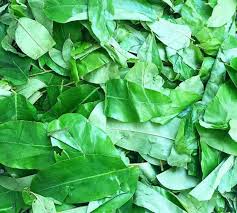
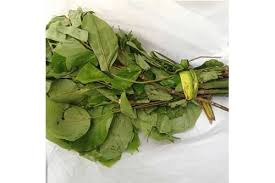
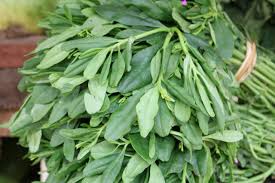
Oha leaf, also known as “African Rosewood” or “Pterocarpus mildbraedii,” is a popular leafy vegetable commonly used in West African cuisine, particularly in Nigeria. This dark green, slightly tender leaf is highly prized not only for its rich flavor but also for its numerous health benefits.
In traditional African dishes like oha soup, it adds a unique taste and texture that has made it a favorite in many households. Beyond its culinary use, oha leaf is packed with essential nutrients that promote overall health and well-being.
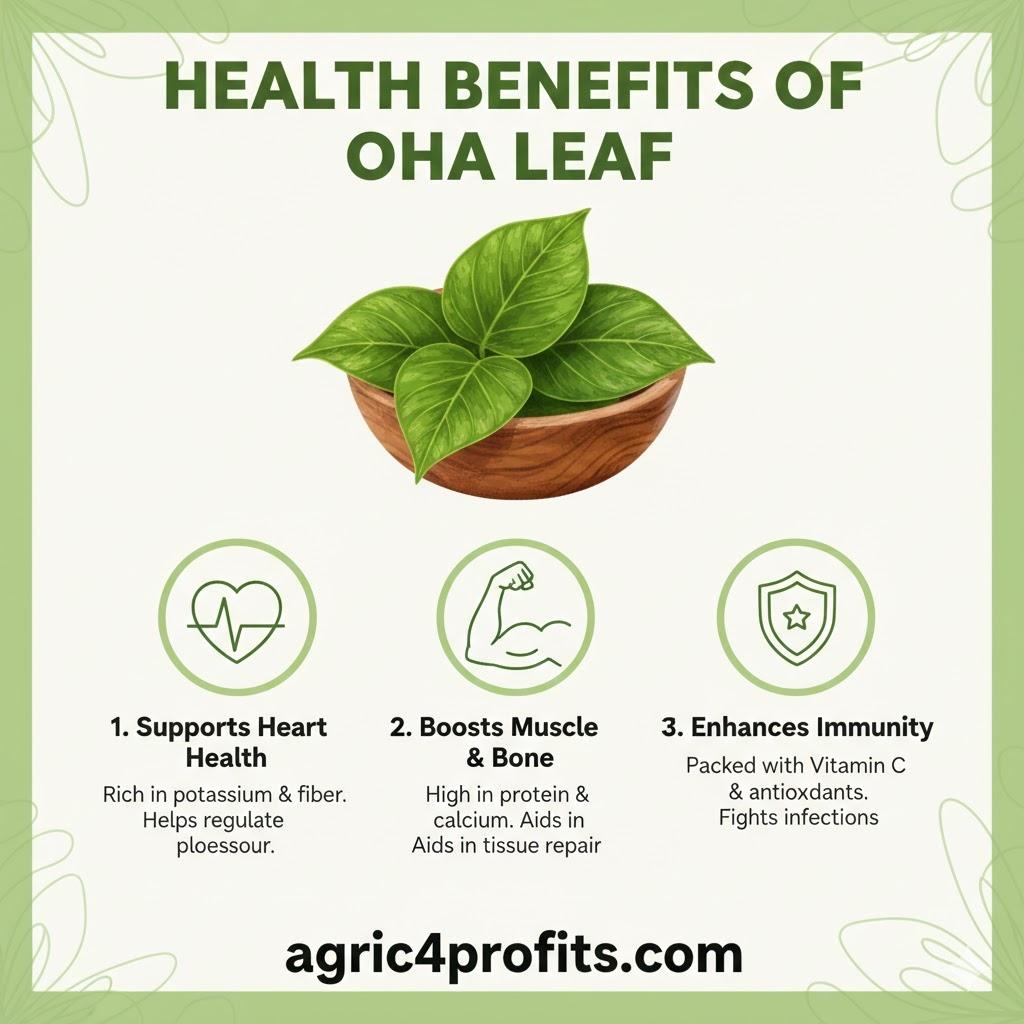
One of the primary health benefits of oha leaf is its rich vitamin and mineral content. It contains vitamins A, C, and E, which play a vital role in boosting the immune system, improving skin health, and maintaining healthy vision.
Vitamin C, in particular, is essential for the production of collagen, which supports healthy skin, bones, and joints. The presence of vitamin A helps in protecting the eyes from degeneration and reduces the risk of night blindness.
Oha leaf is also a good source of minerals such as calcium, potassium, and magnesium. Calcium is crucial for maintaining strong bones and teeth, while potassium supports heart health by regulating blood pressure. Magnesium helps in maintaining normal muscle and nerve function, and it also plays a role in regulating blood sugar levels and supporting a healthy immune system.
In addition to its vitamin and mineral profile, oha leaf is rich in antioxidants. These antioxidants help protect the body from oxidative stress, which can lead to chronic diseases such as cancer, heart disease, and diabetes. The antioxidants in oha leaf neutralize harmful free radicals, reducing the risk of cell damage and promoting overall health.
Another significant health benefit of oha leaf is its role in improving digestion. It contains dietary fiber, which aids in digestion by promoting regular bowel movements and preventing constipation. A diet rich in fiber is essential for maintaining gut health, reducing the risk of digestive issues such as irritable bowel syndrome (IBS) and other gastrointestinal problems.
Oha leaf is also known for its anti-inflammatory properties, which can help reduce inflammation in the body. This makes it beneficial for people suffering from inflammatory conditions such as arthritis. The anti-inflammatory compounds in oha leaf help soothe inflammation and alleviate symptoms of pain and discomfort.
Moreover, oha leaf has been traditionally used to manage blood sugar levels, making it a helpful addition to the diet of individuals with diabetes. Its ability to regulate blood glucose levels can help prevent spikes in blood sugar, contributing to better diabetes management and overall health.
Oha leaf is a nutrient-dense vegetable that offers a wide range of health benefits. Its rich vitamin and mineral content, antioxidant properties, and role in supporting digestion, reducing inflammation, and regulating blood sugar make it an excellent addition to a balanced diet.
Consuming oha leaf regularly can contribute to improved health and well-being, making it a valuable food for maintaining overall wellness.
Nutritional Composition of Oha Leaf and Its Health Impact
Oha leaf, also known as Pterocarpus mildbraedii, is a popular leafy vegetable in West Africa, especially in Nigeria. It is packed with essential nutrients that provide numerous health benefits.
1. Rich in Vitamins: Oha leaf contains significant amounts of vitamins A and C, which are crucial for maintaining healthy skin, vision, and immune function.
2. High in Minerals: The leaf is also rich in minerals like calcium, magnesium, potassium, and iron which support bone health and red blood cell production.
3. Antioxidants: Oha leaves are abundant in antioxidants, including flavonoids and phenolic compounds that help to neutralize free radicals.
4. Low in Calories: Oha leaf is low in calories, making it a suitable choice for individuals looking to manage their weight.
5. Fiber-Rich: The fiber content in Oha leaf promotes digestive health and can help regulate bowel movements, preventing constipation.
Oha Leaf and Its Role in Boosting Immunity
1. Rich in Vitamin C: This vitamin stimulates the production of white blood cells that fight off infections and diseases.
2. Antimicrobial Properties: Oha leaf is known for its antimicrobial properties, helping the body resist infections caused by bacteria and viruses.
3. Antioxidant Protection: The antioxidants present in Oha leaf strengthen the immune system by supporting cellular health and preventing oxidative stress.
4. Improves Wound Healing: Oha leaves contribute to faster wound healing through the synthesis of collagen needed to repair damaged tissues.
Digestive Health Benefits of Oha Leaf
1. High Fiber Content: Fiber helps regulate bowel movements, preventing constipation and promoting a healthy digestive system.
2. Promotes Gut Health: The fiber in Oha leaf acts as a prebiotic, feeding the beneficial bacteria in the gut.
3. Prevents Digestive Disorders: Regular consumption may help in preventing common digestive issues such as bloating and indigestion.
4. Supports Detoxification: The fiber in Oha leaf helps in detoxifying the body by aiding the removal of toxins from the digestive tract.
Read Also: 12 Medicinal Health Benefits Of Renealmia alpinia (Pink cone ginger)
How Oha Leaf Supports Heart Health
1. Lowers Cholesterol Levels: The fiber content in Oha leaf helps lower cholesterol by reducing the absorption of bad cholesterol (LDL) in the body.
2. Potassium for Blood Pressure Regulation: Potassium helps balance sodium levels in the body, reducing strain on the heart and lowering the risk of hypertension.
3. Antioxidants Protect the Heart: Flavonoids and phenolic compounds help reduce oxidative stress that can damage blood vessels.
4. Iron for Healthy Blood Circulation: High iron content supports the production of healthy red blood cells, ensuring proper oxygen transport.
5. Anti-inflammatory Effects: The anti-inflammatory properties of Oha leaf help reduce inflammation in blood vessels, lowering the risk of stroke.
Oha Leaf and Its Antioxidant Properties
1. Flavonoids and Polyphenols: These potent antioxidants help protect cells from damage caused by free radicals.
2. Reduces Oxidative Stress: By neutralizing free radicals, Oha leaf helps protect the body from inflammation and age-related conditions.
3. Prevents Chronic Diseases: The antioxidant properties may help lower the risk of developing diabetes, cancer, and neurodegenerative disorders.
4. Supports Immune Function: Antioxidants protect immune cells from damage, enhancing the body’s ability to fight infections.
Read Also: 16 Medicinal Health Benefits Of Scleromitrion diffusum (Spreading Diamond Flower)
Oha Leaf for Healthy Skin and Hair
1. Vitamin C for Collagen Production: Regular consumption of Oha leaf can promote healthy, glowing skin by supporting collagen production.
2. Hydration and Skin Elasticity: Nutrients in Oha leaf help keep the skin hydrated and improve its elasticity, reducing wrinkles.
3. Promotes Hair Growth: Essential minerals like iron improve blood circulation to the scalp, which supports healthy hair growth.
4. Fights Skin Aging: Antioxidants protect the skin from environmental stressors like UV rays and pollution.
5. Prevents Hair Breakage: Vitamins A and E help moisturize the hair and prevent breakage, promoting stronger hair strands.
Oha Leaf and Its Potential for Weight Management
1. Low-Calorie Food: It can be included in salads or soups without significantly increasing overall calorie intake.
2. High Fiber Content: Fiber promotes satiety and helps control appetite, making you feel fuller for longer.
3. Nutrient Density: Oha leaf provides essential vitamins and minerals without excessive calories to meet nutritional needs.
4. Natural Diuretic Properties: Oha leaf may have mild diuretic properties which can help reduce water retention in the body.
5. Supports Metabolism: Nutrients such as vitamins A and C support metabolic processes to efficiently convert food into energy.
Oha Leaf in Managing Blood Sugar Levels
1. Low Glycemic Index: Oha leaf has a minimal impact on blood sugar levels, making it suitable for diabetic diets.
2. Fiber for Blood Sugar Control: Fiber slows down the absorption of sugars in the digestive tract to prevent glucose spikes.
3. Nutrients that Support Insulin Sensitivity: Essential vitamins and minerals can improve how the body utilizes glucose effectively.
4. Antioxidants that Reduce Inflammation: Reducing inflammation helps combat insulin resistance often associated with high sugar levels.
5. Incorporating into a Balanced Diet: Including Oha leaf in meals contributes to better long-term blood sugar control.
Oha Leaf’s Anti-inflammatory and Healing Properties
1. Rich in Antioxidants: These compounds combat oxidative stress and reduce systemic inflammation in the body.
2. Supports Wound Healing: Anti-inflammatory properties may aid in healing by promoting blood circulation and tissue repair.
3. Relief from Inflammatory Conditions: Regular consumption may provide relief from joint pain and swelling associated with arthritis.
4. Immune System Support: Protecting immune cells from damage enhances the body’s natural defense mechanisms.
5. Promotes Skin Health: Anti-inflammatory effects benefit skin health by reducing redness and irritation.
Do you have any questions, suggestions, or contributions? If so, please feel free to use the comment box below to share your thoughts. We also encourage you to kindly share this information with others who might benefit from it. Since we can’t reach everyone at once, we truly appreciate your help in spreading the word. Thank you so much for your support and for sharing!
Scientific Evidence and Case Studies on Health Benefits Of Oha Leaf
1. Bone Density Support: Research into Pterocarpus mildbraedii indicates that its high concentration of calcium and magnesium significantly aids in maintaining bone mineral density.
2. Glycemic Response Studies: Clinical observations on dietary fiber in leafy vegetables show that oha leaf consumption results in a lower postprandial glucose response.
3. Antioxidant Capacity Analysis: Laboratory evaluations have confirmed that the phenolic and flavonoid content in oha leaves effectively neutralizes oxidative free radicals.
4. Antimicrobial Efficacy: Phytochemical screening has demonstrated that extracts from oha leaves possess inhibitory properties against several common bacterial strains.
5. Cardiovascular Protective Effects: Studies on potassium-rich traditional vegetables suggest that regular intake of oha leaf helps in the management of hypertension and vascular health.
Summary of Health Benefits Of Oha Leaf
| Category | Key Benefit | Impact on Health |
| Nutrients | Vitamins A, C, E, & Iron | Boosts immunity and prevents anemia. |
| Digestive | High Dietary Fiber | Prevents constipation and supports gut health. |
| Heart | Potassium & Low LDL | Regulates blood pressure and lowers cholesterol. |
| Skin/Hair | Collagen Support | Promotes youthful skin and hair growth. |
| Metabolic | Low Glycemic Index | Helps in managing diabetes and weight loss. |
Frequently Asked Questions
1. What is Oha leaf?
Oha leaf is a medicinal vegetable from the African Rosewood tree, commonly used in Nigeria for making traditional soups and supporting overall wellness.
2. Is Oha leaf good for pregnant women?
Yes, it is rich in iron and calcium, which are essential nutrients for blood production and bone development during pregnancy.
3. Can Oha leaf help with weight loss?
Absolutely, it is very low in calories and high in fiber, which helps you feel full and reduces the urge to overeat.
4. Does Oha leaf help manage diabetes?
Yes, its low glycemic index and high fiber content help to slow down sugar absorption and prevent spikes in blood glucose.
5. How does Oha leaf benefit the skin?
The high Vitamin C content supports collagen production, which keeps the skin firm, elastic, and youthful.
6. Is Oha leaf beneficial for heart health?
Yes, the potassium in the leaf helps regulate blood pressure, while the fiber helps to lower bad cholesterol levels.
7. Can Oha leaf reduce inflammation?
The leaf contains powerful antioxidants and anti-inflammatory compounds that help reduce swelling and pain in conditions like arthritis.
8. How should Oha leaf be prepared to keep its nutrients?
It is best to wash the leaves thoroughly and add them to the soup at the very end of the cooking process to avoid overcooking the vitamins.
9. Does Oha leaf improve digestion?
Yes, the dietary fiber acts as a natural bulk-forming agent that promotes regular bowel movements and prevents bloating.
10. Are there any side effects to eating Oha leaf?
Oha leaf is generally safe for consumption as a vegetable; however, it should be eaten as part of a balanced diet for the best results.
Do you have any questions, suggestions, or contributions? If so, please feel free to use the comment box below to share your thoughts. We also encourage you to kindly share this information with others who might benefit from it. Since we can’t reach everyone at once, we truly appreciate your help in spreading the word. Thank you very much for your support and for sharing!
Disclaimer: This article is for educational and informational purposes only. The health benefits described are based on scientific research and traditional knowledge. They ayre not a substitute for professional medical advice, diagnosis, or treatment. Always consult a healthcare professional before using any herb or natural remedy for medical purposes.
Read Also: Complete Composting Guide for Beginners