


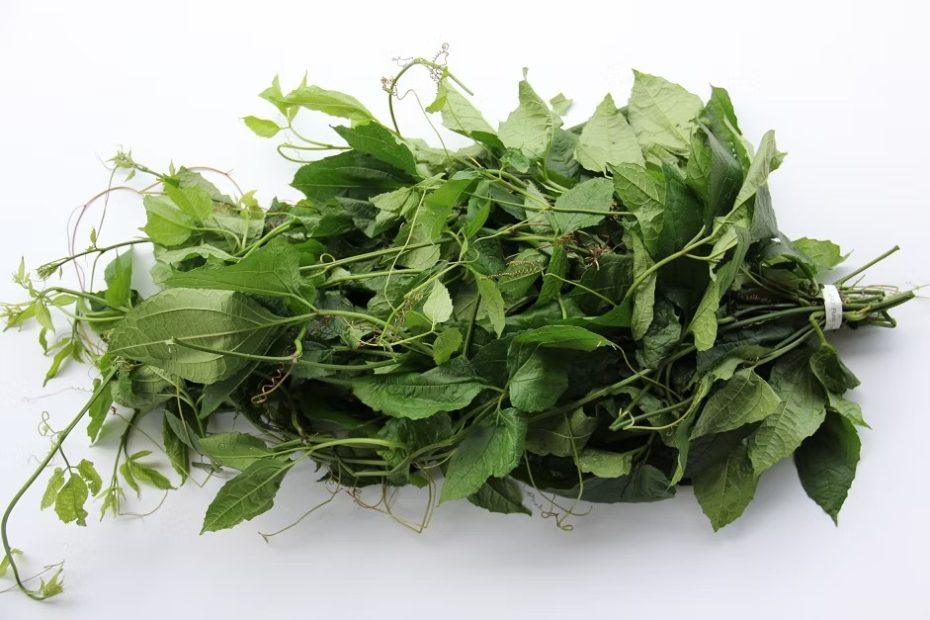
Ugu leaf, scientifically known as Telfairia occidentalis and commonly referred to as fluted pumpkin leaf, is a staple dark green vegetable in West African cuisine, particularly in Nigeria.
It is widely used in soups, stews, and traditional dishes for its rich flavor and exceptional nutritional profile.
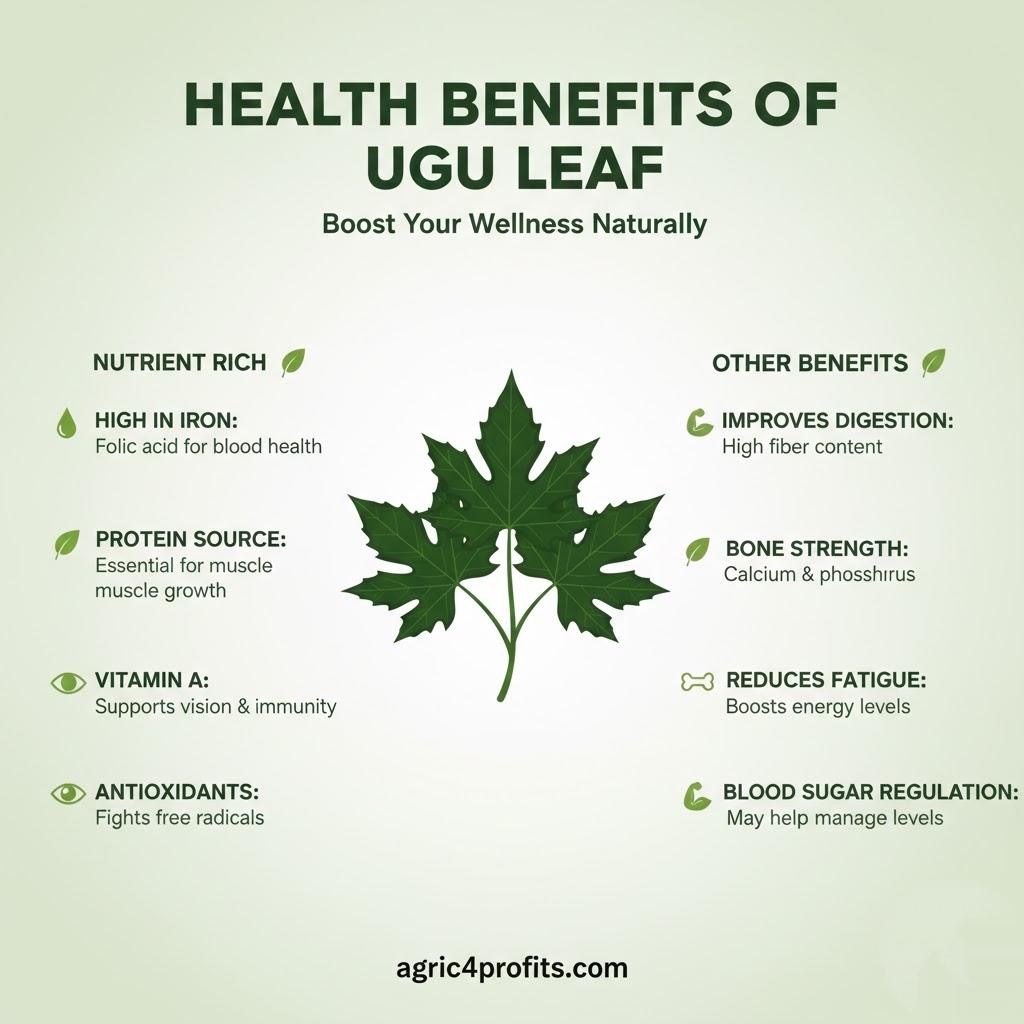
Beyond its culinary value, ugu leaf is packed with essential vitamins (A, C, K), minerals (iron, calcium, potassium), dietary fiber, and powerful antioxidants, making it a natural powerhouse for overall health and wellness.
1. Blood Health and Anemia Prevention:
The high iron content in ugu leaves supports hemoglobin production and red blood cell formation, helping prevent and treat anemia, especially beneficial for pregnant women, menstruating individuals, and those recovering from illness.
2. Antioxidant Protection:
Rich in flavonoids, phenolic compounds, and vitamin C, ugu leaves neutralize free radicals, reduce oxidative stress, and lower the risk of chronic diseases such as cancer, diabetes, and heart disease.
3. Skin and Eye Health Support:
Vitamin A promotes good vision and healthy skin cell regeneration, while vitamin C boosts collagen production, improving skin elasticity, reducing signs of aging, and contributing to a glowing complexion.
4. Digestive Health and Weight Management:
High dietary fiber aids regular bowel movements, prevents constipation, supports beneficial gut bacteria, promotes satiety, and assists in low-calorie weight control.
5. Cardiovascular Benefits:
Potassium helps regulate blood pressure by balancing sodium levels, while antioxidants and anti-inflammatory properties support heart health and reduce hypertension risks.
Ugu leaves also enhance energy levels through improved oxygen transport, support reproductive health and fertility, provide natural detoxification when consumed as juice, and contribute to stronger bones with calcium and vitamin K.
Read Also: Sida acuta Medicinal Uses: A Guide to its Health Benefits and Applications
Medicinal Properties and Uses of Ugu Leaf
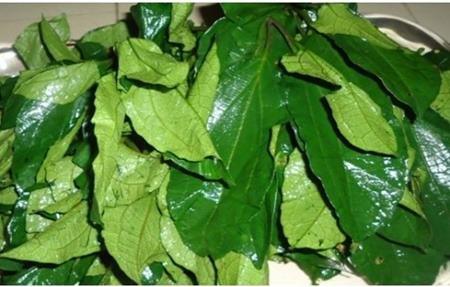
Ugu leaf has been used traditionally in West African herbal medicine for its healing properties.
1. Boosts Immune System: Antioxidants strengthen defenses against infections and oxidative stress.
2. Supports Digestive Health: Fiber promotes regularity and gut microbiome balance.
3. Enhances Skin Health: Vitamins aid collagen synthesis and skin repair.
4. Promotes Bone Health: Calcium and vitamin K maintain bone density.
5. Aids Blood Production: Iron increases hemoglobin levels.
6. Supports Weight Management: Low calories and high fiber induce fullness.
7. Improves Eye Health: Vitamin A prevents vision disorders.
8. Enhances Reproductive Health: Nutrients support fertility and hormonal balance.
9. Helps Manage Blood Pressure: Potassium counters sodium effects.
10. Detoxifies the Body: Natural compounds aid liver and kidney function.
Culinary Uses of Ugu Leaf
Ugu leaf is a versatile ingredient commonly added to soups, stews, and porridges in West African households.
Its mild bitter taste enhances flavor while significantly boosting the nutritional value of meals.
It is regarded as a superfood due to its dense concentration of vitamins, minerals, and fiber.
Nutritional Properties of Ugu Leaf
Ugu leaves are loaded with essential nutrients that support multiple body systems.
Vitamins A, C, and K promote vision, immunity, collagen formation, and blood clotting.
Minerals such as iron (for blood), calcium (for bones), and potassium (for heart and muscle function) make it highly beneficial.
Health Benefits of Ugu Leaves

Ugu leaves offer a wide range of scientifically supported and traditionally recognized advantages.
1. Nutritional Content: Excellent source of vitamins A, C, K, iron, calcium, potassium.
2. Blood Health: Iron prevents anemia and boosts red blood cell production.
3. Digestive Health: Fiber ensures smooth digestion and prevents constipation.
4. Antioxidant Properties: Protects cells from free radical damage.
5. Anti-inflammatory Effects: Reduces chronic inflammation linked to diseases.
6. Skin Health: Supports regeneration and youthful appearance.
7. Reproductive Health: Enhances fertility and hormonal balance.
8. Weight Management: Promotes satiety with minimal calories.
9. Heart Health: Potassium helps maintain healthy blood pressure.
10. Ugu Seeds: Provide additional protein, healthy fats, and energy support.
Read Also: Health Benefits of Pawpaw Fruit
Scientific Evidence and Case Studies on Ugu Leaf (Telfairia occidentalis)
1. Haematinic Effects: Ugu Leaf extracts significantly increase hemoglobin and red blood cell counts, supporting anemia treatment.
2. Antioxidant Activity: Studies show elevated antioxidant enzyme levels and reduced oxidative damage in various models.
3. Antidiabetic Potential: Extracts lower blood glucose and improve insulin response through bioactive compounds.
4. Anti-inflammatory Benefits: Reduced inflammation markers and improved lipid profiles observed in research.
5. Reproductive Support: Evidence indicates enhanced sperm quality, fertility, and hormonal regulation from nutrient profile.
Summary of Health Benefits of Ugu Leaf
| Section | Key Benefits |
|---|---|
| Introduction | Nutrient-dense Telfairia occidentalis leaves rich in vitamins, minerals, fiber, and antioxidants for blood, immunity, digestion, skin, and overall health. |
| Nutritional Properties | High vitamins A, C, K; iron, calcium, potassium support vision, bones, blood, pressure, and immunity. |
| Medicinal Properties | Boosts immunity, digestion, skin, bones, blood production; aids weight, eyes, fertility, pressure control, detox. |
| Health Benefits | Prevents anemia, fights oxidative stress, supports digestion, reduces inflammation, improves skin/fertility/weight/heart health. |
| Culinary & Uses | Enhances soups and stews; used in traditional teas and infusions for medicinal purposes. |
Frequently Asked Questions
1. What is the scientific name of ugu leaf?
Ugu leaf is scientifically known as Telfairia occidentalis, commonly called fluted pumpkin leaf.
2. How does ugu leaf help with anemia?
Its high iron content boosts hemoglobin and red blood cell production, naturally preventing and treating anemia.
3. Can ugu leaf improve skin health?
Yes, vitamins A and C promote collagen synthesis, skin regeneration, elasticity, and a clearer, more youthful complexion.
4. Is ugu leaf effective for weight management?
Ugu leaf is low in calories and high in fiber, helping create fullness, reduce overeating, and support healthy weight loss or maintenance.
5. How does ugu leaf benefit blood pressure?
The potassium content helps balance sodium, relax blood vessels, and maintain normal blood pressure levels.
6. What antioxidant benefits does ugu leaf offer?
It contains flavonoids, phenols, and vitamin C that neutralize free radicals, reduce oxidative stress, and lower chronic disease risks.
7. Does ugu leaf support digestive health?
Yes, its dietary fiber promotes regular bowel movements, prevents constipation, and nourishes beneficial gut bacteria.
8. Can ugu leaf enhance fertility?
Traditionally used for reproductive health, its nutrients support hormonal balance, improve sperm quality in men, and aid fertility in both genders.
9. What are the advantages of drinking ugu leaf juice?
Ugu leaf juice delivers concentrated nutrients, supports blood purification, kidney and liver detox, and provides quick nutrient absorption.
10. Is it safe to consume ugu leaf regularly?
Yes, ugu leaf is safe and highly nutritious when eaten in meals or as juice as part of a balanced diet, with no major side effects for most people.
Do you have any questions, suggestions, or contributions? If so, please feel free to use the comment box below to share your thoughts. We also encourage you to kindly share this information with others who might benefit from it. Since we can’t reach everyone at once, we truly appreciate your help in spreading the word. Thank you very much for your support and for sharing!
Disclaimer: This article is for educational and informational purposes only. The health benefits described are based on scientific research and traditional knowledge. They ayre not a substitute for professional medical advice, diagnosis, or treatment. Always consult a healthcare professional before using any herb or natural remedy for medical purposes.