



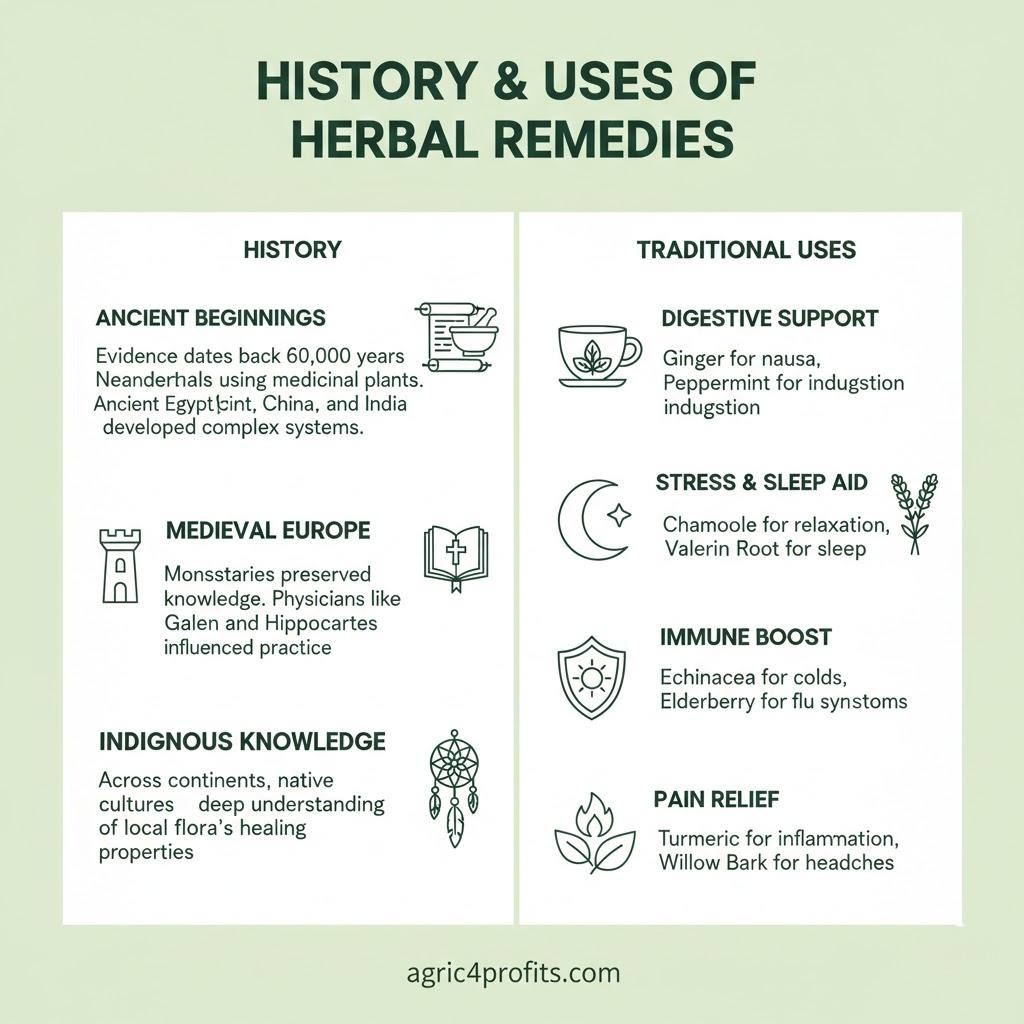
Herbal medicine ranks among the oldest healthcare forms, spanning thousands of years across cultures, using plants and extracts to treat illnesses and promote health.
Origins trace to ancient Egypt (Ebers Papyrus, ~1500 BCE, documenting over 700 remedies like garlic and willow), China (Huangdi Neijing, ~300 BCE, foundational to TCM with holistic herb use), and India (Ayurveda, over 3,000 years, balancing body-mind-spirit via herbs in texts like Charaka Samhita).
In medieval Europe, herbal knowledge survived in monasteries despite declines linked to religious views. The Renaissance revived interest through herbals and figures like Nicholas Culpeper.
The 18th-19th centuries advanced chemistry, isolating compounds and birthing modern pharmacology, while Eclectic Medicine in the US blended traditions scientifically.
The 20th century saw synthetic drugs dominate, but late 20th/early 21st centuries revived natural remedies amid side-effect concerns, with research validating many practices.
Today, herbal medicine blends ancient wisdom with scientific evidence, integrated into complementary and conventional care.
Common Herbs and Their Uses
1. Basil (Ocimum basilicum): Basil offers anti-inflammatory and antibacterial properties, aiding digestive issues and respiratory infections; basil tea soothes upset stomachs, and essential oil supports aromatherapy.
2. Chamomile (Matricaria chamomilla): Chamomile calms anxiety, promotes relaxation and sleep, and eases digestive discomfort or menstrual cramps, often as soothing tea.
3. Echinacea (Echinacea purpurea): Echinacea boosts the immune system, reduces inflammation, and helps prevent or shorten colds, commonly taken as supplements or teas.
4. Ginger (Zingiber officinale): Ginger relieves nausea, digestive issues, pain, and swelling; ginger tea aids morning sickness, motion sickness, and discomfort.
5. Peppermint (Mentha × piperita): Peppermint eases digestive problems, headaches, and nausea via menthol’s cooling effect; tea or oil helps tension headaches and relaxation.
6. Turmeric (Curcuma longa): Turmeric’s curcumin provides strong anti-inflammatory and antioxidant effects, supporting joint health and managing chronic conditions like arthritis.
7. Lavender (Lavandula angustifolia): Lavender reduces stress and promotes sleep through aromatherapy; oil diffuses or adds to baths for soothing.
8. Garlic (Allium sativum): Garlic supports cardiovascular health by lowering blood pressure and cholesterol; consume raw, cooked, or as seasoning.
Read Also: 18 Medicinal Health Benefits Of Phellodendron amurense (Amur Cork Tree)
How Herbal Remedies Work
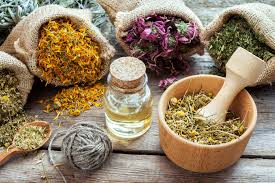
Herbal remedies function via biochemical interactions and traditional knowledge.
1. Active Compounds: Herbs contain medicinal compounds (e.g., flavonoids in chamomile for anti-inflammatory effects, curcumin in turmeric for antioxidants) that interact with body systems.
2. Synergistic Effects: Combined compounds amplify benefits (e.g., ginger and honey enhance anti-nausea action).
3. Modulation of Body Systems: Adaptogens like ashwagandha regulate stress hormones; immune herbs like echinacea stimulate responses.
4. Placebo Effect: Belief and rituals can produce real physiological improvements.
5. Individual Variability: Effects vary by genetics, health, and lifestyle, requiring personalized use.
Preparing Herbal Remedies
1. Herbal Teas: Steep dried herbs (1-2 tsp per cup) in boiling water 5-10 minutes; strain and drink (e.g., chamomile, peppermint, ginger).
2. Tinctures: Soak herbs in alcohol or vinegar for weeks, shake occasionally, strain, and store in dark bottles; take in small doses.
3. Infused Oils: Infuse dried herbs in carrier oil (olive/coconut) for weeks in warmth; strain for topical use or salves.
4. Herbal Salves: Melt beeswax, mix with infused oil, pour into containers; use for skin issues or moisturizing.
5. Powders and Capsules: Grind dried herbs into powder; encapsulate or add to food (e.g., turmeric).
6. Decoctions: Simmer tough parts (roots/bark) in water 20-30 minutes; strain for stronger extracts.
Safety and Side Effects
1. Safety Concerns: Herbs are generally safe when used properly, but potency, dosage, health status, and interactions matter; consult professionals.
2. Allergic Reactions: Possible rashes or severe responses; patch test topicals and stop if reactions occur.
3. Drug Interactions: Herbs like St. John’s Wort affect antidepressants/birth control; garlic thins blood—inform providers.
4. Toxicity: High doses of some (e.g., comfrey, kava) risk liver damage; follow recommended use.
5. Quality and Contamination: Choose reputable, tested products to avoid heavy metals/pesticides.
6. Pregnancy and Nursing: Avoid certain herbs (e.g., sage); consult providers.
Herbal Remedies for Common Ailments
1. Cold and Flu: Echinacea boosts immunity and shortens colds; elderberry syrup offers antiviral support.
2. Digestive Issues: Ginger relieves nausea/bloating; peppermint tea relaxes GI muscles.
3. Stress and Anxiety: Chamomile tea calms; lavender oil aids relaxation via aromatherapy.
4. Inflammation and Pain: Turmeric (curcumin) reduces inflammation; willow bark eases pain like aspirin.
5. Skin Conditions: Aloe vera soothes burns/irritations; calendula promotes healing.
6. Sleep Disorders: Valerian root improves sleep quality and onset.
Integrating Herbal Remedies with Conventional Medicine
1. Open Communication: Discuss herbal use with providers to monitor interactions.
2. Complementary Approach: Herbs enhance wellness alongside treatments (e.g., turmeric with pain meds).
3. Personalized Treatment Plans: Tailor combinations to individual needs.
4. Evidence-Based Practice: Use research-backed guidance from knowledgeable professionals.
5. Monitoring and Adjustments: Track effects and adjust as needed with follow-ups.
6. Education and Research: Learn about benefits, risks, and interactions for safe choices.
Read Also: What are the Differences Between Broccoli and Cauliflower?
The Role of Herbal Remedies in Holistic Health
1. Mind-Body Connection: Herbs like St. John’s Wort support mood and mental well-being.
2. Natural Healing: Aid body’s self-healing (e.g., echinacea for immunity, ginger for digestion).
3. Preventive Care: Maintain health proactively (e.g., garlic for heart benefits).
4. Personalized Treatment: Tailor to unique needs.
5. Lifestyle Integration: Incorporate into daily routines via teas/supplements.
6. Synergy with Other Therapies: Combine with acupuncture, yoga, etc., for enhanced effects.
Growing Your Own Medicinal Herbs
1. Choosing the Right Herbs: Select suited ones like basil, mint, lavender, rosemary; match to conditions.
2. Site Preparation: Ensure sunlight, good drainage, and nutrient-rich soil with compost.
3. Planting Techniques: Sow/transplant per guidelines; maintain initial moisture without overwatering.
4. Care and Maintenance: Water consistently, fertilize organically, prune/harvest regularly.
5. Pest and Disease Management: Use natural controls like neem oil; healthy plants resist issues.
6. Harvesting and Drying: Harvest at peak, air-dry upside down, store airtight away from light.
Legal and Regulatory Aspects of Herbal Remedies
1. Regulatory Framework: Varies globally; often dietary supplements with less oversight than drugs.
2. Quality Standards: Bodies like FDA/EMA guide labeling/quality, but no strict pre-approval.
3. Labeling Requirements: Must list ingredients, uses, warnings, and interactions.
4. Good Manufacturing Practices (GMP): Recommended/required for consistency and safety.
5. Research and Claims: Claims need evidence; unverified ones risk legal issues.
6. Intellectual Property Rights: Protect traditional knowledge with fair benefit-sharing laws.
Summary of Herbal Remedies: A Comprehensive Guide
| Section | Key Points |
|---|---|
| Introduction | Herbal remedies use plants’ bioactive compounds for natural healing; rooted in ancient traditions (Egyptian, Chinese, Ayurvedic); surging popularity as alternatives to synthetics; supported by modern research (e.g., turmeric anti-inflammatory, garlic cardiovascular benefits). |
| History of Herbal Medicine | Ancient origins (Ebers Papyrus, Huangdi Neijing, Ayurveda); medieval preservation in monasteries; Renaissance revival; 19th-century scientific isolation of compounds; 20th-century resurgence with evidence-based validation. |
| Common Herbs and Their Uses | Lists basil (digestion), chamomile (calming), echinacea (immune), ginger (nausea), peppermint (headaches), turmeric (inflammation), lavender (relaxation), garlic (heart health). |
| How Herbal Remedies Work | Active compounds, synergistic effects, body system modulation, placebo contribution, individual variability. |
| Preparing Herbal Remedies | Teas (steeping), tinctures (alcohol soak), infused oils, salves (beeswax mix), powders/capsules, decoctions (simmering tough parts). |
| Safety and Side Effects | Consult professionals; risks include allergies, drug interactions (e.g., St. John’s Wort), toxicity, contamination; caution in pregnancy. |
| Herbal Remedies for Common Ailments | Cold/flu (echinacea, elderberry), digestion (ginger, peppermint), stress (chamomile, lavender), inflammation (turmeric), skin (aloe, calendula), sleep (valerian). |
| Integrating with Conventional Medicine | Open communication, complementary use, personalized plans, evidence-based, monitoring. |
| Role in Holistic Health | Supports mind-body, natural healing, prevention, personalization, lifestyle integration, synergy with therapies. |
| Growing Your Own | Choose herbs, prepare site, plant/care, manage pests, harvest/dry properly. |
| Legal and Regulatory Aspects | Varies by country; supplement classification, quality/labeling standards, GMP, evidence for claims, IP for traditional knowledge. |
Frequently Asked Questions
1. What are herbal remedies?
Herbal remedies are natural treatments using plants or plant extracts to support health and treat conditions, based on traditional and scientific knowledge of their bioactive compounds.
2. Are herbal remedies safe for everyone?
While often safe when used correctly, they can cause side effects, allergies, or interactions with medications; always consult a healthcare professional, especially if pregnant, nursing, or on prescriptions.
3. How do I know if an herbal remedy is high quality?
Choose products from reputable brands following Good Manufacturing Practices (GMP), with third-party testing for purity, and accurate labeling of ingredients and dosages.
4. Can herbal remedies replace conventional medicine?
No, they typically complement rather than replace it; use them as part of an integrated approach under professional guidance for best results and safety.
5. What is the difference between teas, tinctures, and capsules?
Teas offer gentle, water-based infusions; tinctures provide concentrated alcohol extracts for stronger dosing; capsules deliver powdered herbs for convenient, precise intake.
6. Which herbs help with stress and anxiety?
Chamomile and lavender are popular for calming effects—chamomile as tea for relaxation/sleep, lavender via aromatherapy to reduce stress.
7. Can I grow medicinal herbs at home?
Yes, many like basil, mint, lavender, and rosemary grow well in sunny spots with good soil; regular care, pruning, and proper harvesting maintain potency.
8. Do herbal remedies have scientific backing?
Yes, growing research supports many (e.g., turmeric’s curcumin for inflammation, echinacea’s immune benefits), though evidence varies by herb and condition.
9. What should I do if I experience side effects from herbs?
Stop use immediately and consult a healthcare provider; report severe reactions and inform them of all supplements/medications.
10. How do herbal remedies fit into holistic health?
They promote mind-body balance, natural healing, prevention, and personalization, often synergizing with lifestyle practices like diet, exercise, and therapies such as yoga.
Do you have any questions, suggestions, or contributions? If so, please feel free to use the comment box below to share your thoughts. We also encourage you to kindly share this information with others who might benefit from it. Since we can’t reach everyone at once, we truly appreciate your help in spreading the word. Thank you very much for your support and for sharing!
Disclaimer: This article is for educational and informational purposes only. The health benefits described are based on scientific research and traditional knowledge. They ayre not a substitute for professional medical advice, diagnosis, or treatment. Always consult a healthcare professional before using any herb or natural remedy for medical purposes.
Read Also: The Different Types of Fertilizers and How they Work