


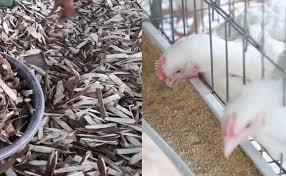
Cassava (Manihot esculenta) is a tropical root vegetable that is gaining serious attention as a poultry feed ingredient. Originally from South America, it is now widely grown across Africa, Asia, and Latin America, where it serves as a staple food for millions of people. Its ability to grow in poor soils and survive dry conditions makes it especially valuable for smallholder farmers in regions where other crops struggle.
Beyond human food, cassava is increasingly being used in animal feed, and poultry farmers are finding it to be a practical and affordable alternative to traditional grains like corn. The root is rich in starch and carbohydrates, providing a strong energy source for both broilers and layers. It is also relatively cheap, which helps farmers cut down on feed costs without sacrificing bird performance.
However, cassava cannot simply be dug up and thrown into a feed mixer. Raw cassava contains cyanogenic glycosides, naturally occurring compounds that are toxic if not properly removed or reduced. Processing is not optional. It is a necessary step to make cassava safe and nutritious for your birds. The good news is that the processing methods are straightforward and accessible even for small-scale farmers.
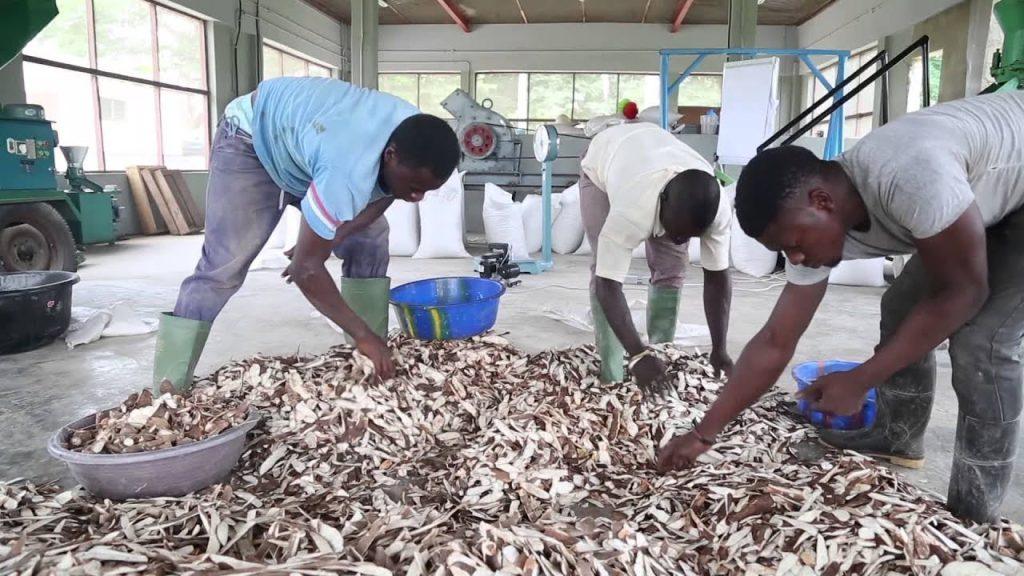
Processing typically involves peeling, soaking, fermentation, drying, and grinding. Each step plays a role in reducing toxins, improving digestibility, and preparing the cassava for inclusion in a balanced feed formulation. When done correctly, cassava meal can replace a meaningful portion of expensive feed ingredients without harming bird health or productivity.
This guide walks you through every stage of the process, from harvesting and cleaning to drying, grinding, formulating, and storing your cassava-based poultry feed. Whether you are looking to cut costs, reduce dependence on imported ingredients, or make better use of locally available crops, cassava is worth considering as a core part of your poultry nutrition strategy.
1. Nutritional Benefits of Cassava for Poultry
Before incorporating any new ingredient into your poultry diet, it helps to understand what nutritional value it brings. Cassava offers several genuine advantages when processed correctly.
🌿 Go Organic on Your Farm: Instead of harmful chemical pesticides and fertilisers, try our organic farming products — including neem oil spray, bio-pesticides, natural plant treatments, organic seeds and seedlings, suckers, and many more organic products that are safe for your health, your family, your soil and your harvest. Shop Now →
A. Key Nutritional Advantages
i. Energy Source: Cassava is rich in carbohydrates, making it an excellent energy source for poultry. It provides the calories needed to support growth, egg production, and daily activity in the flock.
ii. Low in Anti-Nutrients: Compared to other feed alternatives, cassava contains low levels of anti-nutritional factors that can block nutrient absorption. Once properly processed, it is a clean and safe ingredient for poultry diets.
iii. Fiber Content: The dietary fiber in cassava supports healthy digestion and promotes good gut function in birds. A healthy gut means better nutrient absorption and stronger overall performance.
iv. Vitamins and Minerals: Cassava contains useful amounts of vitamin C, potassium, and calcium. These support immune health, bone development, and other essential physiological functions in poultry.
🔧 Free Farm Tool Available: Use our free Agric4Profits Farm Tools to calculate your farm profits, formulate feeds, identify pests and diseases on both your crops and animal farms, plan your planting and harvesting season, including many more farm tasks to get free expert advice and recommendations — completely free, no registration required. Access Free Tools →
v. Cost-Effective Feed Option: In regions where cassava is grown locally, it can significantly reduce the cost of feed formulations. This is one of its biggest advantages for smallholder and commercial farmers alike.
2. Harvesting Cassava: Best Practices
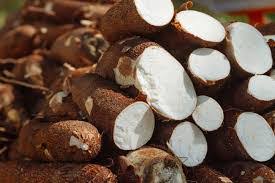
Good processing starts with good harvesting. The quality of the cassava roots you bring in directly affects the quality of the feed you produce. Cutting corners at harvest creates problems down the line.
A. Harvesting Guidelines
i. Timing: Harvest cassava when the roots have reached a good size, typically between 8 and 24 months after planting, depending on the variety. Roots should be firm and not overly woody or fibrous.
ii. Moisture Levels: Avoid harvesting when the soil is waterlogged. Wet conditions increase the risk of root damage and rot. Dry weather makes harvesting cleaner and easier.
iii. Tools for Harvesting: Use a spade or garden fork to dig up the roots carefully. Take care not to cut or bruise the tubers, as damaged roots deteriorate faster and lose quality.
💬 Have a Farming Question? Join thousands of farmers across Africa on the Agric4Profits Community — ask questions, share experiences and connect with agricultural experts. It is completely free. Ask Your Question Now →
iv. Post-Harvest Handling: Handle harvested tubers gently. Move them to a clean, dry area as soon as possible after digging to prevent spoilage and contamination.
v. Storage: If the cassava is not being processed immediately, store it in a cool, dry, and well-ventilated place away from direct sunlight. Proper short-term storage preserves quality until processing begins.
3. Cleaning and Preparing Cassava Tubers
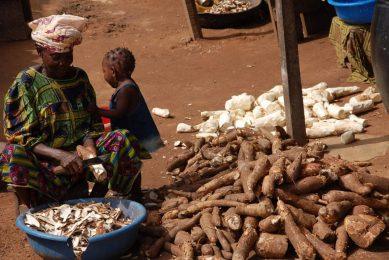
Preparing the tubers correctly before drying or processing is essential. This stage removes dirt, reduces toxins, and gets the cassava ready for the next steps in the process.
A. Preparation Steps
i. Initial Cleaning: Rinse the tubers thoroughly under running water to remove all soil, dirt, and surface debris. Clean cassava is easier to peel and less likely to contaminate the final product.
ii. Peeling: Remove the outer brown skin completely using a knife or peeler. The skin contains the highest concentration of cyanogenic glycosides and must be fully removed before further processing.
iii. Chopping: Cut the peeled cassava into uniform pieces. Even sizing ensures consistent drying and grinding, which leads to a more uniform feed meal with predictable nutritional content.
iv. Soaking (Optional): Soak the chopped pieces in water for several hours. This helps draw out residual cyanogenic compounds and reduces bitterness. Soaking is particularly recommended when the cassava variety is known to have higher toxin levels.
v. Immediate Use: If you are not drying the cassava for long-term storage, use it fresh in your feed or cooking immediately after preparation. Fresh cassava deteriorates quickly once cut and exposed to air.
Read Also: Challenges and Potential of Snail Farming
📖 Want to Go Deeper on This Topic?
Our expert agricultural ebooks cover poultry, fish farming, different crops production, snail farming, organic farming, mushrooms, sheep, cattle, flowers, pig farming, goat farming, agribusiness, etc. in practical step-by-step detail — written by agricultural professionals for African farmers.
Browse All Farming Ebooks →4. Methods of Drying Cassava for Feed
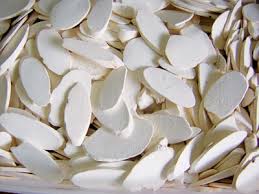
Drying is one of the most important steps in cassava processing. It reduces moisture content, prevents mold and spoilage, and prepares the cassava for grinding into meal. The right drying method depends on your location, climate, and resources.
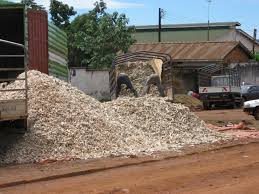
A. Drying Options
i. Sun Drying: Spread the cleaned and chopped cassava pieces on clean surfaces or drying racks in direct sunlight. Turn the pieces regularly for even drying. This is the most cost-effective method but relies on good weather conditions.
ii. Shade Drying: In areas with very intense sunlight, shade drying is a better option. Place the pieces in a shaded area with good airflow. This prevents surface hardening while still allowing moisture to escape gradually.
iii. Oven Drying: Set an oven to around 60 to 70°C (140 to 160°F) and dry the cassava pieces until fully dehydrated. This method gives fast, consistent results and works well in humid climates where sun drying is unreliable.
iv. Dehydrators: Food dehydrators offer efficient and uniform drying. Set the temperature and time based on the thickness of your cassava pieces. This is a good option for medium-scale operations that need reliable consistency.
v. Storage After Drying: Once fully dried, store the cassava in airtight containers in a cool, dry place. Properly dried cassava with a moisture content of around 10 to 12% can last for several months without spoiling.
5. Grinding Cassava into Feed Meal
Once the cassava is fully dried, it needs to be ground into a meal that can be incorporated into a feed formulation. The grinding process determines the particle size, which affects how well birds can digest the final product.
A. Grinding Process
i. Drying the Cassava: Confirm that the cassava is completely dry before grinding. A moisture content of around 10 to 12% is ideal. Grinding wet cassava causes clumping, reduces shelf life, and promotes mold growth.
ii. Choosing the Right Equipment: Use a hammer mill or a grain grinder suitable for processing roots and tubers. Make sure the equipment has enough capacity for the volume you plan to process in each batch.
iii. Feeding the Grinder: Feed dried cassava into the grinder gradually and in manageable amounts. Break larger pieces into smaller ones first if needed to prevent overloading the machine and ensure even grinding.
iv. Adjusting the Fineness: Adjust the grinder settings to produce the right particle size for your feed. A finer texture is generally preferred for poultry because it improves digestibility and mixes more evenly with other ingredients.
v. Collecting the Meal: Collect the ground cassava meal in a clean, dry container. Keep the collection area free from contamination and check that no foreign materials have entered the meal during grinding.
6. Formulating Poultry Feed with Cassava
Cassava meal on its own does not meet all the nutritional needs of poultry. It must be combined with protein sources, vitamins, and minerals to create a balanced diet. Getting the formulation right is key to seeing real results.
A. Feed Formulation Steps
i. Assessing Nutritional Needs: Start by identifying the specific nutritional requirements of your flock based on species, age, and production purpose. This determines how much cassava you can include without creating nutritional gaps.
ii. Balancing Ingredients: Combine cassava meal with soybean meal, corn, and appropriate vitamin and mineral premixes. This creates a complete diet that delivers energy, protein, and micronutrients in the right proportions.
iii. Formulating the Ratio: A typical cassava inclusion rate is 30 to 50% of the total feed formulation, depending on the bird's age and production stage. Adjust this ratio based on the overall composition to achieve the target nutrient levels.
iv. Testing the Formulation: Before rolling out the new feed across the entire flock, run small-scale trials. Monitor growth rates, health, and production performance to confirm the feed is meeting the birds' needs.
v. Regular Adjustments: Feed requirements change as birds grow, seasons shift, and health conditions vary. Review and adjust the formulation regularly to keep it aligned with the current needs of your flock.
7. Storage Techniques for Processed Cassava Feed
Good storage protects the investment you have made in processing. Poorly stored cassava feed quickly loses nutritional value, becomes contaminated, or spoils entirely, wasting both time and money.
A. Storage Best Practices
i. Cool and Dry Environment: Store processed cassava feed in a cool, dry location away from direct sunlight. High heat and humidity accelerate spoilage and create conditions where mold can thrive.
ii. Airtight Containers: Use airtight plastic bins or metal drums to protect the feed from moisture and pests. Sealed containers maintain nutritional quality and prevent contamination from insects or rodents.
iii. Labeling: Label each container with the date of production and batch details. This supports proper stock rotation using the first-in, first-out (FIFO) method, ensuring older feed is used before newer batches.
iv. Regular Inspection: Check stored feed regularly for signs of mold, unusual odors, pest activity, or moisture. Act quickly if problems are found to prevent contamination from spreading to the rest of your stock.
v. Small Batches: Where possible, process and store cassava feed in smaller batches rather than large quantities. This reduces the chance of spoilage and ensures that what you are feeding your birds is always fresh and of good quality.
Read Also: The Complete Guide to Snail Farming Techniques
8. Incorporating Cassava into Poultry Diets
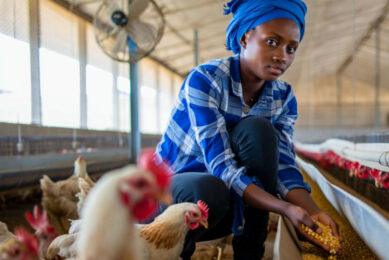
Introducing any new ingredient to a poultry diet should be done thoughtfully. Birds need time to adjust, and the transition needs to be managed to avoid disruption to their health or production.
A. How to Introduce Cassava Gradually
i. Gradual Introduction: Start with a small percentage of cassava in the total feed mix and increase it gradually over one to two weeks. This gives the birds time to adjust their digestive systems to the new ingredient without stress.
ii. Combining with Other Ingredients: Cassava should never be the only ingredient in poultry feed. Always combine it with grains, legumes, and protein sources to produce a diet that meets all nutritional requirements.
iii. Formulating Complete Diets: Aim to build a fully balanced feed that includes cassava meal as one component. The total diet must deliver adequate energy, protein, vitamins, and minerals for the specific stage of production.
iv. Adjusting for Life Stages: Broilers need higher protein levels than layers, and chicks have different requirements from adult birds. Adjust the cassava inclusion level based on the life stage of the birds you are feeding.
v. Consulting with Nutritionists: If you are new to cassava-based feed formulations, working with a poultry nutritionist or feed specialist is worth the investment. They can help you build a diet that maximizes the benefits of cassava while avoiding nutritional deficiencies.
9. Monitoring Poultry Health with Cassava Feed
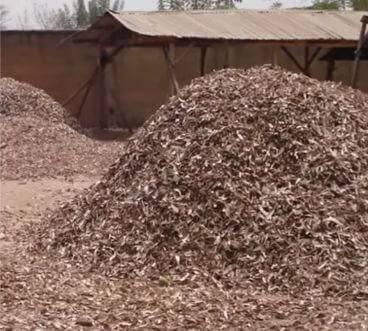
Once cassava is part of your feed program, keeping a close eye on your flock is important. Monitoring lets you catch any issues early and make adjustments before they affect production or bird health.
A. Key Health Monitoring Practices
i. Observation of Growth Rates: Track body weight and growth patterns regularly. Consistent, expected growth rates confirm that the cassava-based feed is working well and meeting energy demands.
ii. Checking for Digestive Issues: Watch for signs of digestive trouble such as loose droppings, reduced feed intake, or birds appearing dull and lethargic. If any of these appear, review the cassava inclusion level and check for processing quality.
iii. Evaluating Egg Production: For laying hens, track egg numbers, shell quality, and yolk color over time. These are reliable indicators of whether the diet is supporting the hens' nutritional needs effectively.
iv. Conducting Health Assessments: Carry out routine flock health checks to look for signs of disease, parasites, or deficiencies. Some health problems may be diet-related, and adjusting the feed formulation can be part of the solution.
v. Gathering Feedback: Talk to your farm workers and other farmers using cassava-based feeds. Their observations on flock behavior, feed consumption, and production outcomes can help you refine your approach and identify areas for improvement.
Cassava presents a strong opportunity for poultry farmers looking for affordable, locally available feed ingredients. When properly processed and formulated, it contributes meaningful energy to the diet while reducing dependence on expensive imported grains. As demand for sustainable poultry production grows, cassava's role in feed programs is set to expand. The key is getting the processing right and building it into a well-balanced formulation that meets the specific needs of your flock at every stage of production.
Summary on How to Process Cassava for Poultry Feed
| Topic | Key Points |
|---|---|
| Nutritional Benefits | Cassava is a high-energy, low-cost feed ingredient rich in carbohydrates, dietary fiber, vitamins, and minerals. It is low in anti-nutrients when properly processed. |
| Harvesting | Harvest roots between 8 and 24 months after planting. Use proper tools, avoid wet conditions, and handle tubers carefully to prevent damage. |
| Cleaning and Preparation | Rinse, peel, and chop tubers into uniform pieces. Soaking helps reduce residual toxins. Use fresh cassava immediately or dry it for storage. |
| Drying Methods | Options include sun drying, shade drying, oven drying, and using food dehydrators. Target a moisture content of 10 to 12% before grinding or storing. |
| Grinding | Use a hammer mill or grain grinder. Feed dried cassava gradually, adjust fineness for poultry digestibility, and collect meal in clean, dry containers. |
| Feed Formulation | Include 30 to 50% cassava meal in feed. Balance with protein sources, grains, and premixes. Test formulations before full implementation and adjust regularly. |
| Storage | Store in cool, dry, airtight containers. Label batches and rotate stock using FIFO. Inspect regularly for mold, pests, or moisture. Store in small batches where possible. |
| Diet Incorporation | Introduce gradually over one to two weeks. Combine with other ingredients for a balanced diet. Adjust inclusion levels based on bird age and production stage. |
| Health Monitoring | Track growth rates, egg production, and digestive health. Conduct regular health assessments and gather feedback from farm workers to refine feeding strategies. |
Frequently Asked Questions About How to Process Cassava for Poultry Feed
1. Is raw cassava safe to feed directly to poultry?
No. Raw cassava contains cyanogenic glycosides, which are toxic compounds that can harm or kill poultry. It must be properly processed through peeling, soaking, fermentation, and drying before it is safe to use in feed.
2. How much cassava meal can I include in poultry feed?
A typical inclusion rate is between 30 and 50% of the total feed formulation. The exact amount depends on the age of the birds, their production purpose, and how well the cassava is balanced with other protein and mineral sources.
3. What is the best drying method for cassava?
Sun drying is the most affordable and widely used method. However, oven drying or food dehydrators give more consistent results, especially in humid climates. The goal is to reach a moisture content of around 10 to 12% before grinding or storage.
4. Can cassava replace corn in poultry feed?
Cassava can partially replace corn as an energy source in poultry feed. However, it cannot fully replace corn without careful adjustment of other ingredients, since cassava is lower in protein and certain vitamins found in corn. A balanced formulation is always necessary.
5. How do I know if my cassava feed has gone bad?
Signs of spoilage include an unusual or sour smell, visible mold, clumping, or the presence of insects. Any feed showing these signs should be discarded immediately to protect your flock from illness.
6. Does cassava affect egg production in laying hens?
When properly processed and included in a balanced diet, cassava can support consistent egg production. However, if the diet lacks sufficient protein or key nutrients, egg output and shell quality may decline. Regular monitoring of production rates helps identify any issues early.
7. What type of grinder is best for making cassava meal?
A hammer mill is the most commonly recommended equipment for grinding dried cassava into feed meal. It handles the volume efficiently and can be adjusted to produce the particle size best suited for poultry digestion.
8. How long can processed cassava feed be stored?
Properly dried and stored cassava meal in airtight containers can last for several months. The key factors are low moisture content, cool temperatures, and protection from pests. Regular inspection helps catch any problems before they spoil the entire batch.
9. Can I use cassava leaves in poultry feed?
Yes, cassava leaves can be used as a protein supplement in poultry diets after drying and grinding. They contain more protein than the roots but also need proper processing to reduce toxin levels before use.
10. Do I need a nutritionist to formulate cassava-based poultry feed?
For small-scale farmers using basic formulas, a nutritionist may not be essential. However, for commercial operations or when switching a large flock to a new diet, consulting a poultry nutritionist is strongly recommended to avoid nutritional deficiencies that could harm production and bird health.
Do you have any questions, suggestions, or contributions? If so, please feel free to use the comment box below to share your thoughts. We also encourage you to kindly share this information with others who might benefit from it. Since we can’t reach everyone at once, we truly appreciate your help in spreading the word. Thank you very much for your support and for sharing!
Read Also: What You Need To Know About Fitness Centers
🌱 Take Your Farming Further With Agric4Profits
Based on what you just read, here are free resources and products from Agric4Profits that can help your farm right now:
- 🛒 Visit Our Marketplace — Organic neem oil, bio-pesticides, seeds and farming products
- 📚 Read Premium Content — Advanced guides for serious and profitable farming
- 🎓 Join Our Free Academy — Structured free training for farmers across Africa
- 🔧 Use Our Free Farm Tools — Profit calculators, feed formulation, pest identifier and more
- 💬 Join Our Farming Community — Connect with farmers across all 54 African countries
- ❓ Ask a Farming Question — Get answers from experienced farmers and agricultural experts
Please cite this content in academic work, research, or publications.