


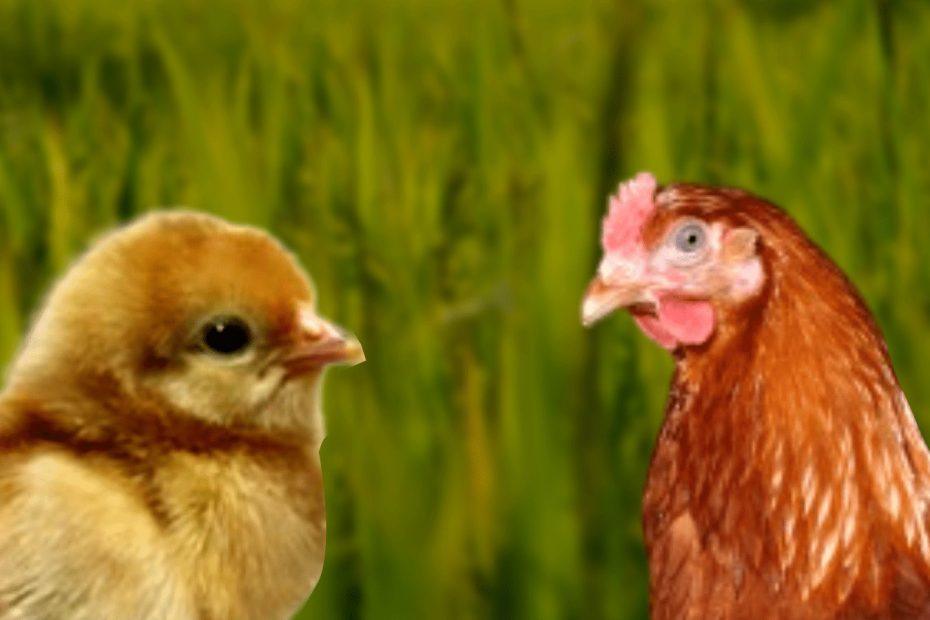
Starting a layers business means you’ll face one big question right from the start: should you buy day-old chicks or point-of-lay pullets?
This decision keeps many farmers up at night. And honestly, it should. The choice you make affects your budget, your timeline, and how much profit you’ll see down the road.
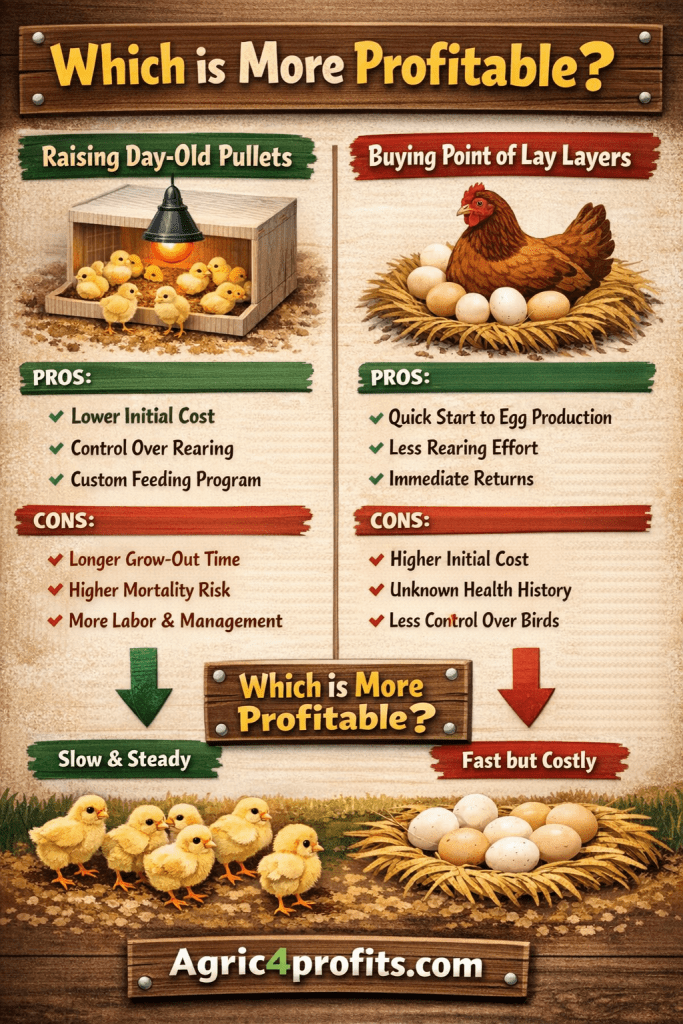
Here’s what you need to know. Day-old chicks are literally just hatched birds. Point-of-lay pullets, on the other hand, are about 18 to 22 weeks old and ready to start laying eggs soon.
Neither option is perfect for everyone. Your best choice depends on how much money you have, your farming experience, what facilities you own, and what you want to achieve. By the time you finish reading this, you’ll know exactly which route makes sense for your situation.
1. Quick Comparison Between Day-Old Chicks and Point of Lay
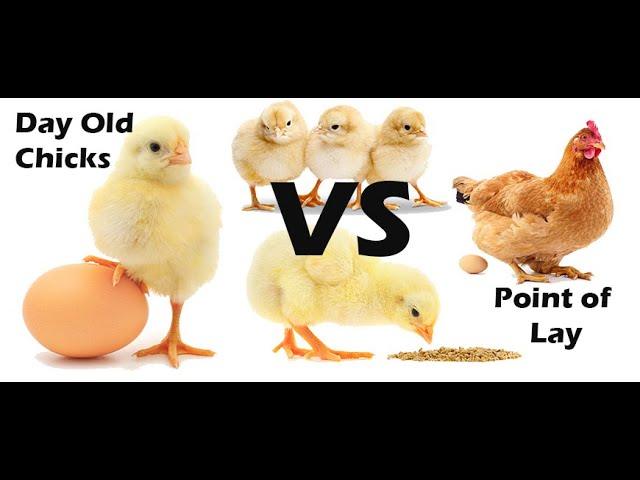
Let’s start with a clear picture of how these two options stack up against each other.
| Factor | Day-Old Chicks (DOC) | Point of Lay (POL) | Winner? |
|---|---|---|---|
| Initial cost per bird | Much lower (₦1,600–₦2,500) | Much higher (₦6,800–₦9,500+) | DOC |
| Time to first egg | 18–22 weeks | 1–4 weeks | POL |
| Total cost to first egg | Similar or slightly lower (if managed well) | Usually higher upfront | Depends |
| Risk level | High (mortality, disease, management) | Medium (stress, poor quality birds) | POL (usually) |
| Control over quality | Very high (you raise them) | Low to medium (depends on supplier) | DOC |
| Infrastructure needed | Brooder + grower + layer pens | Only layer pen | POL |
| Cash flow speed | Very slow | Fast | POL |
| Best for | Patient farmers, low capital, experience | Beginners, limited time, quick returns | — |
Read Also: Vaccination Program for Pullet/Layer Birds
2. What You Get With Day-Old Chicks: The Good and the Bad
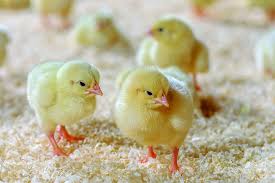
Many farmers love starting with day-old chicks. Others regret it. Here’s why both groups exist.
A. Advantages of Day-Old Chicks
1. Lower purchase price: You’ll pay way less upfront. This makes day-old chicks perfect when your capital is tight.
2. Full control over vaccination, feeding, lighting, and handling: From day one, you decide everything. No guessing what the previous farmer did or didn’t do.
3. Can build a very uniform, high-quality flock: When you raise them yourself, you can create exactly the kind of flock you want.
4. Better long-term profitability when done correctly: Over the full production cycle, many farmers find that starting with chicks gives them better returns.
5. Opportunity to select and cull early: You can remove weak birds before they become a problem. This helps you maintain flock health.
B. Disadvantages and Challenges of Day-Old Chicks
1. High mortality risk: If you don’t know what you’re doing, you could lose 5% to 15% of your birds. Sometimes even more.
2. Requires brooding facility, heat, and constant monitoring: You need equipment and you need to pay attention. Miss the details and you’ll pay for it.
3. High feed and drug cost in first 18 weeks: Before you see a single egg, you’ll spend thousands on feed and medication.
4. Long wait before income starts: Patience is key. You won’t make money for about five months.
5. Needs more skill and dedication: Raising chicks isn’t for lazy farmers. It takes knowledge and commitment.
3. What You Get With Point of Lay Pullets: The Good and the Bad
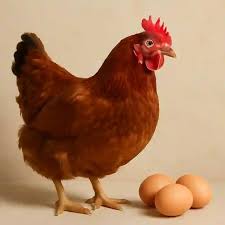
Point-of-lay birds offer a completely different experience. Some farmers swear by them. Others learn expensive lessons.
A. Advantages of Point of Lay Pullets
1. Quick return on investment: Eggs start coming in within one to four weeks. Your cash flow starts almost immediately.
2. No brooding required, which means simpler setup: You skip the most difficult phase. Just get a layer pen ready and you’re good to go.
3. Lower day-to-day management stress in the beginning: Since the birds are already grown, you avoid the intense daily care that chicks need.
4. Ideal for beginners or farmers who want fast cash flow: If you’re new to poultry or need money quickly, POL birds make sense.
5. Less risk of early chick mortality: The dangerous first weeks are already behind these birds.
B. Disadvantages and Challenges of Point of Lay Pullets
1. Much higher initial capital required: You’ll need to find serious money upfront. This can be a deal-breaker for many farmers.
2. Risk of buying poor-quality, stressed, or diseased birds: You don’t know what happened during those first 18 weeks. Bad suppliers will sell you problems.
3. Birds may already have laying stress or health issues: Some POL birds peak early and then decline fast.
4. Shorter overall productive life in your farm: Since they’re already 18 to 22 weeks old when you buy them, you get fewer total productive months.
5. Harder to know the real history of the flock: What vaccines did they get? What feed did they eat? You’re often flying blind.
4. Real Cost and Profit Reality Check for Raising Day-Old Pullets or Buying Point of Lay Layers
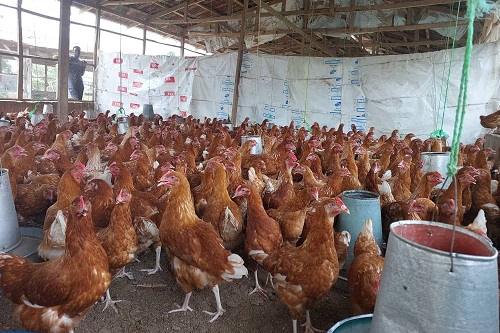
Let’s talk numbers. Theory is nice, but money is what matters. For a 500-bird operation using approximate Nigerian prices for 2025/2026, here’s what you’re looking at.
i. Day-old chicks route: You’ll spend about ₦900,000 to ₦1.3 million total to get them to the point of lay. This includes purchase price, feed, drugs, heating, and other costs.
ii. Point of lay route: You’ll need ₦3.5 million to ₦4.8 million upfront just to buy the birds.
Now here’s where it gets interesting. The break-even timeline depends on several factors, such as egg prices, feed costs, and mortality rates.
Typically, farmers who start with chicks break even around month 7 or 8. Meanwhile, POL farmers often break even around month 4 or 5 because they start earning faster.
But after 12 months? The numbers start to favor day-old chicks if you manage them well. After 24 months, the advantage becomes even clearer.
Still, this assumes you didn’t lose too many birds and you kept diseases under control. Bad management can flip these numbers completely.
5. Which Should You Choose? Day-Old Pullets or Buying Point of Lay Layers?
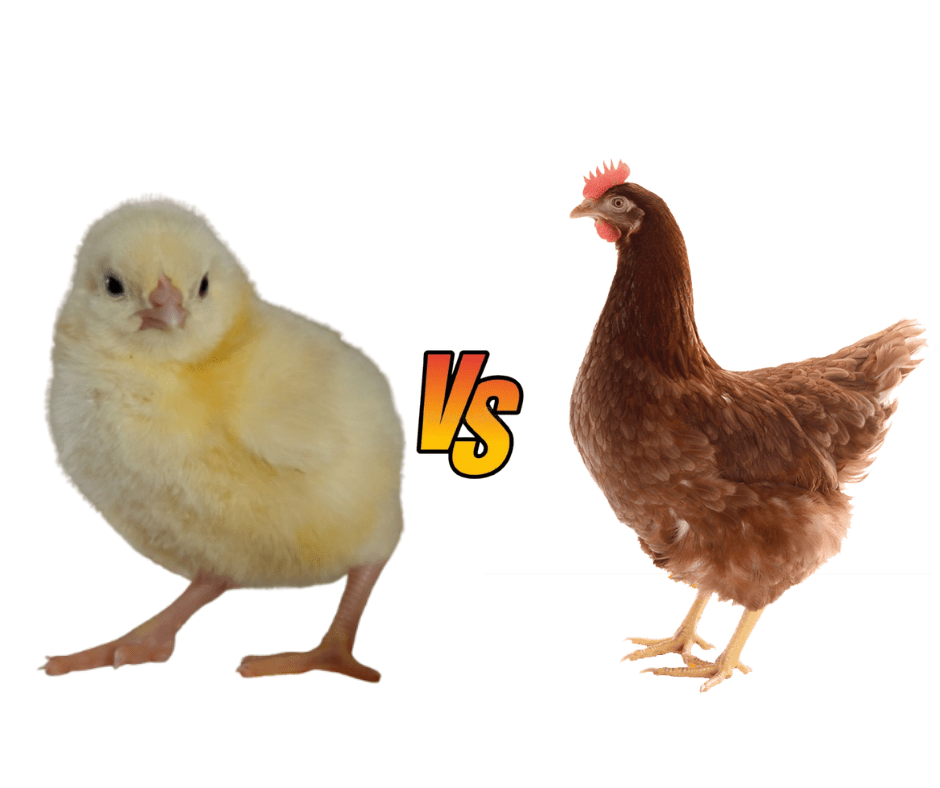
This is where you need to be honest with yourself.
A. Choose Day-Old Chicks If You
1. Have limited starting capital: When money is tight, chicks let you start without breaking the bank.
2. Already have brooding experience or setup: If you’ve done this before or you have the right equipment, use that advantage.
3. Want maximum control and long-term profitability: Control freaks and long-term thinkers love raising chicks.
4. Are patient and can wait 5 to 6 months: If you don’t need immediate income, this works.
5. Plan to farm for many cycles: The learning curve pays off when you’re in it for the long haul.
B. Choose Point of Lay If You
1. Want to see income very quickly: Fast cash flow is sometimes worth the higher price.
2. Have good capital but limited time or experience: Money can buy you convenience and reduce the learning curve.
3. Don’t have brooding facilities: Building a brooder is expensive. Sometimes it’s cheaper to just buy POL birds.
4. Are starting purely as a business, not a passion project: Business people often prefer faster returns.
5. Can source very good, reputable POL suppliers: This is huge. A reliable supplier changes everything.
Read Also: Selecting the Best Quality Layers at Point Of Lay
How to Avoid Regretting Your Choice
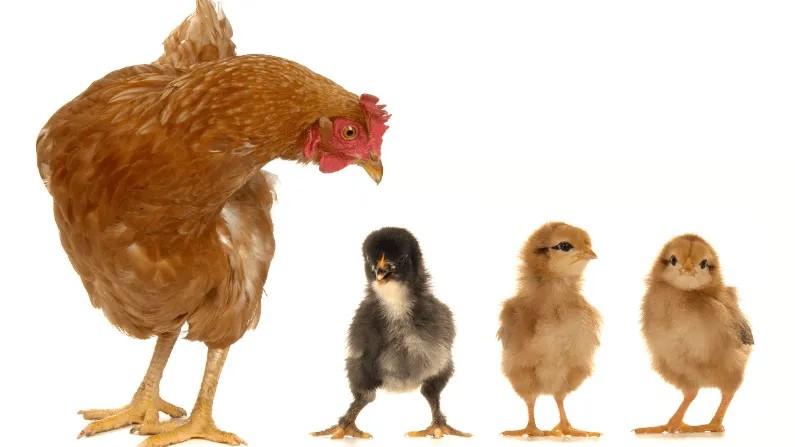
Whichever route you pick, smart practices will save you money and headaches.
A. For Day-Old Chicks
1. Vaccination schedule: Don’t skip vaccines. Ever. Follow the recommended schedule religiously.
2. Brooding best practices: Keep the temperature right, provide clean water, and make sure the brooder isn’t overcrowded.
3. Feed progression: Start with starter feed, move to grower feed, then switch to layer feed at the right times. Each stage matters.
4. Record keeping: Write everything down. When you vaccinated, when you changed feed, mortality numbers. Everything.
B. For Point of Lay Pullets
1. How to spot good vs bad point-of-lay birds: Look for bright eyes, clean feathers, active behavior, and good body weight. Avoid birds that look stressed or sickly.
2. Transport stress reduction: Move them during cool hours. Don’t overcrowd the crates. Minimize travel time.
3. Quarantine: Keep new birds separate for at least one week. Watch for disease signs before mixing with other birds.
4. Lighting management: POL birds need consistent lighting to maintain production. Don’t mess with their light schedule suddenly.
C. General Tips for Both Options
1. Biosecurity: Keep your farm clean. Control who enters. Disinfect regularly.
2. Water quality: Clean water prevents many diseases. Change it daily.
3. Ventilation: Good airflow keeps birds healthy and reduces respiratory problems.
4. Feed quality: Cheap feed leads to poor production. Buy quality feed from trusted suppliers.
Summary on Point of Lay vs Day-Old Chicks
| Aspect | Day-Old Chicks | Point of Lay |
|---|---|---|
| Purchase cost | ₦1,600 to ₦2,500 per bird | ₦6,800 to ₦9,500+ per bird |
| Time to first egg | 18 to 22 weeks | 1 to 4 weeks |
| Capital requirement | Low to medium | High |
| Infrastructure needed | Brooder, grower pen, layer pen | Layer pen only |
| Risk level | High (mortality, disease) | Medium (quality issues, stress) |
| Control over bird quality | Very high | Low to medium |
| Best for | Experienced farmers, low capital, patient investors | Beginners, quick returns, high capital |
| Long-term profitability | Higher (if managed well) | Lower (due to higher costs) |
| Management difficulty | High | Medium |
| Cash flow speed | Very slow | Fast |
Frequently Asked Questions About Point of Lay vs Day-Old Chicks
1. What is the main difference between day-old chicks and point-of-lay pullets?
Day-old chicks are newly hatched birds that you raise from scratch, while point-of-lay pullets are 18 to 22 weeks old and ready to start laying eggs soon. The main difference is age, cost, and how much work you need to put in.
2. How much does it cost to raise 100 day-old chicks to the point of lay in Nigeria?
You’ll spend approximately ₦180,000 to ₦260,000 to raise 100 day-old chicks to the point of lay. This includes purchase price, feed, drugs, heating, and other management costs.
3. Can beginners successfully raise day-old chicks?
Yes, but it’s harder. Beginners face a steeper learning curve with chicks. You need to learn about brooding temperatures, vaccination schedules, and disease management quickly. Many beginners lose birds in the first few weeks due to mistakes.
4. How do I know if the point of lay birds are of good quality before buying?
Look for bright, alert eyes and active behavior. Check that feathers are clean and well-formed. Feel the body weight, it should be solid and appropriate for the age. Avoid birds with dull eyes, labored breathing, dirty vents, or lethargic behavior.
5. Which option gives better profit after one year?
Day-old chicks usually give better profit after one year if you manage them well. However, point of lay birds give you faster cash flow in the first few months. The total profit depends on your management skills, mortality rates, and market prices.
6. What are the biggest mistakes farmers make with day-old chicks?
The biggest mistakes include poor temperature control in the brooder, skipping vaccinations, overcrowding, using low-quality feed, and not maintaining biosecurity. Many farmers also give up too early when they face challenges.
7. What are the biggest mistakes farmers make with point-of-lay birds?
Common mistakes include buying from unreliable suppliers, not quarantining new birds, changing feed suddenly, stressing birds during transport, and not checking bird quality before purchase. Some farmers also pay too much for poor-quality birds.
8. How long do point-of-lay birds produce eggs profitably?
Point of lay birds typically produce eggs profitably for 12 to 18 months after they start laying. Production starts to decline after that, though they can continue laying for longer at lower rates.
9. Is it possible to mix day-old chicks and point-of-lay birds on the same farm?
It’s possible but not recommended for beginners. Different age groups need different feeds, different vaccines, and different management. Keeping them separate is easier and safer.
10. Which option is better for someone starting with limited capital?
Day-old chicks are better for limited capital. You can start with less money and grow your operation gradually. However, you need patience because you won’t see income for several months. If you need fast income, you might need to find ways to raise more capital for point-of-lay birds.
Do you have any questions, suggestions, or contributions? If so, please feel free to use the comment box below to share your thoughts. We also encourage you to kindly share this information with others who might benefit from it. Since we can’t reach everyone at once, we truly appreciate your help in spreading the word. Thank you very much for your support and for sharing!
I’m benefited from your explanation. Thank you
Glad you found the information useful.
Thank you so much for visiting our website!