


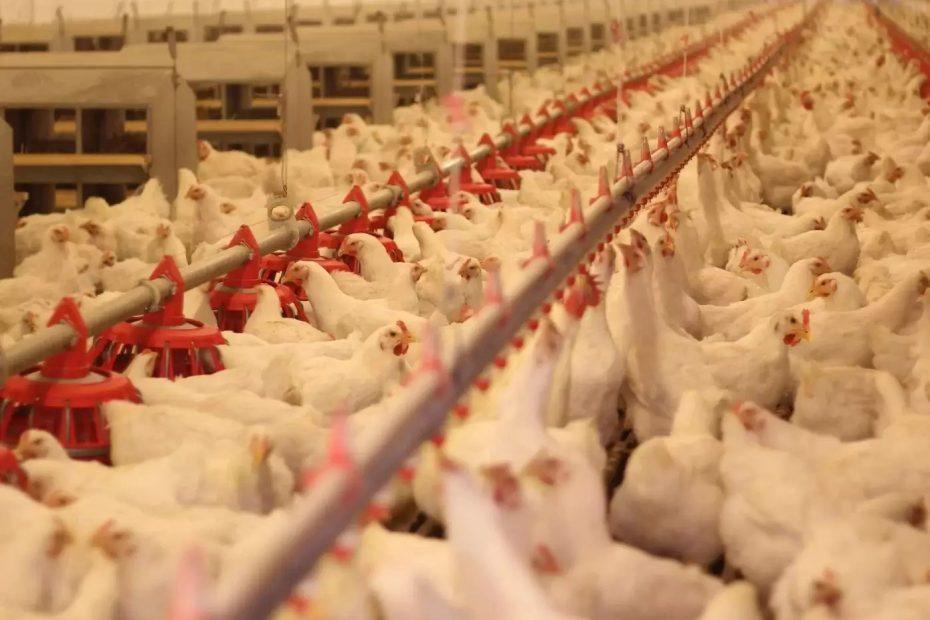
People keep poultry mainly for eggs or meat. The time and methods needed for egg production differ from meat production. But you can combine both. This happens in backyard farms or when you use the same equipment and facilities.
Both enterprises work in phases. For broilers, you have brooding and rearing, then starter and finisher phases. For pullets, you have pullet and layer phases.
Your success and profit depend on when and how well you apply daily management practices. Understanding poultry principles means knowing how to apply them. That’s what this guide covers.
Read Also: Proper Layers Management Practices for Better Performance
1. Understanding Breeder Management
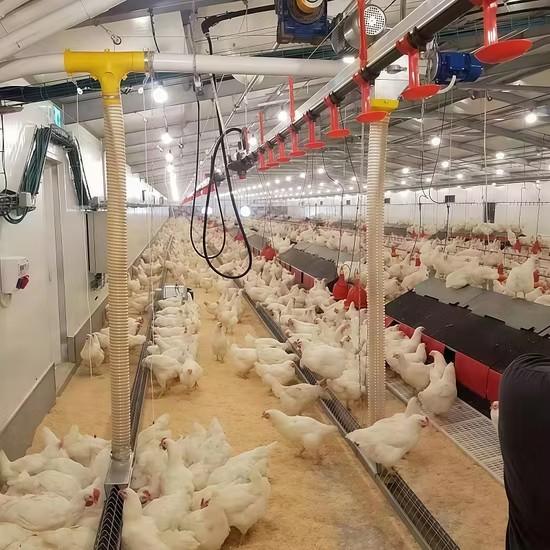
Breeders need management similar to layers. But you must follow procedures more strictly. These birds produce eggs that will hatch into chicks, so quality matters even more.
The chicks you get depend on how well you manage the parent stock. Poor management leads to weak chicks with low survival rates. Good management produces strong, healthy chicks.
2. Selection and Culling
Do this regularly and thoroughly. Remove birds that don’t meet your standards. Look for birds with good body shape, healthy appearance, and strong production records.
Cull birds that show poor performance, deformities, or signs of disease. This keeps your flock quality high and improves the genetics of future generations.
Check your birds weekly. Remove any that don’t measure up. This practice protects your investment and ensures you produce quality offspring.
3. Vaccination Programs
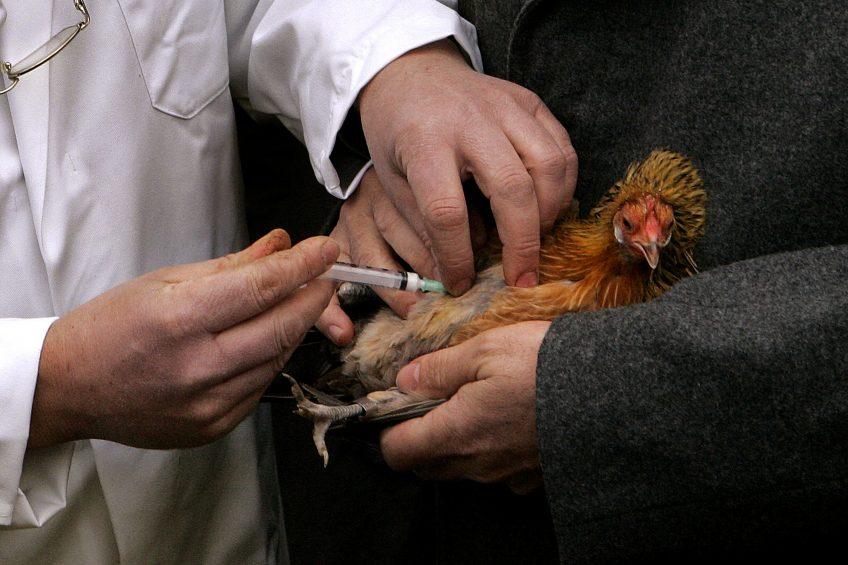
Some vaccines need to be given when birds reach laying age. These help transfer immunity from hens to their chicks. The IBD vaccine is one example.
Work with your veterinarian to create a vaccination schedule. The immunity chicks get from their mothers protects them in the first weeks of life. This matters a lot for their early survival.
Time your vaccinations right. Too early or too late reduces their effectiveness. Follow the recommended schedule for your area.
4. Proper Feeding Practices
Use breeder mash instead of regular layer feed. Breeder mash has more vitamins and minerals. These extra nutrients go into the eggs and help chicks develop properly.
Broiler breeders often need feed restriction. A common method limits them to about 80 percent of what they would normally eat. This prevents them from getting too fat, which reduces egg production and fertility.
When you restrict feed, make sure the diet has enough vitamins and minerals. Birds eating less still need all the nutrients. So the feed must be more concentrated.
Feed your birds at the same time each day. Consistency helps them stay calm and productive. Make sure all birds can access feed at the same time to prevent bullying.
5. Egg Collection Methods
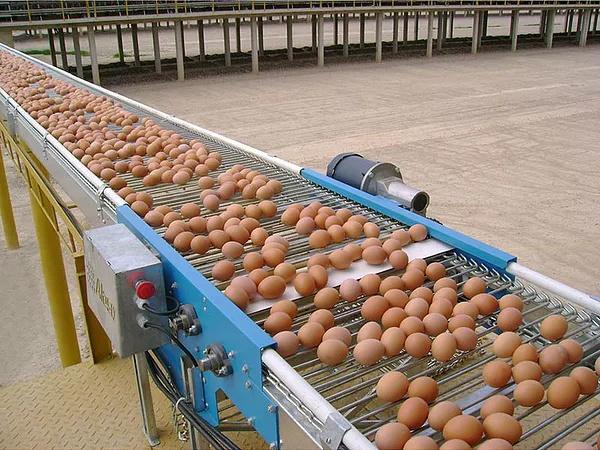
Collect eggs at least five times daily. More frequent collection keeps eggs cleaner and reduces the chance of breakage.
Clean eggs hatch better than dirty ones. Bacteria on dirty shells can enter the egg and kill the developing chick. Quick collection also prevents hens from eating or damaging eggs.
Handle eggs carefully during collection. Cracks you can’t see allow bacteria inside. Store collected eggs at the right temperature until you’re ready to set them in the incubator.
Label eggs with collection date and pen number. This helps you track which birds produce the best hatching eggs.
Read Also: Management Guide for Layers for Better Egg Production
6. Other Important Management Practices
Keep accurate records of each bird or pen. Track egg production, feed consumption, and health issues. This data helps you identify problems early and make better breeding decisions.
Monitor male-to-female ratios. Too few males reduce fertility. Too many causes of fighting and stress. Most breeds do well with one male per 10 to 12 females.
Control lighting carefully. Breeders need the right amount of light to produce well. Sudden changes in light can stop production or cause stress.
Keep the environment comfortable. Temperature extremes reduce fertility and egg production. Good ventilation prevents respiratory problems that hurt breeding performance.
Summary on Poultry Breeders Management
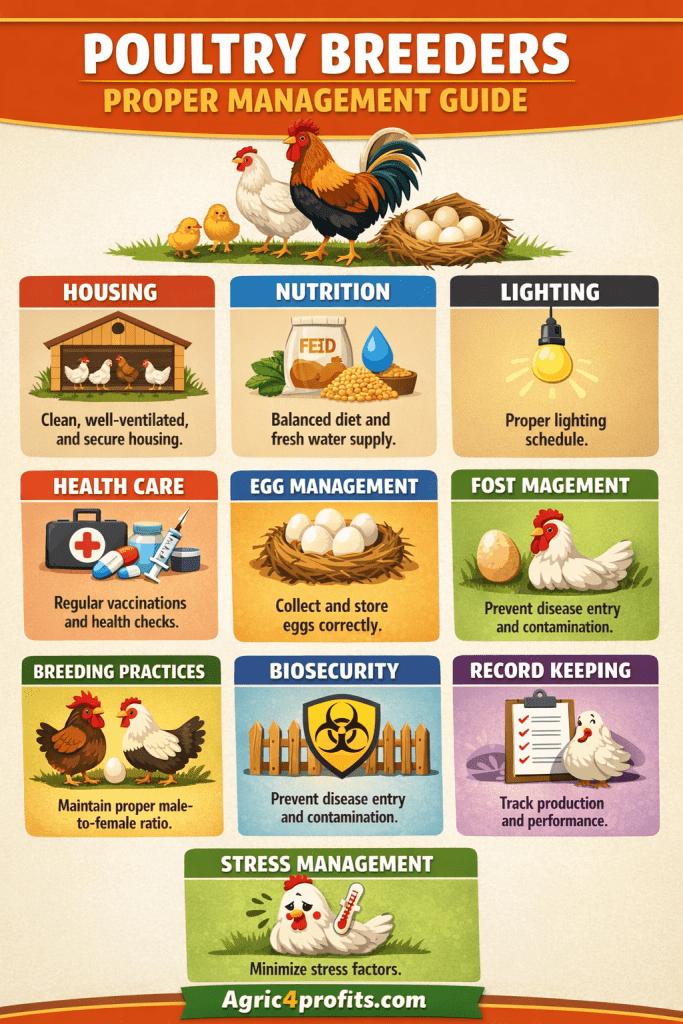
| Topic | Key Points |
|---|---|
| Production Types | Poultry kept for eggs or meat; different durations and management needed |
| Production Phases | Broilers have brooding, rearing, starter, and finisher phases; layers have pullet and layer phases |
| Management Approach | Breeders managed like layers but with stricter procedures for better chick quality |
| Selection and Culling | Practice routinely and vigorously; remove poor performers and unhealthy birds weekly |
| Vaccination | Give vaccines at the point of lay to transfer immunity to chicks; the vaccine is commonly used |
| Feeding | Use breeder mash with higher vitamins and minerals; restrict feed to 80% for broiler breeders |
| Feed Restriction | Prevent obesity while ensuring optimal nutrition; fortify restricted diets with minor nutrients |
| Egg Collection | Collect at least five times daily; handle carefully to prevent cracks and bacterial contamination |
| Record Keeping | Track production, feed use, and health to identify problems and improve breeding |
| Male to Female Ratio | Maintain proper ratios (1:10-12) to ensure good fertility without fighting |
Frequently Asked Questions About Poultry Breeders Management
1. What’s the difference between managing breeders and regular layers?
Breeders need stricter management because their eggs will hatch into chicks. You must pay more attention to nutrition, selection, culling, and egg handling. Regular layers just need to produce eggs for consumption.
2. Why do broiler breeders need feed restriction?
Without restriction, broiler breeders get too fat. Obesity reduces egg production and fertility. Limiting feed to 80% of normal intake keeps them at the right weight for good breeding performance.
3. How often should I cull my breeding flock?
Check birds weekly and remove any that don’t meet standards. Do a thorough culling at least once a month. Remove birds with poor production, deformities, or health problems right away.
4. Why collect eggs five times a day instead of once or twice?
Frequent collection keeps eggs cleaner and reduces breaks. It also prevents hens from eating eggs or sitting on them too long. Clean eggs hatch better than dirty ones.
5. What vitamins and minerals do breeders need more of?
Breeders need extra vitamin E, vitamin A, vitamin D, selenium, and calcium. These nutrients go into the eggs and help chicks develop properly. Breeder mash contains higher levels than regular layer feed.
6. Can I use the same vaccination program for breeders and layers?
Mostly yes, but breeders may need additional vaccines at the point of lay. The IBD vaccine is often given to breeders to transfer immunity to chicks. Always consult your veterinarian for the best program.
7. What’s the ideal male-to-female ratio for breeders?
Most breeds work well with one male per 10 to 12 females. Too few males lower fertility. Too many causes of fighting and stress. Heavy breeds might need fewer males per female.
8. How do I know if my feed restriction is working?
Monitor body weight weekly. Birds should maintain target weight without getting too thin or fat. Check egg production and fertility rates. If these drop, you may be restricting too much.
9. What temperature should I store hatching eggs at?
Store hatching eggs at 55 to 65 degrees Fahrenheit (13 to 18 degrees Celsius) with 75% humidity. Don’t store them longer than seven days for the best hatch rates. Turn them daily if storing more than three days.
10. How can I improve the hatchability of my eggs?
Collect eggs frequently, handle them carefully, store them properly, maintain good nutrition, keep the right male-to-female ratio, control disease through vaccination, and select only the best birds for breeding.
Do you have any questions, suggestions, or contributions? If so, please feel free to use the comment box below to share your thoughts. We also encourage you to kindly share this information with others who might benefit from it. Since we can’t reach everyone at once, we truly appreciate your help in spreading the word. Thank you very much for your support and for sharing!
Read Also: Anatomy of Fishes: Female Fish and their Reproductive Strategies