


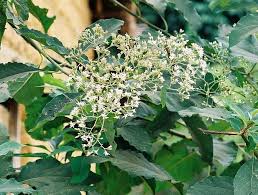
Bitter-leaf which is also referred to as bitter leaves (Family Name: Compositae, Botanical name: Vernonia amygdalina, English Name: Bitter leaf, Igbo Name: Olugbu, olibi, olubu, onugbu, Hausa Name: Chusar doki) as popularly called in different languages can usually be found on various gardens and even in bushes but a lot of people despise that leaf and refuse to even add it to their meals due to it’s bitter taste.
In this article, we are going to be discussing about the Amazing Health benefits that are associated with bitter-leaf after which am sure many people will start consuming it despite it’s natural bitter taste which scares people away. Bitter-leaf has the capacity to grow anywhere unlike other leaves that only grow in certain places and temperature.
The most distinctive feature of this plant is its bitterness. Every part of this plant is bitter starting from the leaves to its roots. The bitterness of this plant is actually good for the body.
The important thing this leaf does is to clean the blood, hence prevent sickness. Apart from using the leaves as vegetable in soups, the leaves are also washed and squeezed to extract the juice from it.
Read Also: Health Benefits of Different Fruits and Vegetables
Health Benefits of Bitter-Leaf (Vernonia amygdalina)
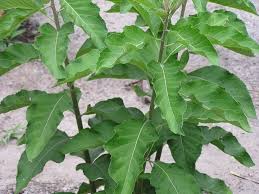
Bitter leaf has lots of health benefits which are broken down into the following;
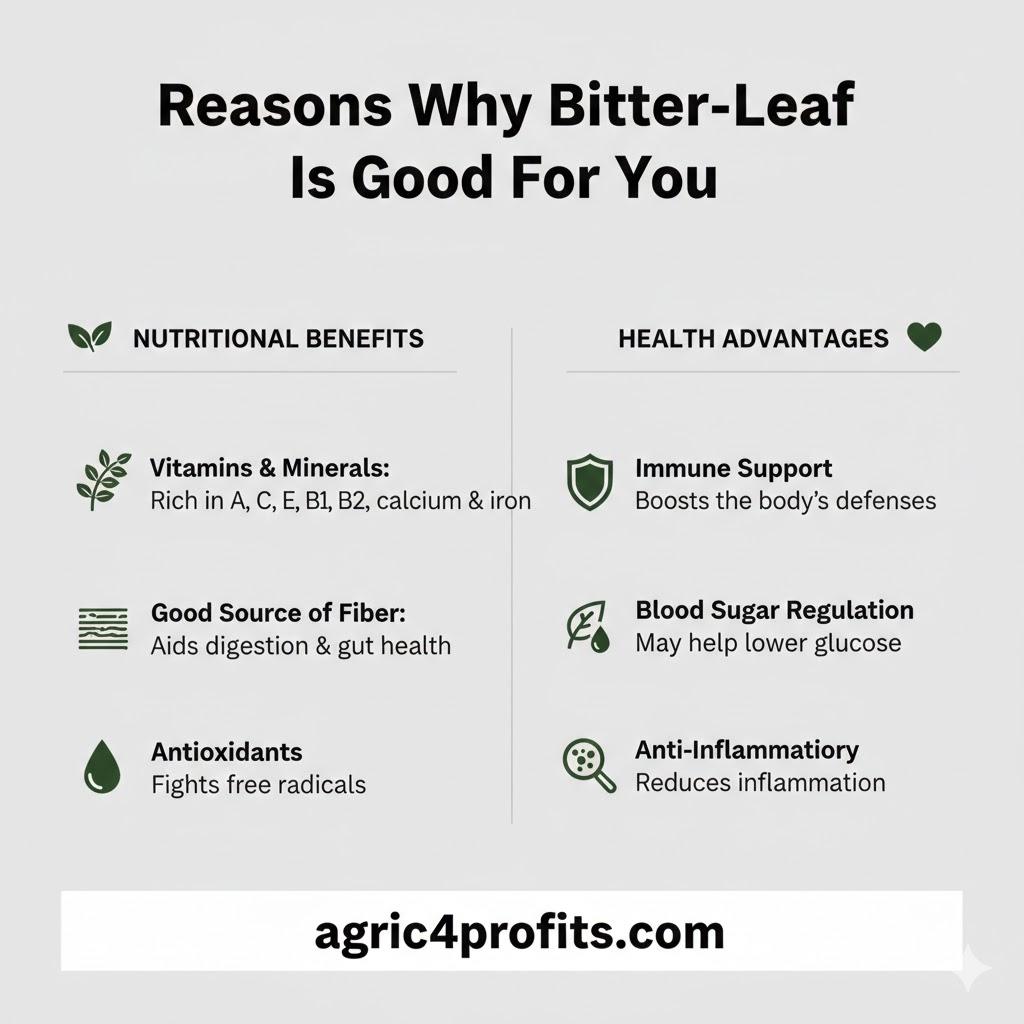
1. Organ Toning: Bitter leaf is very useful in toning the vital organs of the body especially the liver and the kidney.
2. Glycogen Production: It assists the liver in the production of glycogen, which serves as stored energy for the body.
3. Diabetes Management: Diabetic patients can use bitter-leaf to prevent high sugar levels and repair impaired pancreas.
4. Weight Loss: It increases the rate of metabolism in the body system thereby improving weight loss.
5. Anti-Malaria Properties: It contains anti-parasite and anti-bacteria properties needed to cure malaria.
6. Blood Detoxification: It detoxifies the blood, prevents indigestion, rheumatism, scurvy and nourishes the skin.
7. Skin Treatment: It cures common skin diseases, such as eczema and ringworms, when applied topically.
8. Lactation Support: Bitter leaf juice improves the quality and production of breast milk for nursing mothers.
9. Stomach Relief: It cures mild stomach ailment, pile, and helps fight liver problems.
10. Vitamin Rich: It is a rich source of vitamins, such as Vitamin A, vitamin B1 & B2.
11. Cancer Prevention: Regular consumption may reduce the risk of breast cancer.
12. Cholesterol Reduction: It can reduce cholesterol which helps reduce risk factors for Stroke and Heart Attack.
13. Antioxidant Boost: Contains antioxidants in abundance which increases the body’s disease-fighting properties.
14. Lymphatic Cleansing: Bitter leaf also cleans the lymphatic system as well.
15. Respiratory Protection: It protects the body against pollutants that come from cigarette smoke.
16. STD Treatment: It has been traditionally used to help heal Sexually Transmitted Diseases (STD).
17. Pneumonia Care: It helps in the treatment of pneumonia.
18. Insomnia Relief: Taking bitter leaf juice at night helps people suffering from insomnia.
19. Joint Pain Relief: It soothes swollen joints and relieves pain associated with inflammation.
So what are you waiting for? start eating bitter leaf and bitter leaf soup all the way!
Scientific Evidence and Case Studies on Bitter-Leaf
1. Hepatoprotective Study: Research indicates that the sesquiterpene lactones in bitter leaf provide significant protection to liver cells against chemical-induced toxicity.
2. Hypoglycemic Effect: Clinical trials have observed that aqueous extracts of Vernonia amygdalina significantly reduce blood glucose levels in diabetic subjects.
3. Antimicrobial Screening: Laboratory tests have confirmed that bitter leaf extracts inhibit the growth of Staphylococcus aureus and Escherichia coli.
4. Antimalarial Efficacy: Case studies in traditional medicine show that bitter leaf contains alkaloids that act effectively against Plasmodium falciparum.
5. Lipid Profile Management: Scientific evaluations demonstrate that bitter leaf consumption leads to a marked decrease in low-density lipoprotein (LDL) cholesterol.
Summary of Bitter-Leaf
| Category | Key Benefit | Impact on Health |
| Vital Organs | Liver & Kidney Toning | Enhances detoxification and bile production. |
| Metabolism | Glucose Regulation | Lowers blood sugar and repairs the pancreas. |
| Skin Care | Antimicrobial Effects | Treats eczema, ringworms, and rashes. |
| Immunity | Antioxidant Wealth | Increases resistance against chronic diseases. |
| Lactation | Nutrient Density | Boosts breast milk quality for nursing mothers. |
Frequently Asked Questions
1. What is the botanical name of Bitter leaf?
The botanical name of Bitter leaf is Vernonia amygdalina, belonging to the Compositae family.
2. Can Bitter leaf help with diabetes?
Yes, it contains compounds that lower blood sugar levels and help in the repair of the pancreas.
3. Is it safe to drink raw Bitter leaf juice?
Yes, raw juice is highly medicinal and effective for blood detoxification and treating stomach upsets.
4. Does Bitter leaf improve weight loss?
Yes, it boosts the body’s metabolic rate, which aids in burning calories more efficiently.
5. Can Bitter leaf treat skin infections?
Applying squeezed Bitter leaf juice directly to affected areas can cure eczema, ringworms, and rashes.
6. Is Bitter leaf good for nursing mothers?
Yes, it is known to improve both the quantity and the nutritional quality of breast milk.
7. How does Bitter leaf affect the liver?
It acts as a toner for the liver, helping it release bile acid and process fatty foods effectively.
8. Can Bitter leaf cure insomnia?
Taking a glass of Bitter leaf juice at night is a traditional remedy to help relax the body and improve sleep.
9. Does it help with high blood pressure?
Yes, by reducing cholesterol and cleaning the blood, it helps manage the risk factors for hypertension and stroke.
10. Why is the leaf so bitter?
The bitterness is caused by natural phytochemicals like alkaloids and saponins, which are responsible for its healing properties.
Do you have any questions, suggestions, or contributions? If so, please feel free to use the comment box below to share your thoughts. We also encourage you to kindly share this information with others who might benefit from it. Since we can’t reach everyone at once, we truly appreciate your help in spreading the word. Thank you very much for your support and for sharing!
Disclaimer: This article is for educational and informational purposes only. The health benefits described are based on scientific research and traditional knowledge. They ayre not a substitute for professional medical advice, diagnosis, or treatment. Always consult a healthcare professional before using any herb or natural remedy for medical purposes.
Read Also: Comprehensive Guide to Dry Beans Production